
How to Identify Tree Stress in Dallas: Signs, Causes & What to Do
Tree stress in Dallas isn’t always obvious. Learn the signs, common causes, and what to do to keep your trees healthy and avoid bigger issues.
Dallas recently felt the impact of Winter Storm Fern, a severe ice storm that left trees coated in heavy ice. Just months earlier, the city was dealing with triple-digit heat and drought. That kind of swing — from extreme heat to hard freezes — is part of life in Dallas, but it puts significant stress on trees.
Understanding what’s causing that stress, how it shows up in your landscape, and when to call a professional can make the difference between saving a tree and losing one.
Key Takeaways
- Tree stress in Dallas is driven by a combination of factors — alkaline clay soil that limits nutrient uptake, extreme summer heat, recurring drought, and sudden freezes that damage new growth
- The earliest warning signs usually show up in three areas: leaves, bark, and the overall canopy.
- Left unaddressed, stress can weaken a tree over time, making it more susceptible to pests, disease, and structural issues that increase the risk of failure.
- Most stressed trees can be saved if the cause is identified early and you work with a Certified Arborist who knows the right ways to reduce stress.
What Causes Tree Stress in Dallas?
Dallas’s alkaline clay soil, extreme summer heat, recurring droughts, and unpredictable freezes put sustained stress on root systems, canopies, and trunk tissue, often in ways that don’t show up until months or years later. Three factors drive most of the damage.

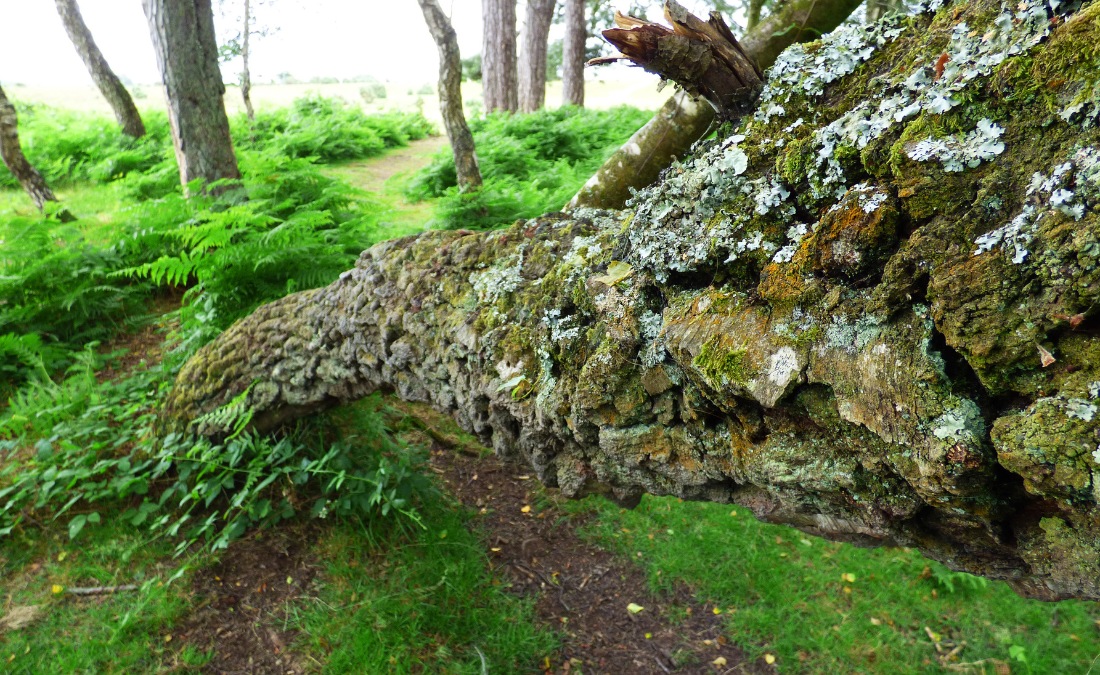
Dallas’s heavy clay soil swells when wet and cracks apart when dry, squeezing and tearing tree roots with every cycle.
Alkaline Clay Soil
Dallas sits on Blackland Prairie clay, which is heavy, dense soil with a pH between 7.5 and 8.5 and locally known as “black gumbo.” That high pH locks out iron and other micronutrients, causing a condition called chlorosis. It’s one of the most common symptoms Dallas homeowners mistake for disease, but it’s actually a soil chemistry problem.
The clay itself creates mechanical stress on root systems. It swells when wet and shrinks when dry — the same expansion-contraction cycle that cracks foundations. Tree roots get squeezed and torn by that movement season after season.
In established neighborhoods, like Preston Hollow and Lakewood, urban soil compaction makes the problem worse as mature trees compete with driveways, sidewalks, and aging infrastructure.
Extreme Heat
Dallas regularly sees four to five months of daytime highs consistently exceeding 86°F, the threshold at which many tree species start struggling. When sustained temperatures push past 100°F in July and August, photosynthesis effectively shuts down. High nighttime temperatures are especially damaging, as trees can’t produce defensive proteins without sunlight, so they’re most vulnerable to heat stress after dark.
Drought Stress
Drought cycles hit the region roughly every five to seven years. The 2011 drought killed an estimated 300 million Texas trees, and some of that damage took two to three years to fully show.
Prolonged drought kills roots, making it harder for trees to recover even when rain returns.
Unpredictable Freeze Events
Dallas doesn’t get harsh winters by northern standards, but that’s part of the problem. Trees here break dormancy early, and when a late or unexpected freeze hits after new growth has started, the damage is disproportionate to the actual temperature, as seen in the February 2021 freeze.
Trees may not show symptoms until months or years later after freeze damage, and it often compounds with drought stress. A tree weakened by one event is more vulnerable to the next.
What Does Tree Stress Look Like in Dallas?
The visible symptoms of tree stress fall into three categories: what you see on the leaves, on the bark and trunk, and in the overall canopy structure. If you notice any of these signs, it’s likely time to speak with an arborist about insect and disease treatment or soil health programs.
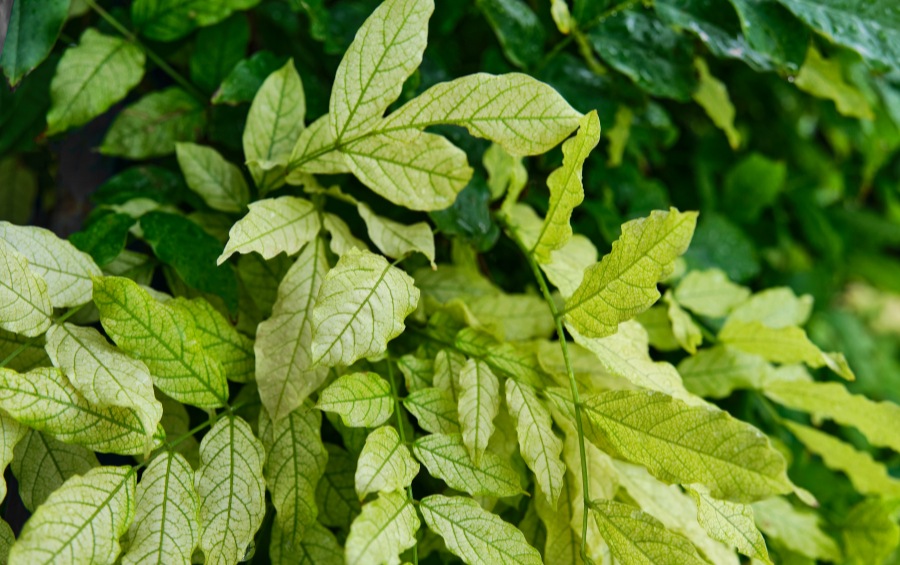
When veins stay green but the tissue between them fades to yellow, it’s chlorosis — a nutrient lockout problem caused by Dallas’s alkaline soil, not a disease.
Leaf Symptoms: From Yellow Veins to Early Drop
Leaf symptoms are usually the first thing homeowners notice. Here’s what to look for and what each pattern typically means:
- Yellowing Between the Veins (Interveinal Chlorosis): The veins stay green while the tissue between them fades to yellow, giving the leaf a striped appearance. This is one of the most common tree problems in Dallas, and it’s almost always caused by iron lockout from alkaline soil, not disease. Crape myrtles are especially prone to it.
- Browning Along the Veins (Veinal Necrosis): Unlike chlorosis, this pattern shows damage following the veins rather than between them. On live oaks, veinal browning can be an early indicator of oak wilt and warrants a prompt call to an arborist.
- Scorched Leaf Edges and Early Leaf Drop: Leaf margins turn brown and crispy from heat or drought stress, and when conditions stay harsh, trees drop leaves altogether to conserve water.
- Wilting Despite Adequate Moisture: When leaves droop even though the tree has been getting water, the problem is usually underground: root damage, soil compaction, or vascular disease.
Timing matters here. Brown leaves in July usually point to heat or drought stress. Brown leaves in April may signal something more serious, like oak wilt, freeze damage, or root failure.
Bark and Trunk Symptoms: Peeling Bark, Cracks, and Unusual Growth
While leaf issues tend to show up first, bark and trunk symptoms often point to more advanced stress or underlying structural problems. This includes:
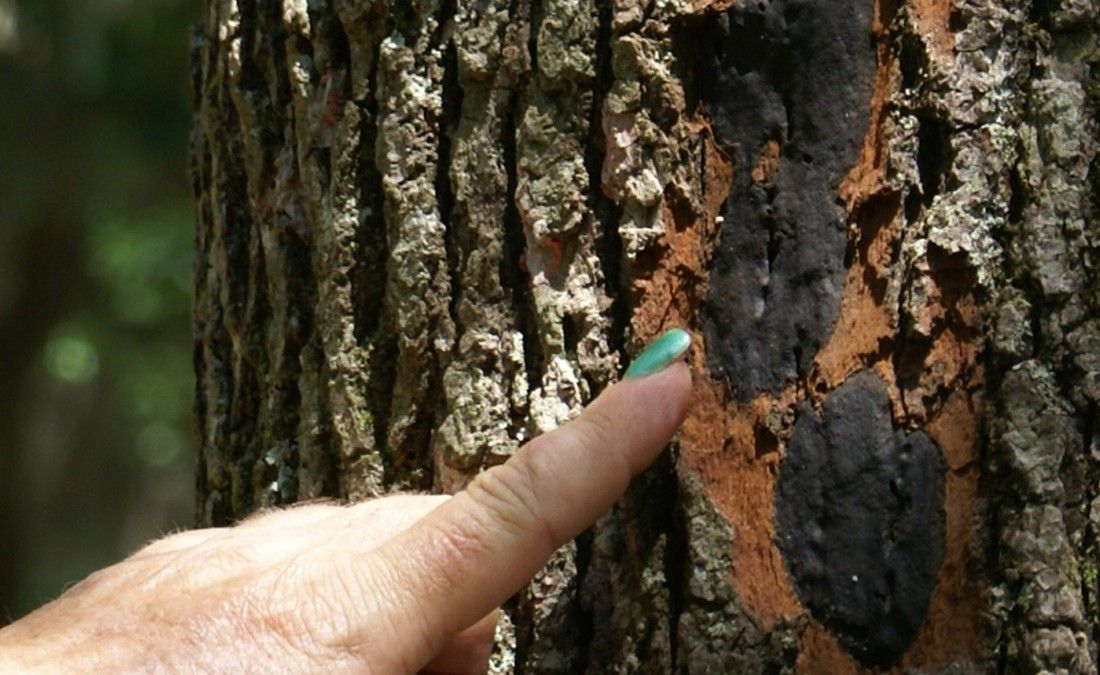
- Peeling or Sloughing Bark Exposing a Dark Fungal Mat: This is a telltale sign of hypoxylon canker, an opportunistic fungus that moves in after a tree has already been weakened by drought or other stress. There is no treatment, and drought-stressed red oaks are its most common target in Dallas.
- Vertical Cracks (Frost Cracks): These splits run up and down the trunk where water trapped in the bark expanded during a freeze and cracked the wood open.
- Cankers or Sunken Areas: Depressed, discolored patches on the bark indicate a fungal or bacterial infection that can girdle a branch or trunk over time if left untreated.
- Epicormic Shoots (Sprouts from the Trunk or Major Limbs): Clusters of vigorous new shoots growing directly from the trunk or along major branches are a distress signal.
- White or Gray Waxy Buildup on Bark with Sooty Mold on Leaves: This combination points to crape myrtle bark scale, an invasive pest increasingly common in Dallas. The waxy coating is the insect itself, and the black sooty mold grows on the honeydew it produces.
Canopy and Structure: Thinning Crown, Dead Branches, and Shifting Roots
Changes in the canopy and overall structure are often the clearest signs that a tree is declining and may be becoming a safety concern. Always be on the lookout for:
- Thinning Canopy: When you can see significantly more sky through the branches than you used to, the tree is losing foliage that it isn’t replacing.
- Dead Branches: Branches with no leaves, brittle wood, and bark that falls off easily are dead. While a few are normal, clusters of large deadwood in the upper canopy indicate a bigger problem.
- Leaning or Heaving Root Plate: A tree that has recently started leaning or shows raised soil on one side of the base may be losing its structural anchor, especially in Dallas’s clay soil after wet/dry cycling.
What Happens When Tree Stress Is Ignored?
A stressed tree that doesn’t get attention will continue to decline, and the consequences escalate over time:
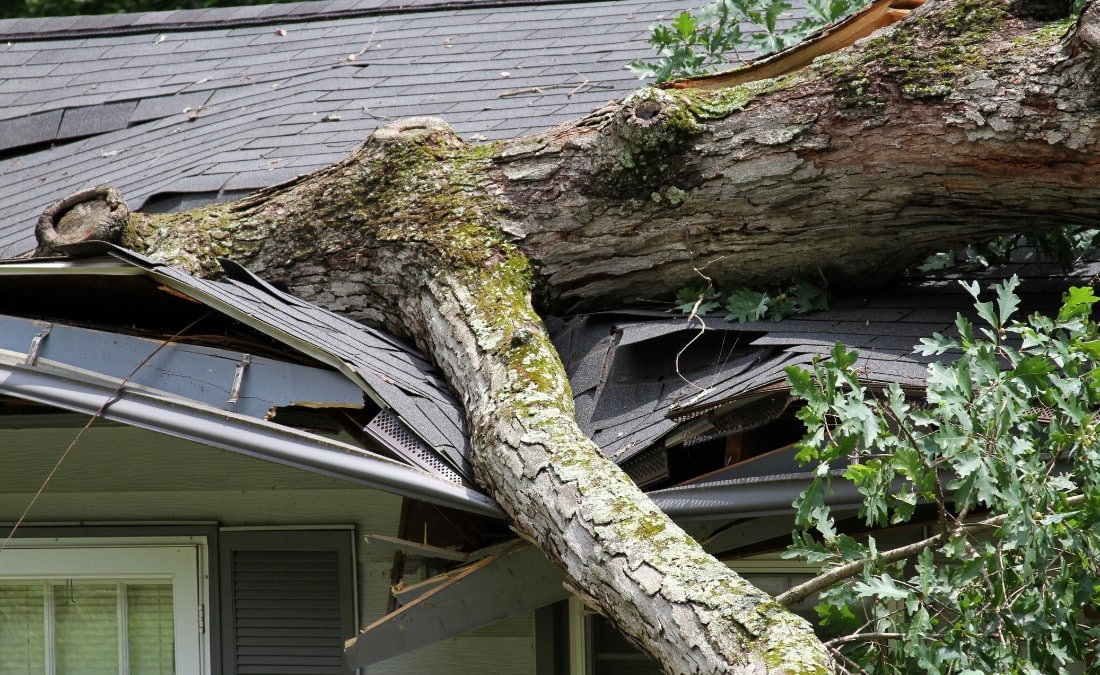
- Branches die back and become brittle, creating falling hazards over roofs, driveways, and power lines.
- A weakened tree can’t defend itself against opportunistic insects and fungi like hypoxylon canker or bark beetles.
- Root damage and trunk decay can cause a tree to drop limbs or fall entirely, sometimes on a calm day with no warning.
- A tree in advanced decline eventually reaches a point where no treatment can save it, and tree removal becomes the only safe option.
- Dead and dying trees near a home are dry, combustible fuel that could become a major problem during a wildfire.
Frequently Asked Questions About Tree Stress
How do you know if a tree is stressed or just dormant in the winter?
Dormant trees follow a normal seasonal pattern. They lose their leaves in fall, but their branches stay flexible and you’ll see healthy buds set for spring.
Stressed trees often look different. They may drop leaves early or unevenly, have brittle branches, show discoloration, or lack visible buds altogether.
A simple way to check is the scratch test: lightly scrape a twig. If the tissue underneath is green and moist, the tree is still alive and likely dormant. If it’s brown and dry, that part of the tree is dead.
Can a stressed tree recover?
In most cases, yes, a stressed tree can recover if the cause is identified and addressed early. A tree stressed by a single drought event may bounce back within one growing season with proper care. Trees dealing with compacted soil, chronic nutrient deficiency, or freeze damage often take two to three years to fully recover.
Is it normal for Dallas trees to drop leaves in summer?
Some mid-summer leaf drop is a common stress response during extreme heat, as trees shed leaves to conserve water. It doesn’t necessarily mean the tree is dying. But if leaf drop is heavy, happening alongside other symptoms like bark damage or canopy thinning, or occurring outside of the hottest months, it’s worth having an arborist take a look.
Do I need to worry about a tree that’s leaning?
A tree that has always grown at a slight angle is usually fine. However, tree that’s started leaning recently, especially after heavy rain or drought, is a different situation. Homeowners in neighborhoods like Lake Highlands, where mature trees sit in compacted clay near streets and sidewalks, see this more often than you’d think. A shifting root plate can mean the tree is losing its anchor in the ground, and could threaten to crash into your home, driveway, or sidewalk.
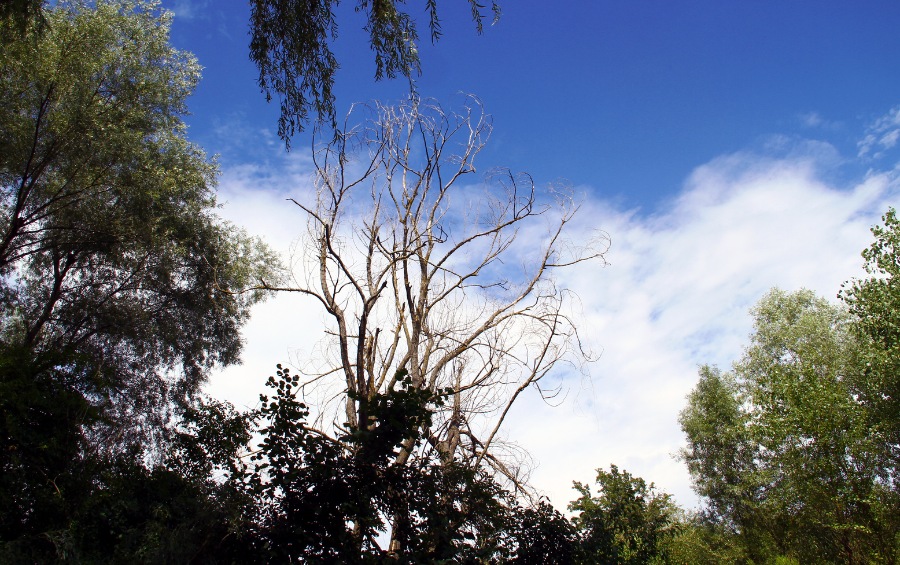
A tree that has lost its canopy entirely while neighbors remain green is past the point of stress — it’s in full decline.
Don’t Wait for Tree Stress to Turn into a Bigger Problem — Call TreeTech Today
Dallas’s alkaline clay soil, prolonged summer heat, periodic drought, and unpredictable freeze events put year-round stress on the trees in your yard. Left unchecked, that stress leads to decline, which is more than just an aesthetic problem. They become safety hazards that can drop limbs on your roof, fail without warning during a storm, or turn into dry, combustible fuel that increases fire risk to your property.
If you’ve noticed any of these warning signs, the team at TreeTech is ready to help. Our arborists have earned numerous credentials to assess stressed trees, including Tree Risk Assessment Qualification, Texas Oak Wilt Qualification, and Texas Wildfire Risk Reduction Qualification. Call us today at 214-620-0475 or request a quote online if your tree appears stressed and dangerous.
Want More Like This?
Get the latest local news, tree care tips, special offers, and company updates directly to your inbox! It's easy to subscribe and there's no spam - we promise.
"*" indicates required fields
