
Emerald Ash Borer in Dallas: What to Do Right Now If You Have an Ash Tree
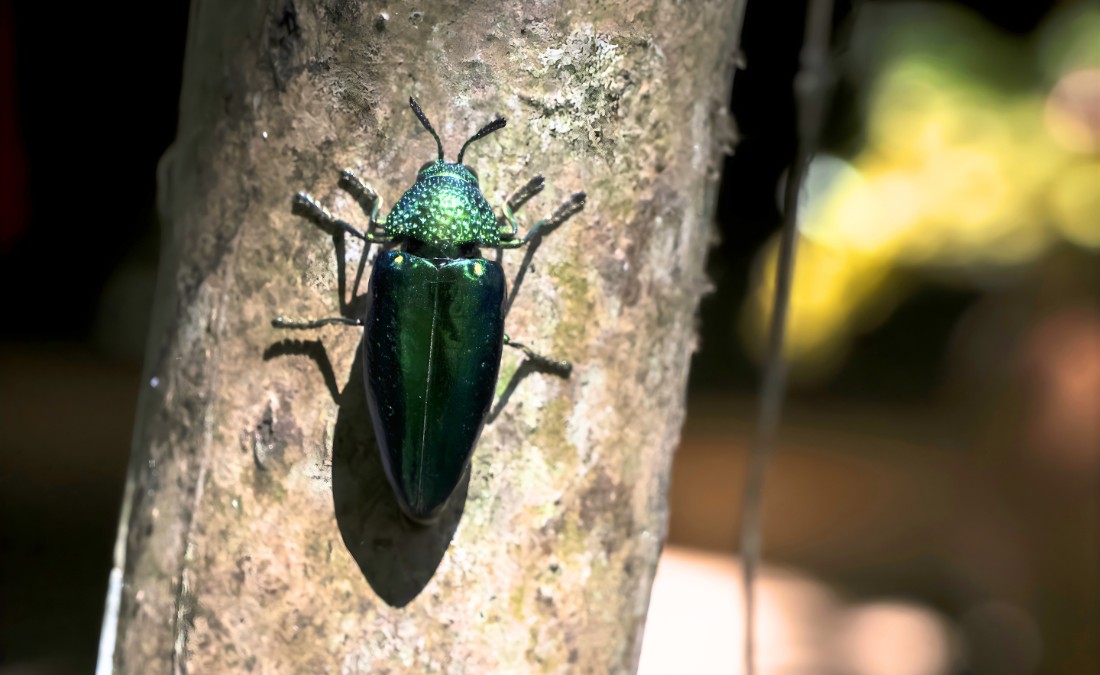
Emerald ash borer is killing Dallas ash trees right now. If you have an ash on your property, what you do this spring determines whether it survives.
In January 2026, crews in Norbuck Park took down a 60-foot, nearly 80-year-old ash tree that had already died from emerald ash borer damage. The City of Dallas has dozens more removals lined up, and officials have said most of the affected ash trees in public parks are beyond the point of no return. That’s not a forecast — that’s happening right now, in the same city parks most Dallas residents drive past every week.
The same pest is working its way through ash trees in private yards across the metro. Every ash tree in Dallas, Collin, and Denton counties sits in one of three categories today: still healthy and protectable, showing early symptoms and facing a treat-or-remove decision, or already too far gone. Knowing what to do and why can save your ash tree from this destructive bug and keep it standing in your yard for years to come.
Key Takeaways
- Emerald ash borer (EAB) is confirmed across Dallas, Collin, and Denton counties, and the City of Dallas is actively removing EAB-killed trees.
- A healthy ash tree is the best candidate for preventive treatment, which is far more reliable than trying to save a tree after symptoms appear.
- Once canopy dieback is visible, the damage under the bark is already advanced, and the treat-or-remove window narrows fast.
- Acting before the spring emergence window is the difference between a protected tree and a removal next year.
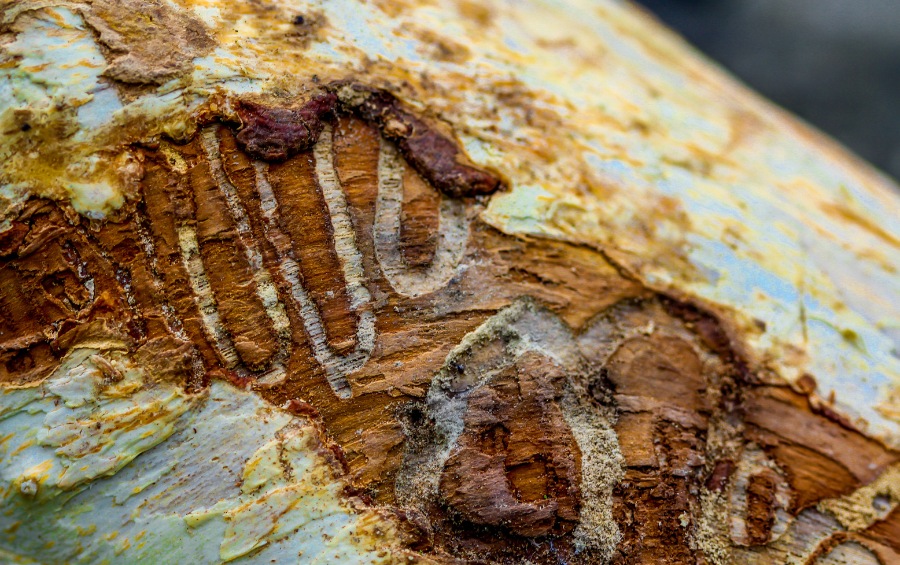
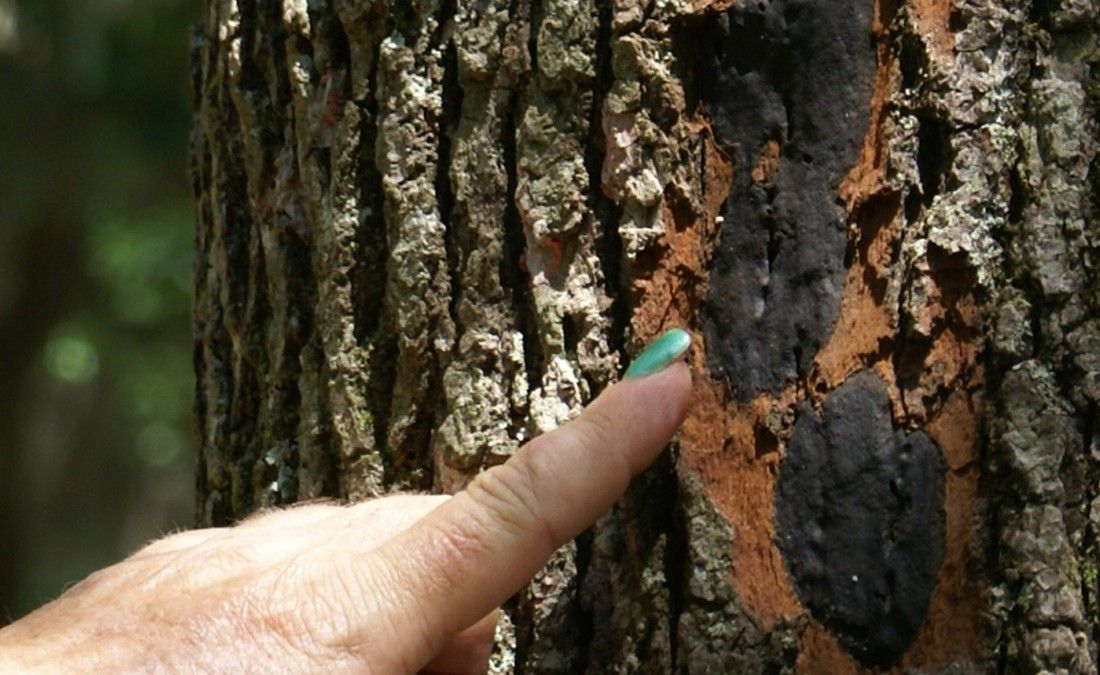
EAB larvae carve winding galleries through the tissue that carries water and nutrients, effectively strangling the tree from the inside.
1. Determine Whether EAB Is a Threat to Your Property
Ash trees are more common in Dallas neighborhoods than many homeowners realize, especially in areas developed in the late 20th century. That makes it important to understand whether your property is at risk.
Why Are Ash Trees So Common in Dallas Yards?
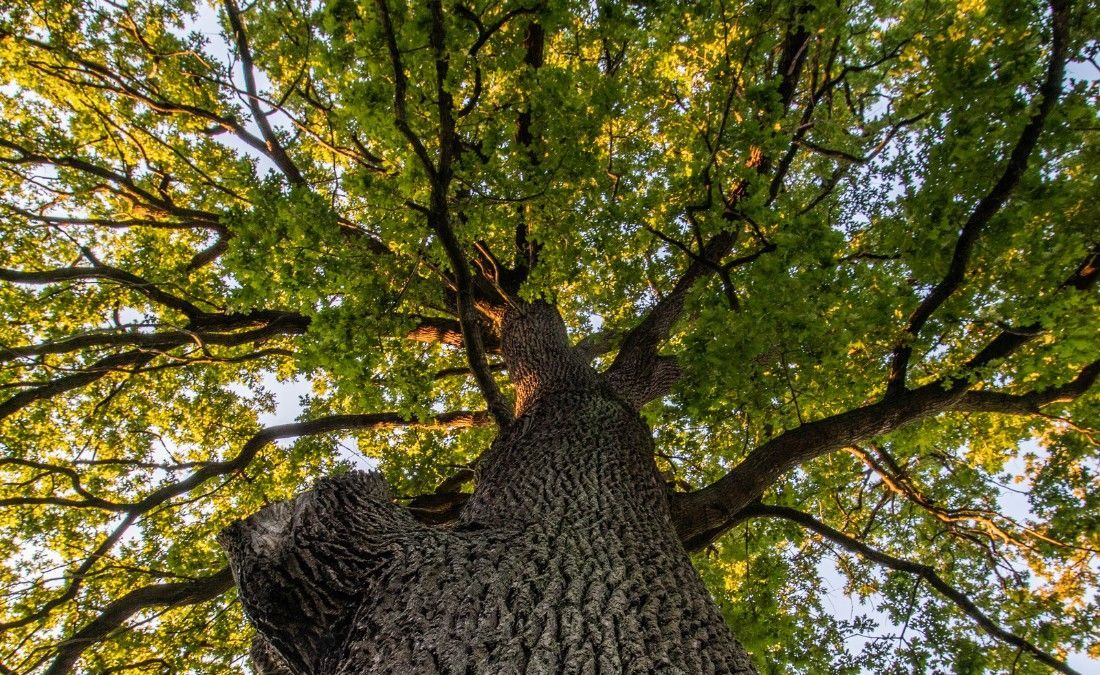
Green ash (Fraxinus pennsylvanica) was planted heavily in residential developments from the 1970s through the 1990s, the era that shaped neighborhoods like Lake Highlands and Richardson. Those plantings are mature trees today, sitting in the same neighborhoods where EAB is actively spreading. Many Dallas homeowners have an ash in the front yard without realizing it.
How Can You Tell If You Have an Ash Tree?
Three quick markers will confirm ash from the ground in most cases:
- Branches emerge directly across from each other in an opposite pattern, which is unusual among common North Texas trees.
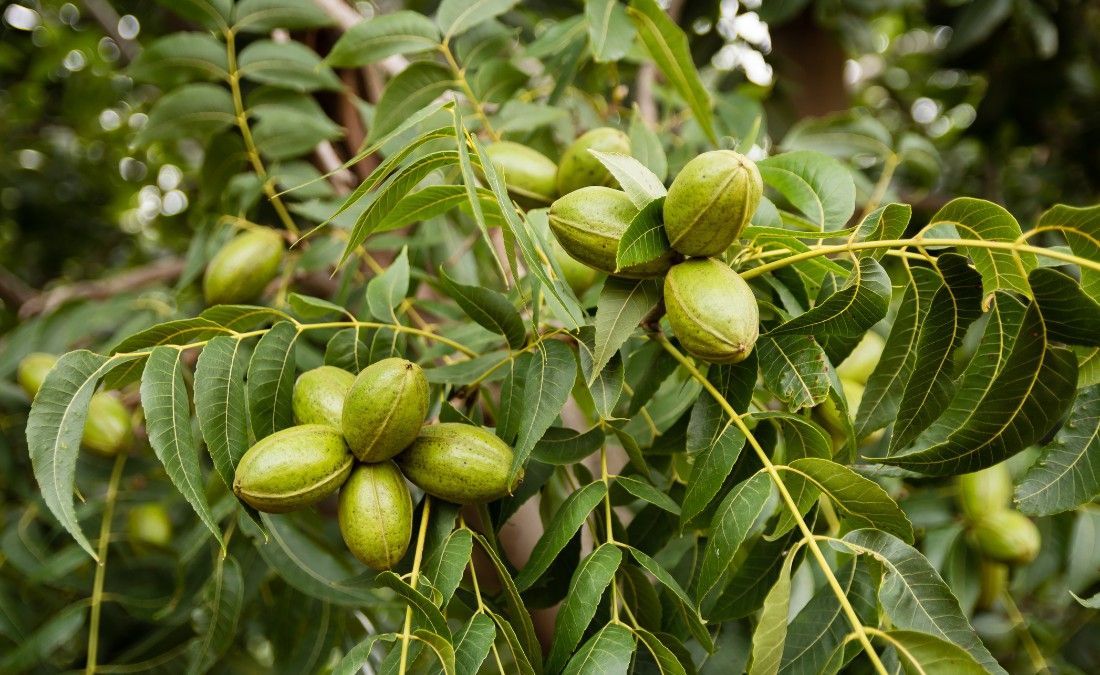
- Leaves are compound with five to nine leaflets arranged along a central stem.
- Mature bark shows distinct diamond-pattern ridges running up the trunk.
If identification isn’t obvious from the ground, a Certified Arborist can confirm the species for you.
2. Protect Healthy Ash Trees Before Infestation Begins
Once you’ve confirmed you have ash trees on your property, the next step is protecting them before EAB has a chance to establish.
Can You Treat an Ash Tree for Emerald Ash Borer?
Yes, healthy ash trees can be protected from EAB with preventive trunk injections. These treatments move through the tree’s vascular system and target larvae before they can cause damage. They’re most effective when applied before infestation begins, not after a tree is already in decline.
When Should You Schedule Preventive Trunk Injection?
Schedule preventive trunk injection before the spring EAB adult emergence window, typically late April through June in North Texas, so the product has time to distribute through the tree before peak pressure arrives. Extension services, including Texas A&M Forest Service, broadly recommend preventive treatment for high-value ash within 15 to 30 miles of a confirmed detection. The entire Dallas metro qualifies and has for a couple of years now.
Professional trunk injection by a TDA-licensed applicator is the current standard. It works before there’s damage to reverse, which is why it’s far more reliable than treating a tree already in decline. One application typically provides about two years of protection, and treatment has to continue as long as EAB pressure exists in the region, meaning it’s a recurring investment, not a one-time fix.
How Should You Monitor a Treated Ash Tree?
Check treated ash seasonally for aboveground warning signs, including:
- Top-down thinning of the canopy
- Small D-shaped exit holes
- Vertical bark splits
- Woodpecker activity stripping patches of bark
Those signs can overlap with general Dallas tree stress symptoms, so when in doubt, have an arborist look at it.
3. Get a Professional Assessment of Symptomatic Ash Trees
If your ash tree is already showing signs of decline, the next step isn’t guessing — it’s getting a clear diagnosis. An on-site assessment determines whether the tree is still a good candidate for treatment or if removal is the safer option.
What Does an EAB Assessment Actually Produce?
An EAB assessment confirms species and scores the canopy — the single variable that drives the recommendation. Ash trees caught early in decline are treatment candidates, while trees with substantial dieback usually aren’t worth the investment.
Other factors influence whether or not an ash tree is worth saving, such as:
- Landscape value
- Proximity to the house or driveway
- Additional stressors (alkaline clay, drought damage, lingering storm damage)
- How central the tree is to the property
A Dallas ash tree already showing canopy thinning, woodpecker blonding, or any other EAB warning sign is past the prevention track. The next action is an on-site assessment by a Certified Arborist, which produces a concrete recommendation: treat, or remove.
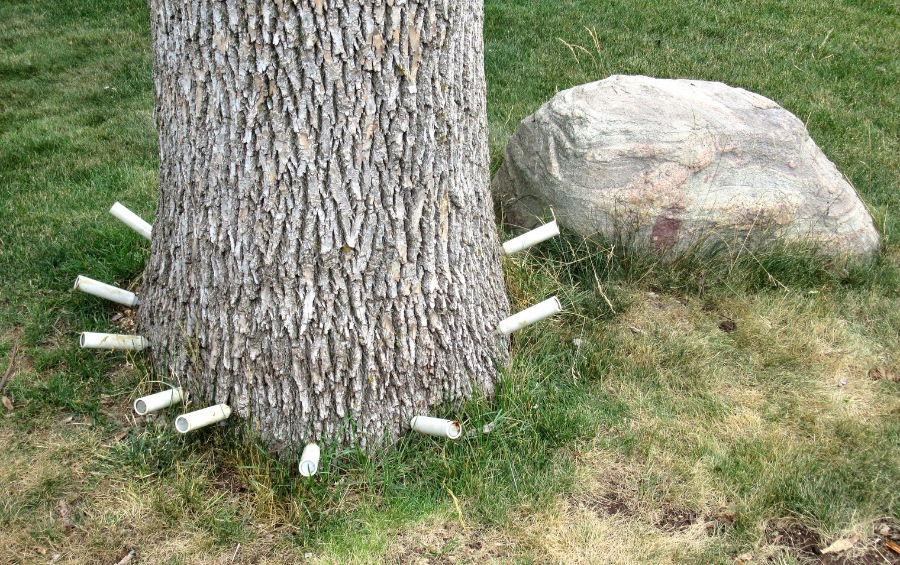
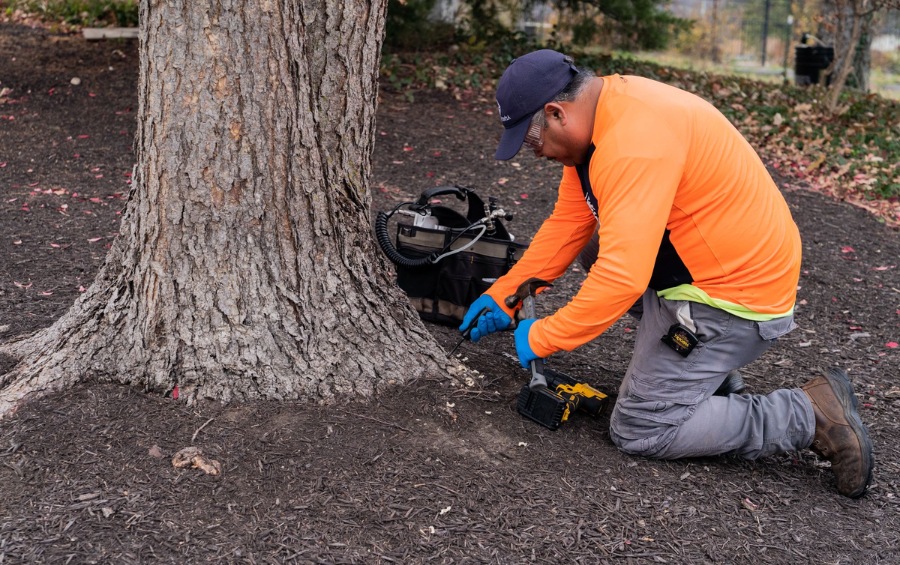
Trunk injection delivers emamectin benzoate directly into the tree’s vascular system, providing at least two years of protection against emerald ash borer.
4. Treat Ash Trees That Are Still Viable
If the tree still has enough canopy and structural integrity, treatment can slow or stop EAB damage — but timing matters.
When Is Treatment the Right Call?
Treatment is the right call when the tree still has most of its canopy intact, visible EAB activity is limited, and the structural integrity justifies continued investment. The mechanics are the same as preventive treatments, but with a focus on rescuing the tree. Success depends heavily on how early the infestation was caught.
A rescued ash can take several seasons to show canopy recovery, needs continued injections on a roughly two-year cycle indefinitely, and requires closer monitoring than a healthy specimen. It’s worth it for a high-value ash that has a good chance of survival.
5. Remove Ash Trees That Are No Longer Safe
When EAB damage is too advanced, removal becomes the safer and more cost-effective option.
When Is Removal the Right Call?
Removal is the right call when three patterns show up together:
- Significant canopy dieback (especially the top-down thinning that’s the hallmark of advanced EAB damage)
- Visible D-shaped exit holes or exposed larval galleries
- Additional hazard indicators like dead limbs over the house, lean, or trunk decay stacked on top of EAB activity
Once the vascular tissue under the bark is compromised, no treatment reverses it.
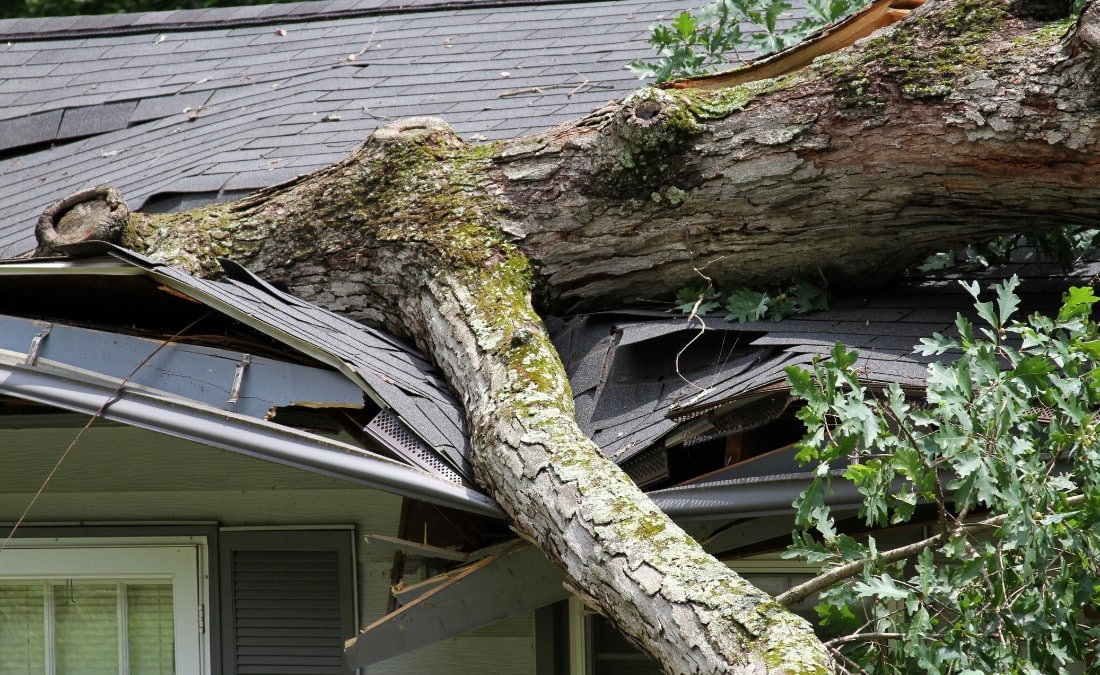
There’s a safety argument specific to EAB. Ash killed by emerald ash borer becomes brittle unusually fast compared to trees killed by other causes, and branches and whole trees fail with little provocation — a real concern given that North Texas storm season batters trees every year. Professional tree removal of a brittle, dying ash is also harder and more expensive than removal of one that’s still structurally sound.
6. Prevent Spread and Rebuild Your Canopy
Removing an EAB-killed ash doesn’t end the problem — the wood you just cut down can keep spreading the pest if it leaves your property. Dallas sits inside an active quarantine zone, and the replanting choices you make next determine whether this whole cycle repeats ten years from now.
Does the Dallas County EAB Quarantine Apply to You?
Every Dallas-metro homeowner is inside an active EAB quarantine zone. That means ash wood, ash debris, and even firewood can’t be moved outside the restricted area, even if it’s just to a nearby property.
Here’s what that looks like in practice:
- Don’t haul cut ash wood to a lake house, cabin, or family property outside Dallas County, even if it’s only an hour away.
- Chipping on-site is acceptable, and the chips can stay on the property.
- Reputable tree services handle disposal within the quarantine zone as part of the removal.
Stump grinding is also vital after ash tree removal. Ash stumps can host EAB larvae for a period after the tree comes down, so grinding is worth addressing as part of removal.
How Should You Approach Replanting After an EAB Removal?
When replacing an ash tree, the goal is to avoid repeating the same problem. Planting a variety of tree species reduces the risk of losing large portions of your canopy to a single pest in the future.
That means choosing something other than another ash. A more diverse landscape holds up better over time, especially in a region like Dallas where pests and environmental stress are ongoing factors.
Common tree species well-suited to Dallas yards, the region’s alkaline clay, and heat include:
- Live oak
- Cedar elm
- Bur oak
- Chinese pistache
Frequently Asked Questions About EAB in Dallas
My ash tree looks mostly fine — does that mean it’s safe?
Not necessarily. Emerald ash borer damage happens under the bark, so a tree can look healthy for a year or more before showing any signs. When symptoms finally appear, the decline can happen quickly, and treatment may no longer be effective.
Can I treat my own ash tree for EAB with a store-bought product?
Not effectively — although homeowner soil-drench products exist, they’re significantly less effective than professional trunk injection, especially on trees larger than about 20 inches in diameter. In Texas, commercial systemic trunk injection must be performed by a TDA-licensed applicator, which is the standard for any ash worth protecting.
Will homeowners’ insurance cover removing a tree killed by EAB?
Usually not, as standard homeowners’ policies treat tree removal as routine maintenance when the cause is a pest or disease, so a tree killed by emerald ash borer typically has to come down on the homeowner’s dime. Coverage can kick in if an EAB-weakened tree falls during a covered event like a storm and damages a structure. At that point, removal and repair often fall under the policy, usually with a per-tree cap. Read your policy or call your carrier before budgeting.
Injection ports placed around the trunk’s root flare allow the treatment to distribute evenly throughout the tree.
Schedule Your Ash Tree Assessment with TreeTech Today
EAB doesn’t pause between seasons. Every spring emergence window that passes without treatment puts healthy ash trees one cycle closer to the decline side of the equation — and moves trees already in decline closer to removal. The window to inspect your tree is narrowing every day.
If you’re worried about your ash trees, the team at TreeTech, an Arbor Masters company, is ready to help. Our arborists can inspect your ashes, diagnose if they have an EAB problem, and then either treat or remove them. Call us today at 214-620-0475 or request a quote online for help with your ash trees today.
Want More Like This?
Get the latest local news, tree care tips, special offers, and company updates directly to your inbox! It's easy to subscribe and there's no spam - we promise.
"*" indicates required fields
