Powdery Mildew Is Common in the Midwest – Here’s What to Do About It
Seeing a white powdery coating on your trees or shrubs? Learn how to identify powdery mildew, stop its spread, and protect plant health before plants weaken.
Powdery mildew is one of the most common fungal diseases affecting trees and shrubs in the Great Plains and Midwest – and spring is when it often seems to appear overnight. Because our climate creates the perfect environment for fungal growth, powdery mildew can also spread quickly if ignored. Knowing what to look for and when to act can keep it from becoming a long-term problem.
Key Takeaways
- Powdery mildew causes a white, flour-like coating on leaves and stems but rarely kills healthy, established trees.
- Powdery mildew thrives during spring and fall weather patterns common across the Great Plains, particularly when cool, humid nights (70%+ humidity) are followed by warm days between 59-70°F.
- Early treatment involves immediately removing all infected plant parts with clean tools and improving air circulation around affected trees through selective pruning and debris removal.
- Professional fungicide treatments become necessary for high-value landscape trees, severe infections affecting multiple plants, or when homeowner treatments fail to control the spread.
- Prevention strategies focus on maintaining overall tree health through proper fertilization and watering, choosing disease-resistant plant varieties, and ensuring adequate spacing for good airflow between plants.

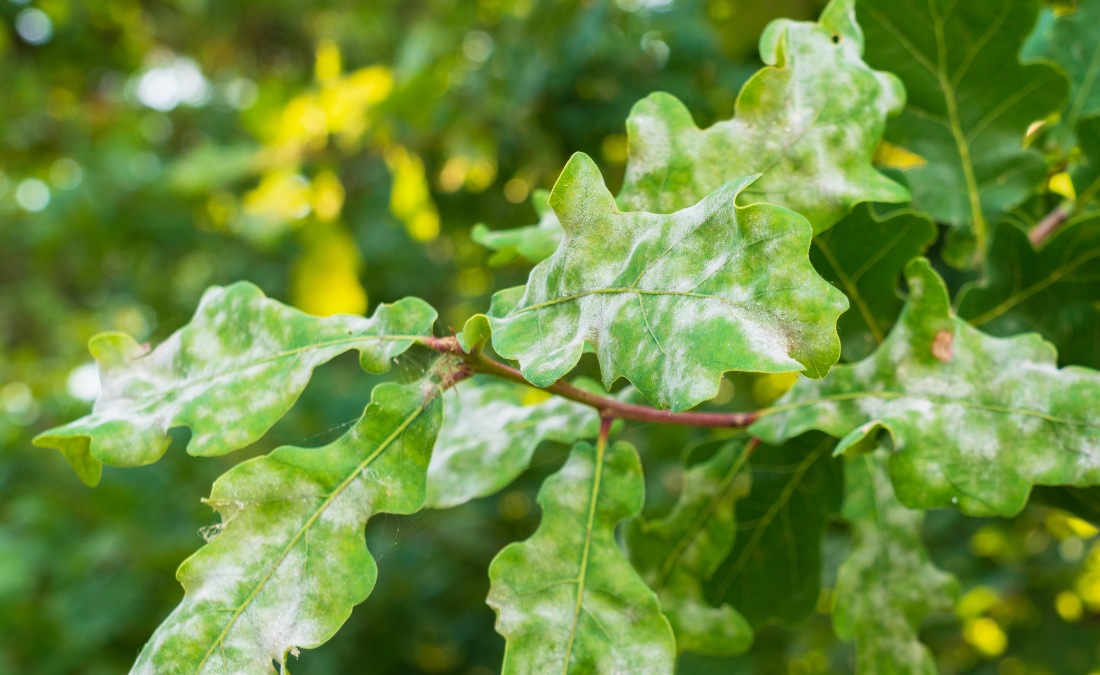
Powdery mildew creates an unmistakable white coating that resembles flour dusted over leaf surfaces.
What Is Powdery Mildew?
Powdery mildew is a disease that results from fungi in the order Erysiphales, which includes dozens of species that specialize in different host plants. Unlike many fungal diseases, powdery mildew doesn’t require free water to germinate and spread, making it particularly troublesome during periods of moderate humidity rather than rainy conditions.
The disease stays on the surface of leaves, stems, and other plant tissues instead of moving into roots or vascular systems, which is why many healthy plants recover once conditions change.
What Causes Powdery Mildew to Spread?
Powdery mildew spreads when environmental conditions favor fungal growth and spore movement, particularly during spring and fall transitions.
Key factors that cause powdery mildew outbreaks include:
- Wind-Borne Spores: Fungi overwinter in plant debris and dormant buds, releasing spores that travel easily through the air.
- Surface-Level Infection: Spores land on leaves and stems and establish colonies without needing standing water.
- High Humidity Without Rain: Nighttime humidity above 70% combined with mild temperatures creates ideal conditions.
- Poor Air Circulation: Dense plantings and shaded areas allow spores to persist and spread.
- Seasonal Weather Patterns: Cool, dry nights followed by mild days encourage growth, while heavy rain and extreme heat suppress it.
What Does Powdery Mildew Look Like?
Powdery mildew creates an unmistakable white to grayish-white coating on plant surfaces that resembles flour or baking powder dusted over leaves and stems. The infection typically starts as small circular spots that quickly expand and merge into larger patches covering significant portions of the plant.
This distinctive powdery appearance can affect not only leaves but also stems, flowers, and even fruits in severe cases.
The telltale white coating is actually composed of fungal spores and thread-like structures called hyphae. Unlike many plant diseases that require moisture to develop, powdery mildew grows on dry leaf surfaces, making it easily recognizable even to inexperienced gardeners. As the disease progresses, affected leaves may develop yellow patches and eventually turn brown, with some plants showing stunted growth or distorted foliage.
Which Trees and Plants Are Most Affected by Powdery Mildew
Throughout the region, certain plants prove particularly susceptible to powdery mildew infections. Common targets include:
- Ash trees
- Crape myrtles
- Lilacs
- Oak trees
- Photinia
- Roses
- Peonies
- Zinnias
- Tomato plants
- Squash
The disease affects almost all ornamental plants to some degree, making prevention strategies particularly valuable for maintaining landscape health.
How Do You Treat Powdery Mildew?
Treatment success depends heavily on early detection and prompt action. Once you identify powdery mildew symptoms, immediate removal of affected plant parts provides the most effective first step in controlling the disease spread.
PRO TIP: In many cases where powdery mildew infection is mild, you will not need to take any action. The infection will naturally clear out over time when conditions improve.
Remove Infected Plant Parts Immediately
Cut away all visibly infected leaves, stems, and flowers using clean pruning tools, and dispose of this material in the trash rather than composting. Disinfect tools between cuts using rubbing alcohol to prevent spreading spores to healthy plant parts.
Additionally, improve air circulation around affected plants by selectively pruning overcrowded areas and removing nearby weeds or debris that restrict airflow.
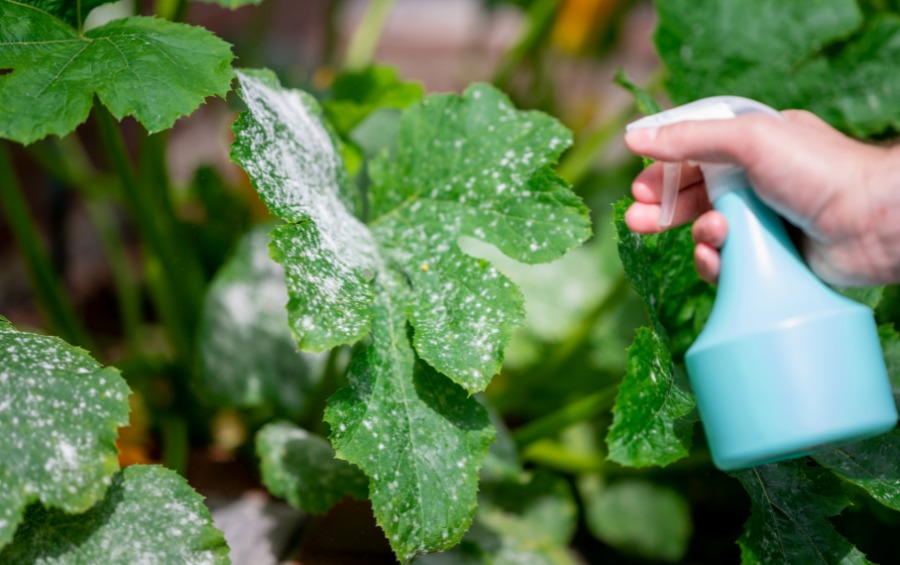
Homeowner treatments can help manage mild powdery mildew infections when applied at the first sign of symptoms.
Apply Fungicide Treatments for Severe Cases
For immediate relief, homeowners can apply a homemade solution of baking soda mixed with water, though this provides only temporary suppression rather than long-term control.
Professional fungicide applications offer more effective treatment for valuable landscape plants, particularly when applied early in the infection cycle. Timing proves critical for treatment success, as fungicides work best as preventive measures or when infections are just beginning to develop.
Work with a Professional for High-Value Trees
Consider professional intervention when dealing with established trees, widespread infections affecting multiple plants, or valuable specimens where appearance matters significantly. Certified Arborists can develop integrated treatment programs that combine targeted fungicide applications with cultural practice improvements, providing comprehensive disease management tailored to your specific landscape conditions and plant varieties.
How Can You Prevent Powdery Mildew?
Prevention strategies prove far more effective and cost-efficient than treating established infections. Focus on creating environmental conditions that discourage fungal development while maintaining overall plant health.
Maintain Overall Tree Health
Healthy trees naturally resist disease infections more effectively than stressed or weakened plants. Supporting your trees’ general health creates a strong foundation for powdery mildew prevention and recovery:
- Proper Fertilization: Well-nourished trees develop stronger immune systems and recover faster from disease stress.
- Quality Mulching: A 2–3-inch layer of organic mulch around the base helps retain moisture, regulate soil temperature, and provide slow-release nutrients.
- Appropriate Watering: Deep, infrequent watering encourages strong root development while avoiding the surface moisture that promotes fungal growth.
Improve Air Circulation and Reduce Moisture
One of the easiest ways to reduce the risk of powdery mildew developing in your trees is to regularly prune them. Removing dead, damaged, or overcrowded branches improves air circulation and reduces disease pressure throughout the canopy.
Have an arborist handle the job, as they can decide which branches to remove to improve air flow without stressing the trees.
Choose Resistant Plant Varieties
When adding new plants to your landscape, select varieties bred for disease resistance whenever possible. Many modern cultivars of roses, lilacs, and other susceptible species offer improved resistance to powdery mildew while maintaining attractive appearance and performance.
Picking the right spot matters as well. Plant susceptible varieties in locations with good air circulation and appropriate light levels for optimal plant health.
Schedule Regular Professional Inspections
Regular monitoring by trained professionals allows early detection before symptoms become severe. Preventive fungicide programs applied at appropriate timing can protect high-value plants during peak risk periods, while integrated plant health care addresses underlying factors that predispose plants to disease problems.
Frequently Asked Questions About Powdery Mildew
What causes powdery mildew on trees and plants?
Powdery mildew is caused by fungi that thrive in cool, humid conditions with moderate temperatures between 59-70°F, which are especially common during spring and fall across the Midwest.
Is powdery mildew harmful to humans or pets?
Powdery mildew is generally not harmful to humans or pets, though spores may cause mild skin or eye irritation. People with asthma should take extra caution as exposure could trigger respiratory symptoms.
How can I prevent powdery mildew from spreading?
You can prevent powdery mildew from spreading by improving air circulation around plants, watering early in the day, removing fallen debris, and avoiding overhead watering that keeps foliage wet.
Does powdery mildew kill trees?
Powdery mildew is rarely lethal to mature trees, but it can weaken plants and reduce growth. The disease is primarily cosmetic on established trees and shrubs.
When should I call a professional arborist for powdery mildew?
You should contact professionals for high-value trees, widespread infections affecting multiple plants, or when you need preventive treatment programs for susceptible varieties.
What other tree diseases should I watch out for?
Beyond powdery mildew, several other diseases commonly affect trees across the Great Plains and Midwest:
- Dutch elm disease
- Horned oak gall
- Iron chlorosis
- Anthracnose
- Oak wilt
- Fire blight
- Verticillium wilt

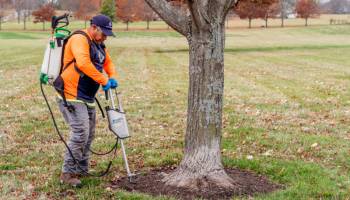
Professional plant health care treatments provide effective control for severe powdery mildew infections affecting valuable landscape plants.
Protect Your Landscape with Expert Help from Arbor Masters
Powdery mildew remains manageable with proper identification, timely action, and understanding of regional climate patterns across Texas, Oklahoma, Missouri, Iowa, and Kansas. Focus on prevention through improved air circulation, proper watering practices, and regular monitoring for the most effective long-term control.
Whether you’re dealing with your first powdery mildew outbreak or developing a comprehensive prevention strategy, the team at Arbor Masters can help. Our team will examine your trees, determine if it needs treatment, and most importantly, preserve your trees. Call us today at 405-495-8746 or request a quote online.


Want More Like This?
Get the latest local news, tree care tips, special offers, and company updates directly to your inbox! It's easy to subscribe and there's no spam - we promise.
"*" indicates required fields