How Structural Pruning Can Set Young Trees Up for a Lifetime of Health
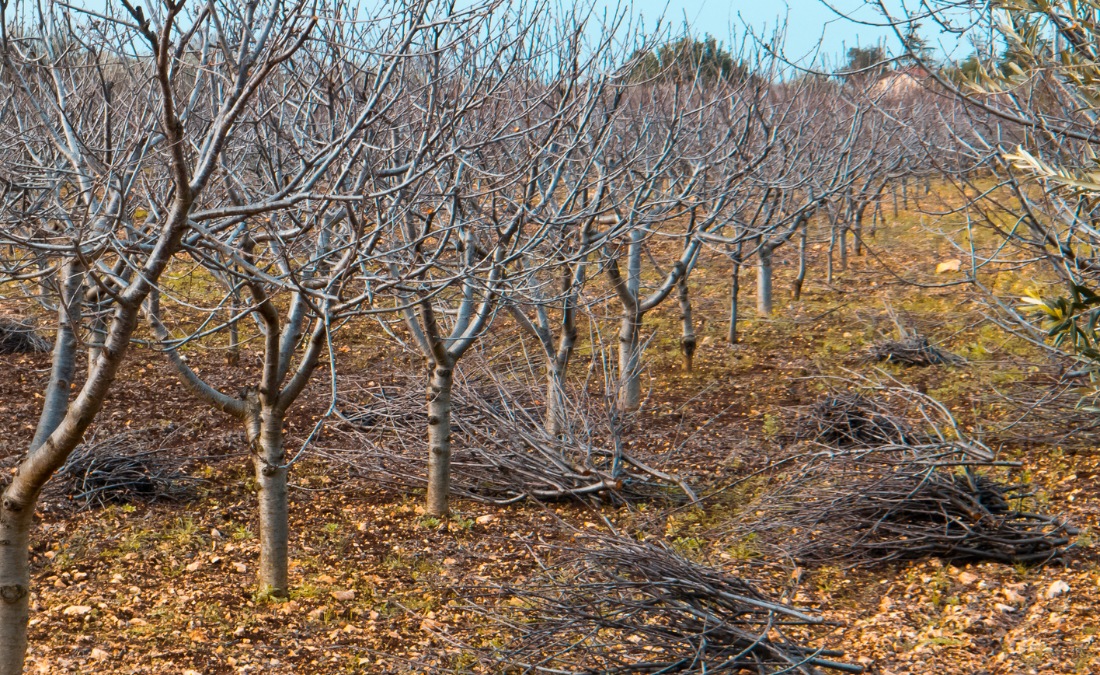
Structural pruning young trees in Missouri now costs a fraction of the emergency removal you'll pay for later. Don't wait for the ice storm to decide.
Structural pruning for young and newly planted trees is about setting them up for healthy growth from the start. Early on, trees are still developing their branch structure, and small issues, like competing leaders, uneven growth, or poor branch spacing, can shape how a tree responds to wind, weight, and weather years down the road.
Left alone, those early structural quirks don’t usually cause immediate problems. But as a tree matures and its canopy expands, they can lead to imbalances that increase stress during storms. Structural pruning helps guide growth early on, encouraging stronger branch attachments and more balanced development over time. For homeowners in Clay Woods, Shoal Creek Valley, or any KC Northland neighborhood who planted trees in the last few years, this dormant season is the time to act.
Key Takeaways
- Structural pruning in a tree’s first 5–10 years builds the strong scaffold that prevents storm failures decades later.
- Look for codominant stems, narrow V-crotches, and crossing branches — these problems only get worse with time.
- Late winter (January–February) is Missouri’s ideal pruning window for most species.
- Oaks require strict December–February timing to avoid spreading oak wilt.
- Early pruning is an investment: small cuts now mean you avoid expensive removals or cabling later.

What Is Structural Pruning?
Structural pruning is the selective removal of branches to develop a strong, stable framework — not for appearance, but to build architecture that will support the tree for decades.
Young trees are uniquely trainable because branches remain at the same height forever. That low branch you’re stepping around now? It won’t rise as the tree grows — it will stay exactly where it is while the trunk thickens around it. Think of it like addressing a small crack in your home’s foundation: fix it now with minimal effort or wait until the walls start shifting and the repair becomes a major project.
Many problems requiring expensive fixes in mature trees could have been prevented with early structural pruning, including:
- Cabling systems for weak branch unions
- Crown reduction to address imbalanced weight
- Complete removal after storm failure
How Early Pruning Prevents Storm Damage and Costly Repairs
Trees with good structure are better able to bend and move when ice, snow, or wind adds extra stress. Trees with weak branch attachments or poor early structure are more likely to crack, split, or lose major limbs when that stress builds up.
Kansas City-area ice storms expose this difference every year. The January 2025 winter storm brought down branches across the metro and left thousands without power — and many of those failures traced back to structural defects that developed years earlier. A well-structured tree bends, sheds ice, and bounces back. A tree with codominant stems or narrow crotches splits down the middle, dropping half its canopy onto your roof or driveway — and those preventable failures cost far more than early training ever would.
When Should You Start Structural Pruning a Young Tree?
Start structural training in year three, after the tree has established its root system. Here’s what the pruning schedule looks like over time:
- Years 1-2: Minimal pruning; remove only dead/broken branches while the tree builds its root system.
- Years 3-10: Annual structural training (10-15 minutes per tree) to guide form and prevent permanent problems.
- Year 10+: Shift to maintenance pruning every 2-3 years.
The key principle: make small cuts early rather than large cuts later. Yearly pruning during these establishment years helps trees develop structure that is both strong and aesthetically pleasing. Never remove more than one-third of a tree’s live crown in a single season.
When Is the Best Time to Prune Young Trees in Missouri?
The best time to prune young trees is late winter — specifically January through February — for most species.
During this period, trees are dormant but approaching the growth season, which means wounds seal quickly once spring arrives. Dormant-season pruning offers several advantages, such as:
- Clear visibility of branch structure without leaves
- Lower disease and pest pressure due to cold temperatures
- Reduced stress compared to pruning during active growth
PRO TIP: Don’t wait for the first warm day — prune oaks in January or early February when beetle activity is guaranteed to be zero.
Which Trees Need Different Pruning Timing?
While late winter works for many species, some trees have much narrower pruning windows and require stricter timing to reduce disease risk or protect seasonal blooms.
Oaks
Missouri’s oak wilt risk makes timing critical for certain species. Oaks should only be pruned December through February to avoid the beetles that spread this deadly fungal disease. These beetles are active from mid-March through mid-July and are attracted to fresh pruning wounds — improper timing can mean the difference between a healthy tree and a fatal infection.
Elms
Elms face a similar threat from Dutch elm disease, which is also spread by a different type of beetles attracted to fresh wounds. The safest pruning window for elms is October through March, when beetle activity is lowest.
Spring-Flowering Trees
Spring-flowering trees, like redbud and dogwood, are best pruned after they bloom if possible. However, structural corrections can still be made during dormancy, when necessary, as long-term tree health matters more than one season’s flowers.
What Structural Problems Should You Look for in Young Trees?
Codominant stems, narrow branch angles, and improper scaffold spacing are the most critical defects to identify — in that priority order.
These problems are much easier to address when trees are young, especially because some become unfixable in mature trees. Knowing what to look for helps you catch issues early and determine whether your tree needs professional attention.
Codominant Stems Are the Most Dangerous Defect
Two competing main trunks of similar size create the weakest possible structure — and this is the most common serious problem in young trees.
Correcting codominant stems requires selecting one dominant central leader and removing or subordinating the competing stem. This correction is especially important for species like oaks, maples, and sweetgums that naturally grow with a single main trunk. The longer you wait, the larger the cut — and the greater the risk of decay entering the wound.
Narrow V-Crotches Will Eventually Fail
Branches forming tight V-angles (less than 40 degrees from the trunk) develop included bark that weakens the attachment.
Scaffold branches should form an angle of at least 40 degrees with the main trunk. The shape of the union helps you identify problem areas: U-shaped unions are strong; V-shaped unions will eventually split under load. Look for bark ridge forming at the junction rather than bark being squeezed between trunk and branch.
Crossing Branches Create Entry Points for Disease
Branches that contact each other create wounds through constant rubbing, inviting disease and decay into the tree. The less desirable branch should be removed before the wound becomes significant.
Low Branches Won’t Grow Out of Your Way
Many homeowners assume low branches will naturally rise as the tree grows — they won’t.
Low branches will need to be removed eventually, and it’s easier when the branch is one inch in diameter than when it’s six. Gradual removal over multiple seasons — following the one-third rule — prevents stress to the tree.
Scaffold Branches Need Proper Vertical Spacing
Major scaffold branches shouldn’t be stacked close together — they need vertical separation to develop properly.
For a tree that will reach 60 feet at maturity, that means roughly 3 feet between primary scaffolds. Proper spacing prevents competition and ensures each major branch has room to develop without crowding.
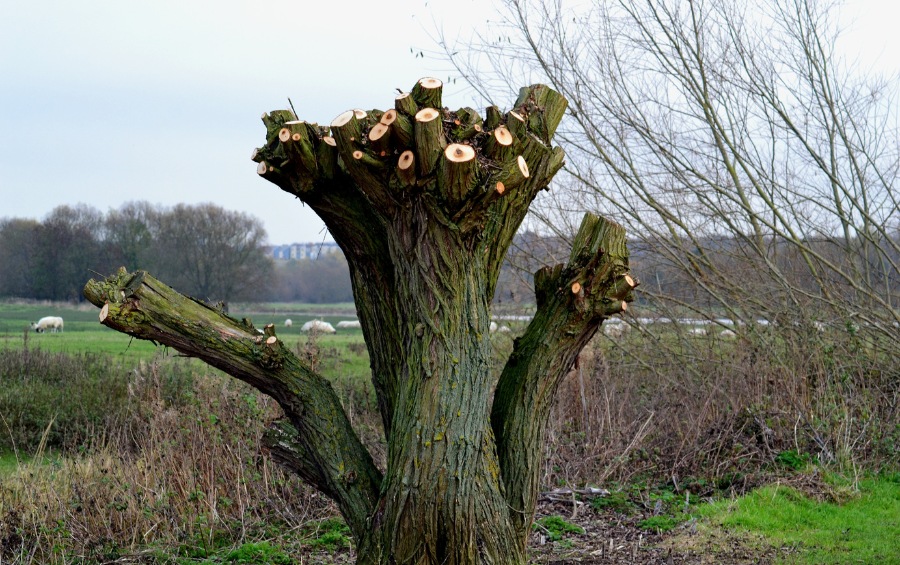
Topping removes the tree’s natural structure and triggers weak, fast-growing sprouts prone to failure — damage that takes years to correct.
Improper Pruning Can Cause Lasting Damage
Bad cuts are often worse than leaving the tree alone — which is why structural pruning is best left to trained professionals. Common mistakes include:
- Flush Cuts: Made too close to the trunk, these cuts remove the branch collar and prevent proper wound sealing.
- Stub Cuts: The reverse of a flush cut, a stub cut is made too far from the trunk and leaves dead wood that invites decay.
- Topping: This practice triggers the tree to produce weak sprouts prone to failure.
When Does Structural Pruning Require Professional Help?
Aside from species that require precise timing and techniques, there are several other circumstances that call for an ISA Certified Arborist:
- Significant Structural Problems Already Developed: Once issues progress beyond simple training, correction requires expertise to avoid making problems worse.
- Branches You Can’t Safely Reach from the Ground: Professional arborists have the training and equipment to work at tall heights safely.
- Uncertainty About Species Identification or Timing: A quick consultation can prevent expensive mistakes.
Professional guidance during a tree’s first decade is an investment that prevents thousands in damage repair or removal costs later. That’s why Arbor Masters’ pruning services include structural assessments for young trees throughout Liberty, Parkville, and the Kansas City Northland.
Frequently Asked Questions About Structural Pruning Young Trees
Should I use wound sealer after pruning?
For most species, you should not use wound sealer after pruning. That’s because wound sealers can trap moisture and promote decay. Trees seal their own wounds naturally when cuts are made properly. The exception is emergency pruning on oaks during spring or summer — if storm damage forces a cut during beetle season, the wound needs immediate treatment to prevent oak wilt. Call an arborist for guidance.
What if my tree was topped before I bought the property?
Topped trees develop weak, fast-growing sprouts prone to failure. A Certified Arborist can develop a restoration plan to gradually rebuild structure over multiple seasons, but recovery takes years.
Can I prune multiple trees on the same day?
Yes, you can prune multiple trees on the same day. But tool sanitation between trees is critical — especially if any tree shows signs of disease. This is one reason to consider professional help: arborists follow strict sanitation protocols to prevent spreading pathogens, like oak wilt or Dutch elm disease, from tree to tree.
How do I know if my young tree needs professional pruning?
If you notice codominant stems, tight V-crotches, or significant crossing branches, it’s worth scheduling an assessment. An arborist can evaluate whether the tree needs corrective pruning now or if it can wait — and ensure any cuts are made properly to avoid long-term damage.
Will pruning stunt my young tree’s growth?
Light structural pruning actually promotes healthier growth by directing the tree’s energy into the branches you want to keep. Removing competing leaders and crossing branches reduces wasted energy and helps the tree develop a stronger form faster.
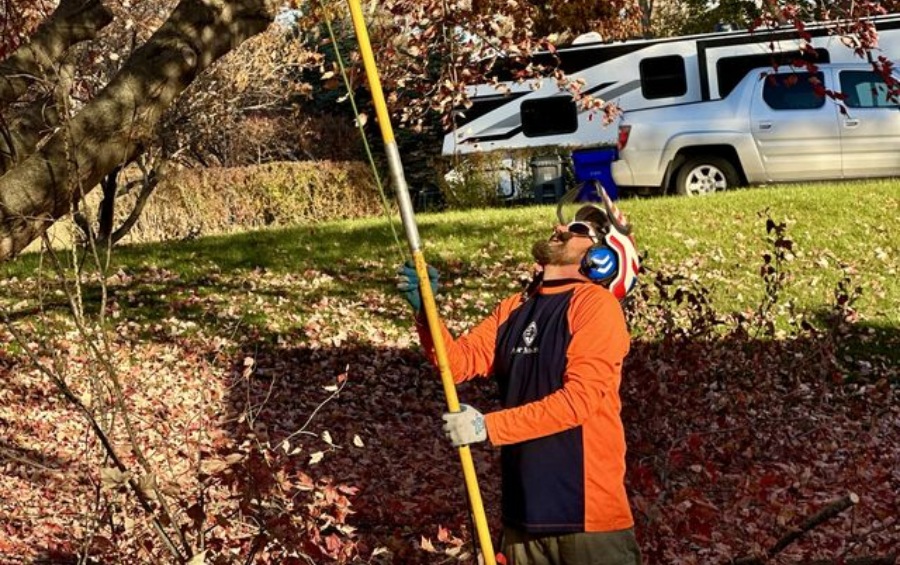
Protect Your Young Trees Before Small Problems Become Big Ones – Schedule Structural Pruning with Arbor Masters Today
Structural pruning during a tree’s first decade sets the foundation for a lifetime of strength and storm resilience. The small investment now in professional pruning now prevents the large investments that result from neglect, such as emergency removals, cabling systems, and property damage.
For Kansas City Northland homeowners with recently planted trees, this dormant season is the ideal time to evaluate young tree structure. Walk your property, look for double leaders, narrow crotches, or crossing branches, and note which trees need professional disease-prevention protocols. Then, give Arbor Masters’ ISA Certified Arborists a call at 816-781-8914 or request a free estimate online to get started today.
Learn More With These Related Articles

Want More Like This?
Get the latest local news, tree care tips, special offers, and company updates directly to your inbox! It's easy to subscribe and there's no spam - we promise.
"*" indicates required fields