The Texas Ash Tree in North Texas: What You Need to Know
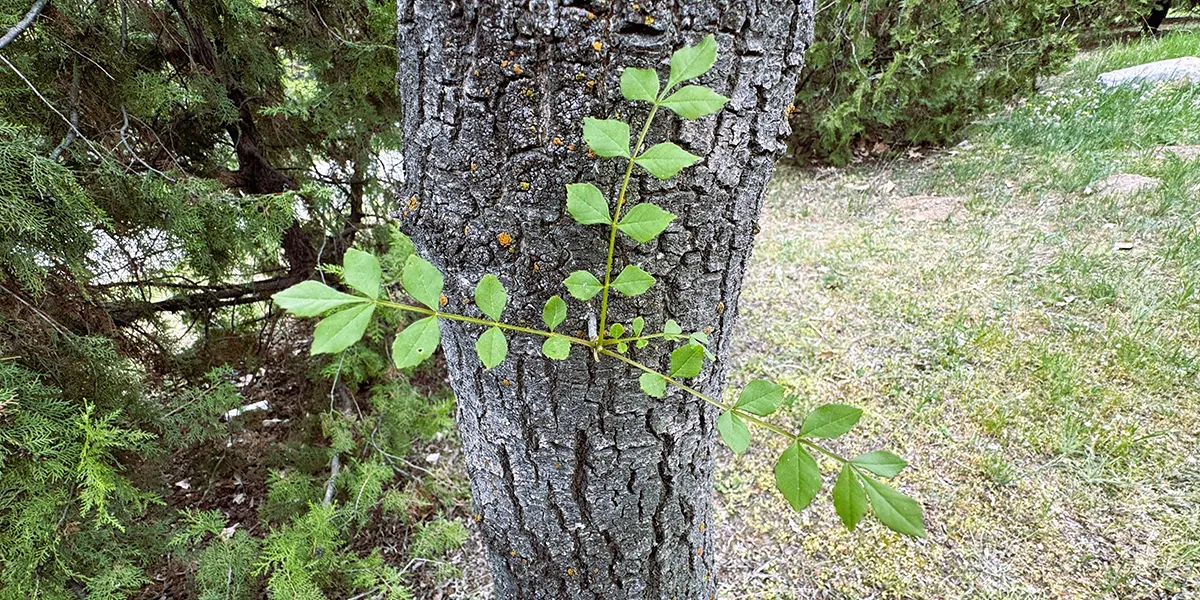
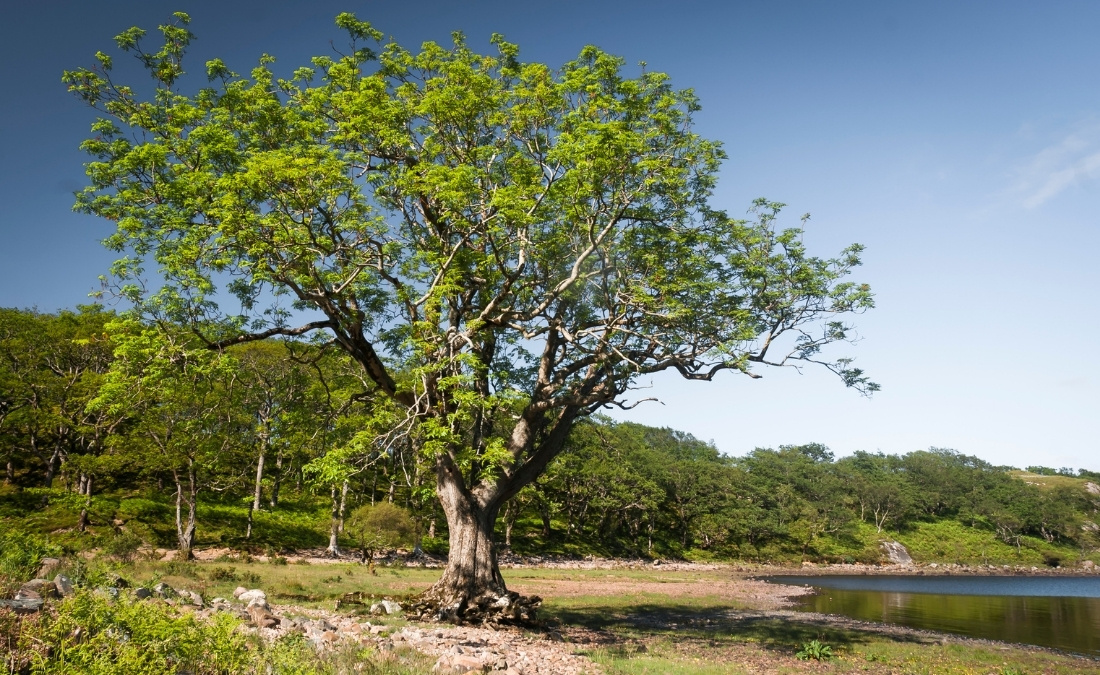
Nestled within the expansive landscapes of the Dallas-Fort Worth Metroplex, the Texas Ash tree stands tall and proud, its graceful branches providing shade and beauty to countless neighborhoods.
The Texas Ash tree is a beloved addition to landscapes across North Texas. Known for its attractive fall colors and strong resistance to drought, it’s a popular choice for tree enthusiasts and homeowners. However, like all trees, it faces its share of challenges. Pests, diseases, and environmental stressors can affect its health and longevity.
In this blog, we’ll explore the traits of the Texas Ash tree, common issues it faces, and practical tips for care. Keep reading to learn how to protect and nurture these stunning native trees!
Successfully Growing the Texas Ash Tree
The Texas Ash tree brings shade and beauty to properties but requires the right care. Below are seven essential tips to help your tree flourish:
1) Choose the Right Location
Planting in well-drained soil is crucial for a Texas Ash. Avoid areas that are prone to waterlogging, as excess moisture can lead to root rot. Select a sunny spot to give the tree the warmth it prefers.
2) Water Wisely
Young trees benefit from regular watering, especially during dry spells. Once mature, the Texas Ash develops a strong drought tolerance. Water deeply, but avoid overdoing it.
3) Fertilize Properly
Use a balanced, slow-release fertilizer to keep your tree healthy. Fertilizing in early spring ensures nutrients are available during the growing season.
4) Monitor for Pests
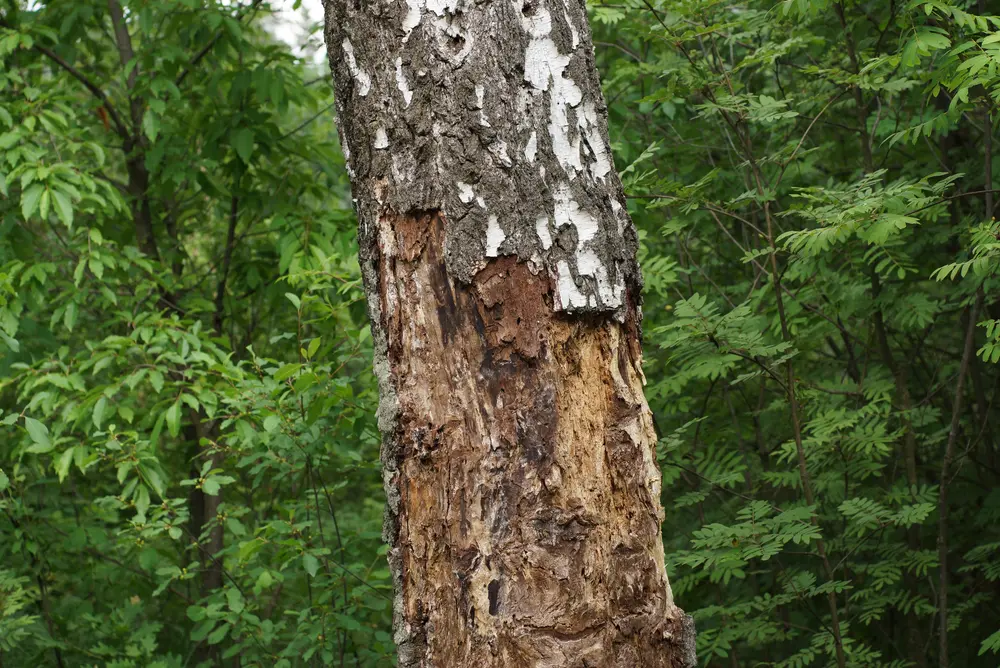
The Texas Ash is prone to pests like borers and aphids. Check your tree regularly for signs of damage, such as yellowing leaves or small holes in the bark.
5) Prune Strategically
Pruning promotes healthy growth and prevents the spread of disease. Remove dead or damaged branches, but always follow best practices to avoid over-pruning.
6) Watch for Diseases
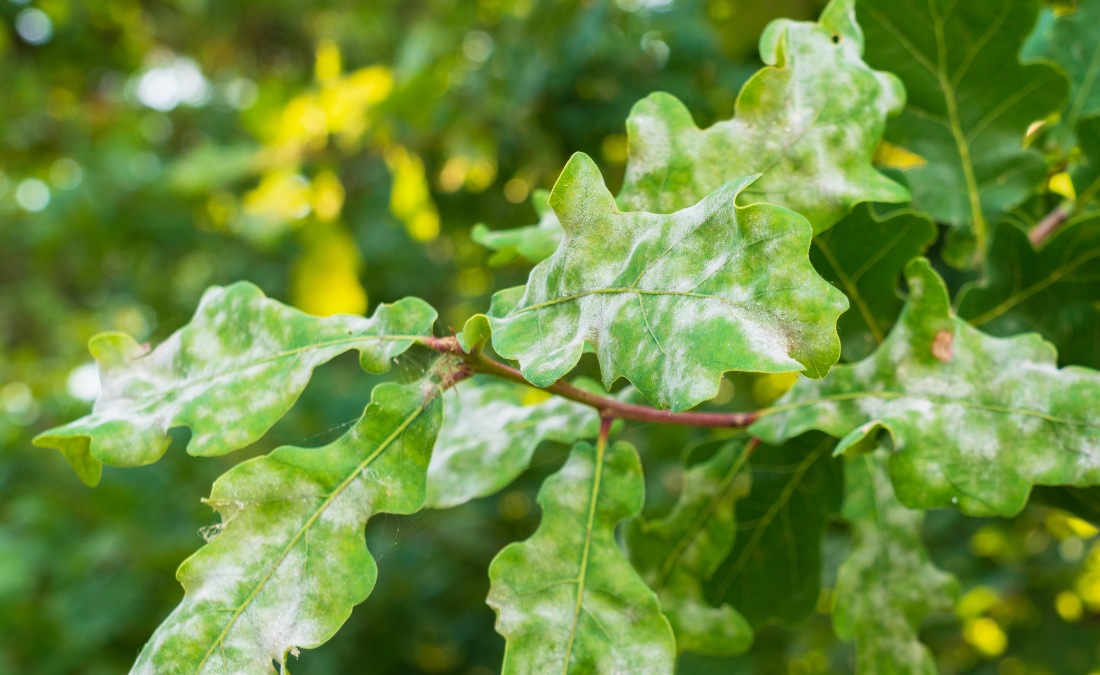
Look for signs of fungal infections, like leaf spots or wilting. Treat these issues promptly to prevent them from spreading.
7) Protect During Construction
If you’re making changes around your home, shield your tree’s root zone. Compacting the soil or damaging roots can severely impact its health.
Why Working with Professionals Matters
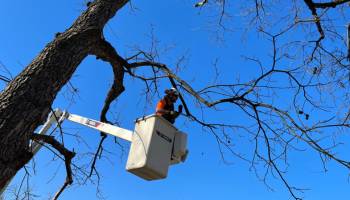
Caring for trees in North Texas is no easy task, especially when challenges like pests or diseases arise. Working with certified arborists ensures your Texas Ash tree gets the necessary care. Professionals can assess the tree’s condition, recommend tailored treatments, and extend its lifespan.
Their expertise saves you time and ensures better outcomes for your landscape. Whether it’s pruning, pest control, or overall maintenance, certified arborists are a valuable resource for healthy trees.
Trust TreeTech TX for Expert Tree Care
When it comes to nurturing your trees in North Texas, TreeTech TX stands out. With years of experience and a team of certified arborists, we offer customized solutions for every tree care need. From preventative care to emergency services, our goal is to protect and enhance the beauty of your landscape.
We know how much the Texas Ash tree can contribute to your home’s beauty, and we’re here to help you keep it thriving. Contact us today to schedule our tree care services!


Get the latest local news, tree care tips, special offers, and company updates directly to your inbox! It's easy to subscribe and there's no spam - we promise.
"*" indicates required fields