Why Invest in Tree Care Before Selling Your Des Moines Home?

Overgrown or neglected trees can raise red flags for buyers. Learn how pre-listing tree care helps Des Moines sellers stand out and protect home value.
When preparing to sell a home, most homeowners focus on obvious upgrades, like fresh paint, updated fixtures, and staging the interior. What often gets overlooked is the condition of the trees and landscaping outside. Overgrown branches, visible deadwood, and poorly maintained trees can quietly drag down curb appeal and signal neglect to potential buyers before they ever step inside.
With Des Moines home sales up 18% in early 2026 and inventory rising to more than 4,300 active listings, sellers are facing more competition – and buyers have more leverage. In a market like this, details that once might have been overlooked can influence how long a home sits or how strong an offer looks. Investing in professional tree care before listing your Des Moines home is a strategic move that helps your property stand out, reduces perceived risk for buyers, and protects your sale price in a more competitive market.
Key Takeaways
- Mature, well-maintained trees can increase Des Moines home values by 3-15% and help properties sell faster.
- Buyers notice dead branches, hazardous leans, and signs of neglect — and adjust their offers accordingly.
- Winter is the ideal time for pre-listing tree care in Iowa because dormant pruning is easier on trees and you’ll beat the spring rush.
- A professional tree inspection before listing can identify and address problems before they become buyer objections.
- Tree care completed before you list typically costs far less than the price reductions sellers face when buyers spot tree problems.
Can Tree Care Increase Your Des Moines Home Value?
Yes, professional tree care can have a measurable impact on your home’s value. Studies show that mature, well-maintained trees can increase property values by an average of about 7%, with premiums reaching 10–15% in higher-income neighborhoods. That added value doesn’t come from trees simply existing, but from how healthy, safe, and intentional they appear.
Real estate professionals agree. In fact, 97% of agents say curb appeal plays a key role in attracting buyers, and trees are one of the most visible signals of whether a property has been well cared for.
At Des Moines’ current median home price of roughly $285,000, even a conservative 5% value boost tied to strong curb appeal and well-maintained trees could translate to more than $14,000 in preserved or added value – often far outweighing the cost of pre-listing tree care.
Where Trees Matter Most in Des Moines
In some Des Moines neighborhoods, tree-lined streets aren’t just charming — they’re expected, including:
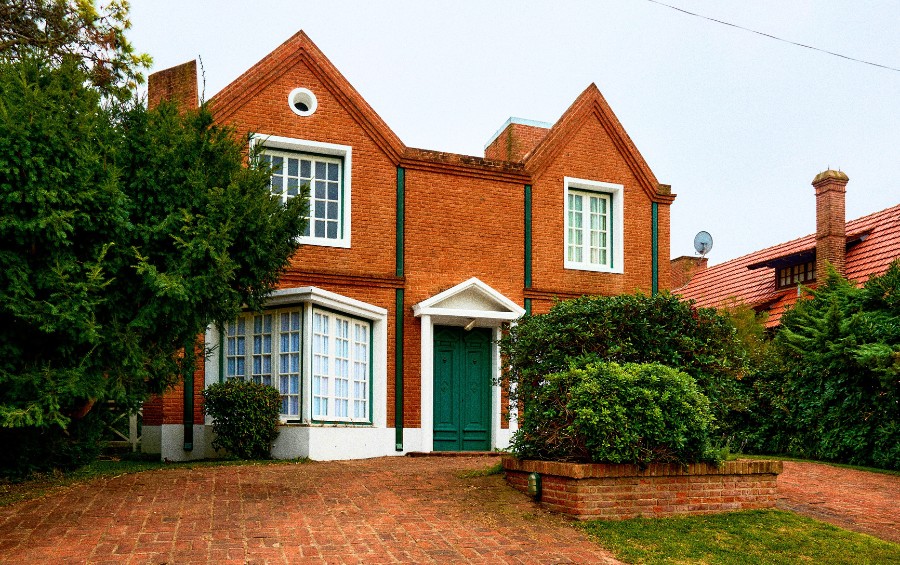
- Beaverdale: With its brick Tudors and median home prices around $296,000, listings regularly feature “quiet tree-lined street” because buyers specifically seek that aesthetic.
- Waterbury: Where median prices hover around $470,000, mature landscaping is table stakes for competing at that price point.
- West Des Moines and Ankeny: Leading price growth at 8.1% and 7.8% respectively, quality landscaping helps properties stand out in these competitive markets.
The flip side? Neglected trees are more noticeable when the standard is higher. That means a dying oak in West Des Moines raises more eyebrows than it might elsewhere, making professional tree pruning a smart investment before listing.
What Do Buyers and Appraisers Notice About Trees?
Trees are one of the first things people see when they pull up to a property — and first impressions happen fast. Nicely shaped, healthy trees signal a maintained property, suggesting the homeowner has invested in upkeep throughout. Overgrown or neglected trees create the opposite impression, hinting at deferred maintenance that could extend to the roof, HVAC, foundation, or other elements throughout the property.
Appraisers notice, too. Well-landscaped homes consistently appraise higher, and strategic tree placement for energy efficiency — shade in summer, wind protection in winter — is increasingly valued.
Here’s what both groups look for:
- Healthy canopy with good color
- Clean, well-defined branch structure
- Proper clearance from roof and structures
- No visible deadwood or hanging branches
- Absence of cankers or other decay signs
What Tree Problems Can Hurt Your Home Sale?
Several tree conditions raise immediate red flags for buyers — and each one costs you negotiating power:
- Dead or Dying Trees: Buyers immediately calculate removal costs and deduct them from their offers.
- Overgrown Trees Touching Structures: Raises concerns about roof damage, foundation issues, and utility line risks.
- Visible Storm Damage: Broken limbs, split trunks, and leaning trees signal liability and future emergency costs.
- Trees Too Close to Foundations: Buyers worry about root damage to foundations, driveways, and underground utilities.
- Signs of Disease or Pest Infestation: Sophisticated buyers in West Des Moines and Ankeny research emerald ash borer and other threats; they know what to look for.
Buyers rarely say it aloud, but they’re calculating repair costs, what else might be neglected, whether that leaning trunk is a safety risk, etc. — and they’ll factor it all into their offer. That’s why scheduling tree removal or the necessary maintenance tasks before listing eliminates these objections before they surface.
Is Tree Care Worth the Investment Before Selling Your Home?
Yes, tree care before selling your home is worth the investment — and the math works strongly in your favor. Professional pruning, hazard tree removal, and pre-listing inspections are modest investments relative to home sale prices. Many arborists even offer free or low-cost inspections when paired with service commitments.
The potential ROIs tell the story:
- Protected Asking Price: A 5% reduction on a $285,000 Des Moines home costs you $14,250 — far more than most tree work.
- Faster Sales: Homes with healthy, mature trees sell faster, reducing your carrying costs.
- Smoother Closings: Preventing post-inspection renegotiations means fewer surprises and delays.
Unlike cosmetic updates, healthy trees can’t be faked or staged. A fresh coat of paint might hide wall imperfections, but a dying ash tree is visible from the street.

Planning ahead? Schedule your pre-listing tree inspection 2-4 months before your listing date.
When Should You Schedule Tree Care Before Listing?
Schedule tree work 2-4 months before your listing date. Iowa’s spring selling season runs March through May, so January through February is the sweet spot for most Des Moines sellers. Fortunately, winter is also ideal for structural pruning; without leaves, tree architecture is fully visible, making it easier for arborists to identify problems and make precise cuts. Disease spread is also minimal during dormancy, and arborist schedules are typically more flexible than during the busy spring and summer seasons.
Here’s a practical timeline:
- 3-4 Months Before Listing: Schedule a professional tree inspection to identify issues.
- 2-3 Months Before Listing: Complete pruning, removal, or treatment work.
- 2-4 Weeks Before Listing: Final cleanup and stump grinding if needed.
- Week of Listing: Visual check to ensure no new debris.
EXPERT INSIGHT: Did you know that Des Moines homes currently average around 29 days on market? This means that every advantage counts — and spring greenery photographs beautifully, but only if your trees are properly shaped first.
Frequently Asked Questions About Tree Care Before Selling Your Home
Should I remove trees before selling my house?
You should only remove a tree before selling your house if the tree is dead, dying, or poses a clear hazard. Removing healthy mature trees often decreases property value, since a single one can add thousands to your home’s worth. A professional arborist can help you decide which trees to keep, prune, or remove.
Should I plant new trees before selling my Des Moines home?
Generally, no. Newly planted trees don’t add the same value as established ones — it takes 5-7 years for trees to mature enough to meaningfully impact property value. Focus your energy and budget on maintaining and showcasing the healthy trees you already have.
What happens if a home inspector flags tree problems?
When a home inspector identifies tree-related issues, such as branches overhanging the roof, root damage near the foundation, visible decay, or dead limbs, the findings are added to the inspection report as potential safety or structural concerns. From there, buyers typically have three options: request repairs, ask for a price reduction or credit, or walk away entirely.
Even if the tree issue isn’t immediately dangerous, it can raise doubts about future maintenance costs and liability. In competitive markets, buyers may use flagged tree problems as leverage during negotiations – or choose a comparable home without those red flags. Addressing tree issues before listing helps avoid last-minute concessions and keeps the sale moving forward.
What should I budget for tree work before selling?
Costs vary based on the number of trees, their size, condition, and required services. It’s important to note, however, that most homeowners spend a fraction of what they’d lose to a price reduction or post-inspection renegotiation. Contact a Certified Arborist for a free assessment and quote specific to your property.

Ready to Sell? Schedule a Tree Inspection Before You List Your Home
In Des Moines’ competitive seller’s market, curb appeal matters more than ever — and your trees are a major part of that critical first impression. A modest investment in professional tree care can protect or boost thousands in home value while eliminating potential objections before they arise.
With spring selling season approaching, now is the time to schedule a tree inspection. Arbor Masters’ ISA Certified Arborists can help Des Moines homeowners prepare their properties for sale with professional pruning, hazard assessments, tree health evaluations, and more.
Call 515-218-2025 to schedule your free consultation, or request an estimate online.
Learn More With These Related Articles



Want More Like This?
Get the latest local news, tree care tips, special offers, and company updates directly to your inbox! It's easy to subscribe and there's no spam - we promise.
"*" indicates required fields