When to Prune Trees in Cedar Rapids for Stronger, Healthier Growth
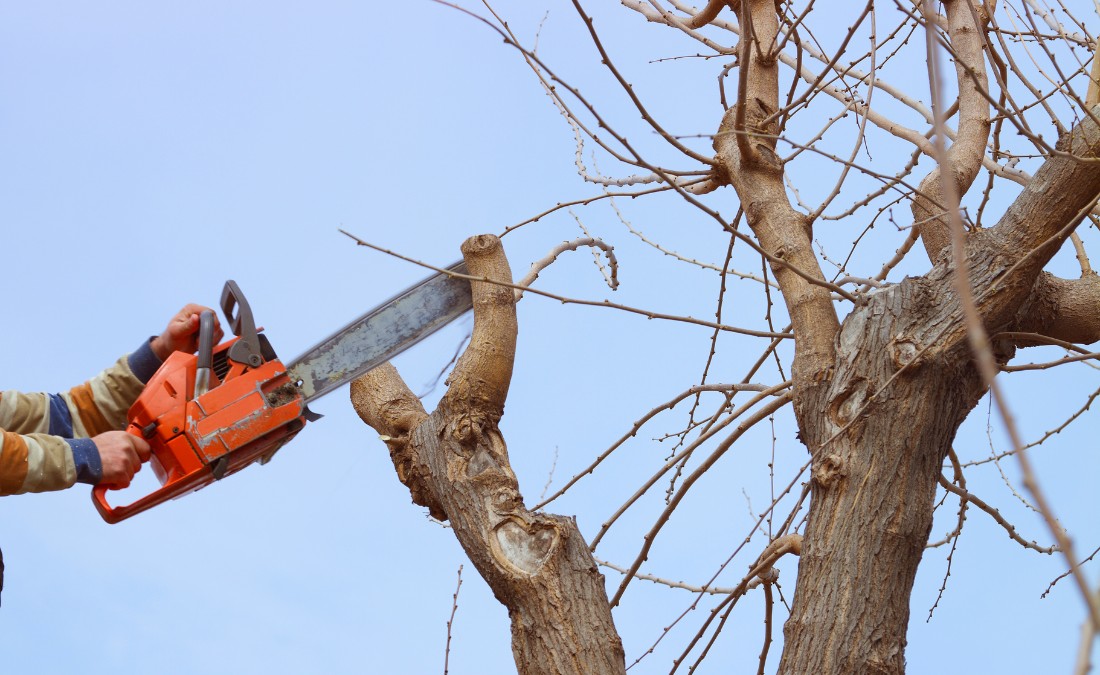
Not sure when to prune trees in Cedar Rapids? Pruning timing depends on the species. Learn the best times for oaks, elms, fruit trees, maples & spring bloomers.
Ten to twelve inches of snow in a single day. That’s what Cedar Rapids woke up to the morning after Thanksgiving 2025 – the most November snow the city has ever recorded. Some trees handled it fine. Others lost limbs, split at weak branch unions, or failed entirely.
The difference often comes down to maintenance and understanding when to prune trees in Cedar Rapids. Regular pruning removes deadwood, reduces weight on overextended limbs, and corrects structural weaknesses before a storm exploits them. Getting the timing right protects your investment and keeps your property safe year-round.
Key Takeaways
- Late winter (February–March) is the ideal pruning window for most deciduous trees in Cedar Rapids.
- Oaks and elms have strict seasonal restrictions to prevent deadly fungal diseases – prune only during dormancy.
- Spring-flowering trees, like magnolias, should wait until after they bloom to avoid losing this season’s flowers.
- Young trees need different pruning than mature trees – hold off on structural pruning until year two.
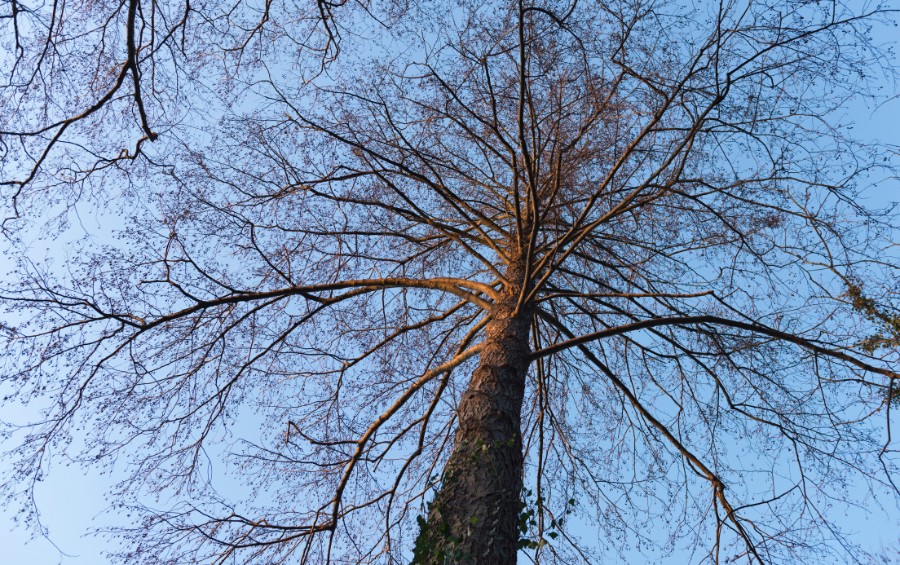
Without leaves blocking the view, winter is the ideal time to assess your tree’s branch structure and spot problems.
When Is the Best Time to Prune Trees in Cedar Rapids?
Late dormant season – February through March – is the ideal pruning window for most trees in Cedar Rapids, including:
- Maple varieties
- Honeylocust
- Kentucky coffeetree
- Oaks
- Elms
- Summer-flowering trees and shrubs
- Fruit trees
Are All Trees Safe to Prune in Winter?
For most species, winter is the best time to prune – but there are a few important exceptions.
Blooming habits, disease risks, age, and growth patterns all influence timing. Understanding those differences prevents unnecessary stress and avoids losing next season’s flowers or fruit.
Oaks and Elms
Prune oaks between October 15 and March 1; prune elms from November through February. These tight, ultra-specific windows protect against the beetles that spread deadly fungal diseases – they’re active during warm months and drawn to fresh pruning wounds.
For oaks, the threat is oak wilt, a fungus spread by nitidulid beetles (also called sap-feeding beetles) that clogs the tree’s water-conducting vessels and can kill certain species within weeks. Elms face a somewhat similar fungal infection called Dutch elm disease, spread by bark beetles, which causes rapid wilting, yellowing leaves, and death – often within a single season.
PRO TIP: When in doubt, wait until November – both oaks and elms are safe to prune then.
Fruit Trees
Late February through early April (before leaf-out) is the best window for fruit tree pruning in Iowa. Follow these more specific guidelines based on the fruit trees you have to prune:
- Prune Cold-Hardy Varieties First: Apples and pears can be pruned earlier in the window.
- Prune Less Hardy Varieties Last: Peaches and cherries should wait until closer to bud break.
- Avoid Fall Pruning: It can predispose fruit trees to winter injury.
Annual pruning is essential for both fruit quality and tree vigor.
Spring-Flowering Trees
Spring-flowering trees set their flower buds in fall, so winter pruning removes next year’s blooms. The timing depends on the species:
- Magnolias: Prune after flowering finishes, from mid-summer through early fall.
- Crabapples: More flexible; prune in late winter or wait until early summer after blooming.
- Redbuds, Flowering Cherries, Serviceberries: Prune right after flowers fade.
The general principle? If it blooms before June, prune after it flowers.
Young vs Mature Trees
Wait until year 3 to begin structural pruning on young trees. Saplings, including ReLeaf plantings and other recent additions, need time to establish their root systems first. During years one and two, only prune if there’s dead, damaged, or crossing branches that need immediate removal.
Maples and Birches
Yes; this is a common misconception that keeps homeowners from pruning at the right time. Maples and birches do bleed sap heavily when pruned in late winter, and it can look alarming. But the bleeding doesn’t actually harm the tree. The sap flow eventually stops on its own, and wounds heal normally.
What Are the Benefits of Winter Pruning?
Several advantages make winter the most effective time for pruning:
- Less Stress on the Tree: Pruning during dormancy minimizes stress because trees aren’t actively growing.
- Better Visibility: Without leaves, you can see the branch structure clearly to make better pruning decisions.
- Faster Healing: Wounds begin compartmentalizing quickly once spring growth starts, so late-winter cuts heal faster.
- Lower Pest and Disease Pressure: Insects that spread diseases like oak wilt aren’t active yet.
If you’re uncertain about what your trees need, a Certified Arborist can help with professional pruning recommendations tailored to your specific situation.
When Should You Avoid Pruning Trees in Cedar Rapids?
Some timing windows create more problems than they solve – here’s when to put down the pruning tools and wait:
- Active Leaf-Out (April-May): Bark tears easily during this period, and energy reserves are depleted as trees push out new growth. Pruning now stresses trees at their most vulnerable time.
- Late Summer-Early Fall (August-September): Pruning stimulates tender new growth that won’t harden before frost arrives, leading to winter dieback and additional damage.
- Oak Wilt Risk Period (April 1-October 15): Sap-feeding beetles are active during warm months and attracted to fresh wounds. These beetles spread oak wilt fungus, which can kill a mature oak within weeks.
- Extreme Cold Snaps: Frozen wood becomes brittle, creating ragged cuts instead of clean wounds. This also poses safety hazards.
What Happens If You Prune at the Wrong Time?
Poorly timed pruning can cause lasting damage – or kill your tree outright. Here are some of the main risks:
- Disease Exposure: Poorly timed cuts on oaks or elms can kill trees that took 50+ years to grow.
- Winter Damage: Pruning stress before Iowa winters can weaken trees just when they need energy reserves most.
- Lost Blooms: Spring bloomers pruned in winter lose an entire season of flowers.
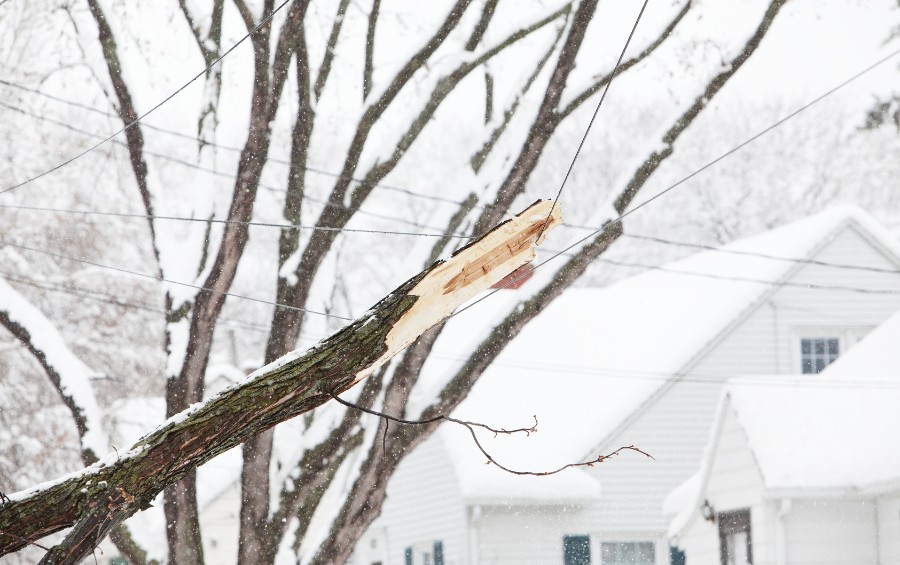
Can I Prune Broken Branches Any Time of Year?
Yes; safety always comes first. Hazardous hanging or broken branches should be removed immediately, regardless of season. However, storm damage on large trees or branches (especially those near power lines) requires professional equipment and training.
Beyond the safety risks, storm damage creates another concern: disease exposure. For oaks damaged during the growing season (April 1-October 15), a Certified Arborist will seal fresh wounds immediately with acrylic paint to prevent oak wilt infection. Non-emergency cleanup cuts, however, can wait until the safe pruning window. Contact a professional to assess what needs immediate attention versus what can wait for winter.
When Should You Call a Professional Arborist?
Handling small branches you can reach from the ground is generally safe for DIY pruning. But some situations call for professional expertise:
- Large Branches: Anything larger than 3–4 inches in diameter.
- Height or Access Issues: Work requiring a ladder or climbing into the tree.
- Power Line Proximity: Trees near electrical lines require specialized training.
- Disease Concerns: Uncertainty about oak wilt or Dutch elm disease risk.
- Structural Damage: Trees showing damage from storms.
- Deferred Maintenance: Mature trees that haven’t been pruned in 7+ years.
Frequently Asked Questions About Pruning Trees in Cedar Rapids
How often should I have my trees pruned in Cedar Rapids?
Most mature trees benefit from professional pruning every 5-7 years. Young trees may need light structural pruning every 2-3 years as they develop. Trees recovering from storm damage may need more frequent attention spread across multiple seasons.
Will pruning damage my tree?
When done correctly, no – pruning actually benefits tree health by removing dead wood, improving airflow, and directing energy to healthy branches. The key is proper timing, clean cuts, and not removing
more than 25-30% of the canopy in a single season. Improper cuts or excessive removal can stress trees and invite disease.
How do I know if my tree needs pruning?
Look for:
- Dead or dying branches
- Limbs that cross and rub against each other
- Branches growing toward the center of the tree
- Low-hanging limbs that block walkways or sight lines
Other signs include dense canopy that blocks airflow, storm damage, and branches growing into structures or power lines.
Can pruning save a dying tree?
It depends on the cause of decline. Pruning can remove diseased branches before infection spreads to the rest of the tree, and it can help stressed trees by reducing the canopy they need to support. However, pruning can’t fix root problems, severe trunk decay, or trees that have lost most of their canopy. A Certified Arborist can assess whether pruning will help or if removal is the better option.
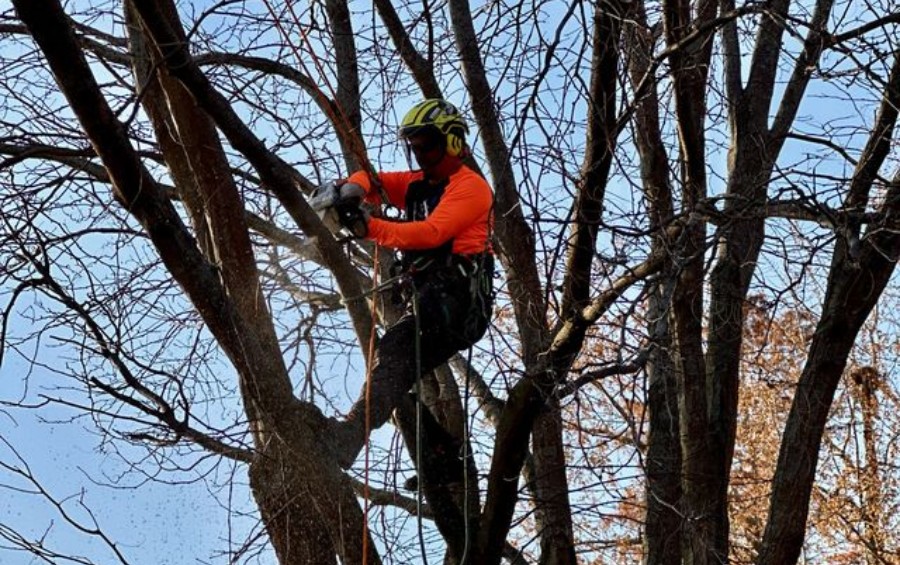
Schedule Your Cedar Rapids Tree Pruning Consultation with Arbor Masters
Timing your pruning right protects Cedar Rapids’ recovering tree canopy – and the mature trees on your property that are worth protecting. With record snow already behind us and more Iowa winter ahead, now’s the time to plan your pruning schedule.
Ready to get started? Call Arbor Masters at 319-359-6135 or schedule your free consultation online.


Get the latest local news, tree care tips, special offers, and company updates directly to your inbox! It's easy to subscribe and there's no spam - we promise.
"*" indicates required fields