How Professional Late-Winter Tree Care Boosts Your Wichita Home’s Value
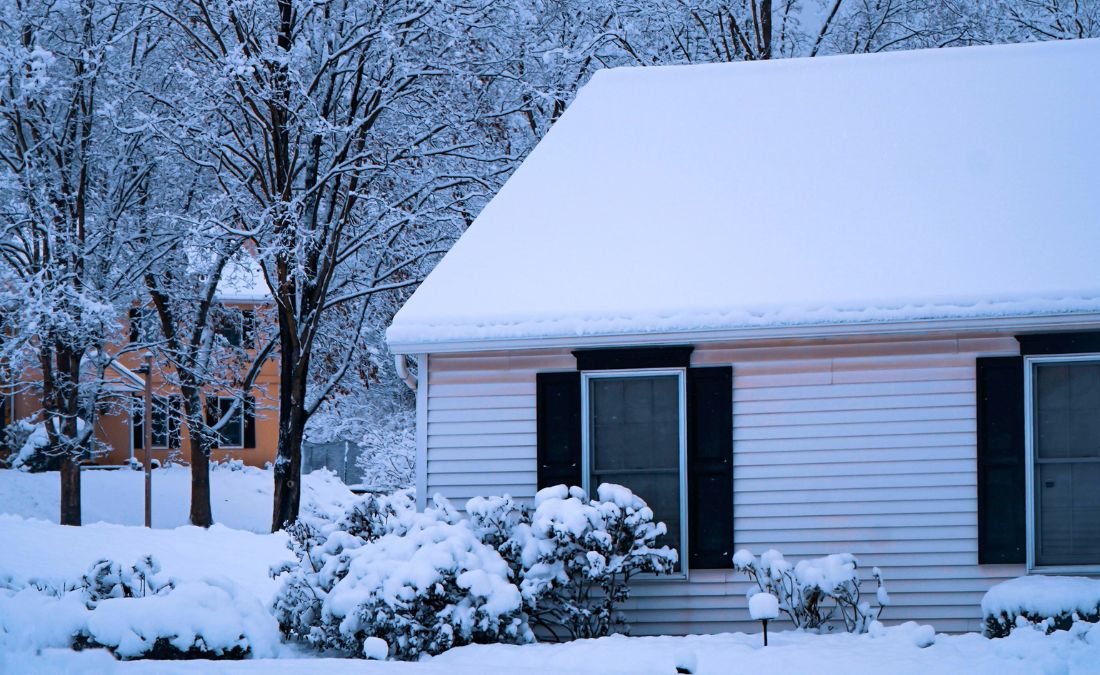
Wichita homeowners can significantly boost property values through strategic winter tree care. Late winter offers the ideal window for professional pruning that prevents disease, improves structure, and enhances curb appeal for maximum return on investment.
With Sedgwick County property valuation notices going out next month – and an average 9% increase in property values in 2025 – many Wichita homeowners are taking a closer look at their property. Properly maintained trees play a role in long-term value and curb appeal, with mature trees contributing an estimated 7–20% to a home’s market value when they’re properly cared for.
Late winter is the ideal time for professional tree care in Kansas. During dormancy, Certified Arborists can address structural issues, reduce disease risk, and improve tree health without disrupting spring growth. Addressing tree care now helps preserve mature trees and avoid the kind of decline that can diminish property value over time.
Key Takeaways
- Late winter (December-March) offers optimal pruning conditions in Kansas, maximizing wound healing while diseases remain dormant.
- Preventive winter care protects against costly emergency removals that can damage property values and create liability risks.
- ISA Certified Arborists provide specialized services that regular tree companies cannot match, ensuring proper tree investment protection.
- Professional winter tree care can add 7-20% to your Wichita home’s market value through improved curb appeal and tree health.
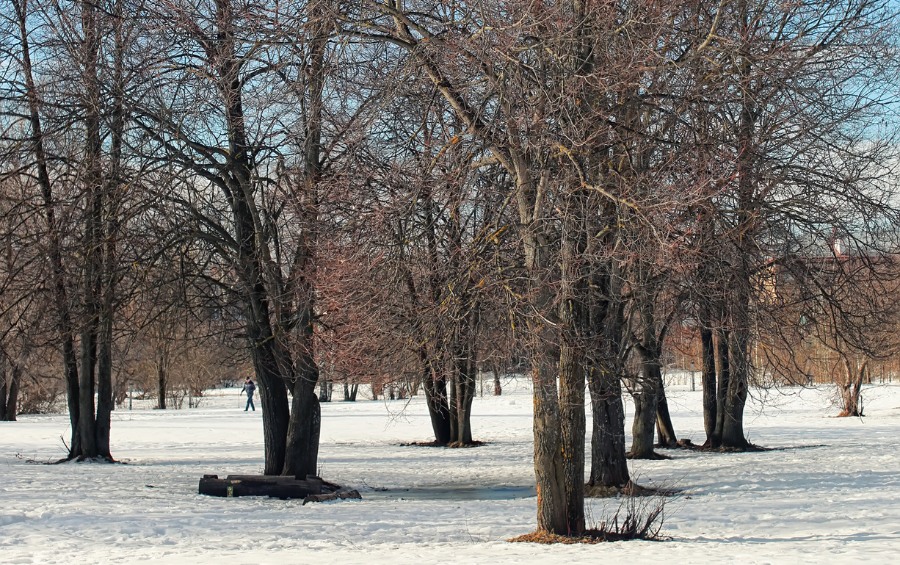
Late winter provides the ideal window for tree assessment and pruning when dormant trees reveal their structural condition without leaf cover.
Why Is Late Winter the Best Time for Tree Care in Wichita?
Late winter offers the ideal window for most tree care in Wichita, as the dormant trees and cold conditions make work easier and more beneficial for trees.
“I’ve seen too many homeowners lose valuable trees because they waited until spring, when diseases are active. Winter pruning is about giving your trees the best chance to thrive and protect your property investment.” – Seth Blank, Arbor Advisor at Arbor Masters
Trees Heal and Respond Better During Dormancy
Dormant season benefits extend from December through March most years, when trees have stored their energy reserves in root systems rather than supporting active growth. During this period, pruning wounds heal more efficiently because the tree redirects stored energy toward wound closure rather than producing new foliage or flowers.
Frozen Ground Reduces Lawn and Landscape Damage
The frozen ground also allows heavy equipment access without damaging lawns or landscaping. Though professional tree services always take care not to damage your lawn, it’s much easier during a dry winter day.
Clear Structure Makes Pruning More Accurate
The clear view of tree structure without leaf cover reveals problems that remain hidden during growing seasons. Arborists can identify weak branch attachments, crossing limbs, and structural defects that compromise tree stability during Kansas storms.
Winter Timing Reduces the Risk of Tree Disease
Several serious tree diseases spread more easily when pruning is done during the growing season, which is why winter timing plays such an important role in disease prevention.
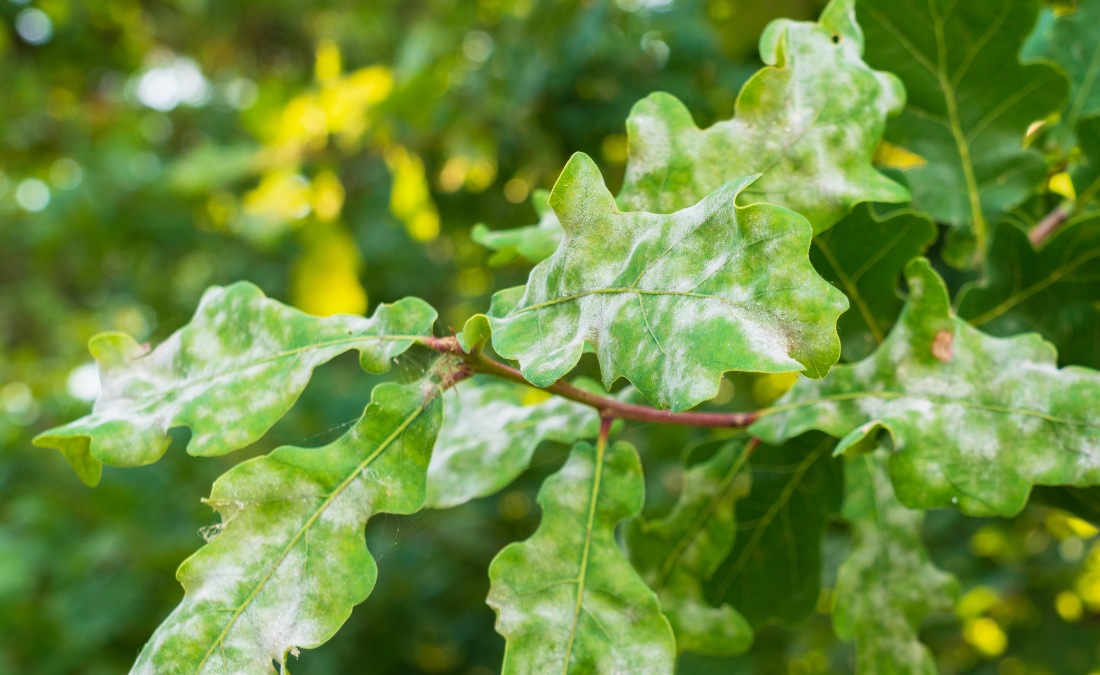
Oak wilt is one of the most concerning examples. The fungal pathogen that causes oak wilt spreads through beetle activity, with insects attracted to fresh pruning wounds. From November through March, those beetles are inactive, which significantly reduces the risk of transmission. Winter pruning eliminates this pathway, helping protect valuable oak trees common throughout Wichita landscapes.
PRO TIP: There is no confirmed oak wilt presence in Wichita yet, but it has been identified elsewhere in Kansas. Pruning oaks during winter helps protect them before the disease reaches Sedgwick County.
Winter tree pruning also limits exposure to other diseases, including Dutch elm disease and fire blight, which are more likely to spread when insects and bacteria are active.
What Winter Reveals About Tree Problems in Wichita
Winter assessments make it easier to spot problems that are hidden by leaves, growth, and seasonal stress during other times of year. If left untreated, these problems can create safety risks and reduce property values when spring growth begins. Professional evaluation during dormancy identifies issues requiring immediate attention before the growing season.
Structural Issues and Damage
Professional winter assessments typically reveal several critical issues that compromise tree health and property safety, including:
- Dead or dying branches that create liability risks during 60+ mph wind events
- Narrow branch crotches that are prone to storm failure
- Co-dominant stems that compete for dominance and result in weak branch unions
- Crossing or rubbing branches that create entry points for decay
- Branches entangled in power lines
Signs of Decline Caused by Long-Term Stress
Winter evaluations also make it easier to spot signs of decline caused by stress that builds over time. Without leaves masking symptoms, arborists can identify trees struggling due to:
- Root damage from construction, soil compaction, or grade changes
- Chronic drought stress from past growing seasons
- Poor soil conditions that limit nutrient and water uptake
- Repeated storm damage that weakens structure over time
Which Winter Tree Care Services Provide the Best Results?
Strategic winter tree care focuses on structural improvements, risk reduction, and health treatments that prepare trees for optimal spring growth and long-term property value enhancement. Professional services address specific tree needs rather than generic maintenance approaches.
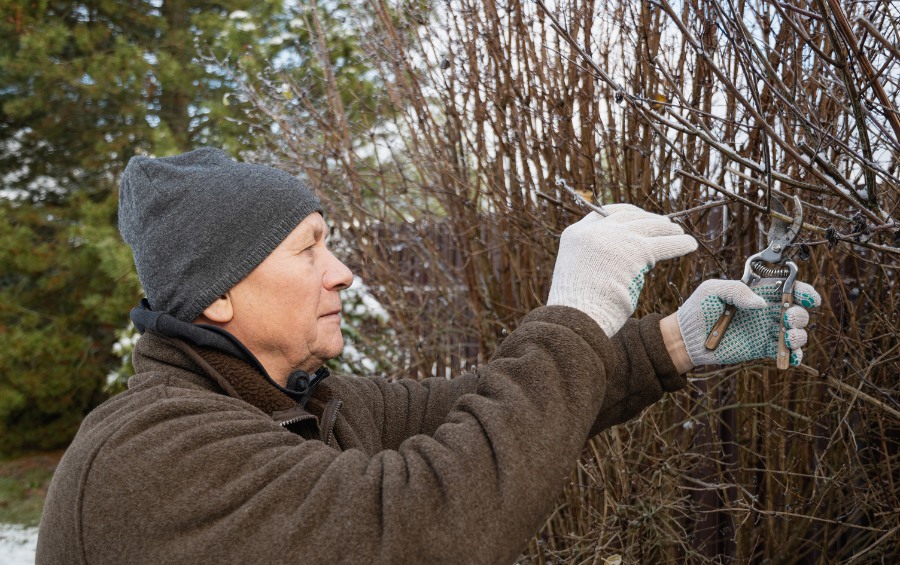
No need for you to go out in the cold! DIY winter pruning without proper training often results in bad cuts, disease entry points, and weakened branch structure — mistakes that can cost far more to fix than hiring a Certified Arborist from the start.
Professional Winter Pruning
Professional winter pruning services include:
- Crown cleaning to remove deadwood and improve light penetration
- Crown thinning for wind resistance and storm protection
- Crown raising to eliminate clearance conflicts
- Structural pruning to correct growth problems early
These services maintain the tree’s natural shape and beauty while reducing weight on major limbs and preventing costly corrective work or removal needs later.
Tree Risk Assessment
Tree care companies use standardized evaluation methods for identifying tree hazards before they cause property damage. Professional assessment reveals internal decay that may not be visible externally, helping homeowners make informed decisions about tree retention or removal.
Professional documentation for insurance purposes protects homeowners when trees cause property damage, providing evidence of responsible tree care practices. Proactive identification prevents emergency situations that often result in higher costs and property damage.
Preventive Treatments and Soil Health Improvements
Winter is an effective time to address pest pressure and soil conditions that affect tree health during the growing season. Preventive services may include:
- Dormant oil applications to control overwintering pests such as scale insects and aphids
- Soil testing and analysis to identify nutrient deficiencies and guide targeted fertilization
- Preventive disease treatments applied at optimal timing to provide season-long protection against common fungal infections
You may also want to work with an arborist to improve your soil. Root zone improvements before spring growth include:
- Soil aeration to reduce compaction and improve oxygen flow
- Organic matter incorporation to support beneficial soil biology
- Drainage improvements that promote healthy root development and reduce stress
How Do Healthy Trees Increase Your Wichita Home’s Market Value?
Research from the Arbor Day Foundation shows that mature, well-maintained trees can contribute 7-20% to a home’s market value.
That value depends heavily on tree condition – healthy trees add appeal and function, while declining or hazardous trees can quickly become liabilities.
Tree Condition Matters More Than Tree Presence
Tree value isn’t based on size alone. Professional appraisal standards consider species, structure, health, and placement when determining a tree’s contribution to a property. Well-maintained trees enhance a home’s appearance and usability, while neglected trees may detract from value due to safety concerns, removal costs, or visible decline.
Healthy Trees Provide Ongoing Financial Benefits
Beyond resale considerations, healthy trees offer practical, long-term benefits for homeowners, including:
- Reduced cooling costs through summer shade
- Lower heating costs from windbreak protection
- Less strain on HVAC systems, extending equipment life
- Improved stormwater absorption that reduces runoff issues
These benefits add up over time, reinforcing why proactive tree care is part of protecting a property – not just improving how it looks.
Frequently Asked Questions Winter Tree Care
Is winter tree pruning really better than spring or summer pruning?
Yes, winter pruning offers significant advantages in Wichita’s climate. Dormant trees redirect stored energy toward wound healing rather than new growth, while diseases are not a factor, making this the only safe time to prune oak species. You can perform pruning in other seasons, but winter is often best for most applications.
How do I know if my trees need professional attention before spring?
Schedule a professional assessment if you notice dead branches, cracks in major limbs, fungal growth, ice storm damage, or signs of pest activity. Trees leaning toward structures, those with narrow branch crotches, or specimens that haven’t been pruned in 3-5 years typically benefit from winter care.
Can winter tree care really prevent storm damage to my property?
Proper winter pruning significantly reduces storm damage risk by removing weak branches, reducing wind resistance, and improving overall tree structure. While no tree is completely storm-proof, professionally maintained trees are less likely to fail during severe weather events common in Kansas.
What’s the difference between an ISA Certified Arborist and a regular tree service?
ISA Certified Arborists complete extensive education, pass comprehensive exams, and maintain continuing education requirements. They understand tree biology, proper pruning techniques, disease identification, and how tree care affects property values, while regular tree services may focus on removal and basic pruning without scientific knowledge.
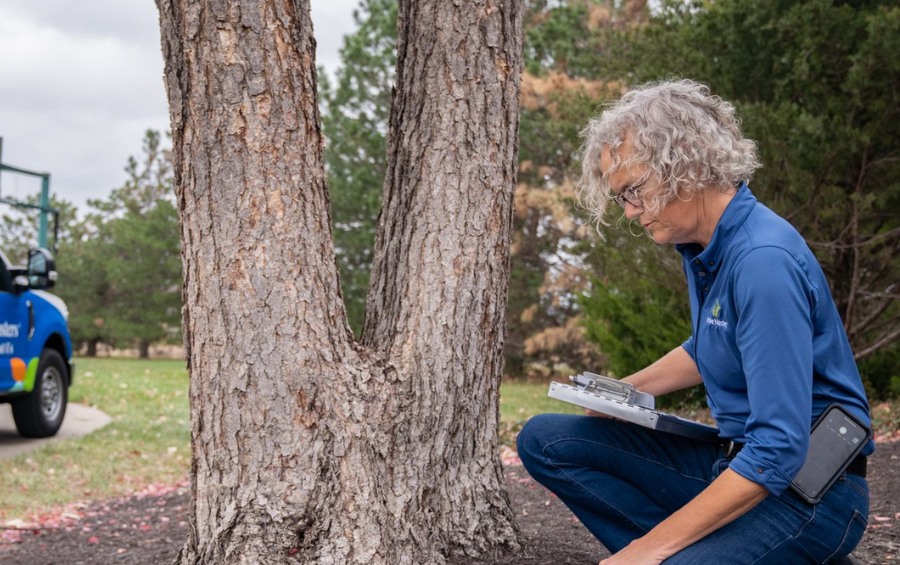
Professional tree risk assessments by ISA Certified Arborists identify potential hazards before they become costly property damage risks.
Schedule Your Winter Tree Assessment with Arbor Masters Today
Don’t let another growing season pass with tree problems that could affect your property value and safety. Late winter’s optimal pruning window won’t last long, and addressing tree care now protects your investment before spring growth begins.
Arbor Masters’ ISA Certified Arborists have been serving Wichita homeowners for over 60 years, combining three generations of local expertise with modern tree care science. Call us today at 316-838-3111 or request a quote online for help with your trees this winter.


Want More Like This?
Get the latest local news, tree care tips, special offers, and company updates directly to your inbox! It's easy to subscribe and there's no spam - we promise.
"*" indicates required fields