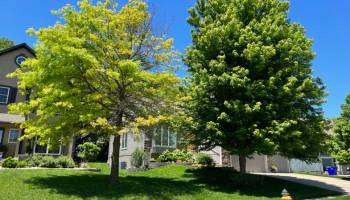
A Guide to Identifying and Caring for Texas Cedar Trees
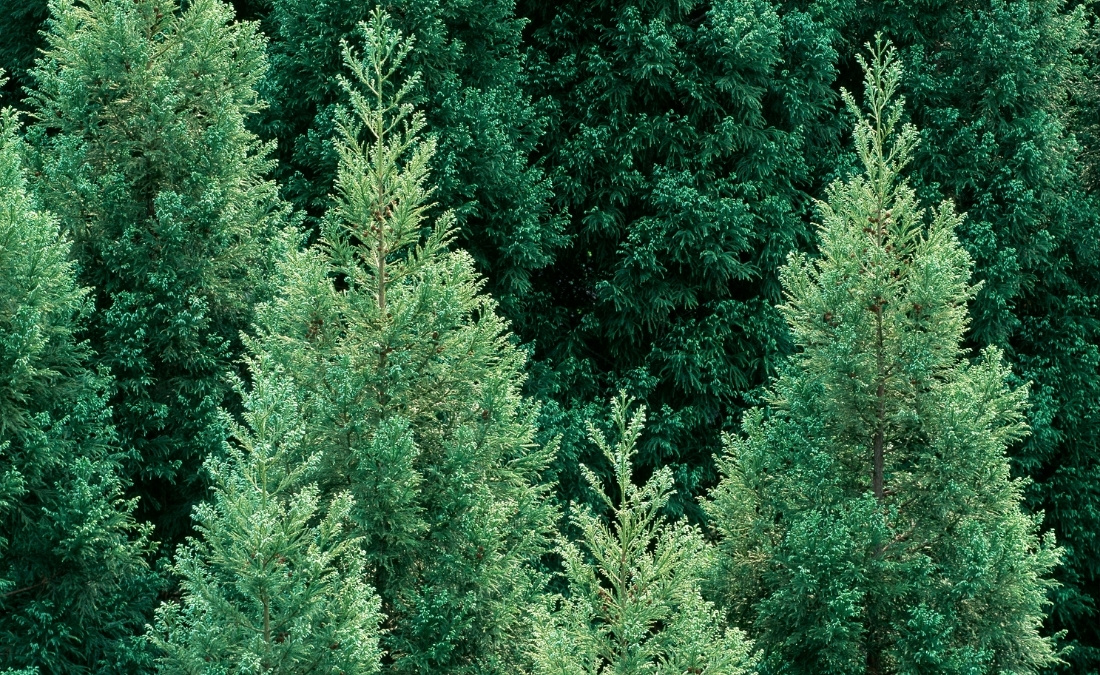
Not all cedars are true cedars. Get a clear guide to identifying cedar trees in Texas, including native species, look-alikes & basic care tips for homeowners.
If you’ve been wondering about the yellowish clouds drifting across Fort Worth recently, you’re witnessing “cedar fever season” in full swing. Mountain cedar trees are releasing massive amounts of pollen triggered by recent cold fronts. Texas is home to several “cedar” species, but only some are truly native. Getting familiar with what’s growing on your property helps you know what to expect – and what to do about it.
Key Takeaways
- Most Texas “cedar trees” are actually native juniper species, not true cedars, which affects their care requirements and growth characteristics.
- Fort Worth area features four main cedar types: Ashe juniper, eastern redcedar, redberry juniper, and deodar cedar (the only true cedar).
- Each species has distinct identification features, including bark texture, berry color, growth form, and foliage characteristics.
- Proper species identification helps determine watering, pruning, and maintenance needs specific to your trees.
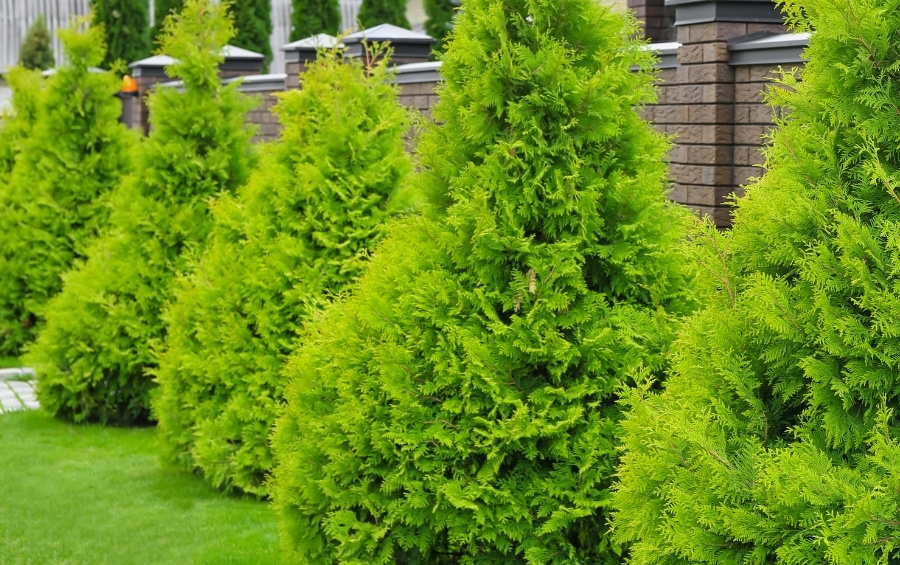
Strategic cedar placement provides year-round privacy and wind protection for Fort Worth homeowners while supporting local wildlife.
Are Texas Cedar Trees Actually Cedars?
Before diving into species identification, it’s important to clear up a common misconception about what Dallas and Fort Worth homeowners are actually growing in their yards.
Most Texas “cedar trees” are actually juniper species (Juniperus spp.), not true cedars. True cedars are Mediterranean and Himalayan species that aren’t native to our region. Early settlers used familiar names from back east, creating confusion that persists today. However, some true cedars, like deodar cedar, are successfully planted in North Texas landscapes.
This botanical distinction matters more than you might think. Junipers have different water requirements, growth patterns, and pruning responses compared to true cedars. Understanding this helps you avoid harming your tree with improper care.
“Most homeowners have no idea there’s a difference between true cedars and junipers – they just call them all ‘cedar trees.’ However, arborists can properly identify what species you have and create care plans that match their specific needs. You wouldn’t water a cactus the same way you water a fern, and the same principle applies to these trees.” – Getth Nelson, Arbor Masters ISA Certified Arborist
What Types of Cedar Trees Grow in Texas?
Dallas and Fort Worth’s unique location allows four different cedar species to thrive here, including both native junipers and planted true cedars, each with distinct characteristics that help with identification and care planning.
1. Ashe Juniper (Juniperus ashei)
Ashe juniper is the most common “cedar” in Central Texas and the primary culprit behind cedar fever season. This native species displays distinctive reddish-brown bark that exfoliates in long, fibrous strips, creating a shredded appearance. The scale-like foliage grows in dense sprays with a blue-green color, and female trees produce small, blue berry-like cones in fall.
This species dominates the Fort Worth area’s limestone hills and provides critical habitat for the endangered Golden-cheeked Warbler. Ashe juniper thrives in poor, rocky soils where other trees struggle, making it extremely valuable for erosion control. During winter months, male trees release massive amounts of pollen, creating the familiar yellow clouds that trigger cedar fever symptoms.
2. Eastern Redcedar (Juniperus virginiana)
Eastern redcedar displays distinctive reddish-brown bark that peels off in long, fibrous strips, creating an unmistakable shaggy appearance. The scale-like foliage ranges from bright green to blue-green, often taking on bronze or purple tints in winter. This species grows in a classic Christmas tree shape when young, developing into a broader, irregular crown with age.
The eastern redcedar is highly adaptable and thrives throughout eastern Texas, particularly in moister locations. It produces small blue berries that provide excellent wildlife food, making it valuable for both landscaping and ecological benefits in North Texas gardens. Unlike Ashe juniper, this species tolerates a wider range of soil conditions and moisture levels.
PRO TIP: For detailed information about eastern red cedar identification, care, and benefits, visit our comprehensive Eastern Red Cedar Tree Guide.
3. Redberry Juniper (Juniperus pinchotii)
Redberry juniper is easily identified by its distinctive bright red berries that appear in fall and winter. The fresh, aromatic needle-like foliage grows in an upright, pyramidal shape with complementary reddish-brown bark. Once established, this species demonstrates exceptional drought tolerance and thrives in challenging conditions.
The redberry juniper appears throughout the western Fort Worth area, especially in drier locations where other trees struggle. The red berries not only help with identification but also provide winter food for local wildlife, making these trees valuable for both landscaping and ecological benefits. It handles extreme heat and drought better than most other juniper species.
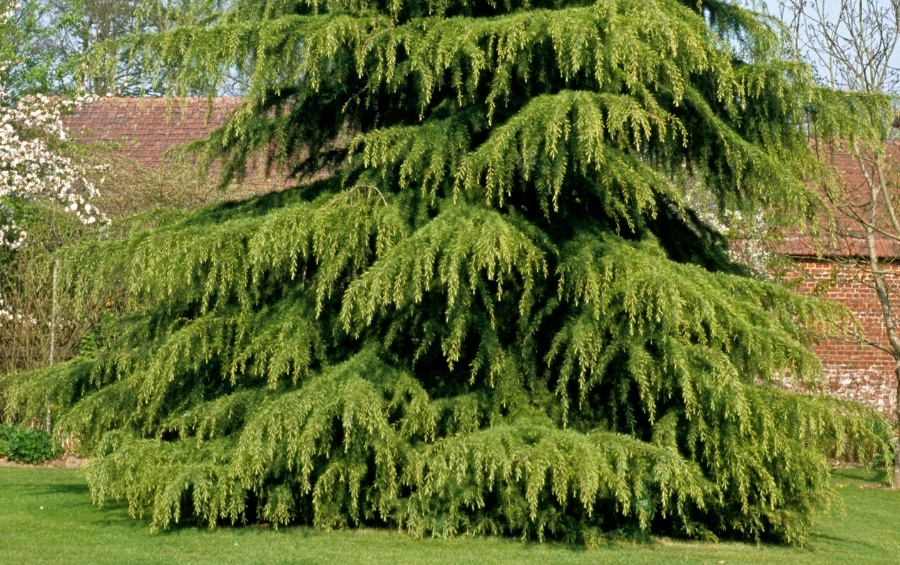
Deodar cedar’s distinctive weeping growth habit and soft needle-like foliage make it easy to distinguish from native Fort Worth juniper species.
4. Deodar Cedar (Cedrus deodara)
Deodar cedar represents a true cedar species commonly planted in Fort Worth landscapes for its graceful, weeping appearance. This Himalayan native features distinctive drooping branch tips that create an elegant, cascading silhouette. The soft, needle-like foliage appears in clusters and ranges from blue-green to silvery-green, with new growth showing a lighter color.
Unlike native junipers, Deodar cedar requires regular watering and well-draining soil to thrive in North Texas heat. This species grows rapidly when young, developing into a large specimen tree that provides excellent shade. The distinctive drooping branches and softer foliage make it easy to distinguish from native junipers. Deodar cedar produces upright cones that break apart on the tree, unlike the berry-like cones of junipers.
PRO TIP: Deodar cedars require more maintenance than native junipers but offer unique ornamental value in Fort Worth landscapes. Before planting one, ensure you understand its unique requirements, and work with an arborist to develop a care plan.
How Do You Care for Cedar Trees in North Texas?
Care requirements vary significantly between native junipers and true cedars. Understanding these differences helps you provide appropriate care for each species type.
Native Juniper Care Requirements (Ashe, Eastern Redcedar, Redberry)
Native junipers are adapted to Texas’ dry, rocky soils and require surprisingly little oversight once established. The biggest mistake homeowners make is overwatering them.
Watering & Establishment
- Minimal supplemental water after establishment
- Avoid chronic overwatering or poorly drained soils (root rot risk)
- Deep, occasional irrigation during extreme drought is enough
Pruning & Structure
- Rarely need heavy pruning, but selective thinning can improve airflow and storm resilience
- Early structural pruning on young trees prevents crowded leaders as they mature
- Avoid topping – it creates weak, fast-growing shoots that break in storms
Placement & Growth Habit
- Thrive in full sun and alkaline, well-drained soils
- Excellent for erosion control but can spread in open areas
- Wildlife benefits vary by species (berries, nesting cover, etc.)
True Cedar Care and Maintenance (Deodar Cedar)
Deodar cedar behaves more like an ornamental landscape tree than a native juniper and needs higher-input care to perform well in Texas heat.
Watering & Soil Needs
- Requires consistent moisture, especially in summer
- Prefers deep watering with brief dry periods between cycles
- Must have well-drained soil – soggy conditions damage roots
Pruning & Form
- Benefits from early structural pruning to create strong branch attachments
- Best pruned in late winter before new growth flushes
- Selective thinning reduces wind load and helps prevent breakage
Placement & Maturity Considerations
- Grows rapidly and becomes significantly larger than most homeowners expect
- Performs best in full sun with room for its broad canopy
- Can struggle in compacted or heavy clay soils without soil improvement
Frequently Asked Questions About Texas Cedar Trees
Do cedar trees cause allergies?
Cedar/juniper pollen released from December through March can trigger seasonal allergies known as “cedar fever.” Major cold fronts often trigger heavy pollen release, creating higher concentrations in the air. Individual sensitivity varies based on proximity to trees and personal allergy thresholds.
How can I tell which cedar species I have?
Look for key identifiers like:
- Berry color
- Bark texture
- Growth form
- Branch structure
Professional identification by Certified Arborists ensures accurate species determination for optimal care planning.
Should I remove cedar trees from my property?
Consider tree health, landscape goals, and local regulations before removal. Removing juniper trees isn’t recommended primarily because pollen is airborne and can blow for miles, so removal doesn’t eliminate allergy concerns. Healthy native cedars provide ecological benefits and require minimal care once established.
Do different cedar species need different care?
Basic care requirements remain similar across species, but specific needs vary slightly. The amount and type of pruning you perform, water needs, and insect and disease concerns will differ between species.
Can I plant cedar trees in my yard?
Native cedar species are excellently adapted to Dallas and Fort Worth conditions and make valuable landscape additions. Consider mature size and growth habits when selecting planting locations, as some species can reach significant heights and spreads. Choose species that fit your available space and landscape goals.
When should I call a professional for my cedar trees?
Certified arborists can help protect your investment and ensure proper care for your native cedars. Professional services include:
- Species identification for optimal care planning
- Health assessment and diagnosis of disease or pest problems
- Structural support installation for wind-damaged trees
- Tree removal services for hazardous specimens
- Professional pruning for health and shape maintenance
- Tree health programs to keep trees healthy and thriving
- Professional fertilization for stressed cedars
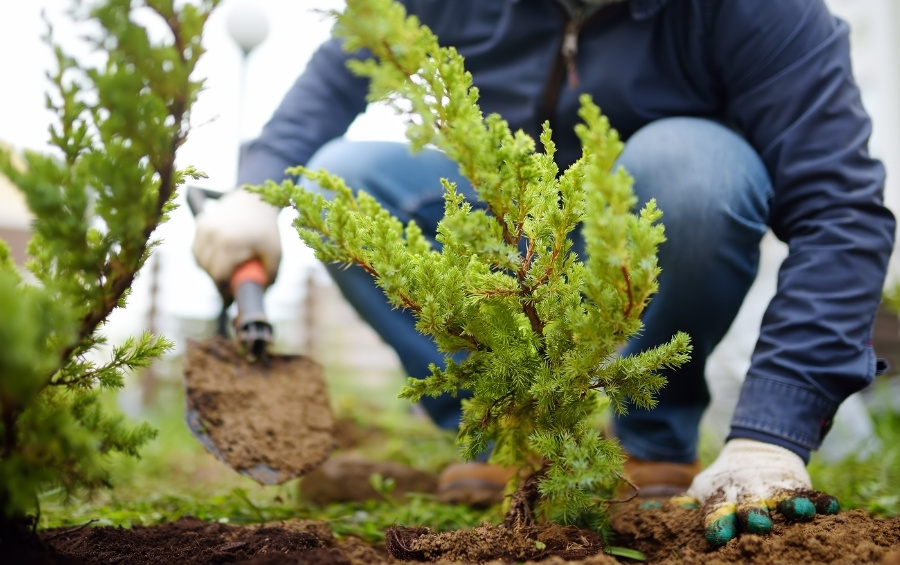
Proper planting technique ensures the healthy establishment of cedar and juniper trees in Fort Worth’s challenging clay soils and climate conditions.
Don’t Let Your Cedar Trees Suffer, Get Professional Help Today
North Texas’ diverse landscape supports four distinct cedar types, each with unique identification features and care requirements. Understanding the difference between native junipers and true cedars, like Deodar, guides proper care decisions and realistic maintenance expectations.
When you need help with your cedars and junipers, the Arbor Masters team is here to help. We understand our local species and know how best to care for them. If your trees need pruning or a checkup, our arborists are here to help. Call us today at 469-586-5829 or request a quote online for cedar care.
Want More Like This?
Get the latest local news, tree care tips, special offers, and company updates directly to your inbox! It's easy to subscribe and there's no spam - we promise.
"*" indicates required fields