Dutch Elm Disease Treatment vs. Removal: Making the Right Decision for Your Des Moines Elm
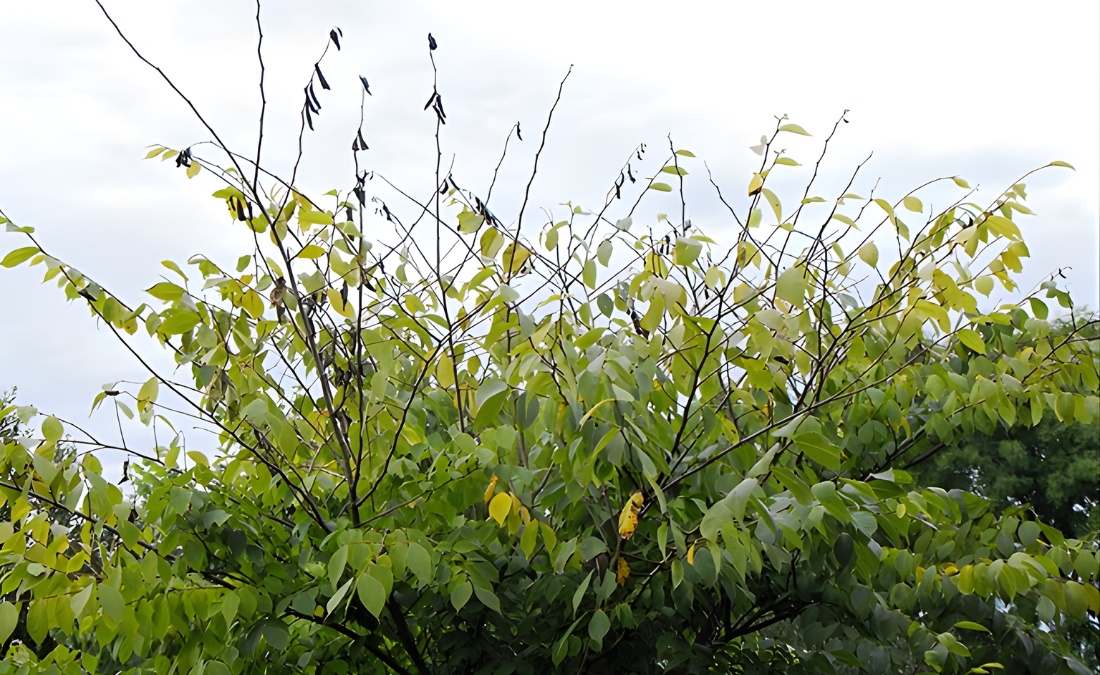
Dutch elm disease treatment works—but requires injections every 3 years. Compare lifetime costs vs. removal for Des Moines elms before spring deadlines.
If you’ve discovered Dutch elm disease in one of your Des Moines trees, March is your decision window for treatment or removal. Once elm bark beetles emerge in late April, your treatment options close until next year — and waiting means your tree stays unprotected while beetles spread the fungus throughout your neighborhood.
Dutch elm disease treatment versus removal is one of the toughest calls a tree owner makes. Your mature elm represents decades of shade, property value, and maybe even family memories. But fungicide treatment requires lifelong commitment with no guarantee, while removal offers a one-time solution and the option to replant disease-resistant varieties. Either path can be right — what matters is making your choice with complete information about costs, success rates, and what each option truly involves.
Key Takeaways
- Fungicide injections show high effectiveness for preventative treatment but only work for beetle-spread infections, not root graft transmission.
- Treatment requires lifelong commitment with injections every 3 years, costing thousands of dollars per decade for mature specimen trees.
- Removal with DED-resistant replacement offers one-time cost and eliminates ongoing treatment expenses while maintaining elm presence on your property.
- March is your decision window — assessments and treatments must happen before beetles emerge in late April.
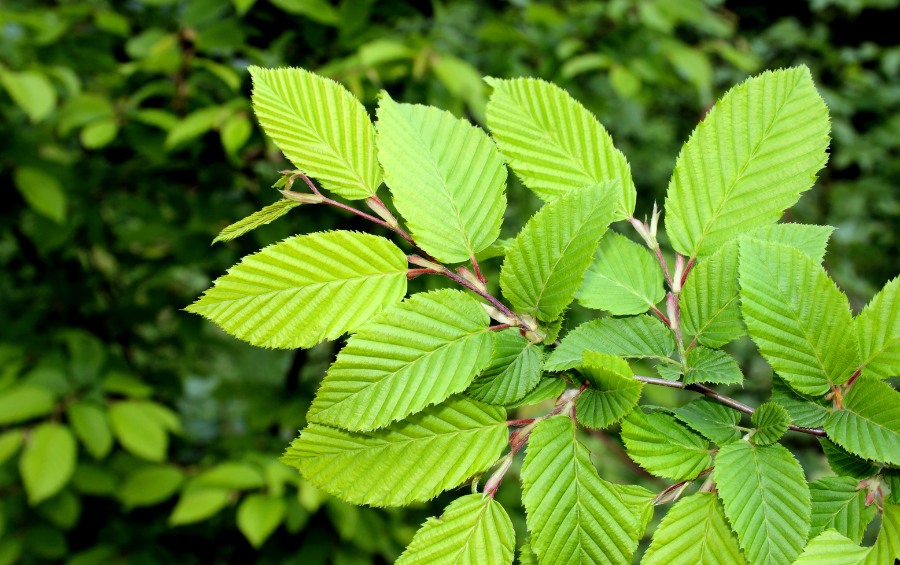
Healthy American elm leaves before Dutch elm disease infection. Regular monitoring for wilting, yellowing, or browning helps catch DED early when treatment success rates are highest—but only if symptoms appear before late April beetle emergence.
Is Your Elm Tree a Good Candidate for Treatment?
Not all infected elms are good candidates for fungicide treatment. Three main factors determine whether treatment makes sense: your tree’s size and maturity, how far the infection has progressed and how it’s spreading, and your willingness to commit to decades of recurring treatments. Understanding the qualification criteria upfront can save you from investing in a losing battle.
Size and Maturity Requirements
Treatment makes financial sense primarily for large, mature specimen trees that provide significant property value:
- Trees 40+ years old and 50+ feet tall
- Prominent location with major shade contribution
- Historical or aesthetic significance to the property
- Difficult or impossible to replace with equivalent impact
Infection Stage and Route
Early detection is absolutely critical for treatment success — once the disease has spread to more than 5% of your tree’s crown, even professional treatment becomes unreliable:
- Symptom Threshold: Less than 5% of crown showing symptoms; as soon as symptoms exceed 25% of the crown, treatment is no longer possible.
- Infection Route Matters: Fungicides only work against beetle-spread infections, not root graft transmission.
- Infection Timing: If your tree was infected last year and still shows symptoms, success rates drop significantly compared to catching infection in the current season.
Long-Term Commitment Factors
Beyond the tree itself, several practical considerations determine treatment viability:
- Financial Commitment: Willingness to pay for 3-year treatment cycles indefinitely.
- Neighborhood Context: If surrounding elms aren’t managed, reinfection pressure makes your ongoing treatment investment less likely to succeed.
- Property Considerations: The tree must provide enough irreplaceable shade, curb appeal, or property value to justify decades of recurring expense and maintenance.
When Treatment Doesn’t Make Sense
Unfortunately, there are some situations in which treatment is either impractical or impossible:
- Root graft infections confirmed or suspected
- Young or small trees more economical to replace
- Isolated tree with no neighborhood DED management program
- Homeowner unable to commit to decades of recurring treatments
If you’re unsure whether your elm shows Dutch elm disease symptoms, it’s crucial to schedule a professional assessment; early detection gives you more treatment options.
What Does Dutch Elm Disease Treatment Involve?
Treatment requires professional macro-injection equipment applied during a narrow March-to-early-April window, with injections repeating every 3 years for the course of the tree’s life. However, you need to make your decision by early March to allow time for arborist assessment and treatment scheduling before the late April beetle emergence. Missing this window means waiting until next year while your tree remains completely unprotected.
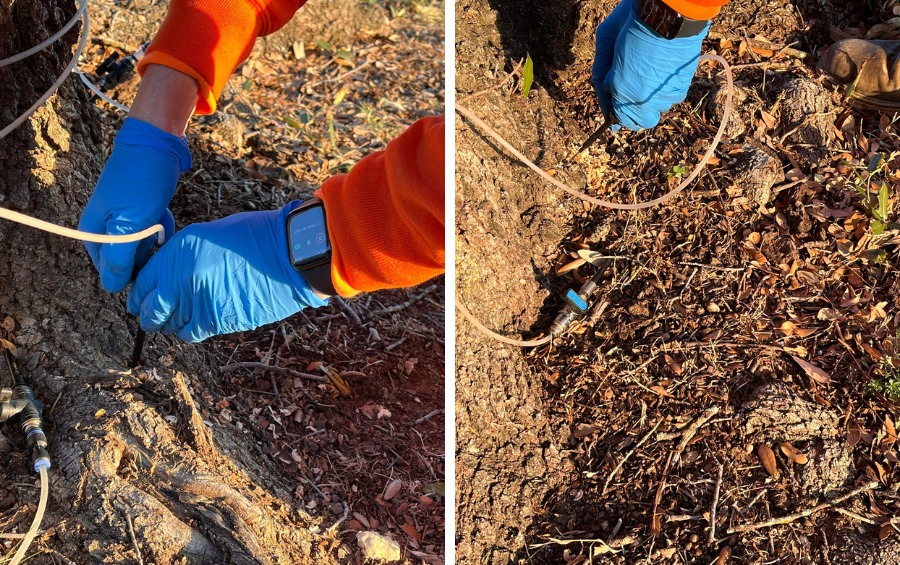
Professional macro-injection equipment setup for Dutch elm disease treatment in Des Moines. Multiple injection points at the root flare deliver fungicide throughout the canopy—a specialized technique requiring ISA Certified Arborist expertise to avoid permanent tree damage.
What the Treatment Process Requires
DED treatment demands professional-grade equipment and expertise, including:
- Macro-Injection Systems: High-volume pressure achieves complete canopy coverage, reaching every branch where beetles might feed.
- Multiple Injection Points: Drilling at the root flare creates wounds the tree must successfully compartmentalize while absorbing the fungicide.
- Three-Year Treatment Cycles: Trees need recovery time between injections to heal wounds before the next application.
- Lifelong Commitment: Stopping treatments at any point leaves the tree vulnerable again immediately with no residual protection.
- Professional Expertise Required: Improper injection technique can cause irreversible damage to tree health and vascular systems, making this strictly a professional service.
Will Fungicide Treatment Actually Save My Elm Tree?
Treatment success rates vary dramatically depending on whether you’re protecting a healthy tree or trying to save an already-infected one.
Preventative Treatment Success Rates
When applied to healthy, uninfected trees as a preventative measure, fungicide injections show strong effectiveness. Research published in the Journal of Arboriculture & Urban Forestry found that none of 20 American elms injected with Arbotect 20-S (the industry-standard fungicide for DED prevention) displayed symptoms at the end of the second growing season, whether treated before infection (preventatively) or after symptoms appeared (therapeutically). Protection typically lasts 2.5 to 3 growing seasons per application when properly applied by macro-infusion before beetle emergence during the March through early April window.
The key distinction is “preventative” — protecting healthy trees from infection works dramatically better than therapeutic treatment of already-infected specimens.
Therapeutic Treatment Limitations
Once infection has occurred, success rates drop significantly. The same arboricultural research discovered that fungicide injection alone succeeded in 76% of current-year infections. However, when arborists combine fungicide injection with therapeutic pruning (physically removing the infected branches to eliminate the diseased tissue) success rates jump to 100% for current-year infections. This combination works only when caught extremely early with less than 5-10% of the crown showing symptoms — 25% being the absolute maximum for any treatment attempt.
Residual infections from previous years show much lower success rates between 33-71% depending on intervention timing and severity.
The Root Graft Problem
The most critical limitation is that fungicide injections are not very effective in preventing infection through root grafts. When elm roots within 50 feet grow together underground, the disease spreads directly from tree to tree below ground level, completely bypassing the beetle. Root graft infections cause much faster decline, moving from the roots and trunk upward rather than canopy downward like beetle-spread infections.
Understanding these success rates and limitations is essential for evaluating the true long-term commitment of treatment versus removal. For homeowners considering professional disease control programs, knowing when treatment works and when it doesn’t helps avoid investing in a strategy with poor odds of success.
Treatment vs. Removal: Which Option Makes the Most Sense Long-Term?
Two often-overlooked factors can influence your decision: the availability of disease-resistant replacement trees, and how your choice affects other elms in your neighborhood.
Replacement Options Preserve Elm Character
You can replant with DED-resistant elm cultivars like Valley Forge or Prairie Expedition. These trees were specifically bred through decades of research to tolerate DED infection without dying, maintaining an elm presence on your property while eliminating future DED risk entirely. New trees reach functional shade-providing size within 10-15 years, which sounds like a long wait but is actually a small fraction of a mature elm’s 100+ year lifespan.
The Neighborhood Protection Factor
Removing an infected elm protects neighboring elms by eliminating the beetle breeding sites that spread DED throughout your neighborhood. When you remove a diseased tree, you’re not just addressing your own problem — you’re protecting the community’s urban forest. That dead or dying elm becomes a beetle factory that threatens every other elm within flying distance.
Whether you’re leaning toward treatment or removal, getting professional guidance ensures you understand the full scope of work involved, realistic timelines, and what each option means for both your tree and your neighborhood. For homeowners considering removal, understanding what’s involved in professional tree removal helps with realistic planning.
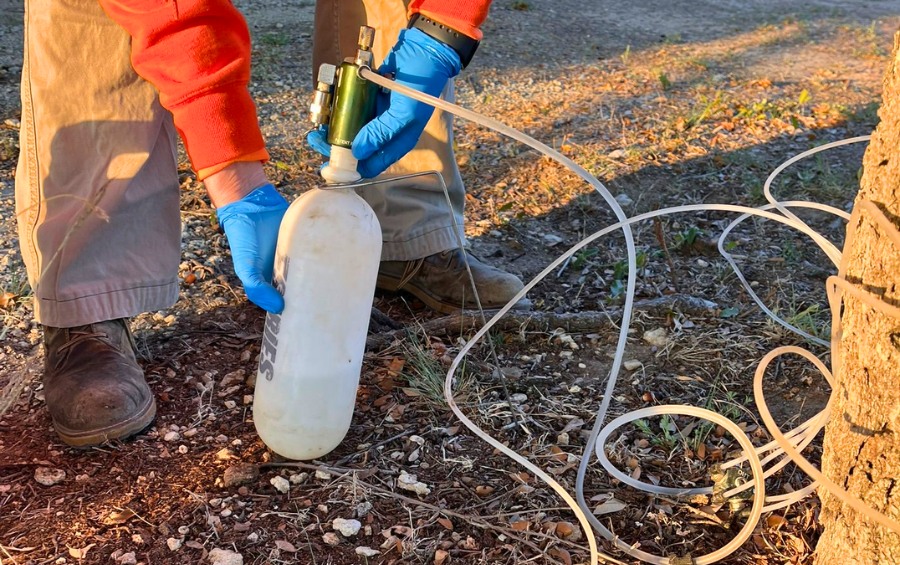
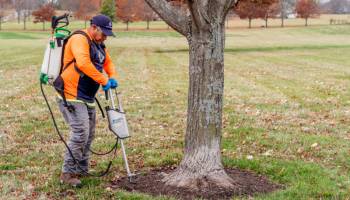
Arbor Masters arborist applying preventative Dutch elm disease fungicide treatment using high-volume macro-injection. Treatment must be completed during the narrow March-to-early-April window before elm bark beetles emerge in late April across central Iowa.
Frequently Asked Questions About Dutch Elm Disease Treatment in Des Moines
How much does Dutch elm disease treatment typically cost in Des Moines?
Treatment costs vary based on factors like tree size, trunk diameter, and number of injection points. The three-year treatment cycle means costs repeat indefinitely for the tree’s lifespan. An ISA Certified Arborist can provide estimates based on your specific tree and property.
Can Dutch elm disease be cured or reversed?
Dutch elm disease cannot be cured once it has spread extensively through the tree. However, early-stage infections may be managed with fungicide injections and pruning if caught quickly. Preventative treatment on healthy trees is far more effective than trying to save an already-infected elm.
How long does it take for an infected elm to die without treatment?
An untreated infected elm typically dies within one to three growing seasons. Beetle-spread infections progress slowly from the canopy downward, while root graft infections move faster from roots upward. Once symptoms appear, decline accelerates rapidly, and the dead tree becomes a beetle breeding site threatening neighboring elms.
Can Dutch elm disease spread to other trees on my property?
Yes. Dutch elm disease spreads both through elm bark beetles and underground root grafts between nearby trees. This means a single infected elm can quickly threaten others within 50 feet if not managed or removed.
Get Expert Guidance on Your Elm Tree Decision from Arbor Masters
The decision to treat or remove your elm isn’t an easy call, but it’s one that can’t wait. March is your window for professional assessment before beetles emerge and treatment options close until next year. Arbor Masters’ team of ISA Certified Arborists have decades of experience managing Dutch elm disease across central Iowa. We’ll assess your tree’s infection route, evaluate whether treatment is actually viable, and give you honest answers about which path makes sense for your specific situation — not just what generates the most revenue.
Call us at 515-218-2025 or request an appointment online today to schedule your March assessment.
Want More Like This?
Get the latest local news, tree care tips, special offers, and company updates directly to your inbox! It's easy to subscribe and there's no spam - we promise.
"*" indicates required fields