
7 Essential Spring Tree Care Tasks for Wichita Homeowners
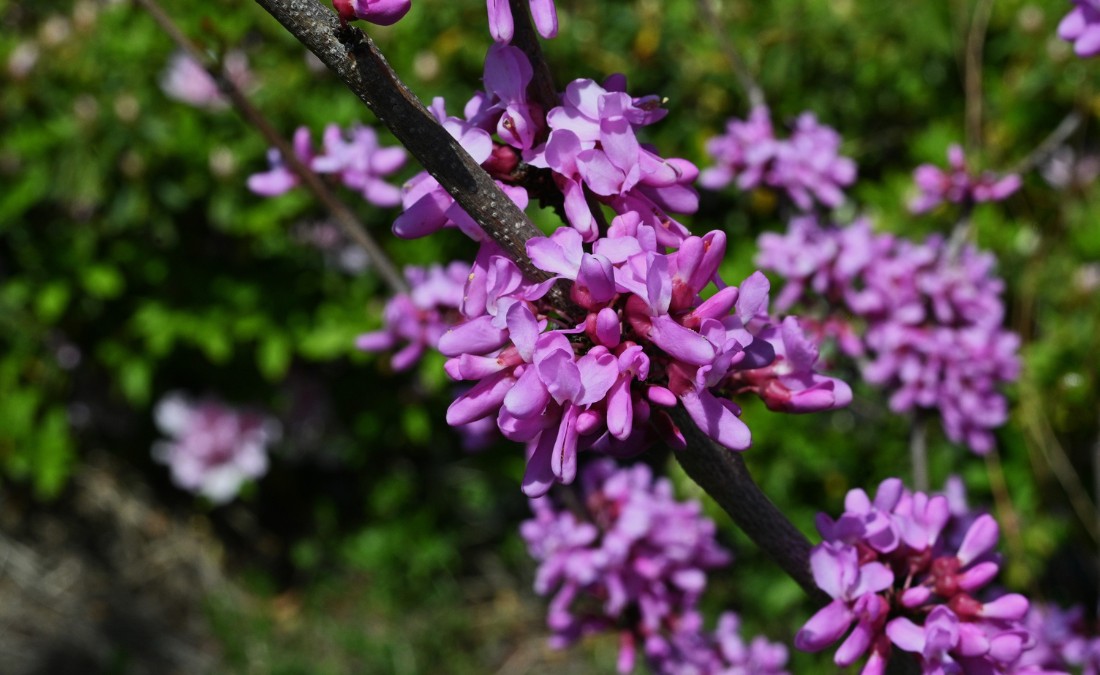
Spring is the best time to get ahead of tree problems before they start. With the right care now, your trees can stay healthier and easier to manage all year.
Early spring is when tree issues are easiest to spot. Winter damage is still visible, pest activity hasn’t ramped up yet, and structural problems are easier to see before leaves fill in the canopy. But that window doesn’t last long — by summer, many of these problems are harder to correct.
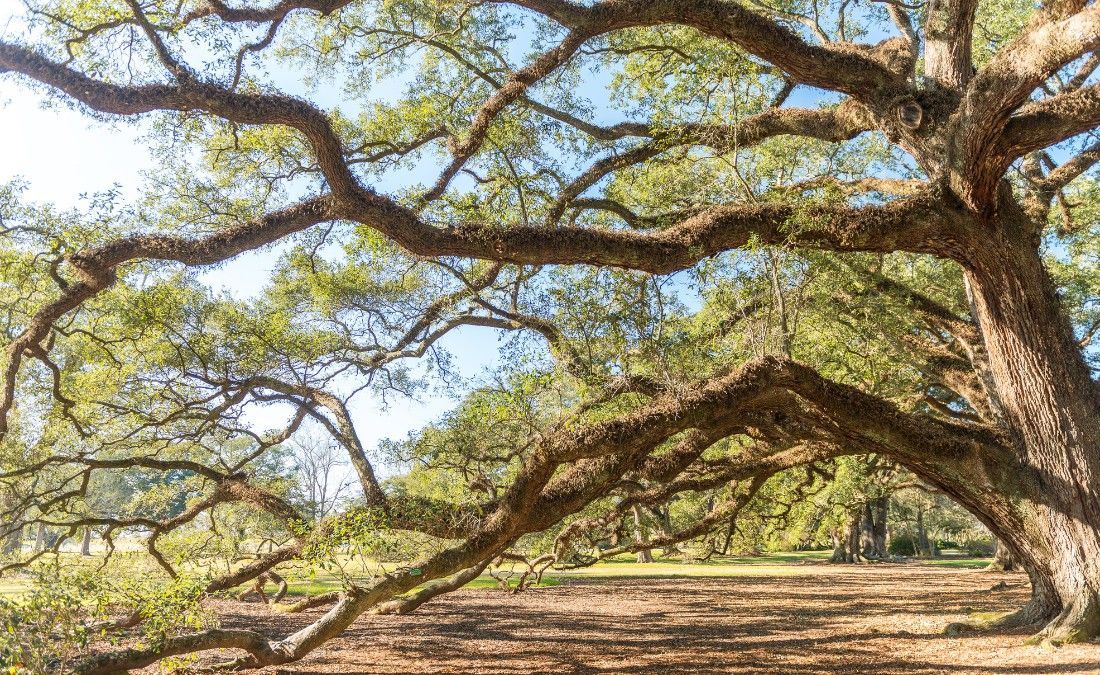
Whether you’re managing mature oaks in Riverside or young maples in College Hill, following a strategic spring tree care checklist ensures your trees remain healthy investments on your property.
Key Takeaways
- Walk around each tree in early spring to inspect for winter damage, like split bark, hanging branches, and trunk cracks, that you can safely observe from ground level.
- Homeowners can safely remove small dead branches but should schedule professional pruning for larger structural work and anything requiring ladders or chainsaws.
- ISA Certified Arborists provide comprehensive tree health assessments that identify problems homeowners can’t detect, including early-stage diseases, pest infestations, and root issues.
- Professional spring fertilization programs start with soil testing to determine actual nutrient needs and use deep root injection techniques that generic store-bought fertilizers can’t match.
- Proper mulching involves pulling old mulch 6 inches from the trunk and applying 2-4 inches of fresh wood chips while avoiding “volcano” mulching that damages trees.
Why Spring Tree Care So Important in Wichita
Early spring represents a narrow diagnostic window that simply doesn’t exist at any other time of year. Without foliage obscuring the canopy, structural defects, dead wood, and winter wounds are plainly visible from the ground. Soil temperatures are climbing toward the 50°F threshold that signals root activity, making it the right moment to intervene with fertilization or treatment before trees invest energy in leaf-out.
Once the growing season is fully underway, many of these opportunities close, and what was a manageable problem earlier in the year can become a costly emergency when summer storms ramp up.
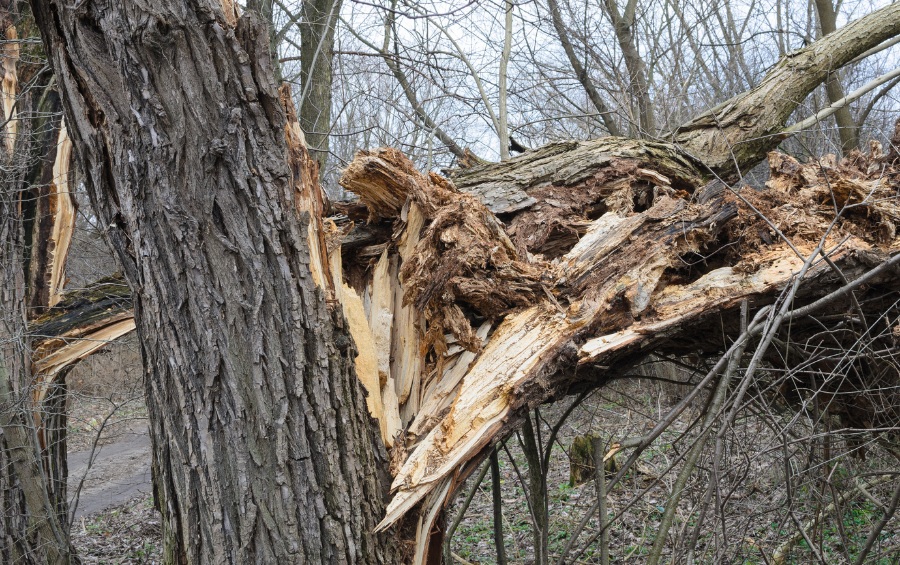
Winter storm damage requires immediate professional attention to prevent further property damage and safety hazards.
1. Inspect Your Trees for Visible Winter Damage
Winter storms can heavily damage trees, but you won’t be able to identify the damage without an inspection. Time your inspection for early spring so you have a chance to see structural issues without leaves in your way. Take photos of any suspected damage for documentation and to present to an arborist.
How Do I Find Winter Damage in My Tree?
Begin your spring routine with a thorough visual inspection of every tree on your property. Walk around each tree and examine the trunk, major branches, and overall structure from ground level. Look for obvious signs of winter stress, including split bark from freeze-thaw cycles, hanging or partially broken branches, and vertical cracks in the trunk that may have developed during late winter’s temperature fluctuations.
If you have trouble seeing anything, use binoculars to get a better look at the canopy. Always practice safety by avoiding walking underneath any trees that appear to have damaged or hanging branches.
Take photos of any concerns you discover, as these images will be valuable when consulting with professional arborists. The optimal timing for this inspection is in early spring, while trees remain dormant, allowing you to see structural issues clearly before leaves emerge.
2. Prune Your Trees in Spring to Remove Damaged Branches
Spring pruning starts with understanding your limits as a homeowner. You can safely remove dead branches using proper technique and clean tools. Never attempt to remove branches you can’t reach from the ground, as attempting to prune them from a ladder is dangerous.
Clean your pruning shears with rubbing alcohol between trees to prevent disease transmission. This practice is especially important in Wichita, where oak wilt and other fungal diseases can spread through contaminated tools.
When Do I Need Professional Tree Pruning in the Spring?
Work with a professional when a tree needs structural pruning, as it requires the specialized training, equipment, and insurance that only professional arborists possess. ISA Certified Arborists understand species-specific pruning requirements, proper timing, and techniques that preserve long-term tree health while ensuring safety.
3. Look for Early Signs of Insects and Diseases
Early spring provides an ideal opportunity to scout for pest and disease issues before they become severe problems. While comprehensive pest identification requires professional training, homeowners can learn to spot obvious warning signs and know when to call for expert help.
How Do I Know if My Trees Have an Insect or Disease Problem?
While every insect and disease will affect plants in different ways, there are several signs to look for, such as egg sacks and bark problems. Many of the most common insects in Wichita are easy to spot when you know the signs.
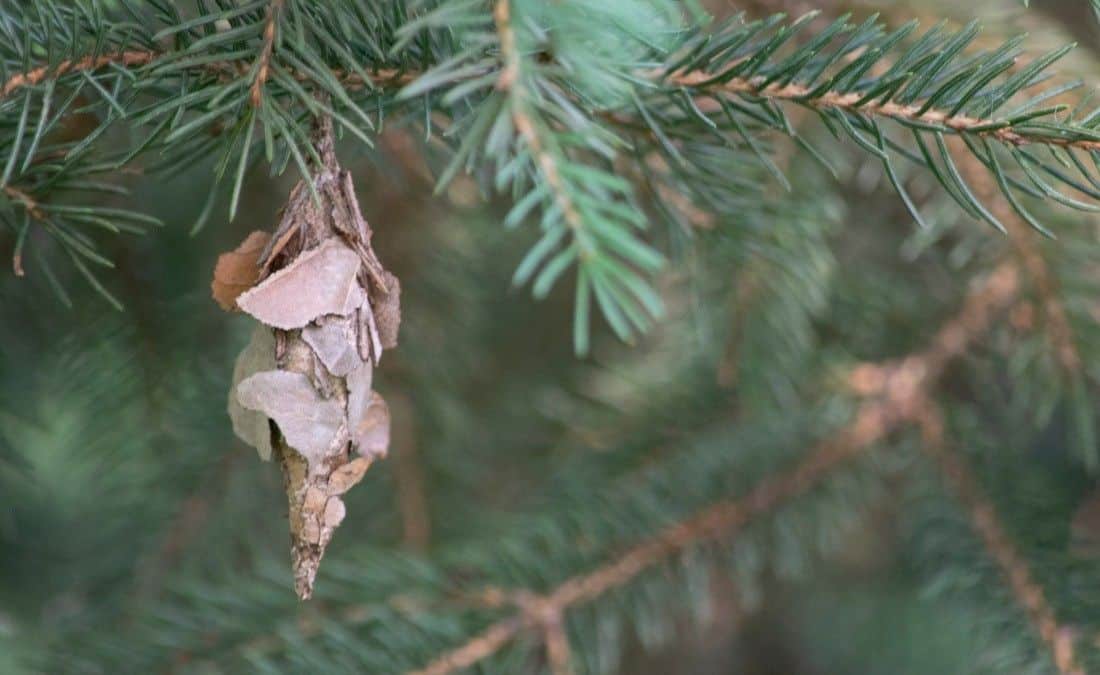
Bagworms represent a perfect example of what to look for during your spring inspection. Search branch tips on both evergreen and deciduous trees for brown, oval cases approximately 1-2 inches long that often look like small pine cones or natural debris. Handpick each case and destroy it so that the eggs cannot hatch.
If you notice anything unusual during your inspection, such as discolored bark, unusual growths, or unexplained branch dieback, document it with photos and schedule a professional assessment.
4. Get a Professional Tree Health Assessment
ISA Certified Arborists receive extensive training in diagnosing tree diseases, pest infestations, and structural problems that homeowners cannot detect during visual inspections. Professional assessments identify early-stage issues, such as root rot, internal decay, and pest infestations, before they become expensive emergencies.
What Do Arborists Look for During a Tree Assessment?
A comprehensive tree health assessment examines soil conditions, drainage patterns, and species-specific care requirements for your property’s unique conditions. This evaluation provides customized tree preservation recommendations based on Wichita’s climate challenges, including heat stress preparation and appropriate species selection for future plantings.
Arborists will also provide documentation on the condition and concerns of your trees. Professional documentation also serves important purposes for insurance claims and property value assessments, particularly for mature trees that contribute significantly to your home’s market value.
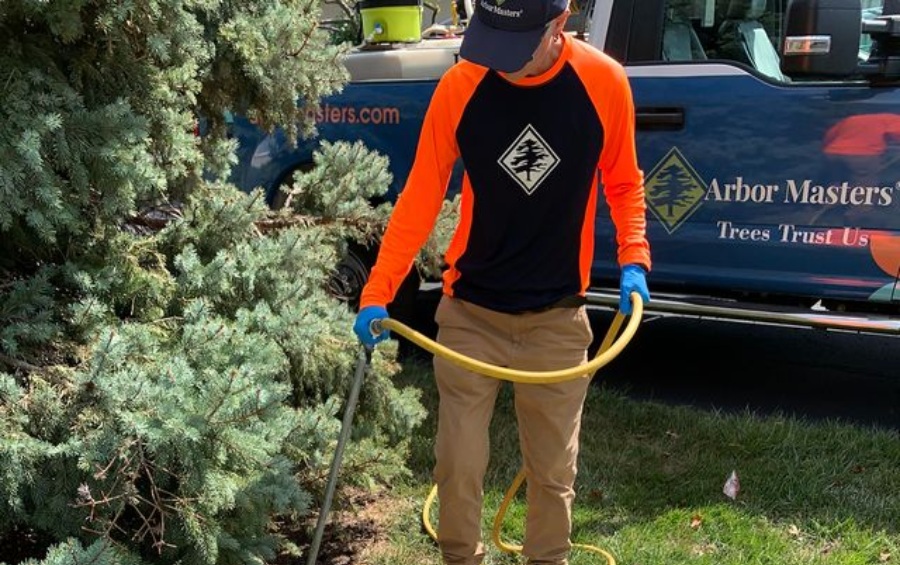
Professional fertilization programs use deep root injection techniques to deliver nutrients directly to the tree’s root zone for optimal uptake.
5. Start a Professional Spring Fertilization Program
Professional fertilization programs begin with soil testing to determine actual nutrient needs rather than applying generic fertilizers that may waste money or harm tree health. ISA Certified Arborists use deep root injection techniques that deliver nutrients directly to the root zone where trees can utilize them effectively.
When Should I Get Professional Tree Fertilization in Wichita?
Timing for fertilizer application depends on soil temperature reaching 50°F consistently, typically occurring in mid to late March in Wichita. Professional application ensures proper nutrient ratios for different tree species while avoiding over-fertilization that can stimulate excessive growth and increase susceptibility to pests and diseases.
Customized fertilization programs also address Wichita’s alkaline soil conditions that can limit nutrient availability for certain tree species, particularly those adapted to more acidic conditions.
6. Refresh and Properly Apply Tree Mulch
Proper mulching represents one of the most beneficial practices homeowners can perform for tree health. Proper mulch application conserves soil moisture, moderates soil temperature, and gradually improves soil structure as organic matter decomposes.
How Do I Properly Apply Mulch to My Property?
Begin by pulling existing mulch six inches back from the trunk base to eliminate pest-harboring areas and prevent moisture retention against the bark. Then, apply 2–4 inches of fresh shredded hardwood or wood chips, extending the mulched area to the drip line (the area under the canopy) when space permits.
WARNING: Avoid creating “volcano” mulching against the trunk, which can lead to pest problems, disease issues, and girdling roots that eventually kill the tree. Maintain the 6-inch space around the trunk base to allow proper air circulation and prevent bark moisture problems.
7. Plant New Trees This Spring
Not every tree belongs in every yard, and in Wichita, that’s especially true. Soil type, sun exposure, and proximity to structures all determine which species will thrive and which will struggle within a few seasons.
Is Spring the Best Time to Plant Trees in Wichita?
Spring is one of the two best planting windows in Wichita, alongside fall. Trees planted now have time to establish their root systems before summer heat and wind stress arrive, both of which hit hard on the Kansas plains. A newly planted tree with a shallow, undeveloped root system is far more vulnerable to drought and heat scorch than one that had a full spring to get established.
That said, timing and species selection matter. Wichita’s alkaline clay soils and periodic drought conditions mean that not every tree thrives here. Choosing the wrong species for your site, or planting too late in the season, significantly increases the likelihood of establishment failure.
An ISA Certified Arborist can help you select species suited to your specific conditions, whether you’re looking for shade in an Andover backyard or a windbreak on a more exposed property in Goddard. Professional planting also ensures proper depth and positioning from the start, avoiding the girdling roots and root flare issues that improper planting causes over time.
Frequently Asked Questions About Spring Tree Care
What tree pests should I watch for in Wichita this spring?
Bagworms, aphids, borers, and spider mites are some of the most common spring pests in Wichita. Early signs include small egg cases, leaf damage, or unusual webbing. Catching these pests early makes treatment much more effective and prevents widespread damage later in the season.
Do I need to fertilize my trees in the spring?
Not always. Some trees benefit from fertilization, especially if soil conditions are poor, while others don’t need it at all. A soil test or professional assessment can determine whether fertilization will actually help — or if it’s unnecessary.
How much does a professional tree health assessment cost?
Many ISA Certified Arborists offer free consultations to potential customers, particularly for larger services such as pruning or fertilization. Comprehensive written assessments vary in cost but are a valuable investment compared with addressing problems discovered later. Contact certified professionals in your area for pricing tailored to your property’s scope and needs.
How do I know if my tree damage is serious enough to call a professional?
Any hanging branches, large cracks in the trunk, or damage near power lines requires immediate professional attention. If you’re questioning whether damage is serious, take photos and get a free consultation rather than guessing. Small issues addressed early are much less expensive than emergency removals later.
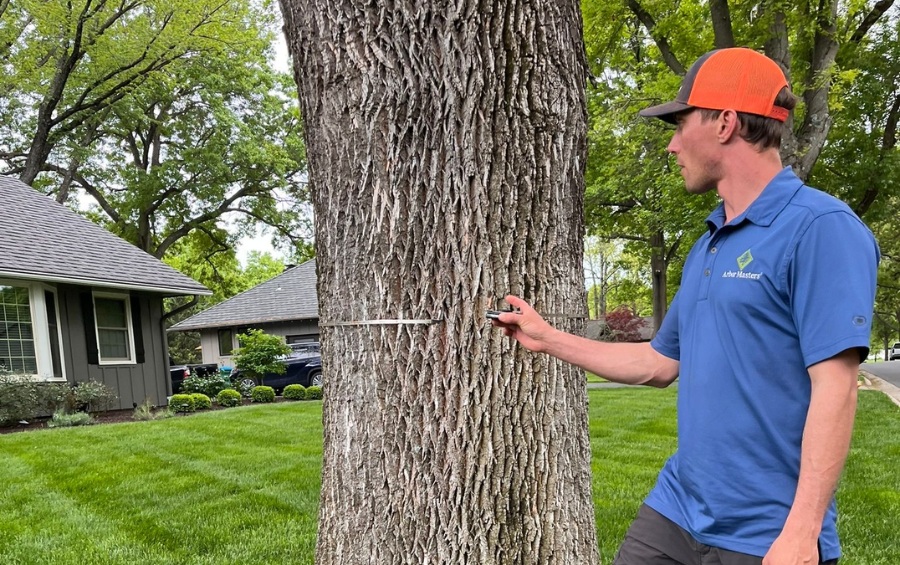
Professional tree health assessments identify structural issues and potential problems that homeowners cannot detect during visual inspections.
Let Arbor Masters Help Get Your Trees Ready for the Season Ahead
Early spring is your window to protect your trees and property value. These seven tasks combine DIY confidence with professional expertise to prevent expensive problems later. With a little work, you’ll have durable and healthy trees that will increase your property’s value and beauty.
Have you done all you can, but your trees still don’t feel fully ready for the growing season? The team at Arbor Masters of Wichita is ready to help. Our ISA Certified Arborists can complete even the most difficult tree work this spring to ensure your tree is ready for hot summer weather, storms, and pests. Call us today at 316-838-3111 or request a quote online for spring tree care.

Want More Like This?
Get the latest local news, tree care tips, special offers, and company updates directly to your inbox! It's easy to subscribe and there's no spam - we promise.
"*" indicates required fields
