
Bagworms in Wichita: How to Protect Your Evergreens
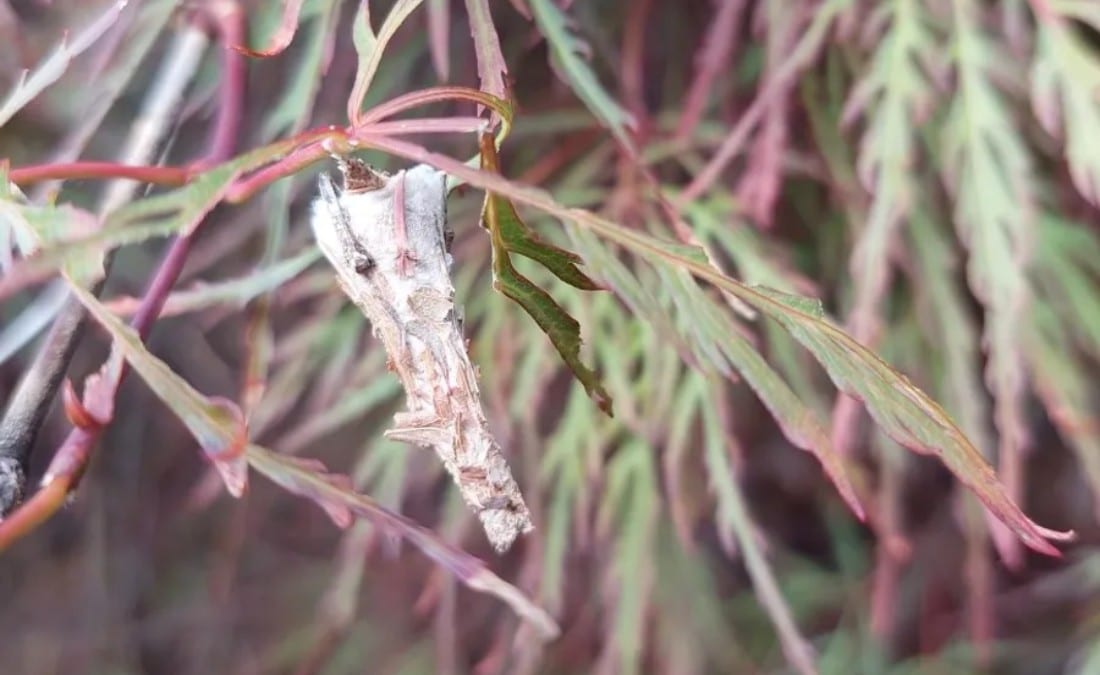
Bagworms in Wichita move fast, and the treatment window is narrow. Here's what the timing looks like in Sedgwick County and why it matters for your evergreens.
Every summer, Wichita homeowners walk out to their yards and find bare patches spreading through their evergreens. The damage looks sudden, but it isn’t — bagworms have been feeding for weeks by the time it shows, and by then, the treatment window has already closed. The worst part is that heavily defoliated cedars and junipers may never fully recover.
Bagworms are the top evergreen pest across Sedgwick County, and handling them well comes down to timing, not effort. The treatment window in south-central Kansas is narrow, the consequences of missing it compound year after year, and a preventive approach eliminates the risk of missing that window altogether.
Key Takeaways
- The critical treatment window for bagworms in Wichita is mid-June through early July — miss it, and spraying is ineffective until next year.
- Eastern red cedar, juniper, and arborvitae dominate Sedgwick County landscapes and are the top targets for bagworms.
- Young larvae balloon on silk threads, so untreated trees on neighboring properties can reinfest yours year after year.
- Heavy bagworm defoliation on evergreens is often permanent, and severe infestations over multiple seasons can kill the tree.
- A preventive annual treatment eliminates the timing gamble and reduces populations over successive seasons.
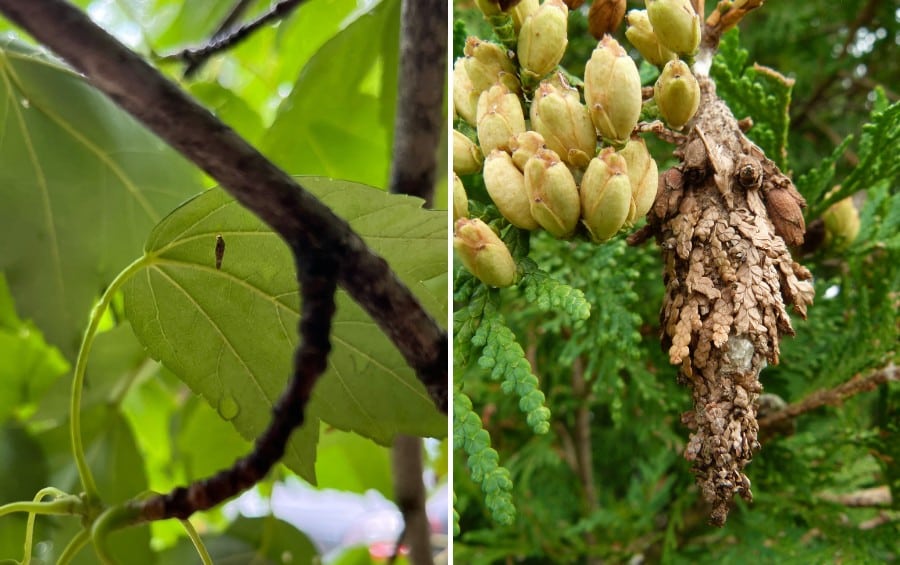
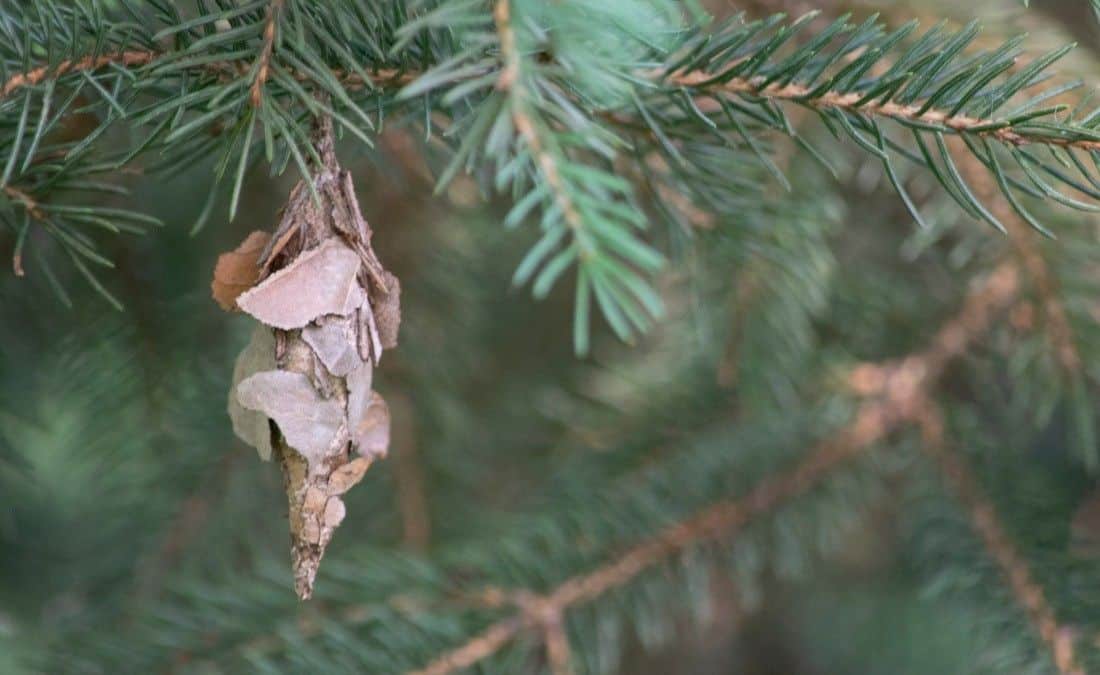
Bagworms are easy to miss when small (left) but grow into hardened, debris-covered cases that hang from evergreens (right).
Why Are Bagworms Such a Big Problem in Wichita?
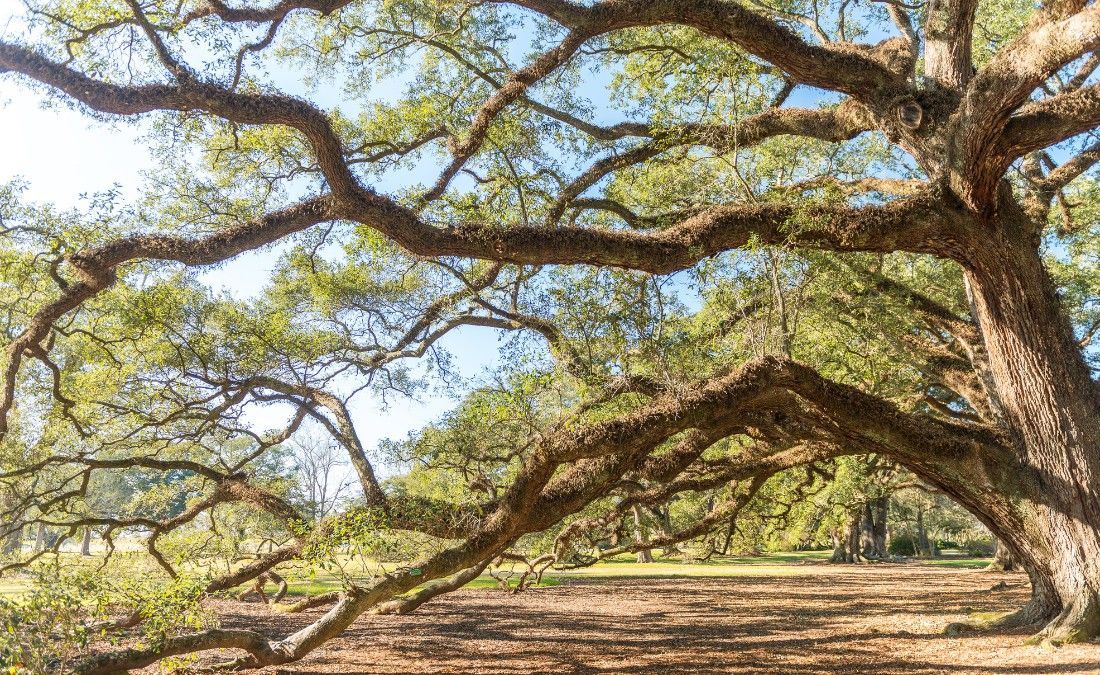
Bagworms are such a persistent problem in Wichita because they target the exact trees that define the local landscape: eastern red cedar, juniper, and arborvitae. These evergreens are everywhere in Sedgwick County, from foundation plantings and privacy screens to windbreaks stretching from Goddard to Augusta.
Eastern red cedar (Juniperus virginiana), Kansas’s only native evergreen, is one of their primary hosts. Junipers and arborvitae may not be native, but they’re just as common in Wichita-area landscapes — and just as vulnerable to damage.
The real issue starts after they hatch in late spring. Newly hatched larvae begin feeding almost immediately, and over the course of a few weeks, that feeding spreads across the tree. What starts as light, easy-to-miss damage can quickly turn into visible thinning and browning.
By the time most homeowners notice something is wrong, the bagworms are larger, protected inside their bags, and much harder to control. On top of that, these evergreens don’t recover quickly from heavy foliage loss, and infestations can spread easily between nearby trees, allowing the problem to return year after year.
Should You Treat Bagworms Before They Hatch or After?
The critical treatment window for bagworms in Wichita is mid-June through early July, when larvae are small and actively feeding. Miss that window, and you’re waiting until next year.
Eggs hatch from late May through early June in south-central Kansas, depending on spring temperatures. They also hatch over a four-to-five-week stretch, not all at once, which is why a single poorly timed spray application often falls short. Once larvae seal their bags in mid-to-late August, chemical treatment is a waste of time and money, as Kansas State Extension emphasizes.
Homeowners should start scouting for bagworms in mid-May. Look for tiny bags, barely bigger than a grain of rice, on interior branch tips rather than the outer canopy. This is when treatment is most effective and also when homeowners are least likely to notice anything wrong.
What Happens If You Miss the Bagworm Treatment Window?
If you miss the bagworm treatment window, you’re waiting until next spring — and next year’s infestation is already loaded with 500 to 1,000 eggs per surviving female.
Every female bagworm spends her entire life inside her bag. After mating, she lays several hundred to a thousand eggs and dies without ever leaving. Those eggs overwinter and hatch the following spring, so a single missed season can multiply your problem dramatically.
The damage compounds in two ways beyond the egg count:
- Long-Term Evergreen Damage: Cedars, junipers, and arborvitae don’t recover quickly from heavy defoliation. Lost foliage can take years to fill back in, and repeated infestations can weaken or kill the tree.
- Easy Reinfestation from Nearby Trees: Young larvae spread by “ballooning” on silk threads, traveling on the wind to nearby properties. Untreated trees next door — or even along a shared windbreak — can reintroduce bagworms each spring, even if your trees were treated the year before.
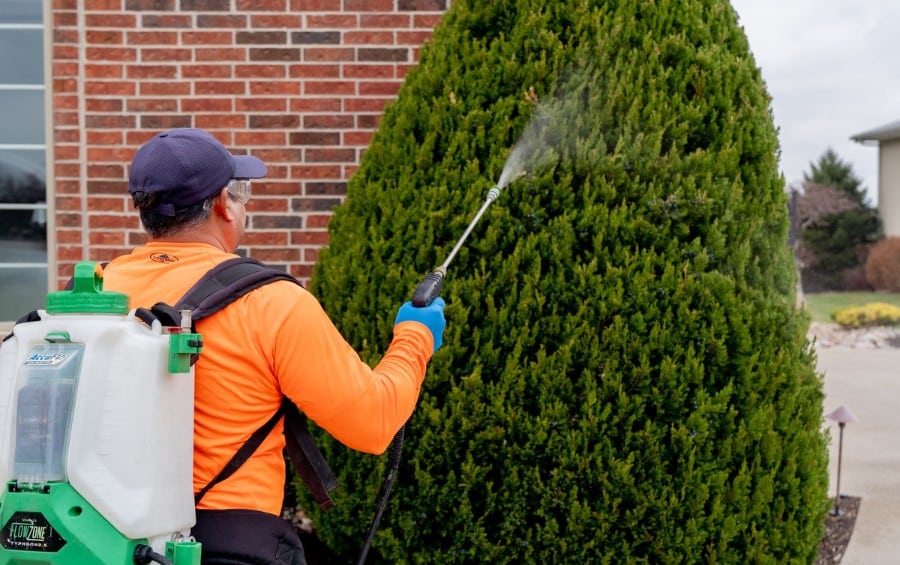
Proper protective equipment and targeted application techniques help our certified arborists treat bagworms safely and effectively.
What’s the Most Effective Way to Treat Bagworms in Wichita?
The most effective way to control bagworms is to treat them early — right after they hatch — rather than waiting until damage is visible.
By the time most homeowners notice browning or thinning in their evergreens, bagworms have already been feeding for weeks and are protected inside their bags. At that point, spraying becomes less effective and more of a reaction than a solution.
Preventive treatment works better because it:
- Targets bagworms when they’re most vulnerable, before they’ve formed protective bags
- Ensures full coverage, including the upper canopy and interior branches where they feed
- Reduces populations over time, instead of resetting the problem each season
- Avoids the “missed window” problem, where timing is too early or too late to be effective
- Uses targeted, reduced-risk products that control bagworms while minimizing impact on beneficial insects
Frequently Asked Questions About Bagworms in Wichita
Can you treat bagworms in the fall?
Not effectively. By fall, larvae have sealed their bags for pupation, and chemical treatment no longer reaches them. Your best move at that point is to hand-pick any reachable bags through the fall and winter, drop them in a bucket of soapy water to destroy the eggs, and schedule a preventive treatment for the following spring before the next hatch.
Do I need to treat for bagworms every year?
If your property has a history of bagworms or sits near heavily infested trees, annual treatment is strongly recommended. Each surviving female lays 500 to 1,000 eggs, so populations can rebound in a single season, even after a year with little visible damage. Annual preventive treatment reduces populations over time and takes the guesswork out of hitting the narrow spray window.
Is hand-picking bagworms effective for Wichita homeowners?
Hand-picking works well for small, reachable infestations on shrubs or small trees, and the best window is November through April, before eggs hatch. Drop the bags into a bucket of soapy water — larvae can chew through trash bags and crawl out of open buckets. However, hand-picking isn’t realistic for a 30-foot cedar or a windbreak row, and it won’t address larvae ballooning in from neighboring properties.
What other evergreen pests should Wichita homeowners watch for?
Beyond bagworms, Wichita homeowners should keep an eye out for spider mites on junipers and spruces, scale insects on a range of evergreen and deciduous hosts, and webworms in late summer. A Certified Arborist can evaluate your trees for multiple issues in a single visit and recommend a coordinated treatment approach.
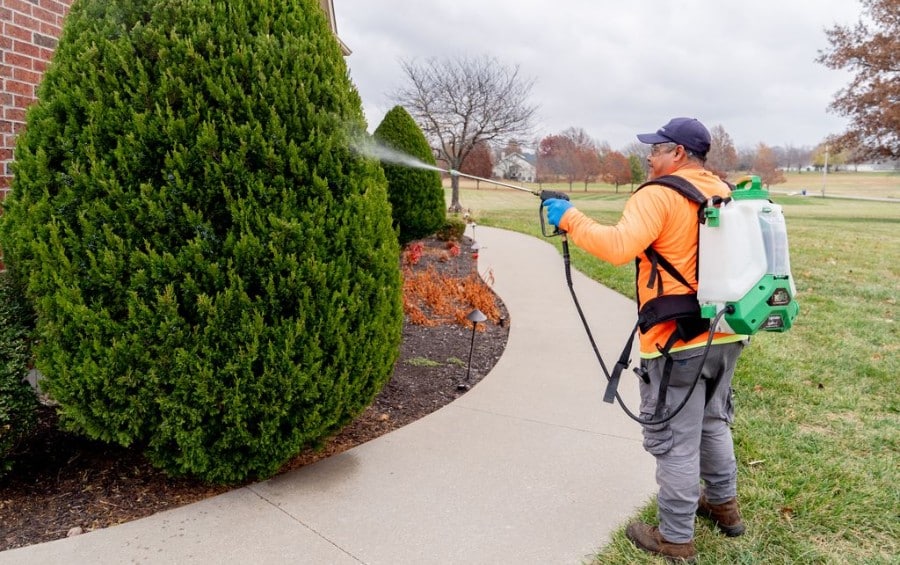
Professional treatments target bagworms before they spread to nearby evergreens.
Get Ahead of Bagworms Before They Hatch
The bagworm treatment window in Wichita is short — typically mid-June through early July — and once it closes, you’re left waiting until next spring. For homeowners who don’t want to rely on perfect timing, a preventive annual treatment removes the guesswork and keeps evergreens protected year after year.
Spring is the right time to schedule preventive treatments before bagworms become a problem. The experts at Arbor Masters know how to protect your cedars, junipers, and arborvitae without harming the pollinators that share your landscape. Call us today at 316-838-3111 or request a quote online for help protecting your evergreens from bagworms.
Want More Like This?
Get the latest local news, tree care tips, special offers, and company updates directly to your inbox! It's easy to subscribe and there's no spam - we promise.
"*" indicates required fields
