
What a Certified Arborist Looks for When Assessing Mature Trees in Butler County
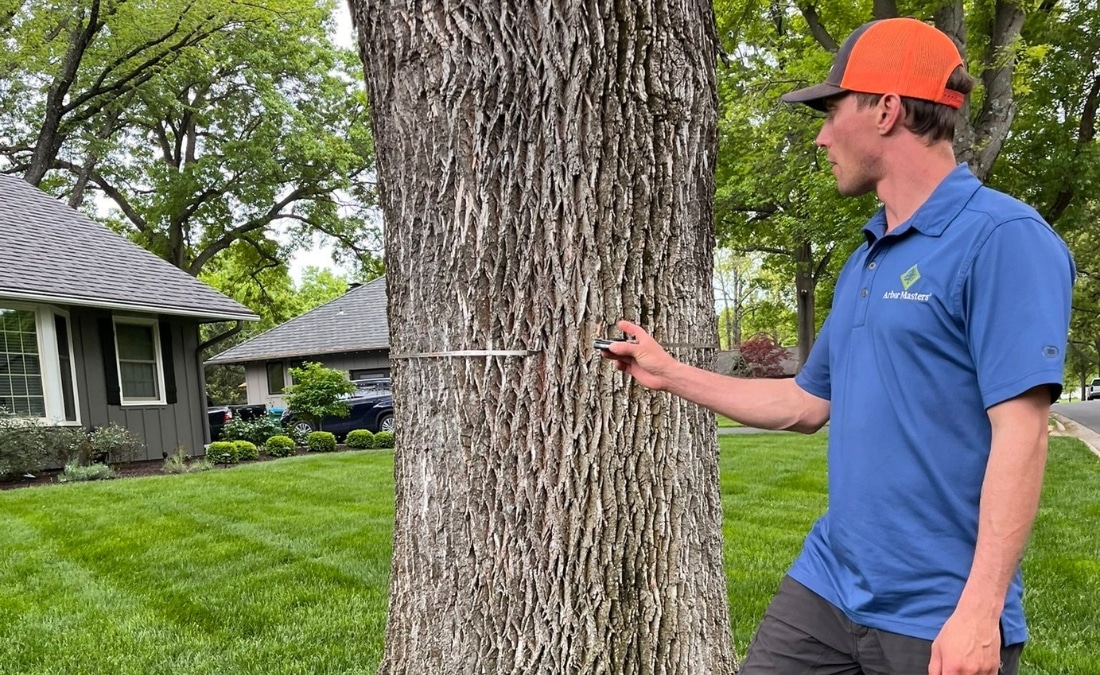
Mature trees in Butler County face unique threats from alkaline soils, wind, and age. See how professional arborist assessments help protect and preserve them.
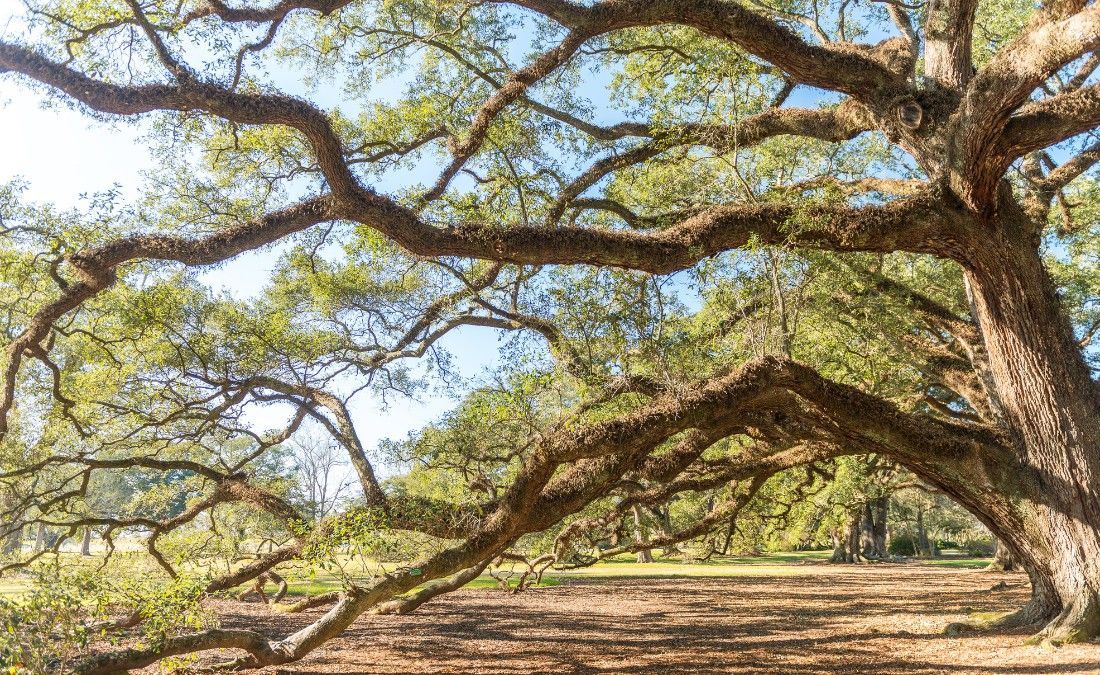
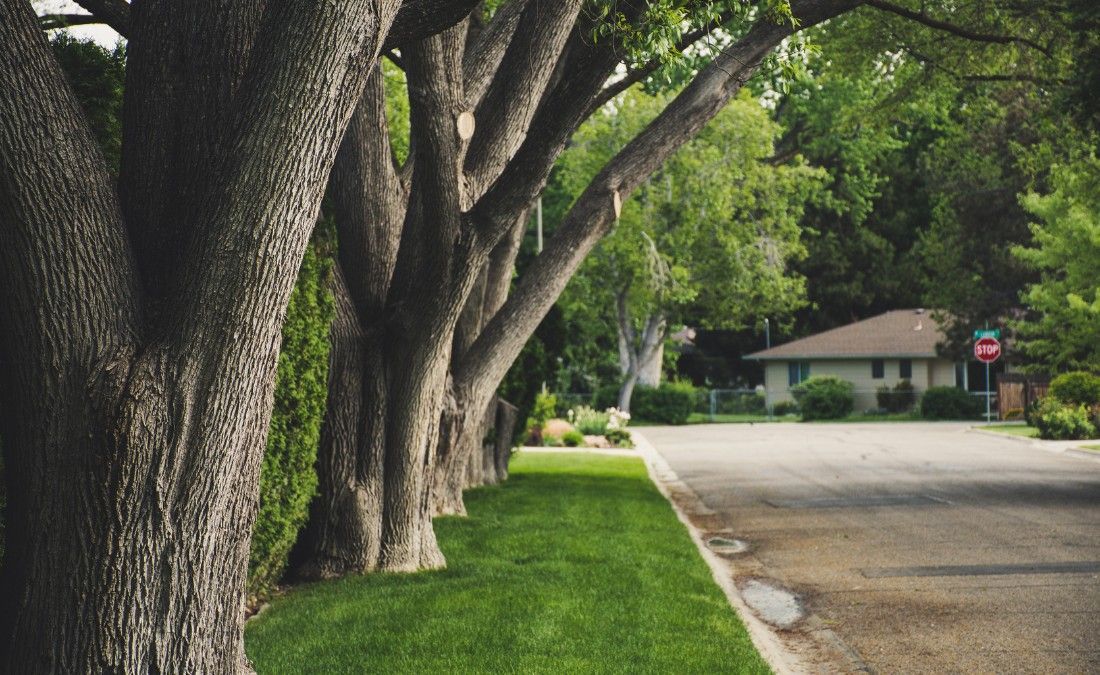
The mature trees on your Andover or Augusta property are some of the most valuable assets in your yard. They provide shade, curb appeal, privacy, and a direct boost to your home’s resale price. A tree that took 30 years to reach full size isn’t something you can replace with a trip to the nursery. But mature trees face many threats in our area, and the signs of stress and decline aren’t always obvious.
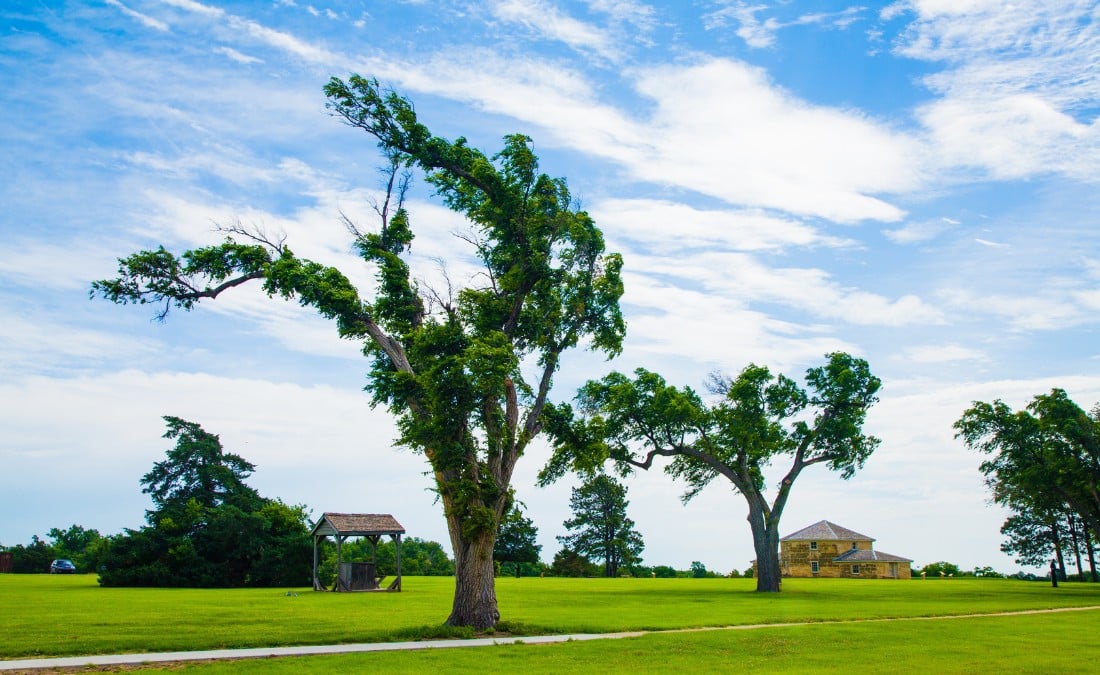
In Butler County, mature trees deal with constant pressure from wind, compacted soil, drought stress, construction damage, and age-related decline. The problem is that many serious tree issues begin below the surface or high in the canopy, long before the average homeowner notices obvious symptoms. An ISA Certified Arborist works through the tree zone by zone — root flare to crown — evaluating structure, health, and risk so you know exactly where things stand and what to do next.
Key Takeaways
- A Certified Arborist inspects mature trees in distinct zones (root flare, trunk, scaffold branches, and crown), looking for specific defects at each level.
- Butler County’s alkaline clay soils, severe storm exposure, and common species, like silver maple and hackberry, create conditions that an arborist is specifically trained to evaluate.
- Not every defect means removal; findings determine whether a tree needs monitoring, targeted treatment, structural support, or removal as a last resort.
- Early detection through a professional assessment typically costs a fraction of what emergency removal and lost property value would.
What Does a Certified Arborist Look for During a Mature Tree Assessment?
A Certified Arborist checks your tree’s structure and health in distinct zones — root flare, trunk, scaffold branches, and crown — looking for specific defects at each level. Every zone tells part of the story, and the arborist reads all of them together to form a complete picture of your tree’s structural integrity, overall condition, and future care needs.
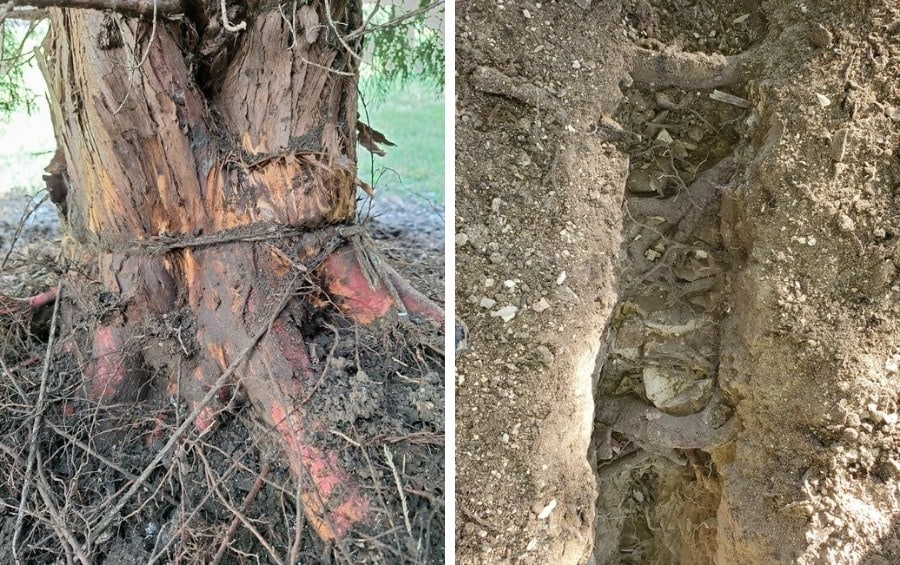
Girdling roots and compacted soil are common root-zone problems that can limit oxygen, water movement, and long-term tree stability.
Girdling Roots and Soil Compaction Around Root Flare and Root Zone
The inspection starts at the root flare, where the trunk widens into the root system. On many Butler County properties, this area is buried under excess soil or mulch, hiding problems that can quietly stress the tree for years.
Arborists commonly look for:
- Girdling roots wrapping around the trunk
- Compacted clay soil limiting oxygen and root growth
- Decay at the base of the tree
- Root damage from construction or landscaping
- Iron chlorosis in species like pin oak and silver maple
These root-zone problems are especially common in Andover and Augusta because alkaline clay soils compact easily and drain slowly.
If the root flare is buried, Arbor Masters can perform a root collar excavation using air spading to safely expose and inspect the area without damaging roots.
Cracks, Cavities, and Decay in the Trunk and Lower Stem
Moving up from the base, the arborist examines the trunk for signs of structural weakness and active decline. Key indicators include:
- Cavities, Cracks, and Missing Bark: These openings expose the tree to decay organisms and weaken its structure.
- Cankers: These dead, sunken patches of bark signal fungal infection beneath the surface.
- Old Wound Wood: Scarring from previous damage or pruning cuts may not have closed properly.
- Abnormal Taper: A healthy trunk narrows gradually from base to crown; one that stays the same diameter or bulges may be decaying internally.
- Sudden Lean: Some lean is normal, but a change in direction or soil heaving at the base signals root failure.
In Butler County, severe wind and ice storms create cumulative trunk stress on mature trees. Cracks or seams that opened during one storm worsen with each subsequent event, even when the tree looks fine in between.
Weak Attachments and Competing Leaders in Scaffold Branches and Branch Attachments
Next, the arborist turns their attention to where the tree’s major limbs connect to the trunk. This is a tree’s scaffold structure, and it’s where many structural failures originate.
The key concern is included bark, which occurs when bark gets trapped inside a branch union instead of forming a strong collar of wood around it. The result is a weak attachment that appears solid but can split apart under load.
The other major problem is codominant stems, two leaders competing rather than one strong central leader. It is common to find them in trees that never received structural pruning when they were young, especially in mature silver maples and hackberries.
Other problems an arborist might discover include:
- Deadwood that signals decline
- Overextended limbs
- Branches at risk of breaking during the next storm event
To counteract many of these problems, an arborist may suggest structural pruning to remove problematic branches or installing tree support systems to help support weak limbs or redistribute weight.
Thinning, Chlorosis, and Dieback in the Crown
The crown reveals overall vitality, and arborists look at leaf density, color, distribution, and growth patterns to see how the tree is performing. Thinning that starts at the branch tips and works inward is a classic sign of decline, and it’s something the untrained eye might not notice gradually from the ground.
During the growing season, the arborist looks for interveinal chlorosis (yellowing between the leaf veins and a hallmark of iron deficiency in alkaline soils), leaf spots, early leaf drop, and insect damage.
During the dormant season, the bare canopy reveals structural problems, dead branches, and the overall architecture that foliage hides all summer.
Both assessment windows matter for mature trees in Butler County. Summer catches the foliar symptoms tied to our alkaline soils, while winter exposes structural defects before leaf-out obscures them again.
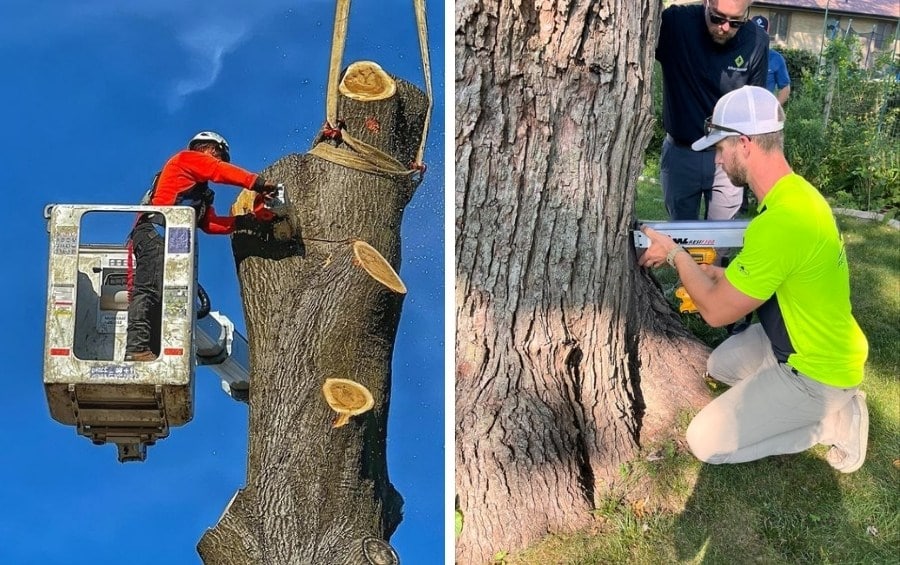
Arbor Masters uses advanced diagnostic tools to help determine whether a mature tree can be preserved or safely requires removal.
How Does an Arborist Decide Between Preservation and Removal?
An arborist decides between preservation and removal based on how severe the defects are, how many zones are affected, and whether the tree’s location puts people or property at risk. Recommendations can range from simple monitoring to targeted structural pruning, cabling and bracing, or deep root fertilization. Removal is always the last resort.
A tree is generally a good candidate for preservation when the defects are localized, a single area of decay, one overly long branch, or a thinning canopy caused by a treatable nutrient deficiency. In these cases, the arborist can target the specific problem with pruning, structural support, or soil treatment and expect meaningful improvement.
Removal becomes the recommendation when defects are widespread or compound — significant internal decay combined with a heavy lean toward a structure, multiple scaffold failures in the same crown, or a root system so compromised that the tree can no longer support itself safely. At that point, treatment won’t meaningfully reduce the risk.
We prefer to keep mature trees standing if we can, due to the value they provide and the time it takes to grow a replacement. Healthy mature trees increase property value and help homes sell faster, and when your home is worth hundreds of thousands of dollars, that’s real equity worth protecting.
Why Do Mature Trees Need Professional Inspections?
Mature trees need professional inspections because they’re at the life stage where problems develop slowly and invisibly until they become urgent. Decay progresses internally where you can’t see it, root systems weaken from decades of soil compaction and grade changes, and old pruning wounds that seemed healed may be harboring rot behind closed bark.
In Butler County, cumulative storm stress compounds everything. Each wind event, ice storm, and heavy snow load adds to the damage from the last one. A tree can absorb hits for years and then fail suddenly when one more stress event tips the balance.
The window for intervention narrows as problems progress; what’s treatable with pruning or structural support today may require removal if left unaddressed for several more years.
Frequently Asked Questions About Mature Tree Assessments
How often should mature trees be inspected?
Mature trees should be inspected every 3–5 years if they’re healthy and annually for high-risk trees near structures. In Butler County, where severe wind and ice storms are common, staying toward the shorter end of that range is a good idea, especially for trees within dropping distance of your home or ones that have been a problem in the past.
What happens after the arborist completes the assessment?
The arborist walks you through their findings on-site and recommends next steps, which could range from monitoring to targeted pruning, structural support, soil treatment, or removal if the tree can’t be preserved safely. You’ll know exactly what was found and what your options are before any work begins.
Does the location of the tree on my property affect the assessment?
Yes, a tree with a moderate defect in the middle of an open yard is a very different risk than the same defect overhanging a bedroom or driveway. The arborist considers proximity to structures, walkways, play areas, and power lines when weighing every finding. In Butler County, many established Andover and Augusta properties have mature trees within dropping distance of rooflines, which factors heavily into the final recommendation.
Should I get an assessment before major landscaping or construction near my trees?
Yes, construction, grading, and even adding new hardscape can damage root systems in ways that don’t show symptoms for months or years. An arborist can identify which trees are at risk, recommend protection measures, and flag root zones that need to stay undisturbed during the project.
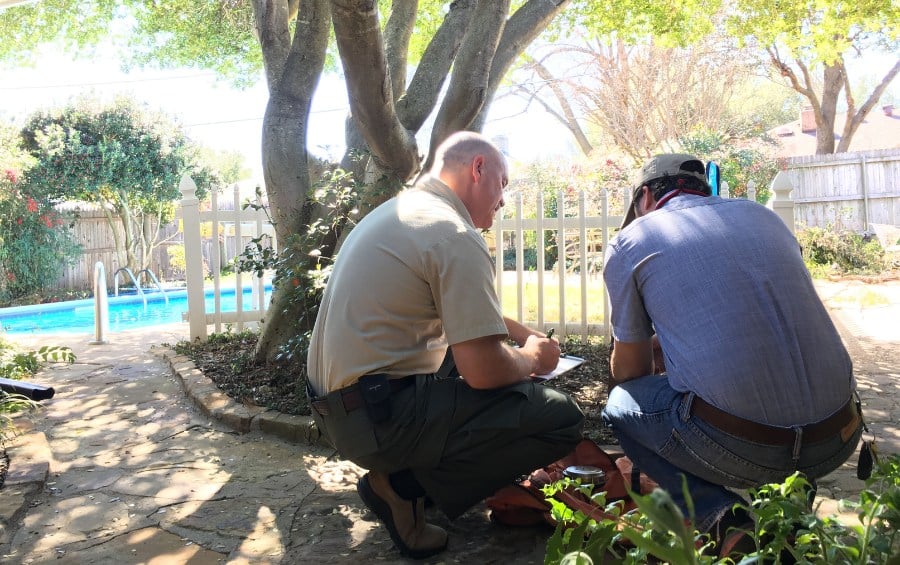
Arbor Masters crew members evaluate root conditions and overall tree health during an on-site arborist consultation in Wichita.
Schedule a Mature Tree Assessment in Butler County with Arbor Masters Today
The mature trees on your Andover or Augusta property provide shade, privacy, and real value to your home — but they need professional attention to stay healthy and safe as they age. A Certified Arborist assessment reads the full story of your tree from root flare to crown, catching problems while treatment options are still on the table.
If something about your trees seems off — thinning leaves, dead branches, early fall color, or gradual decline — Arbor Masters of Wichita can help identify the cause and recommend the right next steps. Call us today at 316-838-3111 or request a quote online to schedule a professional tree assessment.
Want More Like This?
Get the latest local news, tree care tips, special offers, and company updates directly to your inbox! It's easy to subscribe and there's no spam - we promise.
"*" indicates required fields
