
Wichita’s Heat and Wind: How to Protect Your Trees This Summer
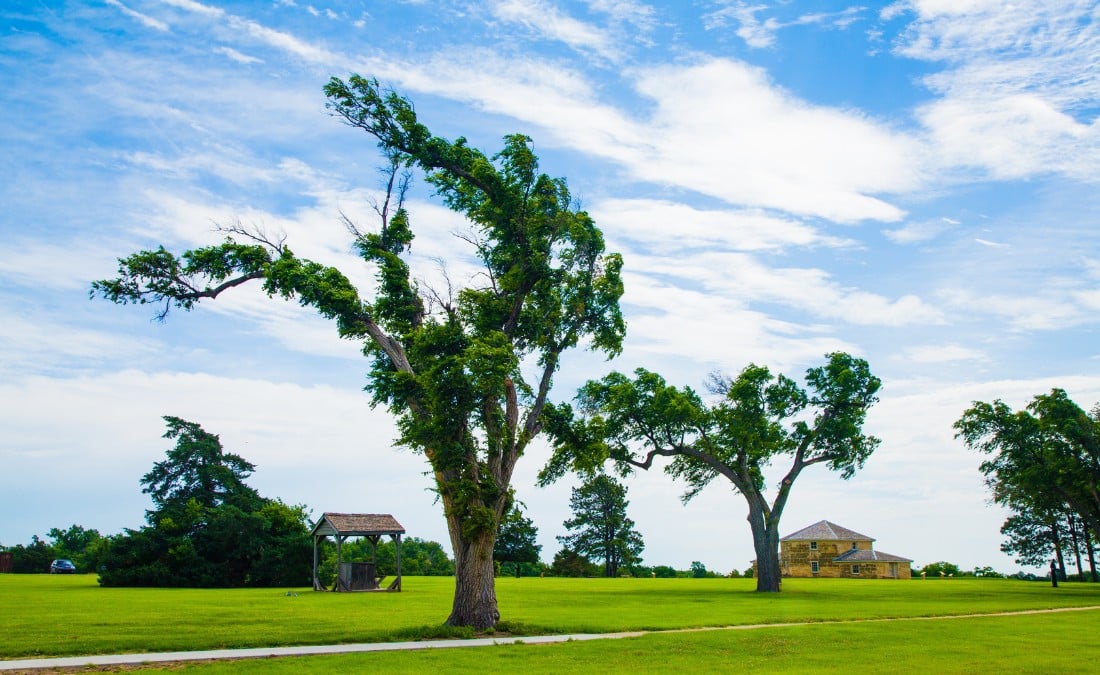
Why do Wichita trees struggle with heat and wind stress? Learn which species thrive, how to prevent damage, and what to do if your tree is already stressed.
By mid-to-late summer, you might notice your Wichita-area trees looking stressed—or even starting to die. But the damage often begins much earlier. Weeks of 95°F+ temperatures combined with persistent Kansas winds can pull moisture from leaves faster than a tree’s roots can replace it, leaving even established trees under significant stress.
While heat stress affects trees across the country, Wichita’s combination of prolonged heat and drying winds can create a physiological drought, where trees struggle to keep up with water loss even after rainfall. Understanding how these conditions affect your trees is the first step toward preventing lasting damage.
Key Takeaways
- Wichita’s heat and wind combination creates transpiration stress that mimics drought even when soil has moisture.
- Damage from June stress shows up visibly in August—that’s why your tree looked fine a month ago but looks like it’s dying now.
- Some trees thrive in Wichita’s conditions (hackberry, bur oak), while others struggle and need protection (sugar maple, Freeman maple).
- Spring and early-summer preventive care through plant health care (PHC) deep root fertilization, and mulching is far more effective than summer rescue watering.
- If your tree is already showing stress, avoid pruning and focus on watering—recovery takes time.
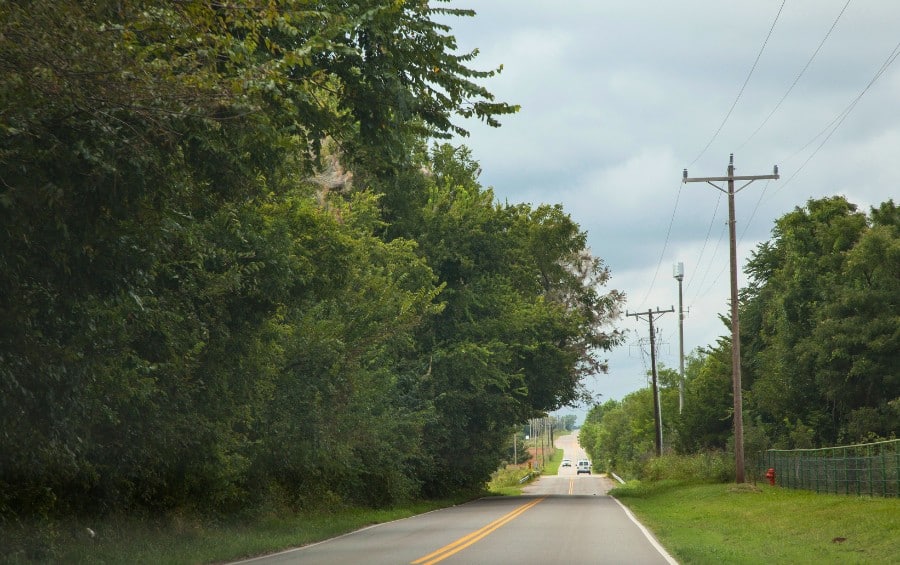
Sustained Wichita wind pulls moisture from leaves faster than roots can replace it — creating wind desiccation even when soil moisture is adequate.
Why Do Heat and Wind Stress Trees So Much?
Wichita’s sustained heat and persistent wind create a dual transpiration pressure that other cities don’t experience.
Normal heat stress alone forces trees to lose water faster than roots can replenish it. But add Wichita’s relentless south-central Kansas wind, and the problem intensifies dramatically. Wind accelerates water loss from leaves far beyond what heat alone would cause.
This combination creates wind desiccation. That’s a physiological drought even when soil moisture is adequate. The tree has water in the ground but can’t move it to the leaves fast enough because wind is pulling water out faster than the root system can deliver it.
The low humidity common in west-side suburbs, like Goddard and Maize, makes this stress even more acute. For established trees with deep roots, it becomes a losing battle. For young or shallow-rooted trees, the stress can be fatal.
Why Do Wichita Trees Decline in Late Summer?
Trees don’t show stress symptoms on the same timeline as the weather that caused them.
When prolonged heat and wind hit, trees close their leaf pores (stomata) to conserve water. That also slows photosynthesis and nutrient uptake, so the damage continues to develop long after the hottest days have passed. In many cases, here’s how the decline unfolds:
- Initial Phase (Days 1–7): Temporary wilting that may recover at night. You might see it and think it’s temporary.
- Mid-Term Phase (Weeks 2–8): Permanent wilting sets in. Leaves develop brown edges. Premature leaf drop accelerates.
- Late Phase (August Onward): Canopy thinning becomes obvious. Branch dieback is visible.
This timing confusion is why many homeowners start watering heavily in July or August, assuming they’re catching the problem early. In reality, the tree was already stressed six weeks prior. Recovery, once stress passes, takes time—expect at least one full growing season.
Which Trees Thrive in Wichita vs. Which Ones Struggle?
Understanding your options is critical. The trees you plant now will either thrive or struggle based on how well they handle Wichita’s unique climate pressures.
Trees Built for Wichita’s Conditions
Some trees handle Wichita’s heat and wind combination remarkably well.
- Hackberry: Tough and wind-resistant with a deep root system
- Bur Oak: Native to Kansas, drought-tolerant, and handles clay soils without complaint
- Shantung Maple: Smartest maple choice for Wichita and outperforms sugar maple and red maple in both heat and wind
- River Birch: Thrives in both wet and dry periods
- Kentucky Coffeetree: is exceptionally resilient with excellent heat and drought tolerance.
These species are your safe bets, especially if you’re planting in exposed west-side locations like Goddard or Maize.
Trees That Need Extra Protection (or Shouldn’t Be in Exposed Areas)
Some tree species can grow in Wichita, but they require more care to handle the area’s heat and wind.
- Sugar Maple: Susceptible to heat stress, wind damage, and bark sunscald. Performs best in sheltered locations with proactive plant health care.
- Freeman Maple (including Autumn Blaze): Faces many of the same challenges as sugar maple and benefits from careful site selection and spring plant health care treatments.
- Green Ash: Already declining in vigor and now facing the emerging threat of emerald ash borer. If you have a green ash, ask about preventative EAB treatments.
If you’re planting a new tree and have other options, avoid these species in exposed locations. If you already have one, focus on preventative care during periods of extreme heat and wind.
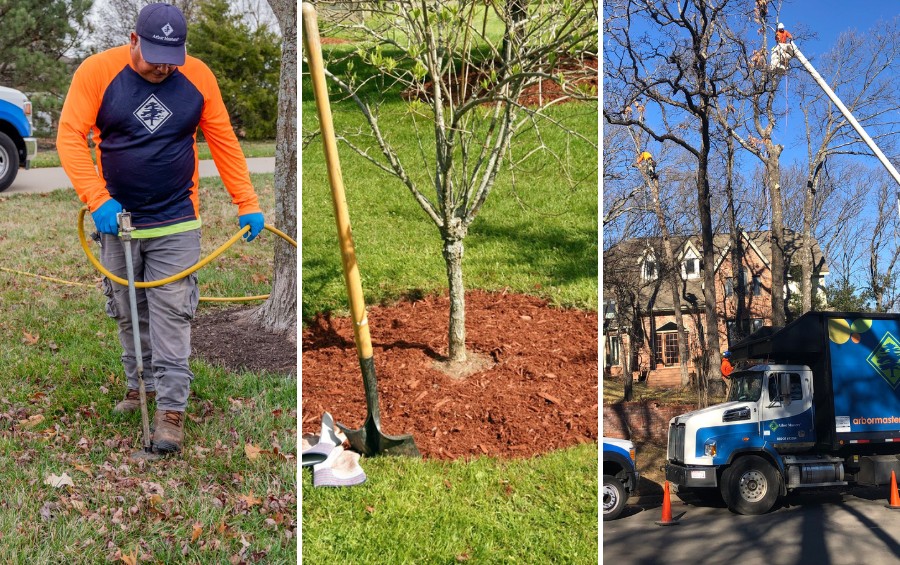
Deep root fertilization, proper mulching, and strategic pruning help trees withstand Wichita’s heat and wind stress. These preventive treatments improve root health, conserve soil moisture, and reduce the risk of drought-related decline.
How Can You Protect Your Trees Before the Heat Hits?
Preparing your trees before summer arrives is far more effective than trying to reverse heat stress after the damage is done. Focus on these preventative measures in spring:
- Deep Root Fertilization (April-May): i Builds nutrient and water reserves before peak heat and wind arrive, helping trees better withstand summer stress.
- Apply 2-4 Inches of Mulch: A layer of wood chips or bark helps conserve soil moisture and regulate root-zone temperatures. Keep mulch a few inches away from the trunk.
- Prune in Spring: Remove weak or poorly attached branches before summer to improve structure and reduce the risk of wind damage. Avoid pruning during periods of extreme heat.
- Aerate Compacted Soil: Improving soil structure allows water to penetrate more deeply and encourages healthier root growth.
These steps taken in spring mean your trees enter Wichita’s summer with every advantage. It’s the best investment you can make for tree longevity.
What Should You Do If Your Trees Are Already Stressed?
If your tree is already showing signs of heat or wind stress, focus on reducing additional stress while giving it the resources it needs to recover.
Water early in the morning at the root zone rather than overhead spraying, which wastes water to evaporation and wets foliage during heat. For detailed watering guidance customized to your specific tree, consult with an ISA Certified Arborist, as needs vary based on tree age, size, soil type, and root depth.
Avoid pruning stressed trees. Pruning forces a tree to spend energy replacing lost foliage when that energy is better used to recover from heat and drought stress.
Likewise, avoid fertilizing during periods of active stress. Fertilizer encourages new growth, increasing the tree’s energy demands when it should be focused on survival instead of producing new leaves and shoots.
Continue to monitor the tree for worsening symptoms, such as increasing canopy thinning, branch dieback, or additional leaf scorch. Recovery takes time, and severely stressed trees may need a full growing season or more to regain their health.
Frequently Asked Questions About Heat and Wind Stress
How much water should I give my tree during summer heat?
Deep water at the root zone early in the morning using a soaker hose or drip irrigation to reach roots, not leaves. For detailed guidance on frequency and volume customized to your tree’s age, size, and soil type, consult an ISA Certified Arborist—watering needs vary significantly based on root depth and soil conditions.
Should I prune my tree if it’s stressed from heat?
No. Avoid pruning stressed trees during summer. Pruning removes foliage the tree needs for photosynthesis and increases transpiration demand on remaining branches. Wait until fall dormancy or next spring to prune, allowing the tree to recover first.
Can a tree recover from heat and wind stress?
Yes, if the tree is well-established, roots reach adequate soil moisture, and you avoid further stress (no pruning or over-fertilizing). Recovery takes time—expect at least one full growing season. Young or shallow-rooted trees are more likely to die if severely stressed.
What’s the difference between drought and wind desiccation?
Drought is lack of soil water. Wind desiccation is rapid water loss from leaves even when soil has moisture. Wichita’s wind and heat creates desiccation stress that mimics drought even after rain falls. The symptoms look identical, but the cause is different—which is why watering alone sometimes doesn’t save a tree.
Which trees should I plant if I live in Goddard or Maize (west Wichita)?
Choose heat and wind-tolerant species like hackberry, bur oak, Shantung maple, river birch, or Kentucky coffeetree. Avoid sugar maple, Freeman maple, and green ash in exposed west-side locations. Consult an arborist about cultivar selection for added hardiness in your specific microclimate.
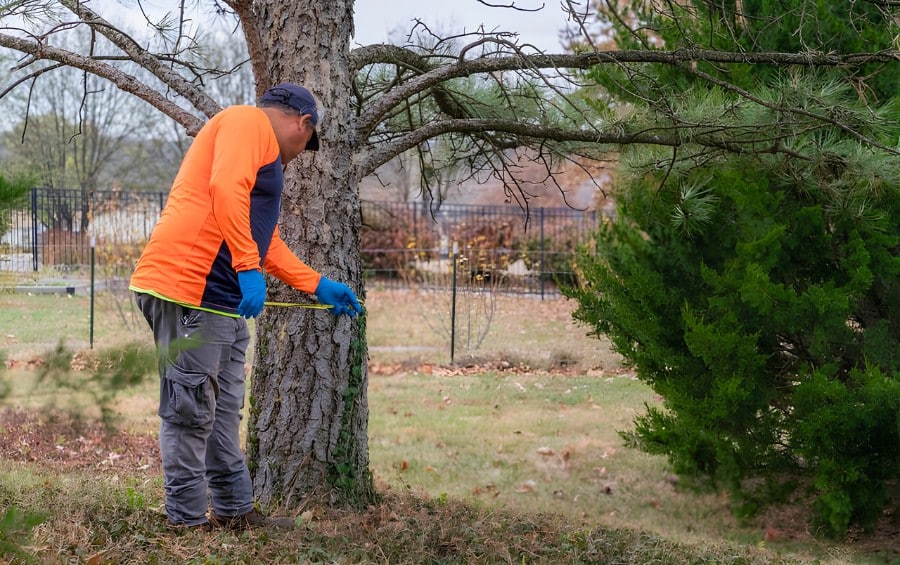
A spring tree evaluation can identify early signs of stress, pest activity, root problems, or structural defects before summer heat and wind place additional strain on a tree. Early intervention often prevents more serious decline later in the season.
Protect Your Wichita Trees Before Peak Summer Stress Hits
Wichita’s heat and wind create a uniquely stressful environment for trees. The delayed appearance of symptoms makes it easy to miss the real problem until it’s too late.
If you’re noticing stressed trees right now, watering and patience can help, but don’t prune. Looking ahead to next season, spring plant health care (PHC), deep root fertilization, and the right species choice will protect your investment long-term. For trees that are already heavily damaged or if you’re unsure whether recovery is possible, get a professional evaluation. Call us today at 316-838-3111 or request a quote online to schedule your free Wichita arborist consultation.
Learn More With These Related Articles

Want More Like This?
Get the latest local news, tree care tips, special offers, and company updates directly to your inbox! It's easy to subscribe and there's no spam - we promise.
"*" indicates required fields
