
Do I Still Need an Annual Plant Health Care Program If I Don’t See Any Pests?
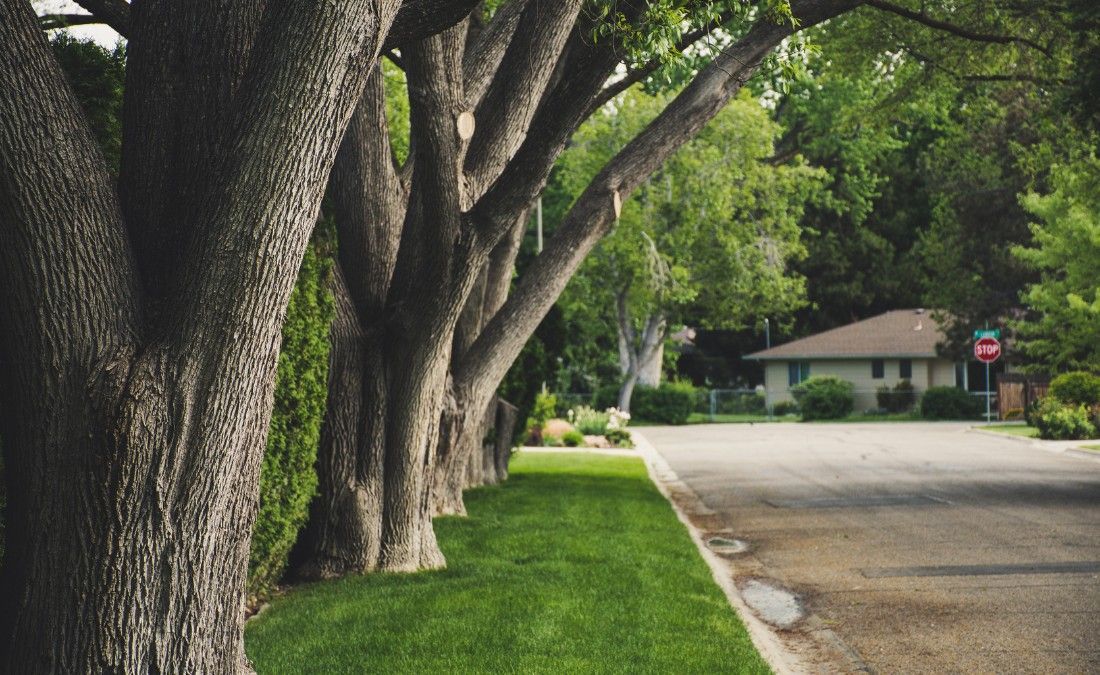
Wondering if you should renew your annual plant health care program? Learn why the absence of pests is one of the best reasons to continue preventive treatments.
Your plant health care renewal notice arrives this month. You look at your trees. They look fine (no visible pests, no obvious damage, no browning). So you ask yourself why you’re paying for this when everything looks healthy. That’s a fair question, especially if you’ve been on a preventive program for a few years and haven’t seen a major pest outbreak. The reality is that your trees look healthy because the program is working, not because you don’t need it.
In Bel Aire, Park City, and Kechi (neighborhoods where mature trees define your property’s curb appeal and value), the temptation to skip plant health care when you don’t see visible problems is understandable. But in arboriculture, invisible protection is real protection. The bugs you never see are the ones that matter most.
Key Takeaways
- The absence of visible pests usually indicates that your PHC program is preventing populations from establishing, not that pests don’t exist in your area.
- Bagworms and Japanese beetles have narrow treatment windows (mid-June through early July)—missing that window makes prevention stop working and reactive treatment expensive or ineffective.
- The prevention window is your leverage point—treatment during emergence stops 80% or more of developing populations before they reach visible numbers.
- Reactive treatment for one season of high pest populations costs significantly more than years of preventive care.
- A successful program shows concrete proof through healthy canopy vigor, the absence of visible damage, no evidence of boring insects, and year-to-year stability.
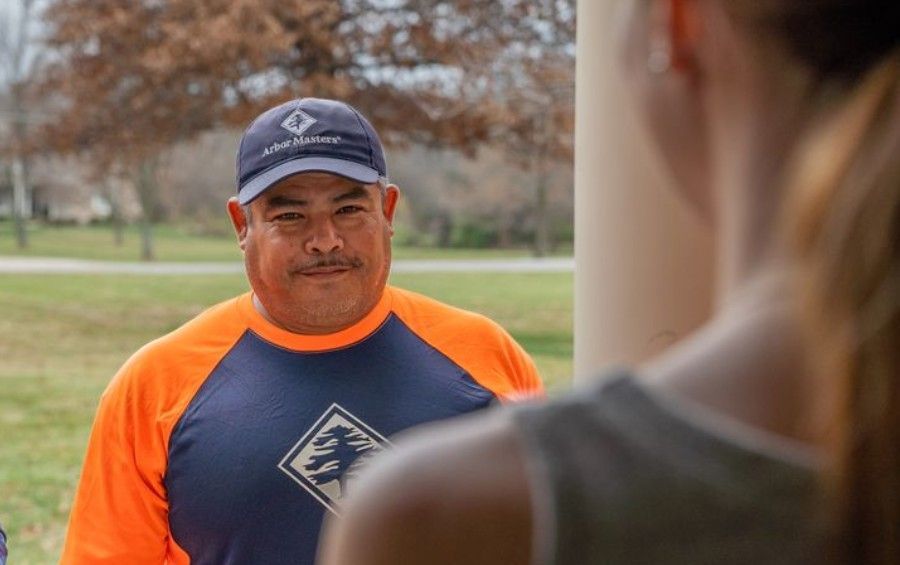
Every Plant Health Care visit includes professional guidance to help homeowners understand what’s happening in their landscape and why preventive treatments are recommended.
Why Don’t You See Pests on Your Trees?
Healthy-looking trees without visible pests are usually a sign that your PHC program is preventing populations from establishing. This doesn’t mean pests don’t exist in your area.
Most homeowners believe that healthy trees without visible bugs mean treatment is unnecessary. Professionals interpret the same healthy trees differently. An ISA Certified Arborist sees prevention that worked, not wasted money. These opposite interpretations of identical observations come down to knowledge of pest lifecycles and local history.
For example, bagworms and Japanese beetles emerge in Wichita every single year. Your PHC program disrupts the pest lifecycle before visible populations develop by stopping larvae when they’re most vulnerable and exposed. What you’re not seeing is exactly what prevention should accomplish. Larvae never took hold, beetles never started feeding, and damage that usually follows never happened.
Why Does the Prevention Window Matter?
The prevention window is the narrow timeframe when pest larvae and grubs are most vulnerable to treatment. Timing matters because once this window closes, prevention stops working and reactive treatment becomes less effective and significantly more costly. Here’s how this plays out for the two most damaging pests in Bel Aire and surrounding areas.
By the Time You Notice Bagworms, the Best Treatment Window Has Usually Passed
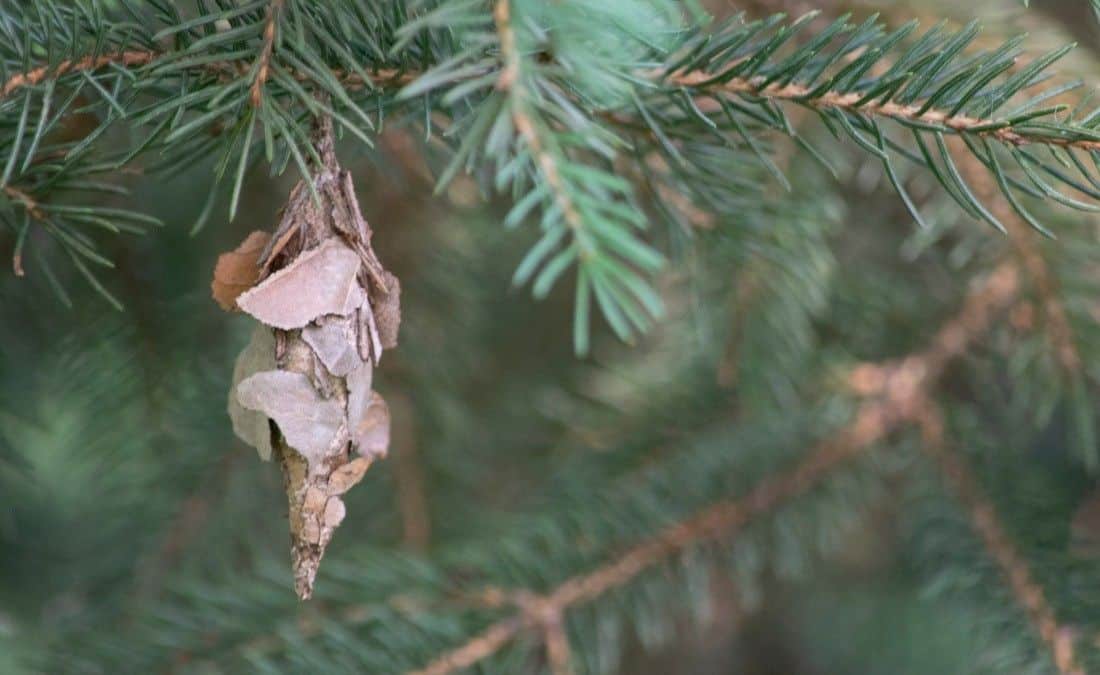
Bagworm are one of the clearest examples of why preventive plant health care works. The most effective treatments target newly hatched larvae before they have a chance to build their protective bags.
As the summer progresses, that opportunity quickly disappears:
- Late May to Early June: Eggs hatch, and young larvae are exposed and highly susceptible to treatment.
- Mid-June Through Early July: Preventive treatments remain highly effective.
- By Early August: Larvae have sealed themselves inside their protective bags, making most insecticides far less effective.
This is why waiting until you see large bags hanging from your trees often limits your options. Annual plant health care is designed to protect trees before pests reach the stage where treatment becomes more difficult, less effective, and often more expensive.
Waiting Until You See Japanese Beetles Means You’re Already Behind
Adult Japanese beetles emerge late June through early July. Early prevention stops grubs before beetles emerge and cause visible feeding damage. Without prevention, feeding beetles emit pheromones that attract more beetles. One feeding frenzy can strip a tree’s canopy in days, and damage spreads rapidly across multiple trees.
Prevention before visible feeding damage appears means a healthy canopy all summer. Once beetles are visibly feeding, damage is already happening, and treatment becomes reactive instead of proactive.
What Happens When You Skip Plant Health Care?
Skipping PHC when pest pressure is low is a gamble. The risk is that pest populations can change dramatically from one season to the next, leaving you to react after damage has already begun.
What Does Reactive Treatment Actually Cost?
If pest populations surge after you skip plant health care, prevention becomes reaction, and the costs add up quickly. Here’s what you could be facing:
- Heavy pest feeding can weaken a tree so severely that it requires years of recovery treatments
- Emergency treatment is 3-5x more expensive than preventive care
- In severe cases, tree removal and replacement is needed and is the most expensive outcome of all
The real gamble happens when you skip PHC during a calm year. Pest populations fluctuate based on Kansas weather. Warm springs trigger emergence, dry summers attract certain insects, and mild winters help pests survive until the next season. If you skip treatment, you’re betting pest pressure will stay low. If it doesn’t, you could be facing emergency treatment costs, tree damage, or even removal.
Many homeowners learn this the expensive way. They drop coverage during low-pest years, then reinstate it after one costly high-pressure season.
How Do You Know Your PHC Program Is Working?
A successful PHC program is designed to keep problems from developing in the first place. Instead of looking for evidence that treatments were needed, look for the signs that your trees are staying healthy year after year, including:
- Healthy Canopy Vigor: New growth is vigorous, foliage color is balanced (not bleached or yellowed), and branches are full
- Absence of Visible Pest Damage: No bagworms, no Japanese beetle skeletonized leaves, no visible scale or mites
- No Boring Insect Evidence: No D-shaped exit holes (emerald ash borer, bronze birch borer), no sawdust at the base
- Disease Suppression: No visible cankers, dieback, or fungal fruiting bodies
- Year-to-Year Consistency: Healthy trees today are healthy trees next year, because the program prevents pest damage from compounding over time
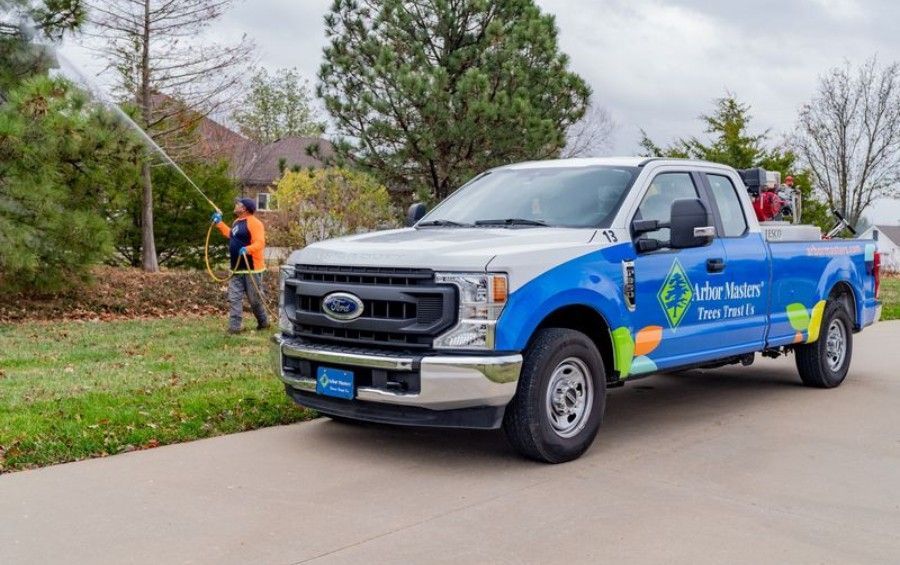
Arbor Masters’ Plant Health Care program combines precise timing with bee-safe, reduced-risk products to protect both your trees and the surrounding ecosystem.
What Makes Arbor Masters’ Plant Health Care Different?
Arbor Masters uses bee-safe, reduced-risk products applied with strategic precision, not broad-spectrum spray.
How 28-Day Protection Covers Peak Pest Activity
Arbor Masters’ reduced-risk products control Wichita’s harmful insects when they’re most vulnerable while protecting beneficial insects like pollinators and natural predators. The 28-day residual effect means the product is present on foliage during the narrow window when bagworms and Japanese beetles emerge.
This practice is integrated pest management (IPM), the approach recommended by K-State Extension and the International Society of Arboriculture.
Why Reduced-Risk Products Work
You don’t need harsh chemicals to stop pests if you treat when they’re most vulnerable. Strategic timing and precision application are what make the difference. Harmful insects are controlled while beneficial insects thrive in your landscape.
Choosing professional PHC with bee-safe, reduced-risk products means your trees stay healthy while your neighborhood’s pollinator populations remain strong. You’re not choosing between tree health and environmental responsibility—you’re choosing the approach that delivers both.
When Should You Call a Professional Arborist?
You should have a professional arborist evaluate your PHC program if any of these situations apply:
- You’re unsure whether your current program is working
- You’ve noticed new pest or disease activity
- You’re considering dropping PHC to save money and want to understand the specific risks in your landscape
- Your trees have changed since enrollment
- You want to understand the lifecycle of pests in your specific neighborhood (not just general Wichita trends)
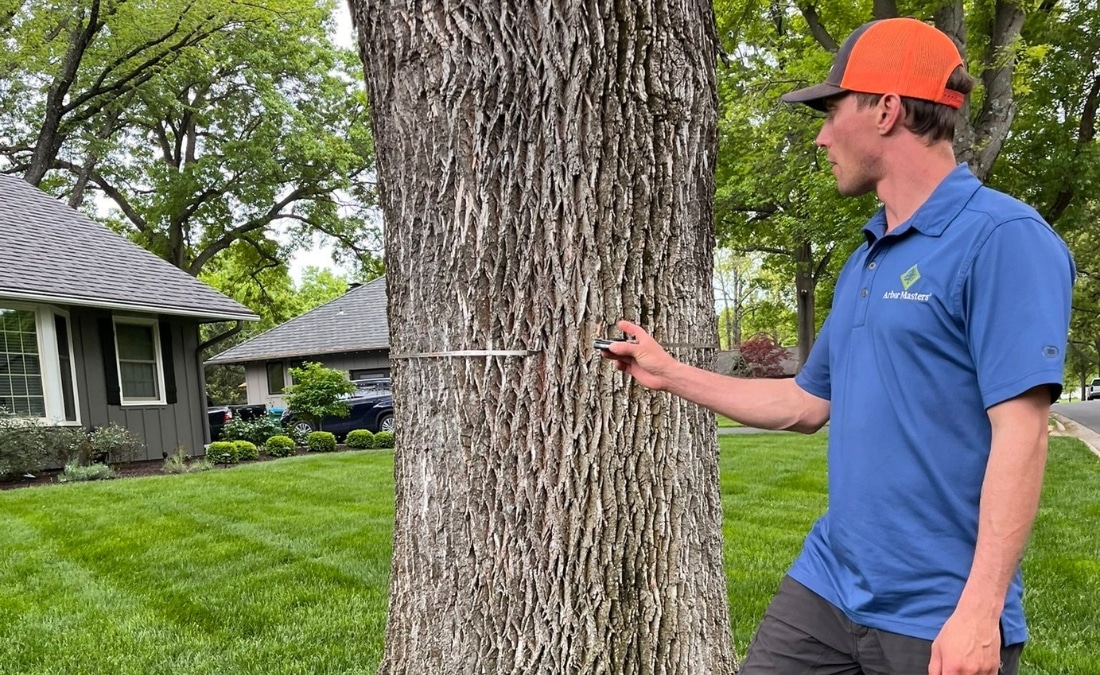
An ISA Certified Arborist can identify emerging pest or disease pressure before visible damage occurs. They understand local pest lifecycles and can time treatments to your landscape’s specific needs. They can explain why your program is working (or diagnose why it isn’t) based on your actual trees, not generic guidance.
You can expect a professional PHC consultation to include canopy health assessment, pest and disease screening, personalized treatment recommendations, and a clear explanation of why your landscape needs the services recommended.
Frequently Asked Questions About Plant Health Care
What if my trees have been healthy for several years? Can I skip a year of PHC?
Healthy years don’t predict the next year. Pest populations depend entirely on weather conditions and other environmental factors that shift year to year. The year you skip treatment might be the year bagworms or Japanese beetles explode in your area. Continuous prevention protects you against that unpredictability.
How do I know if my arborist is actually treating my trees or just charging me for nothing?
Ask your arborist to explain what they’re treating for and what results you should expect. A good arborist will show you evidence of past pest activity and give you concrete signs to watch for. If you’re unsure, request a canopy assessment during your renewal visit.
Is plant health care the same as fertilization?
No. Fertilization is one component of PHC, but a full program includes pest prevention, disease monitoring, nutrient management, and sometimes pruning. A complete PHC program addresses the whole health picture.
What if I already see bagworms or Japanese beetles on my trees? Is it too late?
If bagworms are visible, they’ve likely sealed themselves in bags, and prevention is less effective. Japanese beetles can still be treated, but prevention is always more cost-effective. If you’re seeing visible pest damage, call a professional for emergency treatment assessment and plan preventive PHC for next year.
Why does my neighbor’s tree look healthy without plant health care?
Tree health depends on many factors. Genetics, soil quality, watering, pruning history, and pest pressure all play a role. Some trees are naturally more resilient, and some neighborhoods have lower pest pressure in a given year. But that luck changes. A professional PHC program protects your investment year after year, regardless of conditions.
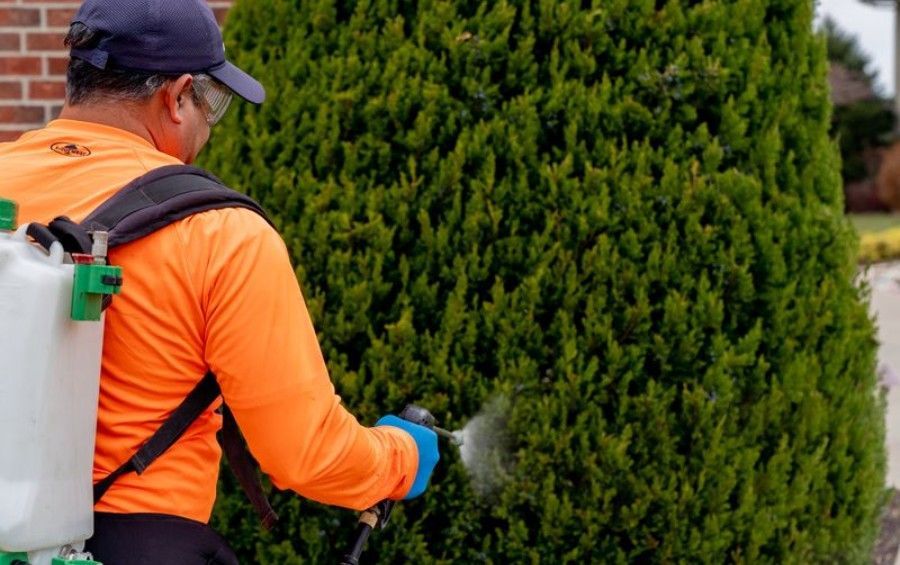
Targeted applications deliver preventive protection where it’s needed while minimizing exposure to beneficial insects and pollinators.
Renew Your Plant Health Care with Confidence
The absence of visible pests in Bel Aire, Park City, and Kechi doesn’t mean your plant health care program is unnecessary. More often, it’s proof that your program is working. Bagworms and Japanese beetles emerge every year in Wichita, and prevention during their narrow lifecycle window stops the majority of developing populations before damage starts.
Whether you’re renewing your program or exploring plant health care for the first time, schedule your PHC consultation or call 316-234-0056. We’ll help you stay ahead of pests with a customized prevention plan designed for your landscape.
Want More Like This?
Get the latest local news, tree care tips, special offers, and company updates directly to your inbox! It's easy to subscribe and there's no spam - we promise.
"*" indicates required fields
