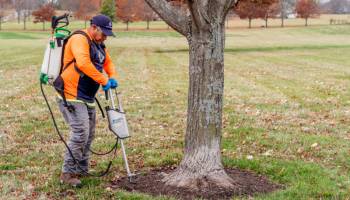
Planning Lot Clearing in Smithville, MO? What to Know Before You Begin
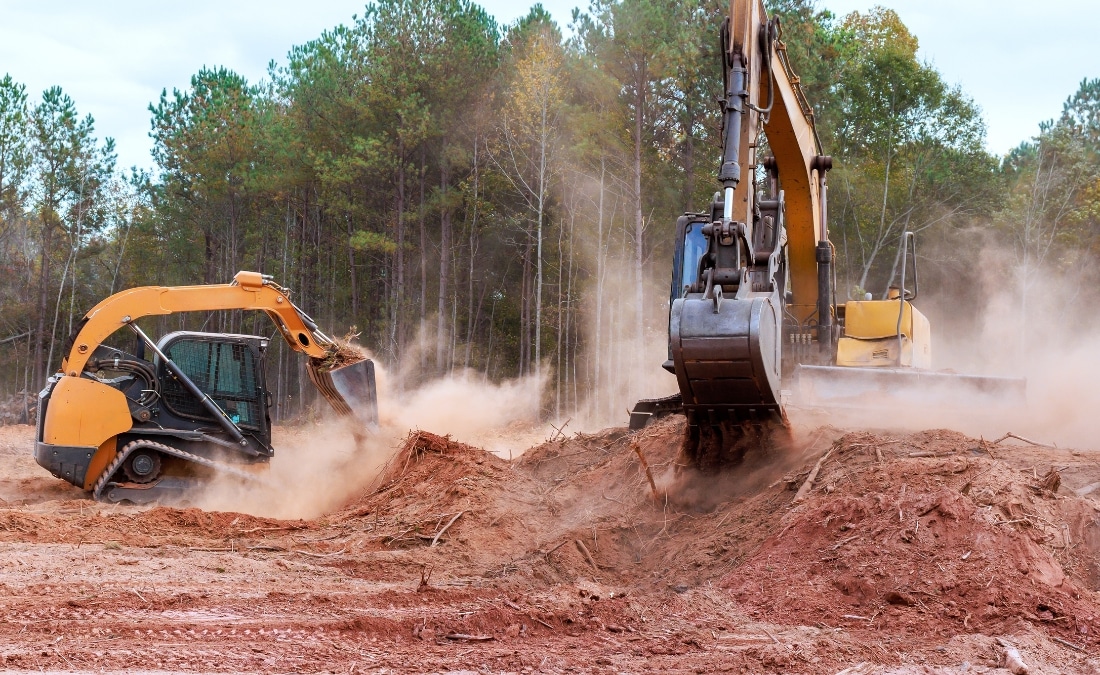
Clearing a wooded lot in Smithville involves more than removing trees. Learn what to know about lot clearing, permits & site prep before breaking ground.
Smithville is seeing its largest wave of new-home construction in decades. Between Fairview Crossing, Lakeside Farms, and ongoing growth in established neighborhoods, hundreds of new homes are being planned across the city. If you’ve just closed on a wooded lot, you’re about to face a decision that many new-construction homeowners underestimate: what do you actually do with the trees before construction starts?
That’s where smart lot clearing in Smithville, MO begins. A few decisions made in the right order — permits, tree inventory, site plan — let you keep your best trees standing without slowing the build.
Key Takeaways
- Clay County requires a Land Disturbance Permit for any project clearing one or more acres, and the three-step approval process needs to start before equipment arrives.
- Mature native trees — especially bur oak, black walnut, and shagbark hickory — take decades to replace and add meaningful property value.
- Smithville’s heavy clay soils make construction compaction damage far worse than on looser soils, which changes both what you can save and how the work needs to be done.
- An ISA Certified Arborist evaluates which trees are healthy, structurally sound, and worth preserving before anything is removed — a step most general land-clearing contractors skip.
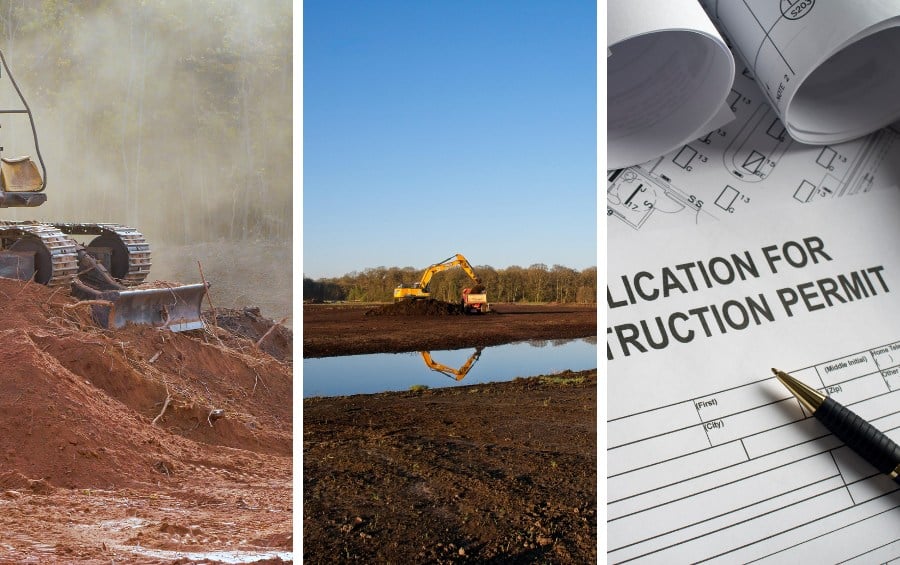
Clay County’s three-step Land Disturbance Permit process covers everything from soil stockpiling to stormwater runoff before any equipment touches the site.
Do You Need a Permit to Clear Your Lot in Smithville?
If your Smithville lot is in unincorporated Clay County and you’re clearing one or more acres, yes — you need a Land Disturbance Permit before any work begins.
Clay County’s Three-Step Land Disturbance Permit Process
The Clay County Land Disturbance Permit process has three submissions that must be completed in sequence:
- Erosion and Sediment Control (ESC) Plan: Documents how your project will keep soil on-site during clearing and construction.
- Stormwater Pollution Prevention Plan (SWPPP): Addresses how land disturbance affects runoff quality leaving your property.
- Land Disturbance Permit: Issued once the first two plans are approved. Silt fence and other BMP installations have to be in place before any other site work begins.
For smaller projects, the requirements are lighter but not zero — Clay County still has standards for projects under one acre worth reviewing before clearing starts.
If Your Lot Is Inside Smithville City Limits
Incorporated Smithville has its own permitting process, separate from Clay County’s, so your first step is confirming which jurisdiction your property falls under. The City of Smithville Development Department handles building permits, erosion control requirements, and site plan review for lots inside city limits. Lots in FEMA A or AE flood zones — common near Smithville Lake and along the Little Platte River — also require a separate Floodplain Development Permit.
Be sure to confirm your jurisdiction and check your flood zone before you schedule any equipment; an afternoon of verification is far cheaper than a stop-work order after clearing has started.
Which Trees Are Worth Saving on a Smithville Lot?
The trees most worth preserving on a Smithville lot are long-lived natives from the bottomland forests and upland woods of the Little Platte River corridor — each one with decades of growth that no replacement planting can shortcut:
- Bur Oak: Long-lived (often several hundred years) and adaptable to both bottomland and upland sites.
- Black Walnut: Missouri’s most valuable native tree for lumber and shade, common on higher ground in the Little Platte corridor.
- Shagbark and Shellbark Hickory: Bottomland hickories with distinctive peeling bark and strong wildlife value.
- Sycamore: The iconic white-barked riparian tree along Little Platte tributaries, and the nesting tree for nearly all of Missouri’s great blue heron rookeries.
- Swamp White Oak, Pin Oak, and Hackberry: Common in transitional zones and worth preserving when healthy and sited outside the building footprint.
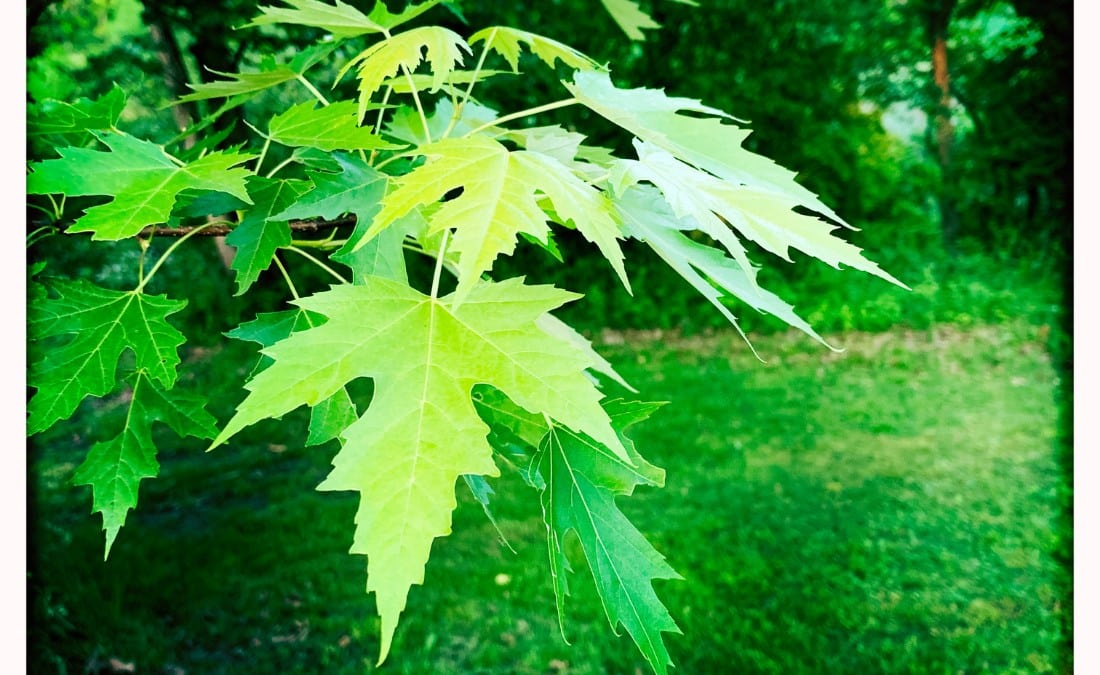
This isn’t an exhaustive list. Mature black cherry, American elm, white oak, and even established silver maples can be worth preserving depending on their condition and location — which is exactly why a tree-by-tree inventory beats a species-based rule of thumb.
If any of these are established on your lot, the right question isn’t whether they should come down — it’s how much the site plan can flex to keep them standing. Shifting the building footprint by 10 feet, rerouting the driveway, or changing where heavy equipment stages can save a tree that first looked unsavable. When none of that works, an arborist walkthrough before the plan is finalized at least lets you make the call deliberately instead of by default.
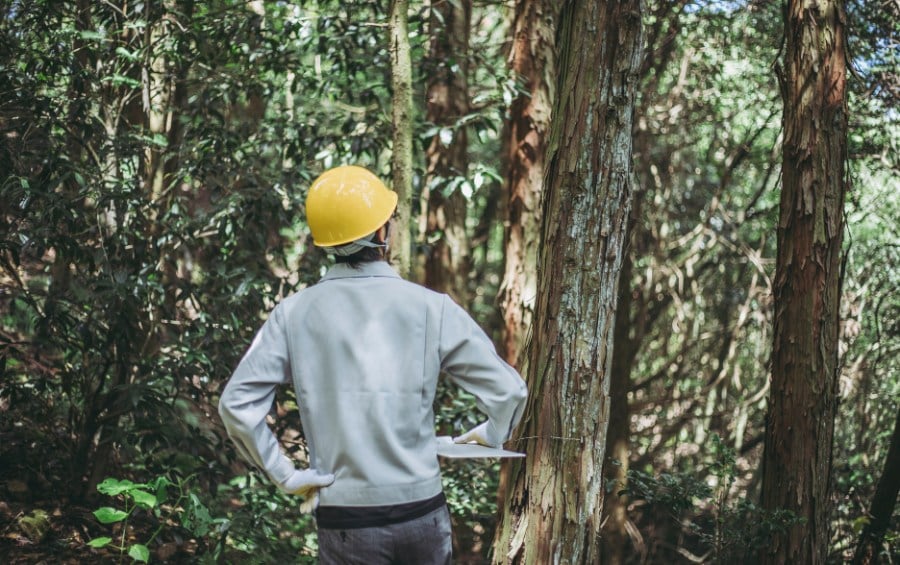
A pre-clearing walkthrough identifies which trees on a Smithville lot are healthy enough to preserve — and which are structurally compromised regardless of the site plan.
How Is Arborist-Led Selective Clearing Different from Standard Lot Clearing?
Most lot-clearing companies are focused on one thing: opening the site as quickly and efficiently as possible for construction. Trees are treated as obstacles, and the work is planned around heavy equipment access, not long-term tree preservation.
That approach often leaves homeowners with a frustrating outcome: mature trees that technically survived clearing but begin declining a few years after construction is complete. In Smithville’s heavy clay soils, repeated equipment traffic, grading, trenching, and soil compaction can damage root systems long before stress shows up in the canopy.
Arborist-led selective clearing works differently. Instead of starting with “What can we remove fastest?”, the process starts with “Which trees are realistically worth preserving?”
Before clearing begins, an ISA Certified Arborist evaluates the property tree by tree, considering species, health, structure, root zone location, and how each tree interacts with the future building footprint. From there, the clearing plan is built around protecting high-value trees whenever possible.
That may include:
- Adjusting equipment routes to avoid root zones
- Shifting staging areas away from mature trees
- Installing protection fencing before work begins
- Selectively removing trees instead of blanket clearing
- Identifying trees unlikely to survive construction before money is spent trying to save them
On wooded lots throughout Smithville — from new subdivisions to older acreage properties — those decisions can mean the difference between mature trees that thrive after construction and trees that slowly decline for years after move-in.
When to Call a Professional Arborist
Any time a Smithville construction project will disturb more than a small area around a structure, it’s worth getting an ISA Certified Arborist on the property first. Call before the clearing contractor if any of these apply:
- You’ve bought a wooded lot
- You’re clearing more than a quarter acre
- You have trees over 12 inches in diameter near the planned building footprint
- You’re unsure whether your lot triggers the Clay County one-acre permit threshold
Frequently Asked Questions About Lot Clearing in Smithville, MO
What’s the minimum distance for tree protection during construction?
A good rule of thumb is 1 to 1.5 feet of protected radius for every inch of trunk diameter — so a 20-inch oak needs a 20 to 30-foot buffer with no equipment, storage, or grade changes inside it.
What happens to the trees and brush after clearing?
Material is either mulched on site or hauled off, depending on your preference and the volume of debris. Chipped material can often be reused as mulch around the trees you’re preserving.
Will lot clearing affect my homeowners insurance or property value assessment?
Mature trees are generally treated as part of your property’s appraised value, so clearing healthy trees unnecessarily can reduce your lot’s assessment. A written arborist inventory documents what was on the property and why specific trees were removed — useful for both insurance and appraisal purposes.
Can I clear my lot in phases rather than all at once?
Yes, and phased clearing often makes sense when a build will happen over several months. Your arborist can plan a sequence that removes only what each construction phase needs while keeping preserved trees protected from equipment during later work.
How far in advance should I schedule lot clearing before my build starts?
Plan for at least 6-8 weeks between your arborist walkthrough and your builder’s construction start date. That window covers permit review, site plan adjustments around preserved trees, and protection zone installation.
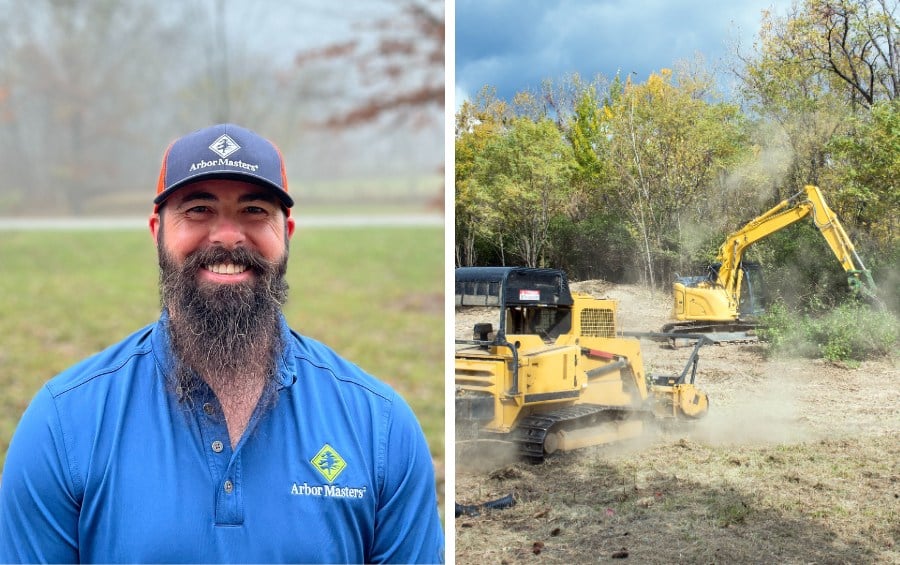
Arbor Masters arborists walk every lot before clearing begins, then return with equipment sized to preserve the trees worth saving.
Before You Clear Your Smithville Lot, Talk to an Arborist at Arbor Masters
The best trees on a Smithville lot usually come down by accident — rushed schedules, no inventory, no one on site making the call on the tree in the back corner. A walkthrough with an ISA Certified Arborist before the site plan is finalized changes that: you know which trees are worth saving, and what it takes to protect them through construction.
If you’ve bought a lot in Fairview Crossing, Lakeside Farms, Tillery Estates, or anywhere else in the Smithville area, call the Arbor Masters team at 913-441-8888 to schedule a property walkthrough before you finalize your site plan.
Arbor Masters is third-generation family-owned, TCIA-accredited, and has been caring for Northland trees since 1960. Request a free consultation to kickstart your construction project today.

Want More Like This?
Get the latest local news, tree care tips, special offers, and company updates directly to your inbox! It's easy to subscribe and there's no spam - we promise.
"*" indicates required fields