
Why Are My Tree Leaves Turning Brown and Crispy in Summer?
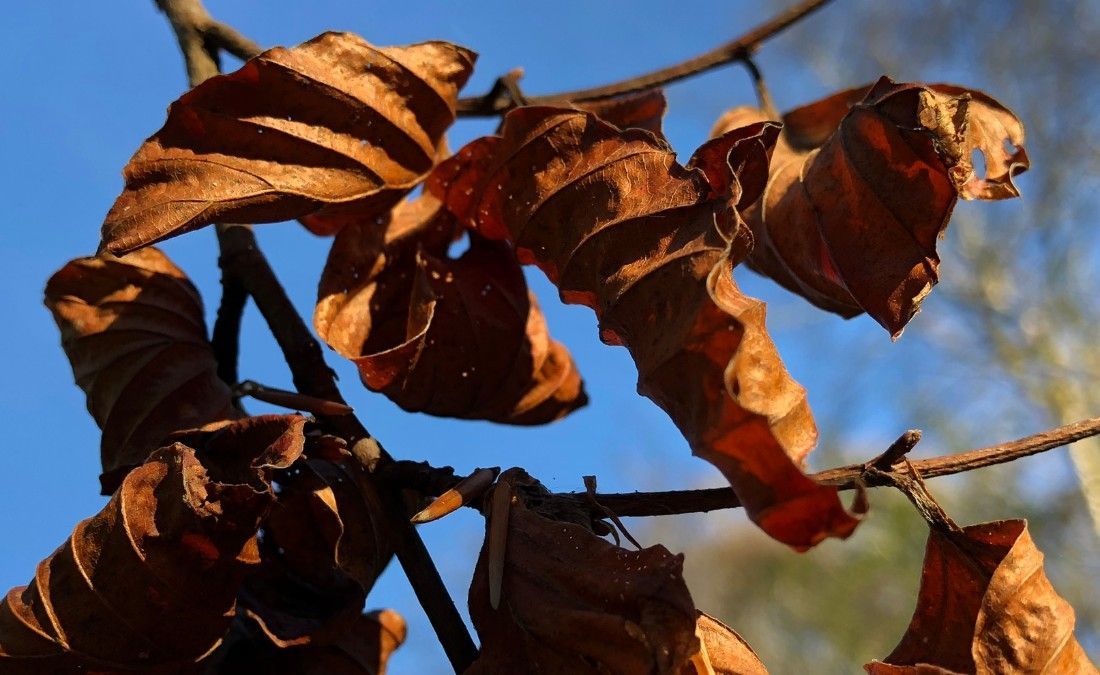
Brown, crispy leaves don't always mean your tree is dying. Learn what causes summer leaf scorch, when to water, and when to call an arborist.
A recent stretch of punishing heat across the Great Plains pushed temperatures well above normal for days on end, and Northland trees felt every degree of it. While brown, crispy leaves can look alarming, they’re often the first clue that your tree is under stress — not necessarily that it’s dying. And recovery often comes down to one thing: watering correctly for our heavy Missouri clay.
Key Takeaways
- Brown, crispy leaf edges in summer are most often leaf scorch from heat and water stress, which is usually manageable rather than a death sentence.
- Some browning and light leaf drop during a heat wave is normal, but sudden heavy drop, one-sided browning, or browning spreading toward the leaf centers is worth a Certified Arborist’s assessment.
- Heat scorch shows up first on the exposed, sun-facing canopy and eases when temperatures fall, while deeper drought stress keeps progressing as long as the soil stays dry.
- In Missouri’s heavy clay, deep and infrequent watering is better than shallow daily sprinkling, but overwatering can suffocate roots just as fast as drought can starve them.
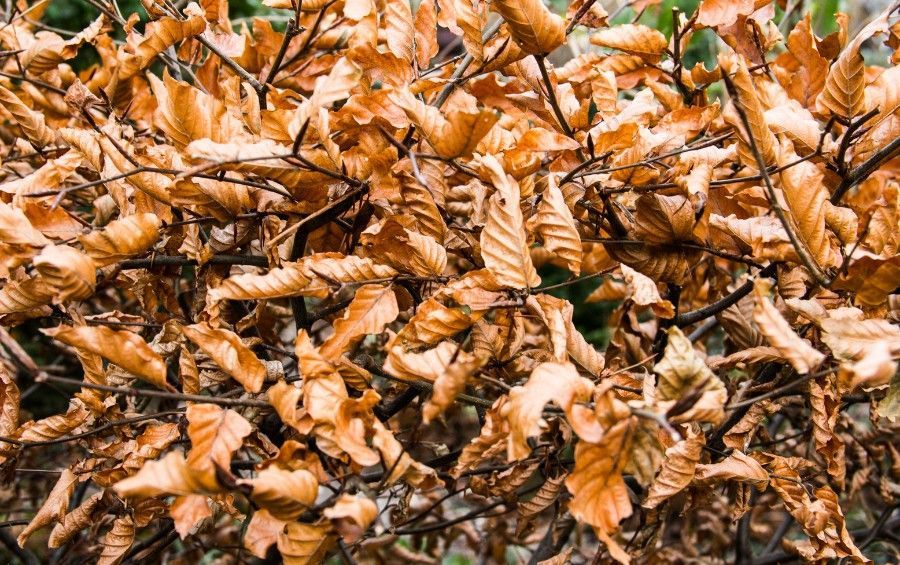
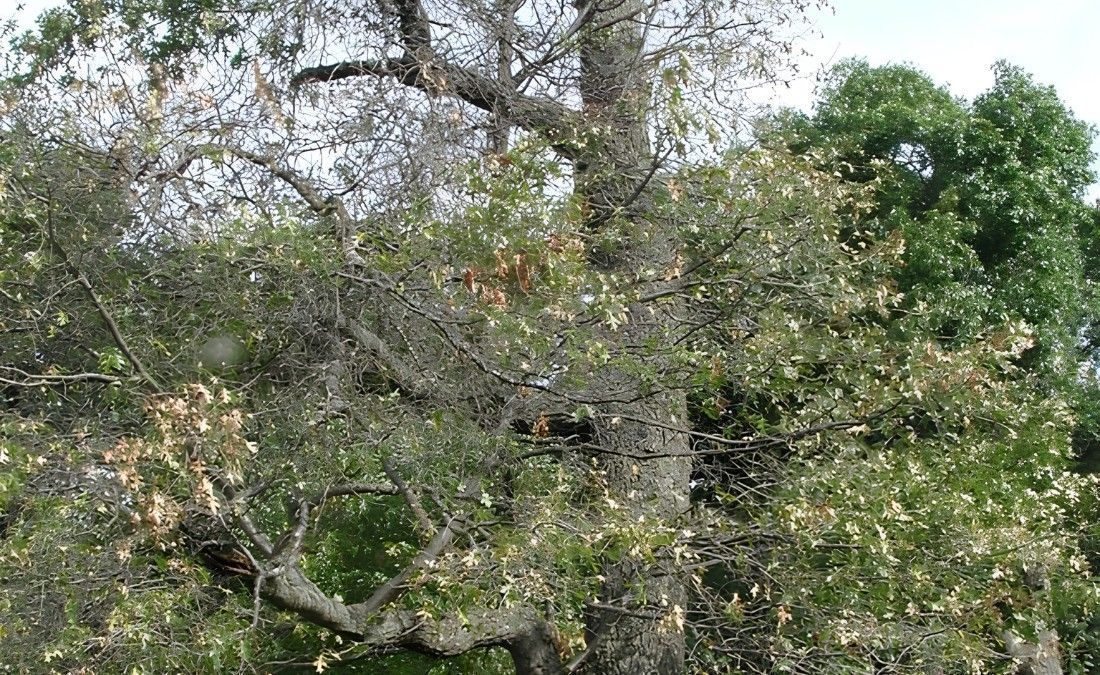
Severe summer stress can leave large sections of a tree’s canopy brown, dry, and brittle.
Why Do Tree Leaves Turn Brown and Crispy in Summer?
Brown, crispy edges are a classic sign of leaf scorch, which happens when a tree loses water faster than its roots can pull it back up. The margins and the tissue between the veins dry out first, so the browning starts at the outer edge and works its way inward.
Because leaves lose the most water through their edges, when the supply falls behind demand, those same margins are the first to go. That is why true water-related scorch reads as a brown, brittle border creeping toward the center while the middle stays greener.
The pattern of the browning is the best way to tell if the browning is due to water loss, summer heat, or something else you should be more concerned about:
- Edge-Inward Browning: Usually points to a water deficit, where the tree cannot keep the outer leaf tissue supplied.
- One-Sided Browning: Tends to mean sun and heat exposure on the hardest-hit side of the tree.
- Whole-Leaf or Center Browning: The more concerning pattern, and it deserves a closer look rather than a simple wait-and-water response.
Why Northland Clay Soil Makes Summer Scorch Worse
Our heavy clay drains slowly, and that quietly works against trees. A wet spring can leave clay saturated for weeks, and roots sitting in soggy soil can suffocate and die back before summer even arrives. When the heat finally hits, a tree that lost some of its roots in spring has less of a root system left to keep up, so it scorches sooner and harder.
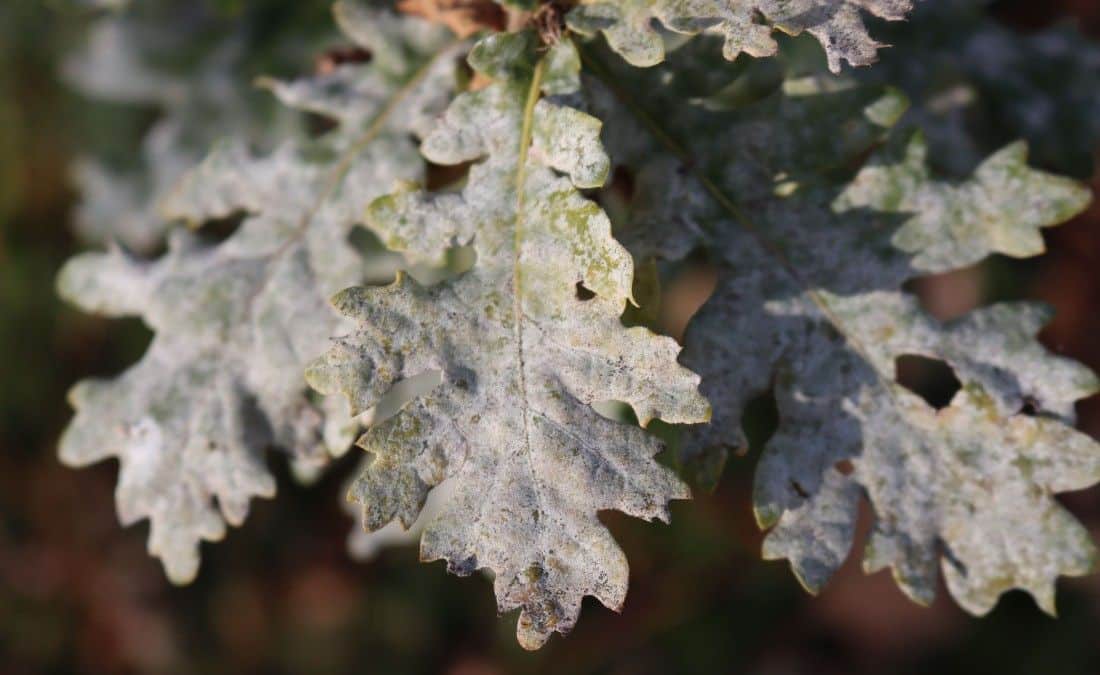
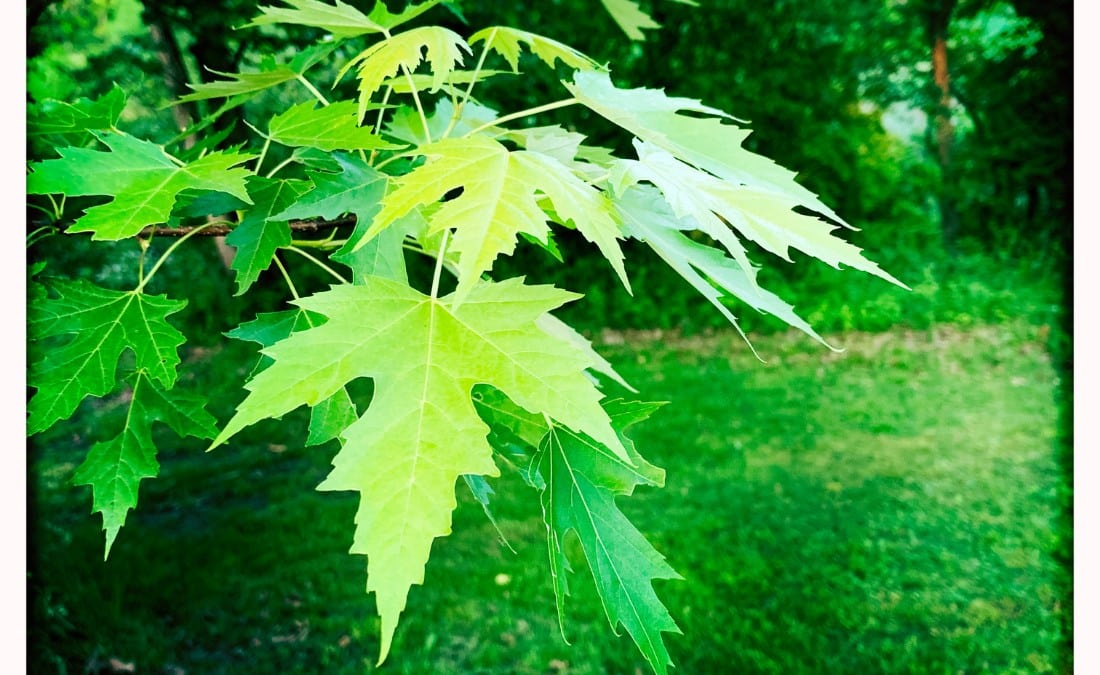
Species differ in how they show summer stress and some feel it more than others. Sugar maples, for instance, are sensitive to hot, dry spells and often show scorch early. And pin oaks are a common source of confusion: what looks like stress is often iron chlorosis on our alkaline clay, which yellows the leaves between the veins rather than browning their edges.
That’s why choosing trees that hold up better to Kansas City’s heat and dry spellsis one of the best long-term decisions a Kearney homeowner can make.
Which Summer Symptoms Are Normal and Which Are Cause for Concern?
Some browning and light leaf drop during a hot, dry summer are completely normal. Trees often shed a small number of leaves to conserve water until conditions improve. The key is recognizing when the symptoms go beyond ordinary summer stress.
Normal Signs of Summer Stress
These symptoms are common during periods of heat and drought and usually aren’t a reason to panic:
- Light Leaf Drop: The tree sheds a few leaves here and there to conserve water.
- Brown Edges on Sun-Exposed Leaves: The edge browning concentrates on the sun-exposed side of the canopy.
- Recovery After Rain or Deep Watering: The tree perks up once temperatures ease and it gets a deep soak.
When Brown Leaves Point to a Bigger Problem
These patterns, on the other hand, point to something beyond ordinary heat stress and deserve a professional look. Several also overlap with the broader signs a tree may be dead or dying, which is why they are worth acting on rather than waiting out:
- Sudden, Heavy Leaf Drop: This is especially concerning when the leaves coming down are still green.
- One-Sided or Single-Branch Browning: The browning or yellowing stays confined to one side, section, or branch.
- Browning Toward the Center: The brown spreads inward toward the leaf centers instead of staying at the edges.
- Premature Fall Color: Leaves turn color weeks ahead of the season.
- Structural Red Flags: Recent leaning, cracked bark, or dead branches appear in the canopy.
Two quick thresholds sharpen the call: when more than roughly half the canopy is browning at once, or a few weeks of correct watering brings no improvement, the tree has moved past something you can water your way out of – and, in rare cases, is too far gone to save.
DID YOU KNOW?: Browning that stays on one side or a single branch can also point to a localized pest or diseaserather than whole-tree water stress. If you cannot tell normal late-summer tree change from a warning sign, that is a good moment to have a Certified Arborist take a closer look.
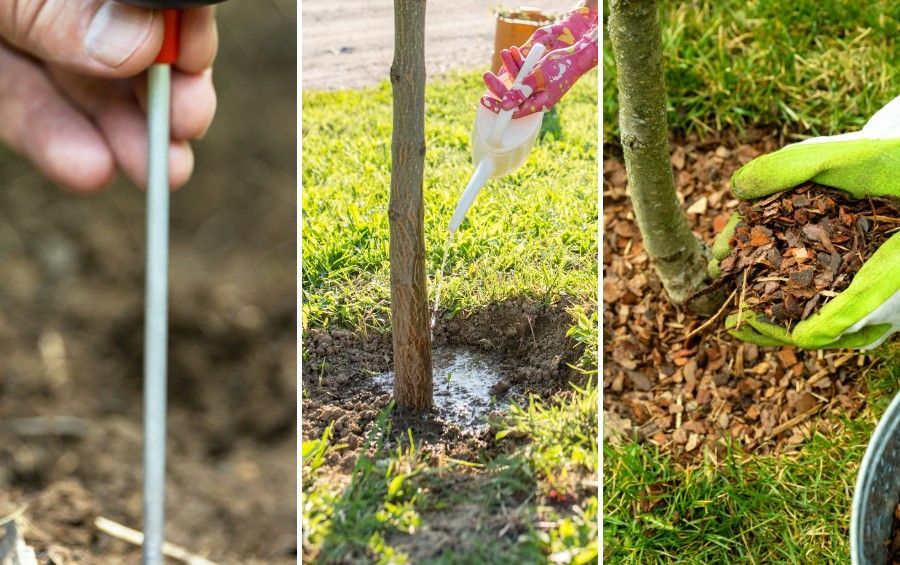
In heavy clay, a deep, slow soak and a couple of inches of wood-chip mulch keep moisture where roots need it — and a quick probe test tells you when it’s time to water.
How Do You Water a Stressed Tree in Clay Soil?
The goal isn’t to water more — it’s to water better. Mature trees recover best when the soil is soaked deeply and allowed to dry slightly before the next watering. Frequent, shallow watering encourages roots to stay near the surface, where they’re more vulnerable to heat and drought.
How to Deep Water a Tree
Most of a tree’s absorbing roots are in the top 12 inches of soil. Watering slowly gives moisture time to soak into that root zone instead of running off the surface.
For established trees:
- Aim for about 2 inches of water per week, including rainfall.
- Apply water slowly with a soaker hose or a hose set to a slow trickle.
- Water beneath the canopy, especially around the drip line where most absorbing roots are located.
- Let the soil absorb the water rather than flooding the area all at once.
Tips for Watering Clay Soil
Heavy clay soil is common throughout the Kearney area, and it requires a little patience.
- Check the Soil First: Push a screwdriver into the ground. If it slides in easily, the soil is still moist. If it meets firm resistance, it’s time to water.
- Mulch the Root Zone: Apply about 2 inches of wood-chip mulch to help the soil retain moisture and stay cooler. Keep mulch a few inches away from the trunk.
- Measure Rainfall. The recommended 2 inches per week includes rain, so you may not need to water as often after a good storm.
Can You Overwater a Tree in Clay Soil?
Yes. Clay holds water much longer than sandy soil, so watering too often can leave roots sitting in saturated soil with little oxygen. Over time, that can cause roots to decline and produce symptoms that look surprisingly similar to drought stress.
Frequently Asked Questions About Summer Stress
Will my scorched leaves turn green again?
No. Once a leaf browns and crisps, that tissue is dead and will not turn green again this growing season. What matters is whether the tree pushes out healthy new foliage next season, which it usually will as long as the roots stay sound and healthy.
How long does it take a heat-stressed tree to recover?
A tree that was only cosmetically scorched often looks normal again by the next growing season. Deeper stress can take a couple of seasons of consistent care, and the sooner you fix the underlying cause, the faster it bounces back.
Should I fertilize my tree to help it through the heat?
Not during active heat or drought stress. Fertilizer pushes new growth the tree cannot support while it is already struggling, adding stress instead of relieving it. Water first, and save proper fertilization timing for when it is recovering or dormant.
Should I be worried if my tree scorches every summer?
Yes, a tree that scorches year after year is worth a closer look. That repeating pattern can mean the tree is poorly matched to its spot, sitting in compacted or poorly drained soil, or carrying an unaddressed root problem – any of which is worth having assessed.
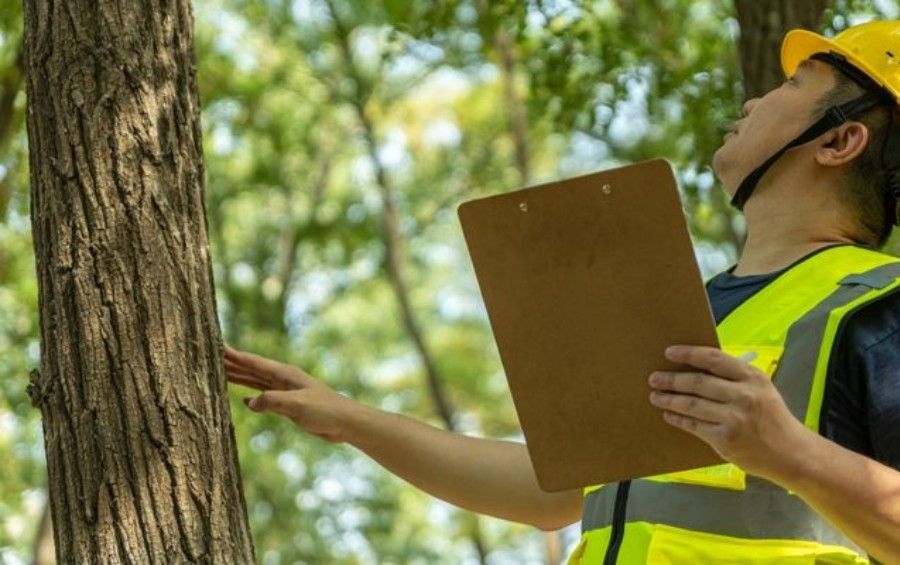
When browning spreads past what watering can fix, a Certified Arborist’s assessment is the natural next step.
Keep Your Kearney Trees Healthy This Summer
Brown, crispy leaves don’t always mean your tree is dying. In many cases, they’re just a sign that the tree is under stress and needs the right care at the right time. Deep watering is often enough to help a healthy tree recover, but widespread browning, heavy leaf drop, or symptoms that don’t improve deserve a closer look.
If you’re unsure whether your tree is experiencing normal summer stress or something more serious, Arbor Masters’ ISA Certified Arborists can evaluate its health, identify the underlying cause, and recommend the right next steps. Give us a call at 816-281-6535 or request a quote online to get started.

Want More Like This?
Get the latest local news, tree care tips, special offers, and company updates directly to your inbox! It's easy to subscribe and there's no spam - we promise.
"*" indicates required fields
