
Is It Too Late to Treat Bagworms in Late Summer?
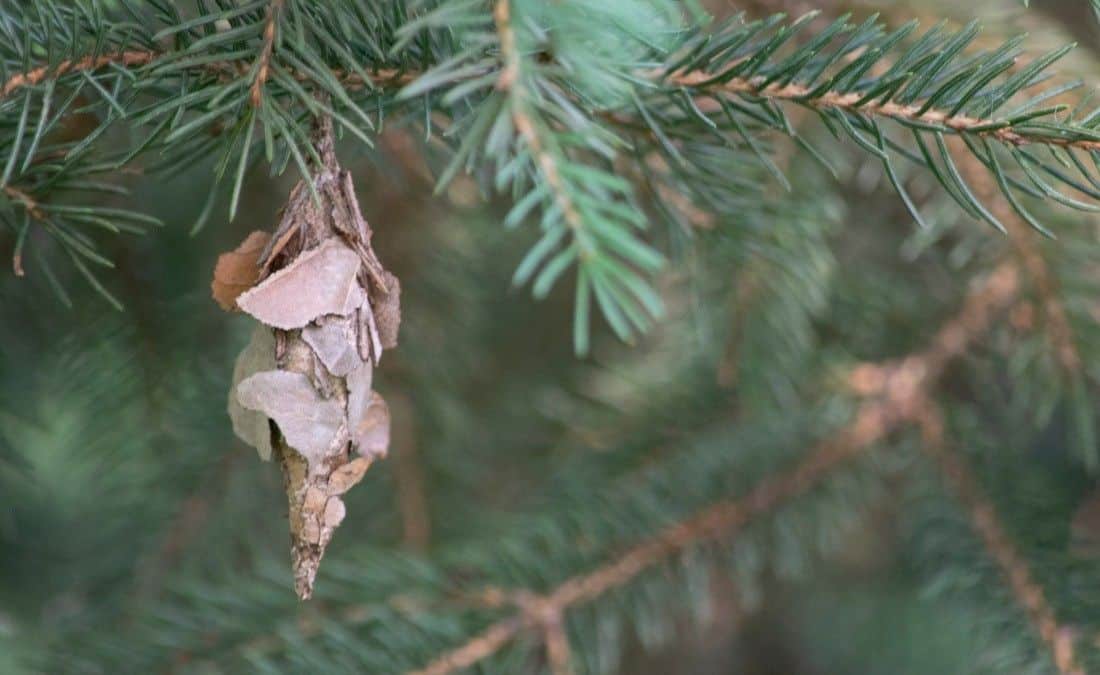
Found bagworms on your Wichita trees? Their size and life stage can determine whether treatment will still work. Learn what to look for and what to do next.
Late summer in Derby can bring an unwelcome surprise: browning arborvitae, thinning foliage, and small cone-shaped bags hanging from the branches. Once you realize you’re dealing with bagworms, the big question is whether there’s still time to treat them before they cause more damage.
Treatment options depend on how far the bagworms have progressed in their life cycle and how much damage they’ve already caused. Knowing what to look for can help you determine whether treatment is still an option, what you can do for affected trees now, and how to prevent another infestation next year.
Key Takeaways
- In south Wichita, bagworms typically finish feeding by late August, and insecticide treatments are usually ineffective once they reach the pupal stage.
- Look for live, actively feeding larvae rather than relying on bag appearance alone, since young larvae are the most susceptible to insecticide treatment.
- Evergreens, like arborvitae and juniper, have limited ability to produce replacement foliage from bare older wood, so the amount of canopy affected largely determines whether the tree is likely to recover.
- The best action right now is hand-picking bags off the tree and enrolling in a preventive Plant Health Care (PHC) program before next spring.
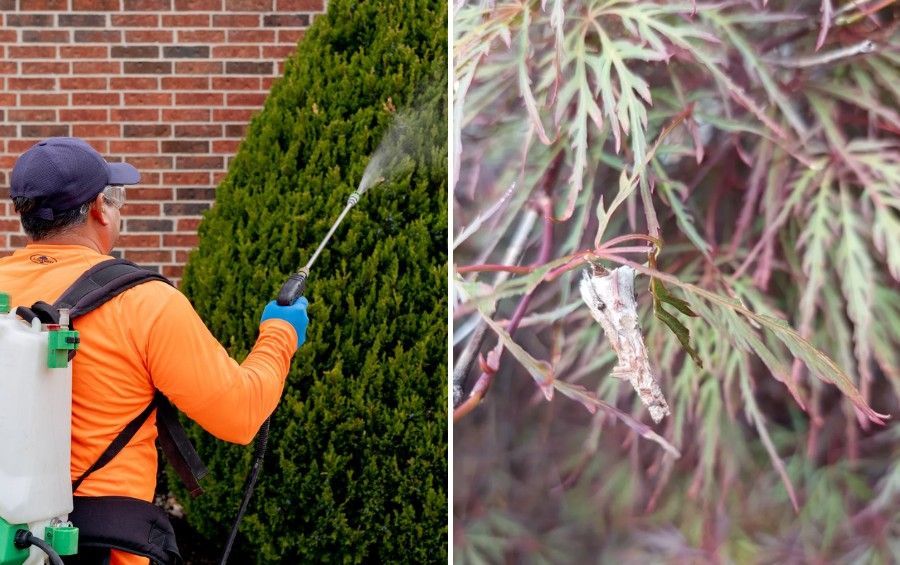
Successful bagworm control depends on timing. Preventive treatments target newly hatched larvae before they seal themselves inside protective bags.
Is It Too Late to Spray for Bagworms in Late Summer?
By late summer in south-central Kansas, many bagworms may be too far along in their life cycle for insecticide treatment to work well.
Young bagworm larvae hatch and begin feeding on tree foliage while building small protective bags around themselves. As they continue feeding and growing, they enlarge those bags with pieces of foliage, making them increasingly difficult for insecticides to reach. Eventually, the larvae stop feeding and pupate inside their bags.
Insecticides are most effective shortly after bagworms hatch, while the larvae are small and actively feeding. Once they’ve matured and entered the pupal stage, spraying is no longer effective. That’s why finding bagworms in late summer doesn’t automatically tell you whether they can still be treated—their size, feeding activity, and stage of development matter more than the calendar date.
How Do Arborists Determine the Best Time to Treat Bagworms?
Because bagworm development is influenced by temperature, the most effective treatment window can shift from year to year. A warm spring may cause eggs to hatch and larvae to develop earlier, while cooler weather can delay their development.
Arborists can use Growing Degree Days (GDD) to estimate when bagworms are likely to reach different stages of their life cycle. Rather than relying on a specific calendar date, GDD measures how much heat has accumulated during the growing season. This helps predict when eggs may hatch and when young larvae are most vulnerable to treatment.
Timing is then confirmed by what’s actually happening on the tree. Arborists look for newly hatched larvae, small bags, and active feeding before recommending insecticide treatment. Combining Growing Degree Days with these visible signs provides a more reliable treatment window than assuming bagworms will be ready to treat on the same date every year.
How Can You Tell if Your Bagworms Are Still Active?
Look for live larvae that are still moving or feeding to tell whether bagworms are active. Bag appearance alone can’t tell you whether treatment will work, but checking a few bags can help you understand how far the insects have developed.
What You May Find Inside the Bags
Check a few bags from different parts of the tree. Depending on how far the bagworms have developed, you may find:
- An Active Caterpillar: Larvae live inside their bags and extend from them to feed. Smaller, younger larvae are the most susceptible to treatment.
- A Mature Larva or Pupa: Once development has progressed to this stage, insecticide treatment is unlikely to provide reliable control.
- Eggs Inside the Bag: These can remain through winter and hatch the following spring, which is why removing bags by hand helps reduce next year’s population.
By late summer in south-central Kansas, most bagworms are approaching maturity or pupation, so hand removal is generally a better option than spraying. If you’re unsure what stage you’re seeing, an arborist can determine whether treatment is still worthwhile.
What Should You Do If You Find Bagworms in Late Summer?
The most effective action once the treatment window closes is hand-picking every bag you can reach off the tree before those eggs overwinter.
How to Hand-Pick Bagworms
According to K-State Extension, each female can lay anywhere from 500 to 1,000 eggs. Removing bags now directly reduces next year’s population before it starts. Follow these steps to do it right:
- Clip the silk tie, not the branch. The silk thread anchoring the bag to the twig is tough. Use pruning shears to cut through it cleanly. Pulling can damage the branch tissue underneath.
- Drop bags into soapy water or a sealed trash bag. Even detached from the tree, eggs inside will survive the winter and hatch in spring right where you dropped them. Do not leave bags on the ground.
- Work through the whole canopy. Removing as many bags as possible helps reduce the number of larvae that can hatch next spring.
SAFETY TIP: Hand-picking works well when bags can be reached safely from the ground. Don’t climb into the canopy or use a ladder in an unsafe position. Have a professional handle bags that are out of reach.
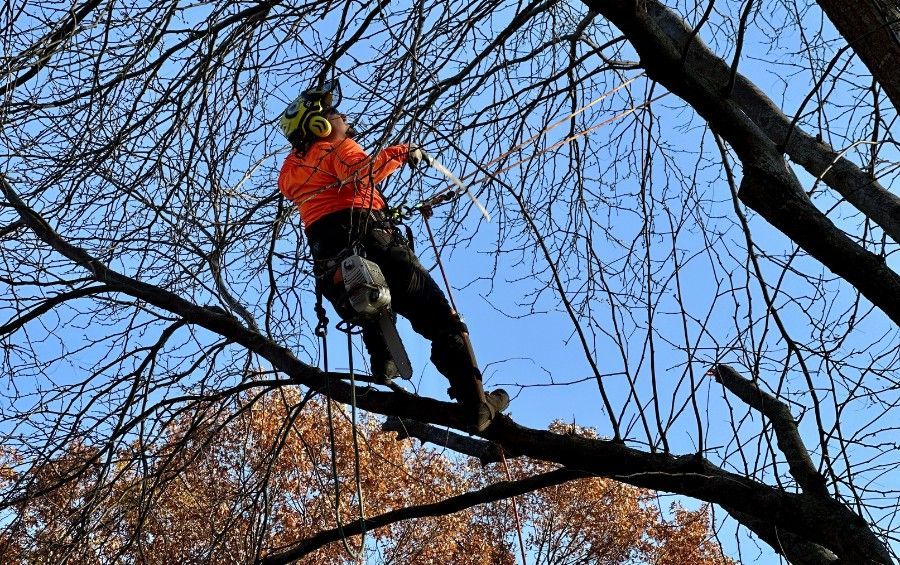
Late winter and early spring are generally the best times to prune evergreen branches damaged by bagworms, once it’s easier to distinguish dead wood from stressed but living growth.
How Do You Prevent Bagworms Before Next Spring?
Bagworms have one generation per year in Kansas, and their eggs overwinter inside the bags left on your trees. Removing those bags during fall and winter can reduce the population you’ll be dealing with next year, but it doesn’t guarantee you’ve found every one.
The next step is having a plan in place before larvae begin emerging in spring. Because emergence can shift with weather conditions each year, a preventive Plant Health Care (PHC) program allows an arborist to monitor pest development and time treatment appropriately instead of waiting until damage becomes noticeable.
Learn more about protecting your evergreens from bagworms and how Arbor Masters’ plant health care services can help prevent another late-season infestation.
Will My Tree Survive Bagworm Damage?
Whether your tree survives depends almost entirely on what kind of tree it is and how much of it was affected.
A maple, elm, or honeylocust that took a heavy bagworm hit this summer will push out new leaves next spring. It’ll be stressed and repeated infestations can weaken it over time, but losing foliage in one season rarely kills a deciduous tree.
Evergreens are a different story. Arborvitae, juniper, and eastern red cedar are the most common bagworm targets in Derby and Rose Hill landscapes. Unlike deciduous trees, evergreens have limited ability to produce replacement foliage from bare older wood, which means stripped branches rarely fill back in.
How to Assess Bagworm Damage on Your Evergreen Tree
How much healthy foliage remains is one of the best indicators of whether an evergreen can recover. Look at the entire canopy rather than focusing only on individual bare branches:
- Most of the Canopy Is Still Green: The tree has a better chance of recovery, although branches that have been completely stripped may remain bare.
- Large Sections Are Brown or Bare: Recovery is less certain and depends on how much viable foliage remains, the tree species, and its overall health.
- Little or No Healthy Foliage Remains: The tree may not be able to recover from the damage. An ISA Certified Arborist can determine whether there’s enough living tissue to justify keeping the tree or whether removal should be considered.
Frequently Asked Questions About Bagworms
Should I remove bagworm bags before or after the first frost?
Either timing works. Bags can be removed anytime from late summer through early spring before eggs hatch in late May or early June. Fall removal is often easier because you can spot bags more clearly after leaves drop from surrounding trees. The goal is to get them off before hatching begins in south-central Kansas.
Can bagworms spread from my neighbor’s untreated trees to mine?
Yes. Newly hatched larvae can balloon on silk threads carried by wind and land on trees across neighboring lots. Nearby infestations are one way bagworms can reach your landscape, which is why preventive treatment can be worthwhile even if you haven’t noticed bagworms on your property before.
Do bagworms affect all trees or just evergreens?
Bagworms attack a wide range of hosts, including maples, honeylocust, and elms, but evergreens face the most severe consequences because they have limited ability to produce replacement foliage from bare older wood, meaning stripped branches rarely fill back in the way deciduous trees do. If you have a mix of tree types in your yard and see bags, check all of them.
How soon after hand-picking can I assess whether my tree will recover?
You will have a clearer picture by late spring, after the tree has had a full season to show whether remaining healthy sections are still viable. A professional assessment in fall gives you a useful baseline, and a follow-up in spring confirms the recovery trajectory and sets up your prevention plan for the following summer.
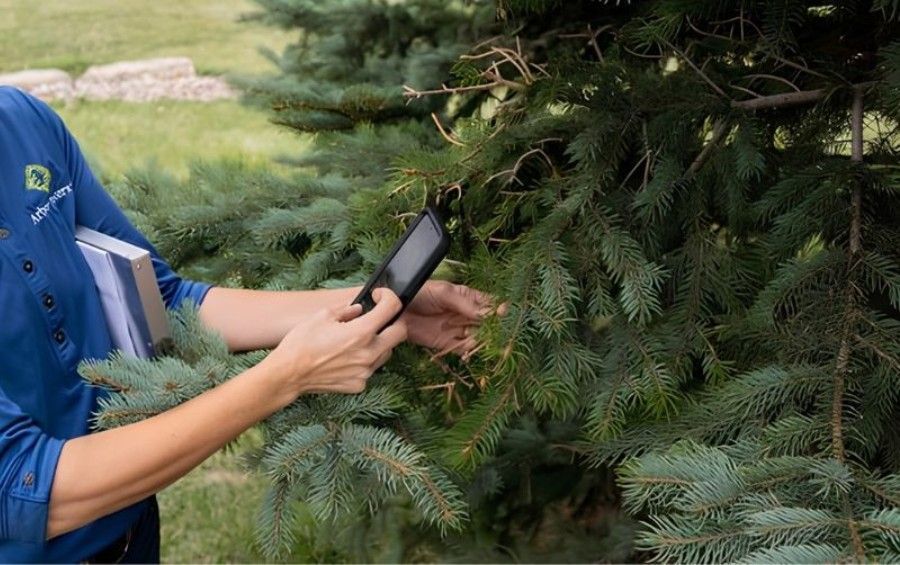
A professional tree assessment can determine whether an evergreen is likely to recover from bagworm damage and identify the best time for preventive treatment.
Now’s the Time to Plan for Next Year’s Bagworm Season
While you can’t reverse this year’s damage, you can prevent next year’s infestation. If you’re in Derby, Mulvane, or Rose Hill and your trees took a hit this summer, you are not out of options. A fall assessment helps determine whether your tree is likely to recover and allows treatment to be scheduled before bagworms emerge next spring.
Our preventive PHC program helps protect your trees before bagworms can cause visible damage. Fall is the right time to put that plan in place. To schedule an assessment with one of our ISA Certified Arborists, call us at (316) 234-0051 or request a free estimate online.
Learn More With These Related Articles
Want More Like This?
Get the latest local news, tree care tips, special offers, and company updates directly to your inbox! It's easy to subscribe and there's no spam - we promise.
"*" indicates required fields
