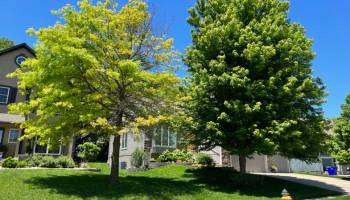
Tree Fertilization in Polk County, IA That Actually Works
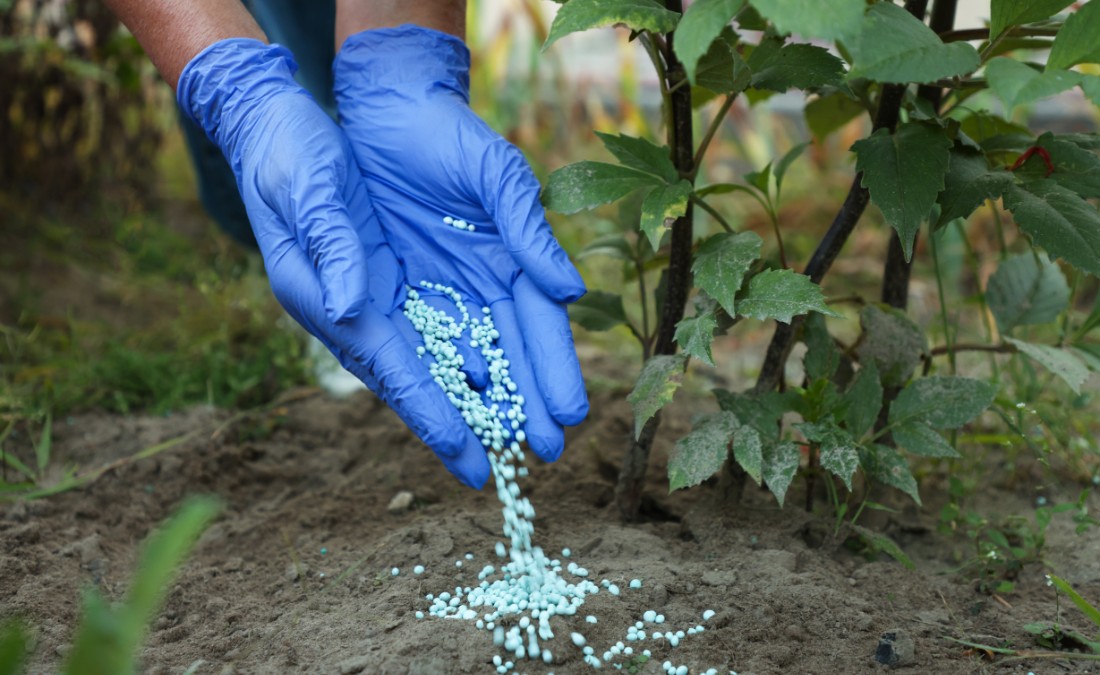
Polk County’s alkaline clay soil locks out the nutrients your trees need. Find out how professional fertilization is different, and why the timing matters.
Ankeny is now Iowa’s fifth-largest city. A special census from 2024 confirmed that over 8,000 new residents moved in over the course of four years. Urbandale and Johnston have similar trajectories, with new subdivisions reshaping the landscape of Polk County.
That growth doesn’t just change neighborhoods — it changes the soil trees are growing in.
Construction strips away topsoil, compacts the remnants, and exposes alkaline clay that blocks out the nutrients trees need to survive. In these conditions, tree fertilization in Polk County isn’t optional.
Key Takeaways
- Polk County’s alkaline clay soil locks up iron and other micronutrients, making them unavailable to tree roots, even when they are present in the soil.
- Yellow leaves with green veins (iron chlorosis) are one of the most common signs that trees in Ankeny, Johnston, and Urbandale need professional help, not more lawn fertilizer.
- Professional deep root fertilization bypasses turf competition and delivers a customized nutrient blend based on actual conditions of the soil.
- Late March through early April, before leaf-out, is the most opportune window for fertilization for trees in central Iowa.
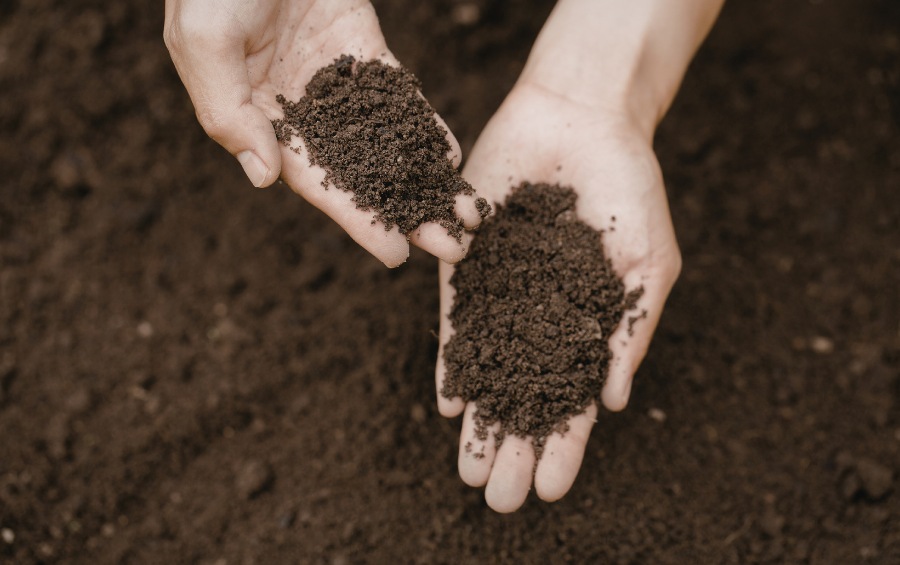
Iowa’s topsoil looks rich and workable, but underneath much of Polk County sits alkaline clay that locks nutrients away from tree roots.
Why Does Polk County Soil Make Tree Fertilization So Difficult?
Polk County’s soil chemistry continually works against the trees growing in it. While Iowa soils typically range from pH 5.5 to 7.5, many areas across the county — especially in Johnston, Urbandale, and Ankeny — trend more alkaline, which is above 7.0 on the pH scale.
At that level, nutrients can be present in the soil but not readily available to tree roots. That’s why trees in otherwise healthy-looking landscapes can still show signs of deficiency. The issue often isn’t what’s in the soil — it’s how the soil chemistry affects nutrient availability.
Alkaline Clay and Iron Lockout
In Polk County’s alkaline soils, nutrients like iron and manganese can be present in the soil but locked into forms that tree roots can’t absorb. Arborists call this iron lockout.
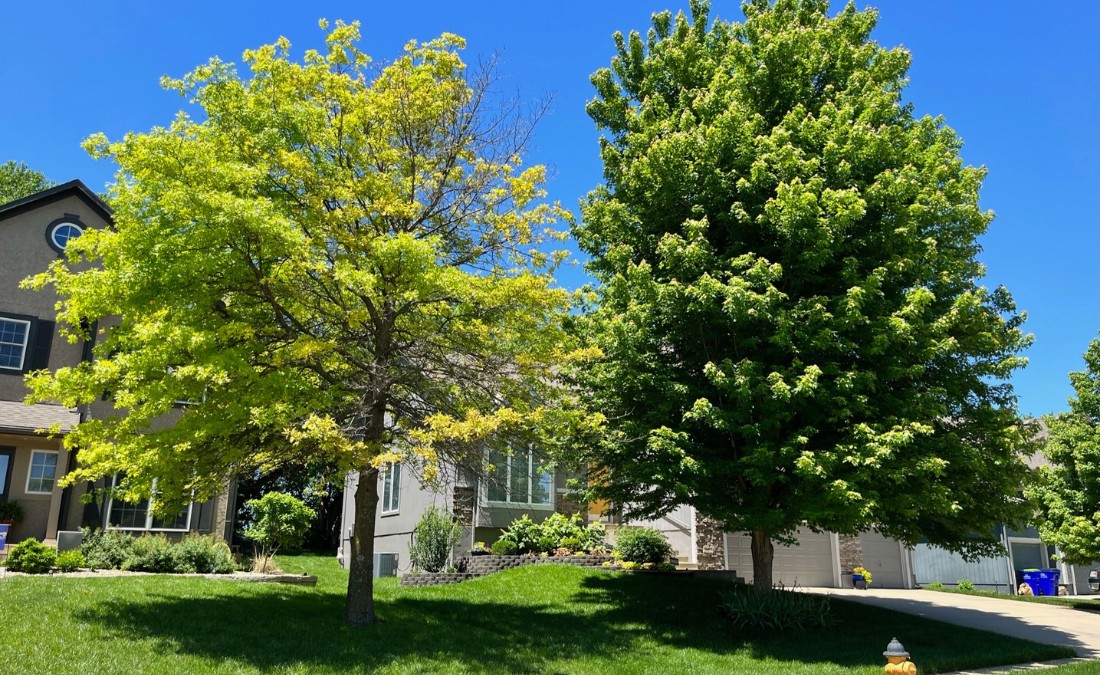
Iron lockout leads to a condition called interveinal chlorosis, which turns leaves yellow while the veins remain green. A soil test might show sufficient iron levels, which can confuse homeowners. The iron is there, but the tree cannot use it. Several common Polk County species are especially vulnerable, including:
- Silver maple
- Pin oak
- Red maple
- River birch
- Crabapple
If you have any of these in your yard and they have yellowing foliage, alkaline soil is most likely the culprit.
The New Development Problem
Across Polk County, new subdivisions face an added problem. Construction equipment strips away the nutrient-dense topsoil layer and compacts the alkaline clay underneath. It also reduces pore space in the soil, which limits root growth and water infiltration. Concrete foundation walls and driveways gradually leach lime into the surrounding soil, increasing pH even more.
Trees planted in these conditions may appear fine for the first few years while they draw on stored root reserves. Once those reserves run empty, the decline begins. It is often misread as a disease problem instead of a soil problem. This is especially common in Ankeny’s quickly growing neighborhoods and the newer subdivisions in Urbandale and Johnston.
If your home was built within the last decade or so, the soil beneath your trees almost certainly needs attention.
What Are the Signs Your Polk County Trees Need Professional Fertilization?
Numerous warning signs indicate a nutrient problem that surface-level treatment won’t resolve. Some are obvious, while others are easy to miss until the tree is already in severe decline. Keep an eye out for these:
- Yellow leaves with green veins (interveinal chlorosis)
- Leaves that are smaller than normal
- Short annual twig growth, especially when less than 2–4 inches on mature trees
- Thin or sparse canopy, especially at the crown
- Leaf scorch or early leaf drop during the summertime
- Continuous disease or pest issues, as stressed trees attract secondary problems
Any of these symptoms warrant an investigation. Several symptoms together strongly suggest that the soil isn’t providing what the tree needs. And in Polk County, the most common cause is alkaline pH hindering nutrient uptake, a condition known as iron chlorosis, not a lack of nutrients in the ground.
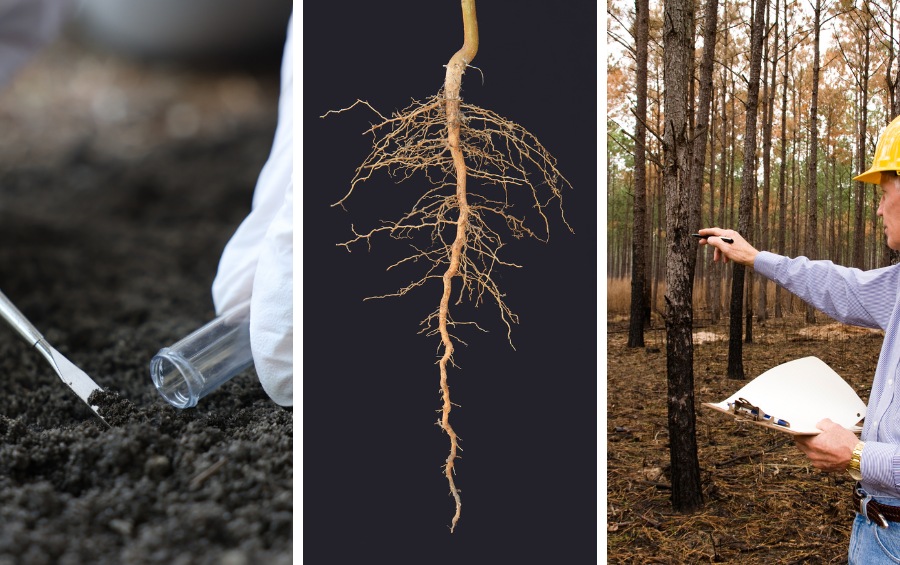
Professional tree fertilization follows a three-step process: soil assessment, targeted deep root application, and ongoing monitoring as the tree responds.
What Happens If You Don’t Treat Nutrient Deficiency in Trees?
Nutrient deficiency doesn’t kill trees overnight. It gradually starves them, and the damage adds up with each passing year. A tree that can’t access iron or manganese produces less chlorophyll, which means less energy for photosynthesis. That means weaker growth, thinner canopies, and shorter root development — further reducing the tree’s ability to pull nutrients from the soil.
The Decline Cycle
Once a tree enters this cycle, its vulnerability increases. Stressed trees attract secondary problems like borers, bark beetles, and fungal infections that a healthy tree would generally fight off. What started as an issue of soil chemistry can morph into pest damage, canopy dieback, or structural failure that puts your property at risk.
The Cost of Waiting
In Polk County, a mature shade tree can take 15 to 20 years to replace. Removing one can cost thousands of dollars with an immediate impact to the property value — the USDA Forest Service notes that mature trees are valuable assets that directly contribute to a property’s value. Treating a nutrient deficiency early is a fraction of that cost and keeps the tree in the landscape, where it should be.
When Is the Best Time to Fertilize Trees in Polk County?
Late March through early April is the ideal window for central Iowa. Soil temperatures have to rise above 40°F to trigger cool-season root activity, as that is when nutrient uptake kicks in. Spring fertilization fuels the burst of new growth that draws mainly on root-zone nutrients, which gives struggling trees the boost they need heading toward the growing season.
TIMING TIP: Iowa State University recommends applying spring fertilizer before trees and shrubs begin to leaf out. Avoid summer fertilization, as it promotes late-season growth that is vulnerable to winter damage.
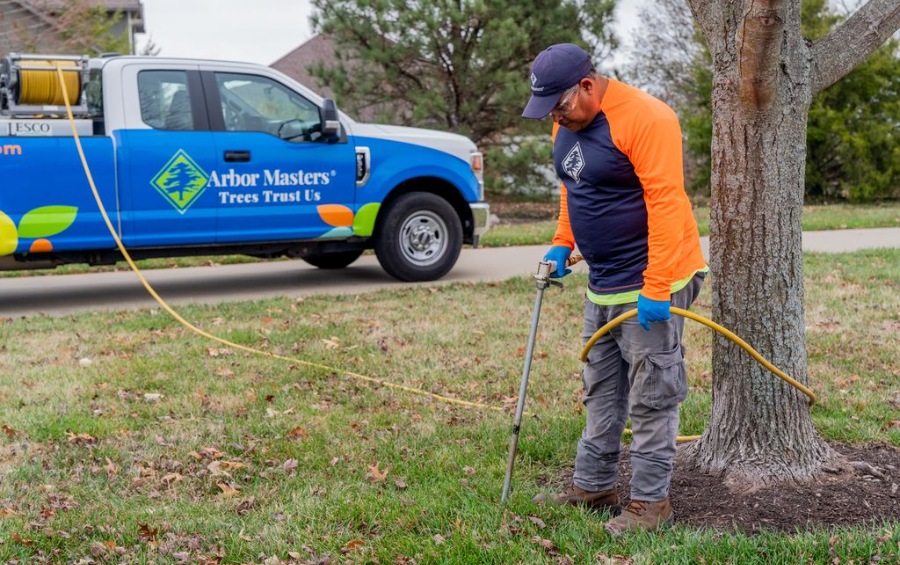
An Arbor Masters PHC technician injects liquid fertilizer directly into the root zone of a mature tree in a Polk County yard.
Frequently Asked Questions About Tree Fertilization in Polk County
Should I fertilize trees and shrubs?
Not every tree needs to be fertilized. Vigorous, healthy trees in good soil may not benefit from it. But trees with yellow leaves, sparse canopies, or slow growth — especially those in Polk County’s alkaline clay — often need targeted nutrient support that addresses soil chemistry, not just NPK levels.
Is deep root fertilization worth it?
For trees in compacted or alkaline clay soils, deep root fertilization delivers nutrients directly to the root zone where trees can actually absorb them. Surface-applied fertilizer gets intercepted by turf before reaching tree roots, making deep root injection far more effective in Polk County conditions.
How often should trees be fertilized?
Most trees benefit from 3–5 applications over a 12-month period, but the schedule depends on the tree’s health, species, and soil conditions. An arborist adjusts the program based on how the tree responds.
What causes yellow leaves on trees in Iowa?
In Polk County, the most common cause is iron chlorosis, a condition where alkaline soil pH prevents tree roots from absorbing iron. The telltale sign is yellow leaves with green veins. Pin oaks, silver maples, and river birch are especially susceptible.
Can I just use lawn fertilizer on my trees?
No. Lawn fertilizer is formulated for turf grass, not trees. Even if applied near a tree, the grass absorbs the bulk of nutrients before they reach the depth of the tree’s roots. Trees need an approach that delivers nutrients below the turf layer and addresses specific soil deficiencies.
Does new construction affect tree health?
Yes. Construction strips topsoil, compacts subsoil, and exposes alkaline clay. Trees planted in these conditions may look fine at first but often start declining within a few years as root reserves run out. Ongoing fertilization tailored to post-construction soil conditions can reverse that decline.
Contact Arbor Masters and Give Your Trees What Polk County Soil Can’t
The alkaline clay in Polk County creates obstacles that standard fertilization programs simply can’t solve. The nutrients may be in the ground, but if the chemistry of the soil won’t let them go, the trees start to starve. Professional, soil-minded fertilization addresses the root cause and gives trees in Ankeny, Johnston, and Urbandale what they need to recover and thrive.
If your trees are showing signs of stress, the soil is almost always where the answer can be found. And professional fertilization costs much less than removing a mature tree and waiting years for a replacement to fill its gap. Schedule a free tree health assessment with Arbor Masters’ ISA Certified Arborists. Call us at 515-218-2025 or request online.
Want More Like This?
Get the latest local news, tree care tips, special offers, and company updates directly to your inbox! It's easy to subscribe and there's no spam - we promise.
"*" indicates required fields