
How to Prepare Mature Trees for Severe Weather in Lee’s Summit
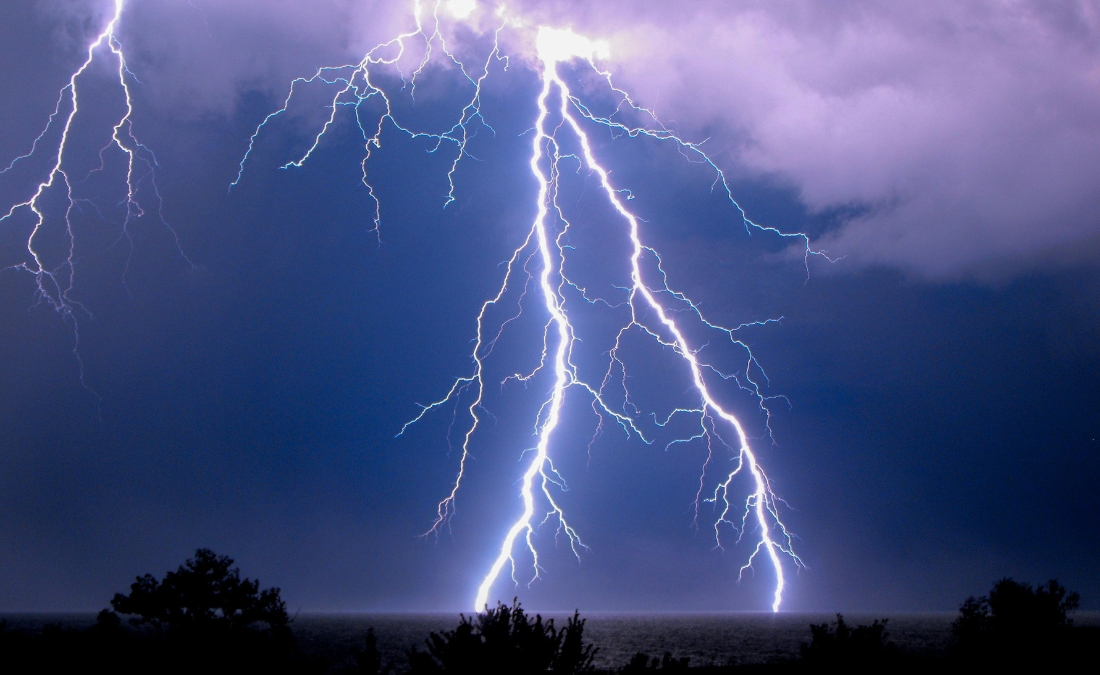
Your mature trees survived decades of storms — but hidden vulnerabilities compound with age. Here's how to prepare mature trees for severe weather this spring.
One severe storm is all it takes to bring down what took generations to grow. The heritage oaks shading Brookside’s historic streets and the mature specimens anchoring waterfront properties around Lake Tapawingo and Lake Lotawana are irreplaceable landscape assets — and they’re exactly what’s at stake when the Kansas City area’s 40 to 60 annual thunderstorm days roll through between April and June.
Spring’s weather whiplash — cool mornings that swing to near-record heat in the same week — is already stressing trees just breaking dormancy. The time to prepare mature trees for severe weather is now, while there’s still a window to act.
Key Takeaways
- Preventive pruning during dormancy is the single most effective way to reduce storm damage to mature specimen trees.
- Cabling and bracing can preserve heritage trees with structural weaknesses that would otherwise require removal — a preservation-first alternative.
- Mature trees face greater storm risk than younger trees due to accumulated structural defects, larger canopy area, and age-related decay.
- A TRAQ-qualified arborist assessment identifies hidden risks that visual inspections miss — schedule before storm season, not after.
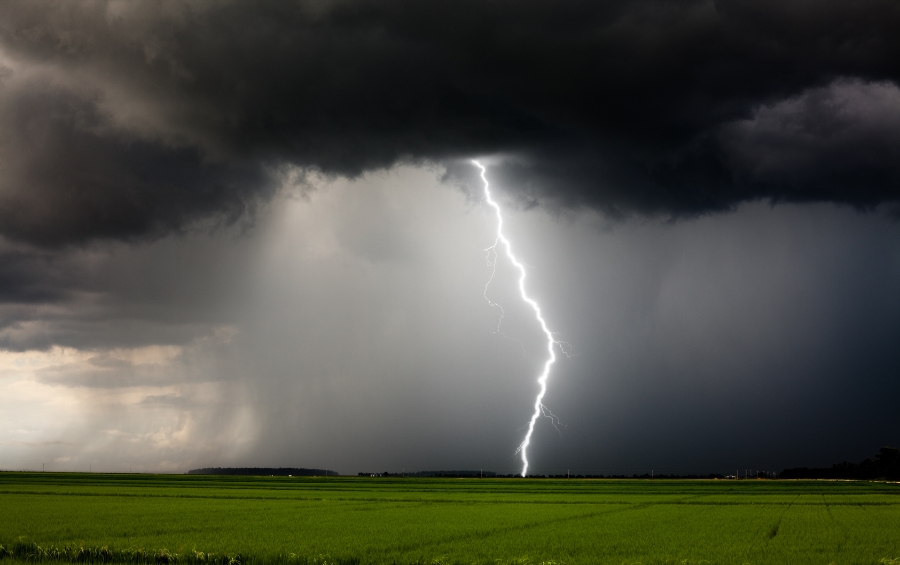
Kansas City averages 40 to 60 thunderstorm days per year, with April through June bringing the highest risk of tornadoes and damaging straight-line winds.
How Can You Protect Mature Trees Before Severe Weather?
Protecting mature trees before severe weather comes down to three things: reducing what the wind can catch, reinforcing what’s structurally weak, and making sure the root system can hold. For estate properties where heritage trees define the landscape, these steps protect assets that took decades to establish.
Preventive Pruning Reduces Wind Resistance
Canopy thinning is the most effective pre-storm step you can take for mature specimen trees. Selectively removing interior branches allows wind to pass through the crown rather than catching it like a sail. It also eliminates dead, crossing, and weakly attached branches — the ones that become projectiles in high winds. But pruning done at the wrong time, or too aggressively, can do more harm than good.
The best window for structural pruning is during dormancy, from leaf fall through spring leaf-out, when arborists can see the full branch architecture clearly and cuts heal most effectively. When evaluating a pruning plan for your trees, here’s what a qualified arborist should prioritize:
- Removing dead wood, crossing branches, and weakly attached limbs first
- Keeping canopy reduction under 25% in a single season — over-pruning triggers a stress response that leaves the tree weaker, not stronger
- Following ANSI A300 pruning standards on every cut to promote proper wound closure
Cabling and Bracing Reinforces Structural Weak Points
Cabling and bracing stabilize heritage trees with structural weaknesses that would otherwise lead to failure — or removal. Steel cables installed high in the canopy connect weak branch unions to stronger sections, while threaded rod bracing reinforces codominant stems right at the attachment point where failure is most likely — both limiting dangerous movement during storms.
These systems won’t eliminate risk entirely, but they can significantly extend the safe lifespan of a specimen tree that would otherwise need to come down. That’s the preservation-first approach — and for an irreplaceable 80-year-old oak on your estate property, it’s often worth exploring before defaulting to removal. Not every tree is a candidate, though, which is why a Certified Arborist assessment is the right starting point.
A Healthy Root Zone Keeps Trees Anchored
Even a structurally sound canopy won’t matter if the root system underneath can’t hold. Compromised roots are one of the most common reasons otherwise healthy-looking trees topple in storms.
Root damage usually builds gradually: construction activity, years of foot and vehicle traffic compacting the soil, and inadequate mulch that leaves roots exposed or suffocated. Eastern Jackson County’s clay soils compound the problem by holding water and limiting drainage. The right mulching techniques for clay soils and keeping compaction out of the critical root zone can make the difference between a tree that stands and one that doesn’t.
Why Are Mature Trees More Vulnerable to Storm Damage?
Age, size, and decades of accumulated wear make mature trees more likely to fail in severe weather than their younger counterparts. A storm that barely phases a 30-year-old tree can cause serious structural failure in that same tree at 60 — because the vulnerabilities don’t stay static; they multiply.
How Age and History Compound Storm Risk
Hidden internal decay is the single biggest reason mature trees fail in storms. The heartwood — the dense inner core that gives a trunk its strength — deteriorates when storm damage, pruning cuts, or construction activity introduce decay fungi. Over decades, those entry points add up, leaving a tree that looks solid from the outside but has lost much of its structural integrity on the inside. As the canopy continues to grow, the problem compounds: more surface area catching wind means greater loads on branch unions and root systems with every storm.
Internal deterioration isn’t the only thing working against a mature tree. Structural problems that developed years ago continue to worsen with every growing season:
- Old topping cuts that triggered weakly attached regrowth
- Improperly healed storm wounds from past seasons
- Narrow crotch angles that become failure points as branches gain weight
- Root zone damage from construction, soil compaction, or grade changes
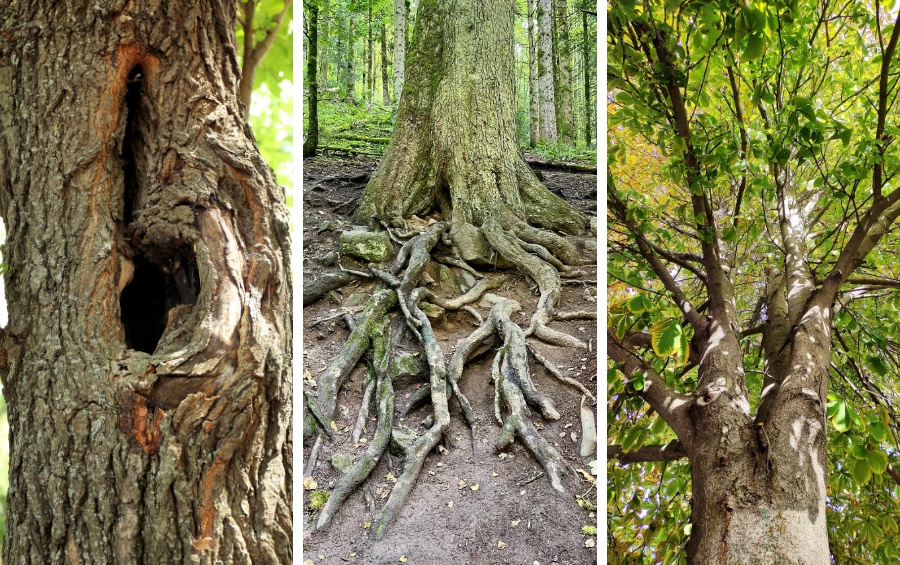
Trunk cavities, exposed roots, and codominant stems are all warning signs that a mature tree may be vulnerable to failure in severe weather.
What Are the Warning Signs a Tree Could Fail in a Storm?
Several visible red flags indicate a heritage tree may be at risk of failure in severe weather — and you don’t need to be an arborist to spot them. A walk around your property before storm season can help you prioritize which specimen trees need professional attention first.
Look for these warning signs:
- Dead or hanging branches in the upper canopy, especially over structures, driveways, or walkways
- Codominant stems — two or more trunks growing from the same point, forming a tight V-shape
- Visible trunk cracks, cavities, or fungal growth (mushrooms or conks developing on the trunk)
- Leaning that has changed or worsened recently
- Root zone heaving, exposed roots, or soil lifting on one side of the tree
- A history of past topping or heavy storm damage that was never properly addressed
- Trees in close proximity to structures, power lines, or high-traffic areas
You don’t need to diagnose the problem yourself. The goal is knowing what to flag when you call an arborist.
When Should You Call a Professional Arborist?
Call a Certified Arborist when you spot any of the warning signs above — especially on heritage trees near structures or high-traffic areas of your property. What you can see from the ground is only part of the picture, and the risks you can’t see are usually the ones that matter most.
When you do call, ask whether the company offers TRAQ-qualified assessments. TRAQ (Tree Risk Assessment Qualification) is the ISA’s advanced credential for systematic risk evaluation, and it goes well beyond a visual once-over — you’ll get a written report with standardized risk ratings and specific mitigation recommendations. It’s a differentiator worth asking about, especially for irreplaceable heritage trees. And the earlier in spring you schedule, the better — arborist calendars fill fast once storm season gets closer.
Frequently Asked Questions About Preparing Mature Trees for Severe Weather
How often should mature trees be inspected for storm readiness?
At minimum, have a Certified Arborist evaluate your mature trees once a year — ideally in early spring before storm season begins. Trees near structures or in high-traffic areas may warrant more frequent monitoring, especially after significant weather events or nearby construction that could have disturbed the root zone.
Can mature trees be saved after storm damage?
Often, yes — if the damage is addressed promptly and properly. A mature tree can usually survive the loss of one major limb if it’s pruned back correctly. However, if 50% or more of the crown is damaged or gone, the tree has likely lost its ability to recover. A Certified Arborist can assess what’s salvageable and recommend next steps.
What trees are most resistant to storm damage?
Species with strong wood, deep root systems, and a single dominant trunk tend to fare best. Common examples in the Lee’s Summit and Eastern Jackson County area include:
- Oaks
- Bald cypress
- Sweetgum
That said, even storm-resistant species become vulnerable if they’ve been topped, suffered root damage, or developed structural defects over time. Condition and maintenance history matter more than species alone.
How far in advance should I schedule storm preparation for my trees?
The best window is late fall through early spring, when trees are dormant and arborists can see the full branch structure clearly. Scheduling 4–6 weeks before storm season ensures time for pruning, cabling, and any follow-up work. Arborist calendars fill quickly in spring — don’t wait until severe weather is in the forecast.
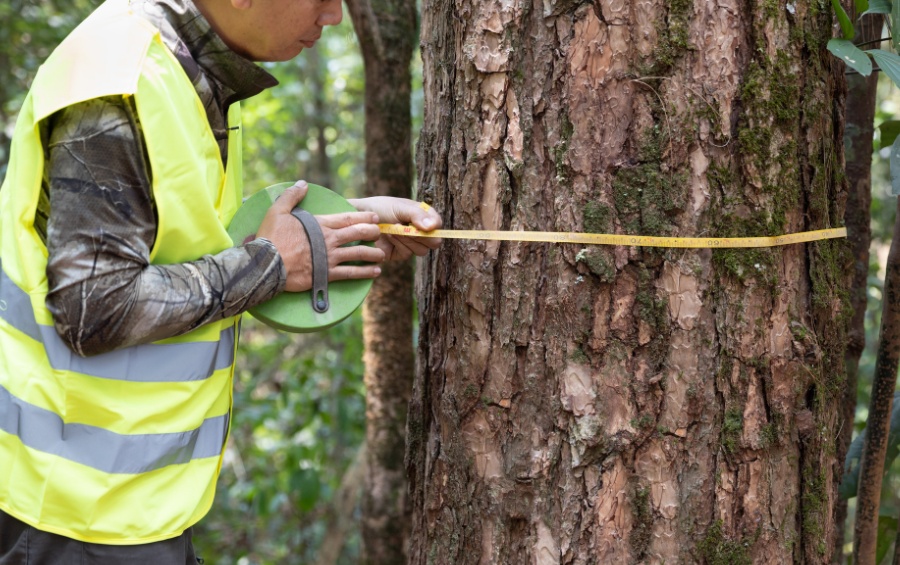
An Arbor Masters Certified Arborist measures trunk diameter as part of a professional tree risk assessment — one of the first steps in evaluating storm readiness.
Protect Your Heritage Trees Before Storm Season
Your heritage trees have been holding their ground through decades of Kansas City storms. The right preparation makes sure they keep standing through the next one. A professional assessment, targeted pruning, and structural support where needed — that’s what proactive stewardship looks like.
Arbor Masters has spent more than six decades caring for Kansas City’s most valued trees, and our TCIA Accreditation places us in the top 1% of tree care companies nationwide. Whether your property is in Lee’s Summit, Loch Lloyd, or along the Lake Lotawana waterfront, call us today at 816-524-3131 or request a consultation online to schedule a pre-storm arborist assessment and develop a preservation plan for your most valuable trees.

Want More Like This?
Get the latest local news, tree care tips, special offers, and company updates directly to your inbox! It's easy to subscribe and there's no spam - we promise.
"*" indicates required fields
