How to Tell If You Have an Ash Tree (and How to Care for It)
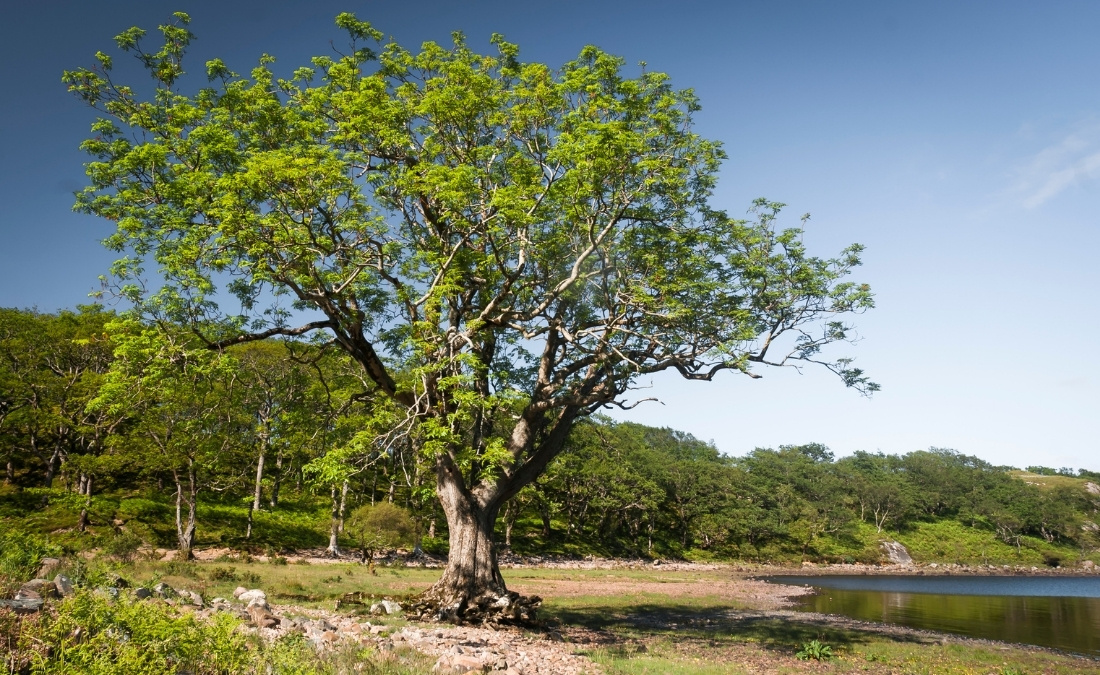
Wondering if you have an ash tree? Learn how to identify common ash species, recognize early stress signs, and support tree health in areas affected by EAB.
Across the Midwest, cities have spent years removing dead or declining ash trees from streets and parks due to emerald ash borer. Now homeowners are looking at the ash trees in their yards and wondering whether to keep them, treat them, or replace them. But the first step is knowing for sure whether that tree is actually an ash.
Key Takeaways
- Ash trees have opposite branching patterns and compound leaves that make identification straightforward when you know what to look for.
- These fast-growing trees typically live 100+ years and reach 50-80 feet tall, providing excellent long-term landscape value.
- All ash species face serious emerald ash borer threats that require professional treatment to prevent tree loss.
- Proper identification and care planning protects valuable landscape investments and costs far less than removal and replacement.
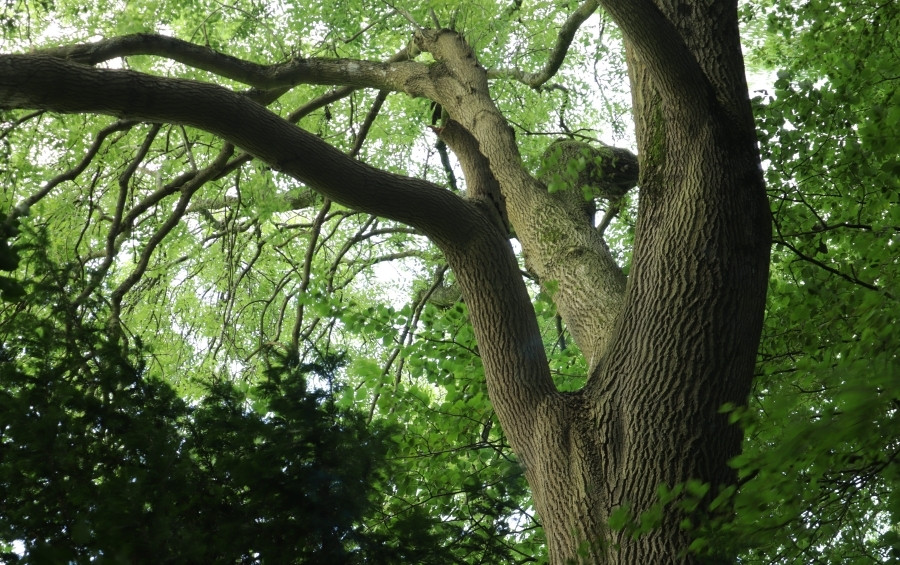
The distinctive opposite branching pattern visible in this ash tree canopy is one of the key identification features that distinguishes ash from hickory and walnut trees.
How to Tell If You Have an Ash Tree
Ash trees are large, deciduous trees with smooth, gray bark and wide-reaching branches that provide ample shade. They produce bright, glossy green, oval-shaped leaflets with pointed tips and serrated edges that are attached in rows to a central stem.
The ash tree’s leaves are typically eight to 12 inches long with five to nine leaflets arranged along a central stem. This compound leaf structure, combined with the opposite branching pattern, makes ash trees relatively easy to identify when you know what to look for.
Some of the key identifiers include:
- Opposite branching, where branches grow directly across from each other
- Compound leaves with 5-9 leaflets per leaf
- Oval leaflets with pointed tips and serrated edges
- Smooth gray bark that develops shallow furrows with age
How to Identify Ash Trees by Their Seeds
Ash trees produce both male and female flowers in dense clusters with a dark purple color that turns green. The flowers appear before leaves emerge in early spring and don’t produce showy petals.
Those miniature “helicopter” seeds you see spinning across yards in fall are called samaras. Their distinctive shape and motion make ash trees easier to identify than many other hardwoods.
Which Ash Species Grow in the Midwest and Great Plains
Native to North America, Europe, and Asia, ash trees grow in various habitats, including forests, woodlands, and urban areas. In forested areas, they typically grow in moist soils along streams, but many species also thrive in upland areas with well-drained conditions.
Several ash species grow throughout the Great Plains and Midwest regions, each adapted to different conditions:
- Green Ash: Most widespread across Oklahoma, Kansas, Missouri, and Iowa. Adapts well to clay soils and variable moisture. Leaflets show slightly lighter green undersides.
- Texas Ash: Native to Oklahoma’s Arbuckle Mountains and north-central Texas. Excellent drought tolerance and well-suited to limestone soils. Typically has 5-7 leaflets.
- White Ash: Common in Kansas, Missouri, and Iowa. Prefers well-drained soils and cooler climates. Leaflets display distinctly pale undersides.
- Black Ash: Specialized for wetland areas in Iowa and northern Missouri. Rarely seen in typical landscapes.
How Long Do Ash Trees Live?
Healthy ash trees can live for 100 years or more when properly cared for, making them excellent long-term landscape investments. Many mature ash trees throughout Oklahoma, Kansas, Missouri, Iowa, and Texas have been providing shade and beauty for multiple generations of homeowners.
Several factors influence ash tree longevity, including:
- Species variety
- Growing conditions
- Pest pressures
Green ash and white ash typically achieve the longest lifespans in ideal conditions, while Texas ash shows excellent longevity in drought-prone areas.
Growth Rate and Mature Size
Ash trees are relatively fast-growing species that typically gain 2-3 feet in height annually under good growing conditions. This rapid growth makes them popular choices for homeowners seeking quick shade and landscape impact.
Most ash varieties reach mature heights of 50-80 feet with spreads of 30-50 feet, though some exceptional specimens have been recorded as tall as 115 feet in the United States. Growth rates vary among species – green ash grows fastest in heavy soils, while Texas ash shows good growth in well-drained, rocky soils despite drought stress.
Unfortunately, the emerald ash borer has significantly shortened lifespans for untreated ash trees. Without professional protection, infested trees typically die within 2-4 years of the initial attack. This makes early identification and preventive treatment crucial for maintaining the natural 100+ year lifespan these trees can achieve.
Is My Ash Tree Healthy?
Once you’ve identified an ash tree, the next step is evaluating its condition. Health makes a big difference in whether the tree can be treated for emerald ash borer, monitored over time, or flagged for eventual removal.
Healthy ash trees typically show:
- Full, balanced canopy without thinning at the top
- Consistent leaf color during the growing season (bright to deep green)
- Even branching structure without heavy dieback on one side
- Normal bark texture without extensive splits or flaking
- Minimal trunk sprouts (epicormic growth)
- Steady annual growth, especially on younger trees
These indicators suggest the tree is still producing enough energy to support treatment and long-term care if needed.
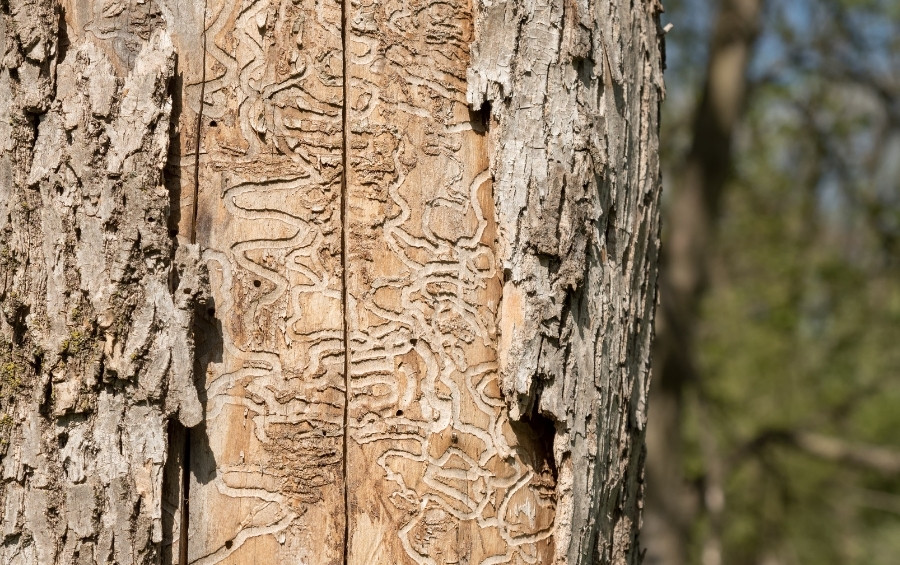
The serpentine galleries visible under this bark are characteristic signs of emerald ash borer infestation, highlighting why early treatment is crucial before damage reaches this advanced stage.
What Are the Threats to Ash Trees?
The ash tree is threatened by several pests, with emerald ash borer (EAB) representing the most serious threat. This destructive beetle has no known natural enemies and has killed millions of ash trees in North America since 2002.
EAB attacks all North American ash species with devastating results, with nearly 100% mortality in untreated trees within 2-4 years. Early signs include:
- D-shaped exit holes in bark
- Canopy thinning from the top
- Bark splitting revealing S-shaped galleries
- Trunk sprouts
By the time symptoms become obvious, treatment success rates drop significantly.
How to Care for Your Ash Tree
With the ever-present threat of EAB to your ashes, professional inspection and protection are vital. Regular inspection by ISA Certified Arborists provides early detection of problems. Preventive emerald ash borer treatments applied by professionals provide reliable protection when started early and maintained annually.
Aside from professional inspections, other ways to care for your ashes include:
- Prune dead or dying branches in late winter or early spring
- Apply mulch around the tree base
- Protect from construction damage
- Monitor for stress, pest, or disease symptoms
- Water your ashes when rainfall is not substantial enough
Frequently Asked Questions About Ash Trees
Do all ash varieties need the same care?
No, although all ash species require emerald ash borer protection, their basic care needs aren’t identical. Texas ash thrives in hot, dry, rocky soils, while green and white ash prefer deeper soils with more moisture. When a tree grows in conditions it likes, it stays healthier – and healthier ash trees respond better to EAB treatment.
How does treatment cost compare to replacement?
Annual EAB treatment typically costs much less than removal and replacement, especially for mature trees that can cost thousands to remove and replace.
How long will I need to treat my ash tree?
Annual treatments are recommended as long as emerald ash borer populations exist in your area, which may be indefinitely since EAB has permanently established throughout the region.
What trees are commonly confused with ash?
Ash trees share several identification traits with other Midwest trees, so it’s common for homeowners to mix them up. The most frequent look-alikes include:
- Maples: Also have opposite branching, but leaves are simple rather than compound.
- Boxelder (a type of maple): Has compound leaves like ash, but leaflet shapes are irregular and fewer in number.
- Hickories & Walnuts: Compound leaves can mimic ash at a glance, but these species have alternate branching instead of opposite branching.
The easiest way to separate ash from look-alikes is by checking for opposite branching paired with compound leaves – a combination that significantly narrows down identify.
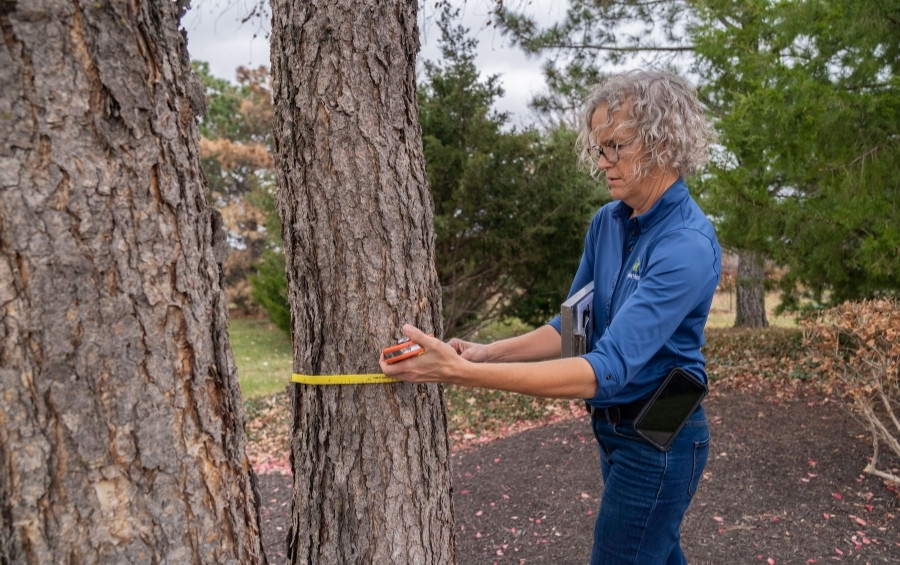
Professional tree assessment by Certified Arborists helps determine which trees are ash species and whether they qualify for EAB protection treatment.
Keep Your Ash Trees Healthy with Help from Arbor Masters
Identifying ash trees accurately gives you the power to protect valuable landscape investments before it’s too late. The combination of opposite branching and compound leaves makes identification straightforward, and understanding your specific ash variety helps guide appropriate care decisions.
With emerald ash borer now established throughout the region, professional expertise ensures accurate identification, appropriate treatment protocols, and ongoing care that keeps your ash trees healthy for years to come. Ready to protect your ash trees? Call the Arbor Masters team today at 913-441-8888 or request a quote online for help with your ash trees.
Want More Like This?
Get the latest local news, tree care tips, special offers, and company updates directly to your inbox! It's easy to subscribe and there's no spam - we promise.
"*" indicates required fields