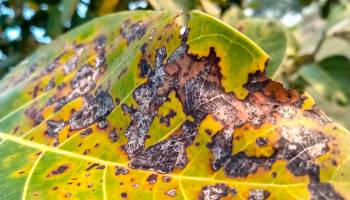
Why Preventing Tree Pests in Tulsa Is Easier (and Cheaper) Than Treating Them
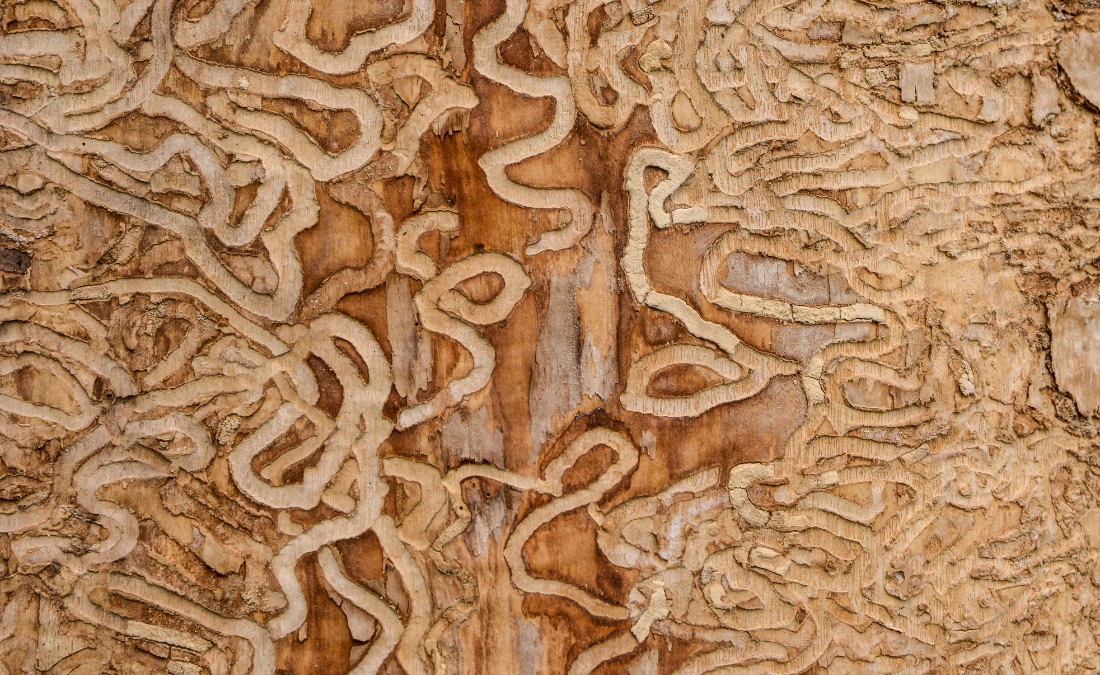
Is tree disease prevention worth it? Here are 6 reasons why Tulsa homeowners should choose prevention over costly treatments and declining tree health.
Pest and disease damage doesn’t show up right away. Most issues start small and go unnoticed, and by the time you see symptoms, they’re already harder (and more expensive) to deal with. If they’re left alone, infestations can spread to the point where bigger solutions are needed — like Oklahoma releasing parasitoid wasps to slow emerald ash borer.
That’s why prevention matters. With regular monitoring, proper tree care, and well-timed treatments, you can catch problems early and avoid the cost (and stress) of trying to fix them later.
Key Takeaways
- Prevention costs dramatically less than treatment, with annual preventive care avoiding expensive emergency treatments and costly tree removal that can reach thousands of dollars.
- Preventive treatments achieve much higher success rates than reactive treatment because they strengthen trees before irreversible damage occurs.
- Oklahoma’s hot, humid climate creates perfect conditions for rapid disease progression, making early prevention critical for threats like oak wilt, anthracnose, and emerald ash borer.
- Prevention protects the 3-15% property value increase that mature trees provide while avoiding landscape gaps that take decades to fill.
- Tree diseases spread between properties, making prevention a community responsibility that protects neighboring trees and preserves canopy benefits for entire neighborhoods.
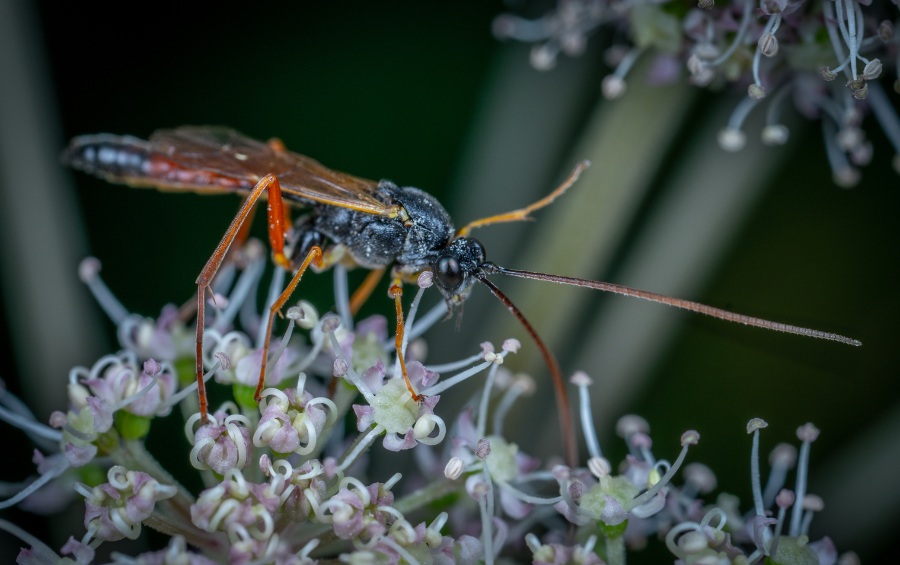
Parasitoid wasps represent one component of Oklahoma’s biological control program for emerald ash borer, illustrating the complex and resource-intensive nature of treatment approaches compared to straightforward prevention methods.
Why Tree Disease Prevention Is More Effective Than Treatment
There are a few key reasons prevention consistently outperforms treatment. When you break it down, the difference shows up quickly — in cost, success rates, and how well trees hold up long-term.
1. It’s a Lot Cheaper to Prevent Problems Than Fix Them
Prevention consistently costs far less than treating diseased trees. Preventive treatments represent manageable annual investments, while treating a diseased tree requires substantially higher expenses, assuming it’s not too late for the tree.
Prevention works through regular, manageable investments spread across growing seasons. Instead of facing emergency expenses when disease strikes, you’re making small, predictable payments that protect your entire landscape investment.
The math becomes even more compelling when you factor in removal and replacement costs. A mature oak tree that succumbs to disease might cost thousands to remove safely, plus additional expenses for a replacement tree that won’t provide the same benefits for decades. Prevention protects your existing investment while avoiding these compounding expenses entirely.
2. Once You See Symptoms, You’re Already Behind
Prevention succeeds where treatment fails because it works with your tree’s natural defenses before they’re compromised. Prevention programs achieve significantly higher success rates than treating trees after symptoms appear.
The reason is simple: many tree diseases cause irreversible damage before visible symptoms develop. By the time you notice wilting leaves, discolored bark, or other warning signs, the disease may have already damaged the tree’s vascular system beyond repair.
Preventive treatments strengthen trees during their dormant periods when they can most effectively absorb and distribute protective compounds throughout their systems. This creates an internal defense network that reactive treatments simply cannot match.
3. Tulsa’s Climate Makes Problems Spread Fast
Our hot, humid summers create perfect conditions for rapid disease progression, making timing absolutely critical. Oklahoma State University Extension research shows that diseases like anthracnose thrive in our unpredictable spring weather patterns. Emerald ash borer continues its westward spread through Oklahoma, adding another urgent threat to our regional tree health challenges.
Oklahoma’s climate also creates additional stress factors that weaken trees and increase disease susceptibility. Drought cycles, ice storms, and extreme temperature swings all compromise tree health, leaving them vulnerable to opportunistic diseases.
Prevention programs account for these regional challenges by treating trees during optimal windows. These windows will vary depending on the disease or pest in question, but they often occur in early spring before the major threats emerge. This regional timing advantage gives prevention a significant edge over reactive treatments attempted during the worst possible conditions.
4. Healthy Trees Protect Property Value
Mature trees add 3-15% to residential property values, with large shade trees in Oklahoma’s climate providing exceptional value through energy cost savings and aesthetic appeal. Prevention programs protect this substantial investment by maintaining tree health and longevity.
When treatment fails to save a tree, it leads to more than just replacement costs. The missing tree creates a landscape gap that takes decades to fill.
Prevention also protects the coordinated landscape design that mature trees anchor. Established trees frame views, provide privacy screening, and create the backbone of your outdoor living spaces. Professional tree preservation services help maintain these carefully planned relationships, while losing key trees to preventable diseases often requires expensive landscape redesign to restore functionality and appeal.
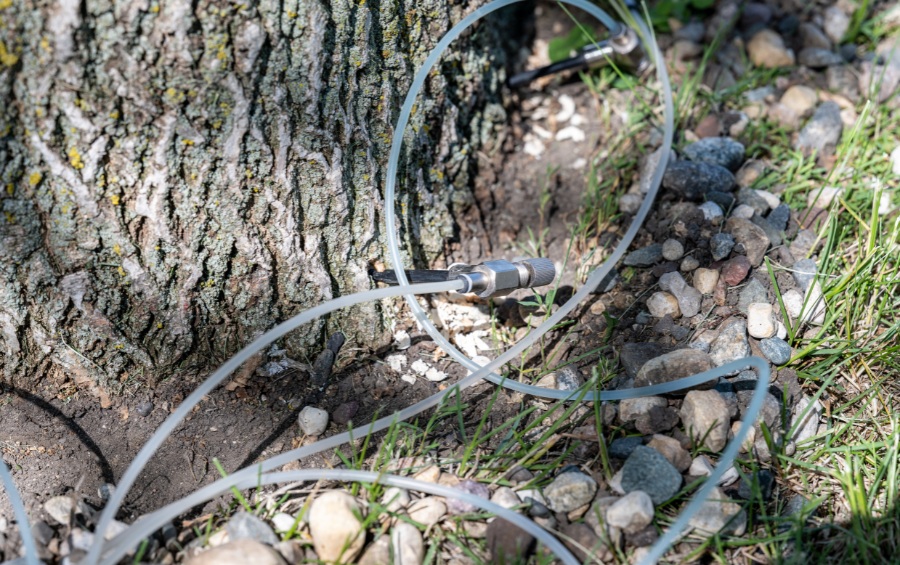
Professional tree injection equipment allows for precise delivery of preventive treatments directly into the tree’s vascular system, providing targeted protection against emerald ash borer infestations.
5. Emergency Tree Problems Get Expensive — Fast
Diseased trees or those struggling from insect attacks can become brittle and prone to failure. No example is more prevalent than the emerald ash borer, which leaves trees a major risk to your property. When a tree comes down unexpectedly, you could be looking at paying premium rates to remove it compared to the comparatively lower cost of preventive treatments.
When that happens, you’re not planning ahead — you’re reacting. And emergency removals almost always cost more than proactive care.
With a prevention program, you’re staying ahead of the problem. Instead of making rushed, expensive decisions, you’re taking a planned, proactive approach that’s easier on both your trees and your budget.
6. What Happens to Your Trees Can Spread to Your Neighbor’s
Tree diseases don’t stay contained to one yard. Some, like oak wilt, spread underground through connected root systems. Others, like anthracnose, can move through the air. And pests like emerald ash borer don’t stop at your property line — they move from tree to tree.
That’s how a small problem turns into a neighborhood issue.
When you stay proactive, you’re not just protecting your own trees, you’re helping prevent the spread to surrounding properties. The tricky part is that many diseases are most contagious early on, before symptoms are obvious.
When multiple homeowners take prevention seriously, it creates a ripple effect. Healthier trees across the area mean fewer outbreaks and stronger overall canopy.
And that matters. Mature trees don’t just benefit one yard, they help regulate temperature, improve air quality, and manage stormwater across the whole neighborhood. Prevention helps protect all of it.
Frequently Asked Questions Tree Pest and Disease Prevention
Is tree disease prevention really more cost-effective than treatment?
Research consistently shows prevention costs dramatically less than treatment, with significantly higher success rates for protecting your trees. Prevention involves manageable annual investments, while treatment often requires expensive emergency services with uncertain outcomes.
What diseases should Tulsa homeowners be most concerned about?
The tree diseases Tulsa homeowners should be most concerned about are oak wilt, anthracnose, fire blight, and emerging threats like emerald ash borer. Oklahoma’s climate creates ideal conditions for rapid disease progression, making prevention especially important in our region.
When is the best time to start a prevention program?
The best time to start a tree pest and disease prevention program is before problems develop. For most diseases in Oklahoma, early spring offers optimal treatment windows, when trees are dormant and can most effectively absorb protective treatments.
How do I know if prevention will work for my specific trees?
A professional assessment can identify your trees’ specific risk factors and recommend the most effective prevention strategies for your property. Different tree species, ages, and locations require tailored prevention approaches for maximum effectiveness.
What happens if I wait to see if my trees develop problems?
Waiting typically results in much higher costs and lower success rates, as Oklahoma’s emerald ash borer situation clearly demonstrates. Many diseases cause irreversible damage before symptoms become visible, making early prevention far more effective than reactive treatment.
Can prevention completely eliminate the risk of tree diseases?
While no approach is 100% guaranteed, prevention dramatically reduces risk and provides much better outcomes than reactive treatment. Combined with proper tree care practices, prevention programs create the best possible defense against Oklahoma’s common tree diseases.
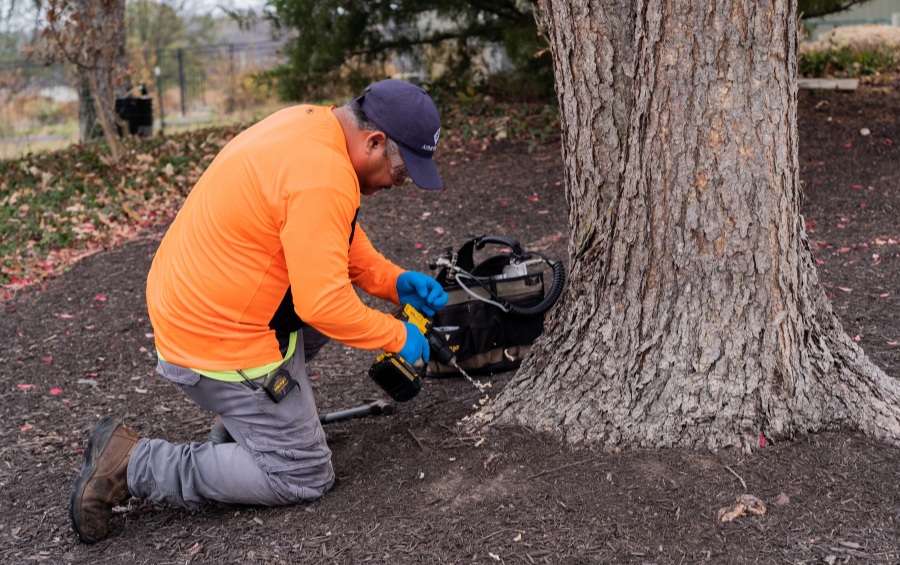
Arbor Masters Certified Arborists use specialized injection equipment to deliver preventive treatments during optimal timing windows, maximizing protection effectiveness for Tulsa area trees.
Protect Your Trees from Pests and Diseases with Help from Arbor Masters
Prevention isn’t just about protecting individual trees; it’s about preserving your property investment, maintaining your landscape’s beauty, and being a responsible neighbor in your community. While treatments can still get the job done, prevention is often the best choice.
Ready to protect your trees before problems develop? Our ISA Certified Arborists can conduct a comprehensive tree health assessment and develop a customized prevention program tailored to your Tulsa property’s specific needs. Call us today at 918-258-3444 or request a quote online.
Learn More With These Related Articles

Want More Like This?
Get the latest local news, tree care tips, special offers, and company updates directly to your inbox! It's easy to subscribe and there's no spam - we promise.
"*" indicates required fields