
Why Tree Preservation Matters for Home Value and Neighborhood Character in Lee’s Summit
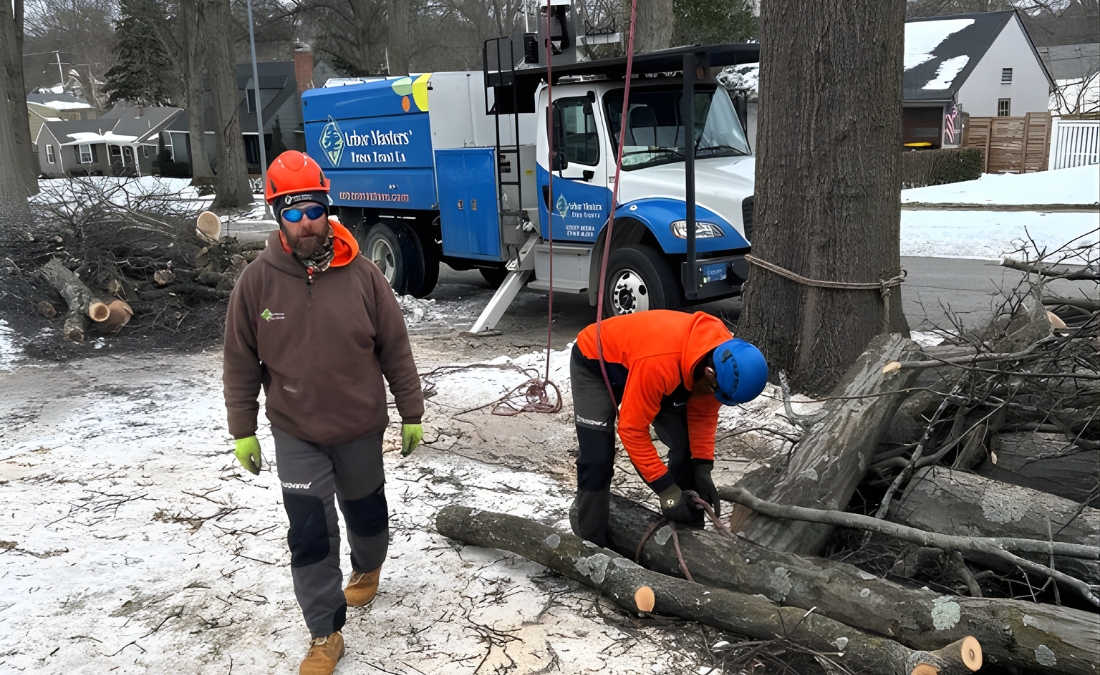
Mature trees contribute to home value and neighborhood character–but only with proper care. Learn why Certified Arborists are essential to tree preservation.
Severe weather doesn’t follow a schedule in Eastern Jackson County. From spring tornadoes to summer windstorms and heavy winter ice, mature trees are regularly exposed to forces they weren’t designed to withstand forever. Last year’s large and extremely dangerous tornado that swept through Raytown toward Independence, Lee’s Summit, and Lake Tapawingo was a reminder of how quickly tree damage can occur— leaving homeowners staring at cracked trunks, dangling branches, and decades-old trees they weren’t sure could be saved.
In moments like these, an ISA Certified Arborist in Lee’s Summit can mean the difference between preserving a valuable mature tree and losing a landscape investment that took generations to grow. But when storms pass and cleanup crews disappear, how do you know who to trust with long-term tree preservation?
Key Takeaways
- ISA Certified Arborists complete rigorous training, pass a 200-question exam, and maintain ongoing education — requirements most tree services don’t meet.
- Mature trees add approximately 7-15% to property values, making professional preservation a smart investment.
- Trees in Lee’s Summit face specific threats, including emerald ash borer and oak wilt, that require expert diagnosis and treatment.
- TCIA Accreditation verifies company-level safety practices, while ISA certification confirms individual expertise.
What Makes ISA Certified Arborists Different from Regular Tree Services?
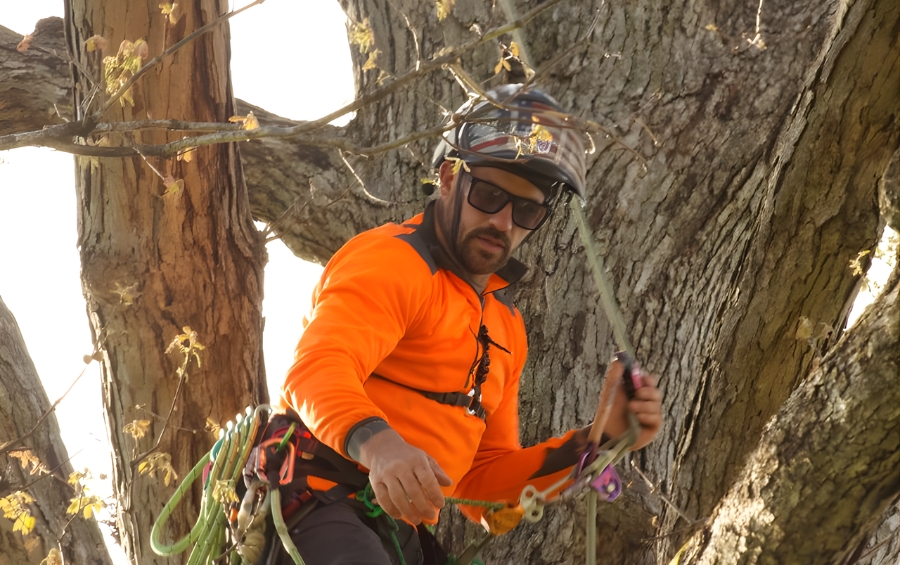
The difference comes down to verified training, tested knowledge, and ongoing accountability. Anyone can buy a chainsaw and call themselves a tree service, but ISA Certified Arborists have proven their expertise through stringent standards that directly affect the quality of care your trees receive.
ISA Certification Provides Verified Individual Expertise
ISA certification requires years of preparation and ongoing commitment. Candidates must have:
- Minimum three years of full-time, hands-on tree care experience
- Passing score on a comprehensive 200-question exam covering ten areas of arboriculture
- 30 continuing education credits every three years to maintain certification
- Adherence to a professional Code of Ethics
This is important because Missouri doesn’t require licensing to offer tree care, which means anyone with basic equipment can legally advertise tree work. Without verified credentials, you’re trusting your valuable trees to someone whose qualifications you can’t confirm.
TCIA Accreditation Adds Company-Level Accountability
TCIA Accreditation evaluates the company itself — not just individual arborists. This credential verifies:
- Proper insurance coverage (general liability, property damage, workers’ compensation)
- Current business and pesticide applicator licenses
- Documented safety compliance and training programs
- Adherence to industry best practices
When you hire a tree care company with both ISA Certified Arborists on staff and TCIA Accreditation, you get individual expertise backed by organizational accountability. Some arborists also hold Tree Risk Assessment Qualification (TRAQ), an advanced credential specifically for evaluating tree safety hazards near structures or high-traffic areas.
How Do Mature Trees Increase Property Values in Lee’s Summit?
Mature trees add measurable financial value — often tens of thousands of dollars on estate properties with multiple specimens. Understanding this value helps homeowners make informed decisions about tree care investments.
Measurable Impact on Home Prices
Multiple university studies have examined the relationship between mature trees and property values:
- Properties with established tree canopies sell for approximately 7% more than comparable treeless properties
- Street trees add measurable value to homes up to 100 feet away
- Individual mature specimen trees can appraise at $3,500 or more using standard valuation methods
On estate properties around Lake Lotawana, Lake Tapawingo, or Loch Lloyd, where multiple specimen trees shade the landscape, the cumulative value becomes quite substantial.
Professional Care Protects Long-Term Value
Improper care — topping, incorrect pruning cuts, or misdiagnosed health issues — can damage trees irreversibly, shortening their lifespan by decades and erasing the value they add to your property. Professional tree preservation addresses underlying health issues that untrained crews miss, protecting your investment for the long term.
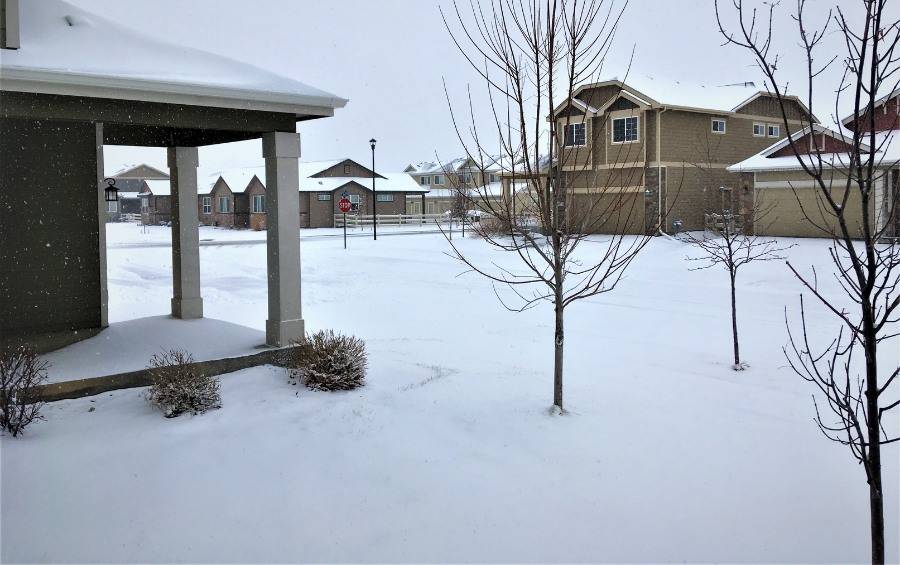
Newer developments often lack the mature tree canopy that adds thousands of dollars to property values — and takes decades to replace.
What Tree Health Problems Do Eastern Jackson County Homeowners Face?
Eastern Jackson County trees face specific regional threats that require expert diagnosis and timely treatment. Knowing what to watch for helps homeowners catch problems before they become irreversible.
Emerald Ash Borer’s Devastating Impact
Emerald ash borer has devastated ash trees across Missouri, with cities scrambling to respond. Local municipalities have acknowledged the beetle will likely kill most untreated ash trees in the region. Lee’s Summit’s Winterset development was cited as a cautionary example — extensive ash tree plantings made just before EAB arrived now face near-total loss.
Other Common Regional Threats
Several other threats affect Eastern Jackson County trees beyond EAB:
- Oak Wilt: A deadly vascular disease causing rapid defoliation in red oaks. Pruning timing is critical as cutting oaks during warm months when sap beetles are active can spread the disease.
- Anthracnose: A fungal disease common during wet Missouri springs, affecting oaks, maples, and sycamores.
- Bacterial Leaf Scorch: Appears in oaks, elms, and maples but requires laboratory confirmation for definitive diagnosis.
- Japanese Beetles and Bagworms: Cause visible damage to ornamental and evergreen trees but require proper identification before treatment.
Accurate diagnosis requires expertise. Proper pest and disease management starts with knowing exactly what you’re dealing with — something that takes trained eyes and often laboratory confirmation.
How Does Tree Preservation Differ from Regular Tree Care?
Most homeowners are familiar with routine tree care, such as pruning for safety, removing deadwood, and keeping trees manageable as they grow. That type of care plays an important role, but it’s designed to address what’s visible and immediate.
Tree preservation is recommended when a mature tree starts showing signs of deeper stress. Issues below the soil, early structural weaknesses, or slow decline often can’t be solved with routine maintenance alone. Preservation focuses on understanding why a tree is struggling and what can be done to support its long-term health.
Depending on the tree’s conditions, preservation services may include:
- Air spading to relieve soil compaction around roots
- Root crown excavation to address buried root flares
- Soil remediation to correct nutrient deficiencies
- Structural support systems (cabling and bracing) for trees with weak branch attachments
Heritage Trees Need Specialized Expertise
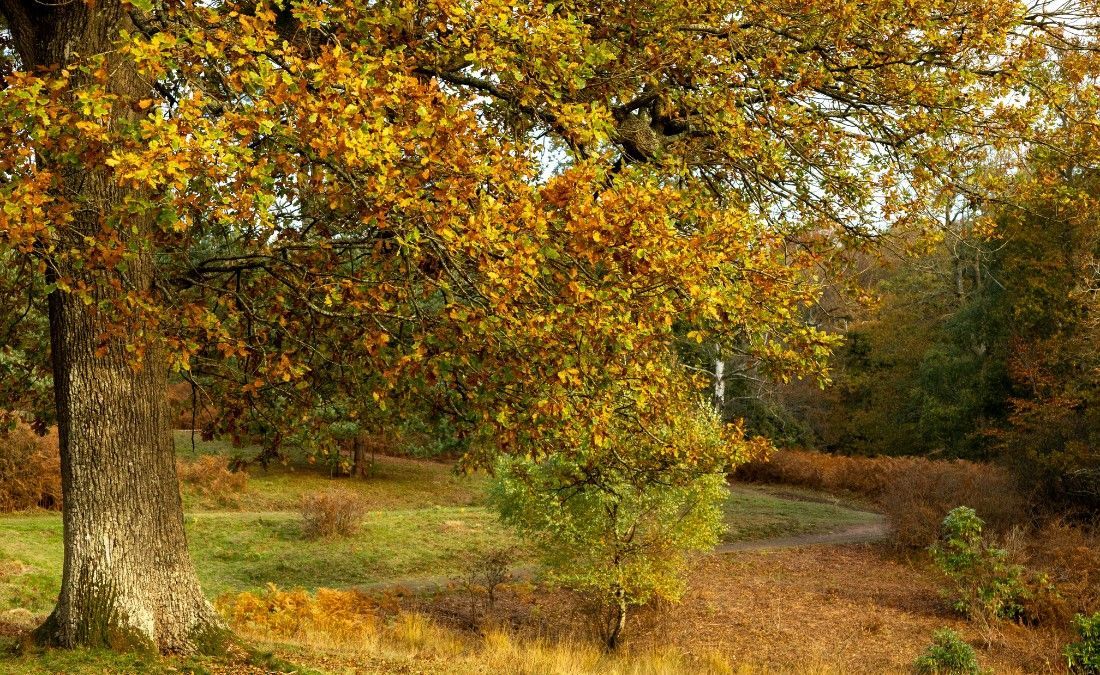
Considering that heritage trees in Lake Lotawana, Brookside, Loch Lloyd and throughout Lee’s Summit took 50 to 100 years or more to reach their current size, they cannot be quickly replaced. A mature oak or maple provides shade, property value, and neighborhood character that no newly planted tree can match for decades.
Professional arborists, like Arbor Masters, follow ANSI A300 pruning standards. These specifications exist specifically to ensure cuts promote tree health rather than cause stress or create entry points for decay. Improper techniques like topping or lion-tailing cause permanent structural damage that compromises both safety and longevity.
When Should You Schedule a Professional Tree Health Assessment?
Certain warning signs and situations call for professional evaluation rather than waiting to see if problems resolve on their own.
Schedule an assessment when you notice:
- Storm damage with hanging branches, splits, or new leans
- Yellowing leaves out of season or premature leaf drop
- Thinning canopy or clusters of dead branches
- Construction activity planned near mature trees
Other situations that warrant professional evaluation:
- Before and after any significant excavation, grading, or building work
- When buying or selling property (to document tree condition)
- When you’re simply uncertain about a tree’s health or safety
Mature trees are too valuable to risk with guesswork. For homeowners throughout Lee’s Summit and Eastern Jackson County’s lake communities, professional estate tree care provides peace of mind and protects significant landscape investments.
Frequently Asked Questions About Tree Preservation
What should I expect during an arborist consultation?
During an arborist consultation, a qualified arborist will walk your property, visually assess each tree of concern, and explain what they’re observing. They should discuss your goals, answer questions about specific trees, and provide a written proposal outlining recommended work with clear pricing. The consultation itself is typically complimentary.
When is the best time to prune oak trees in the Kansas City area?
The best time to prune oak trees is November through March, when oak wilt transmission risk is lowest. Sap beetles that spread oak wilt fungus are active during warm months, so pruning oaks between April and October significantly increases disease risk.
Can ISA Certified Arborists diagnose tree diseases without laboratory testing?
Many common diseases and pest infestations can be identified through visual inspection alone. However, some conditions, like bacterial leaf scorch, require laboratory confirmation for definitive diagnosis. A qualified arborist will recommend testing when visual assessment alone isn’t conclusive rather than guessing at treatment.
Which tree species in Lee’s Summit require the most specialized care?
Several species in our area need specialized attention:
- Ash Trees: They require proactive EAB treatment or removal planning.
- Red Oaks: These trees demand careful pruning timing due to oak wilt risk.
- Pin Oaks: This specific oak often struggles with iron chlorosis in our alkaline clay soils.
- Sycamores and Silver Maples: Both species frequently develop structural issues as they mature.
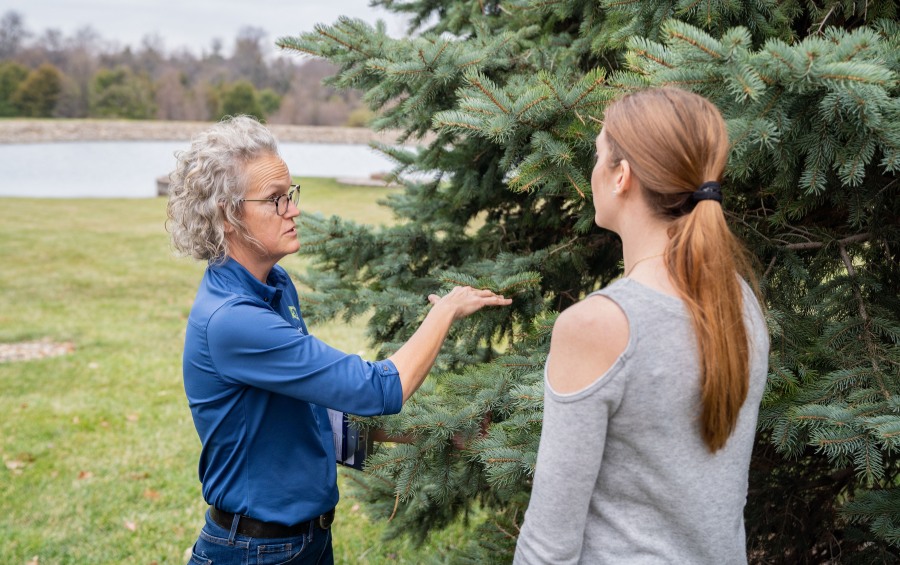
During a consultation, an ISA Certified Arborist walks the property with you, explaining what they’re observing and answering questions about specific trees.
Schedule Your Tree Health Assessment with a Certified Arborist Today
Understanding professional credentials helps you protect both your trees and your investment. Mature trees represent decades of growth and thousands of dollars in property value — assets that deserve qualified care from arborists who understand Eastern Jackson County’s specific conditions and threats.
Arbor Masters’ ISA Certified Arborists provide complimentary consultations for homeowners throughout Lee’s Summit, Lake Lotawana, Lake Tapawingo, Lake Winnebago, Loch Lloyd, and Brookside. Whether you’re concerned about storm damage, noticing signs of decline, or simply want peace of mind about your trees’ health, call 816-524-3131 to schedule your assessment.
Want More Like This?
Get the latest local news, tree care tips, special offers, and company updates directly to your inbox! It's easy to subscribe and there's no spam - we promise.
"*" indicates required fields
