What You Can Do to Protect Your Trees from Scale Insects This Spring
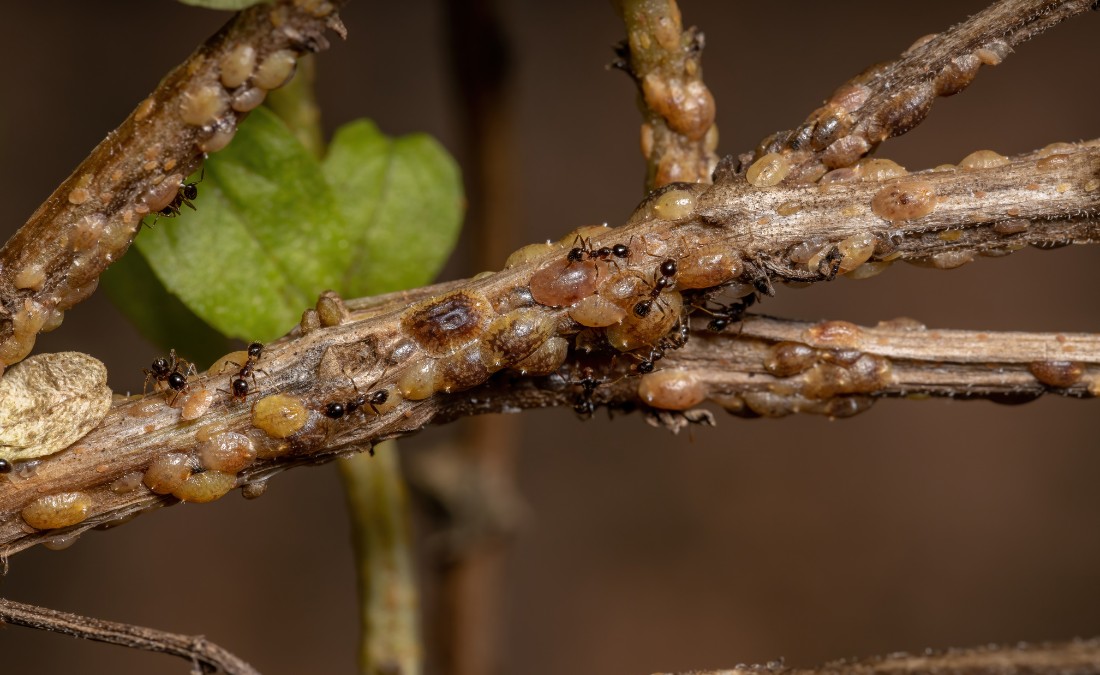
Scale insects are becoming active in Tulsa. Learn the spring treatment window and what ISA arborists can do to protect trees before damage occurs.
As spring settles into Oklahoma, scale insects begin their active life cycle on trees across the Tulsa area. These pests often go unnoticed at first, but they can cause real damage to oaks, crape myrtles, and other ornamentals if treatment timing is missed.
Early spring is when scale insects are most vulnerable – and when inspection and treatment decisions matter most. Knowing what to look for and when to act can make the difference between minor intervention and ongoing tree stress later in the season.
Key Takeaways
- Kermes scale, crape myrtle bark scale, euonymus scale, and San Jose scale pose serious threats to Tulsa area trees, including oaks and crape myrtles.
- Critical treatment windows vary by species, from early spring through summer, requiring professional monitoring for precise timing.
- Early intervention by ISA Certified Arborists achieves superior control compared to late-season reactive treatments.
- Signs like honeydew dripping, leaf yellowing, or white crusty bark indicate active infestations requiring immediate professional assessment.
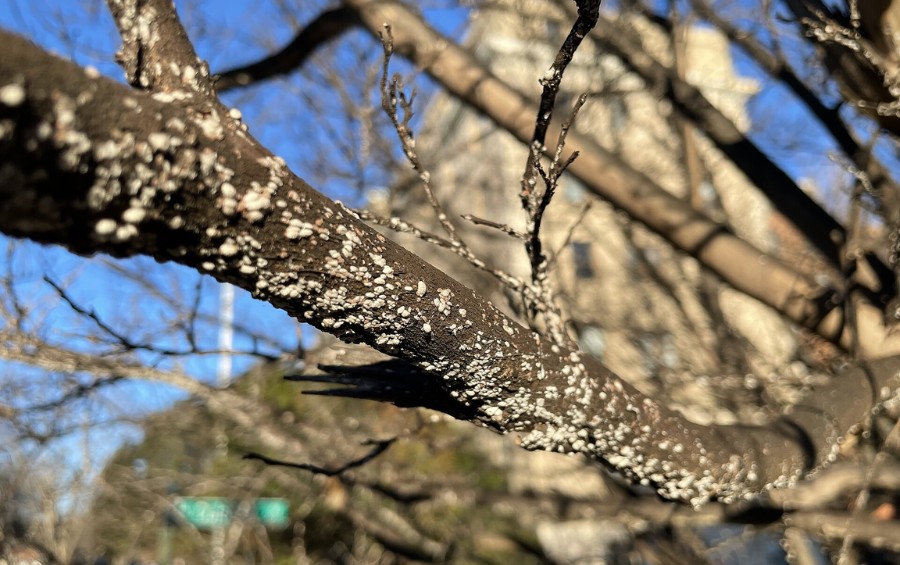
Crape Myrtle Bark Scale creates the characteristic white, felt-like covering that releases pink liquid when crushed, helping with proper species identification for targeted treatment. M.Borden, CC BY-SA 2.o via Wikimedia Commons
What Scale Insects Threaten Tulsa Area Trees?
Several scale insect species pose recurring problems for Tulsa-area homeowners. Each targets specific trees, produces distinct symptoms, and requires precise treatment timing to control effectively. Knowing which scale you’re dealing with is critical for choosing the right response.
Kermes Scale
Kermes Scale primarily targets post oaks and white oaks, where it causes leaf drop and branch “flagging” that can dramatically change a tree’s appearance. The insects appear gall-like around leaf bases and stems, which often leads homeowners to mistake infestations for a disease rather than an insect issue.
In Oklahoma, egg laying begins in late June, with crawlers emerging in early July, making treatment timing especially critical during peak summer heat.
Crape Myrtle Bark Scale
Crapemyrtle Bark Scale is well established in Tulsa County and is especially visible on smooth-barked crape myrtles. It creates a white, felt-like coating on bark surfaces and releases a pink liquid when crushed. Heavy infestations produce sticky honeydew that leads to black sooty mold on bark, patios, and nearby surfaces.
This species reproduces over an extended period, with egg laying occurring from May through September and multiple generations per year, which is why infestations can escalate quickly if not addressed early.
Euonymus Scale
Euonymus Scale affects a wide range of ornamental plants, including holly and ligustrum. Early signs include yellow spotting on leaves, followed by leaf drop and branch decline. Male scales form white, thread-like coverings that can give plants a bleached or “whitened” appearance.
Activity begins early in the season, with eggs hatching from mid-April through mid-June, followed by additional generations through late summer.
San Jose Scale
San Jose Scale presents one of the broadest threats, attacking more than 60 species of trees and shrubs, including fruit trees. Early infestations may show red halos around individual scales, while heavier populations create gray, crusty buildup on twigs and branches that weakens tree structure over time.
This species produces four to five overlapping generations per year, allowing populations to build rapidly during warm weather and making early intervention especially important.
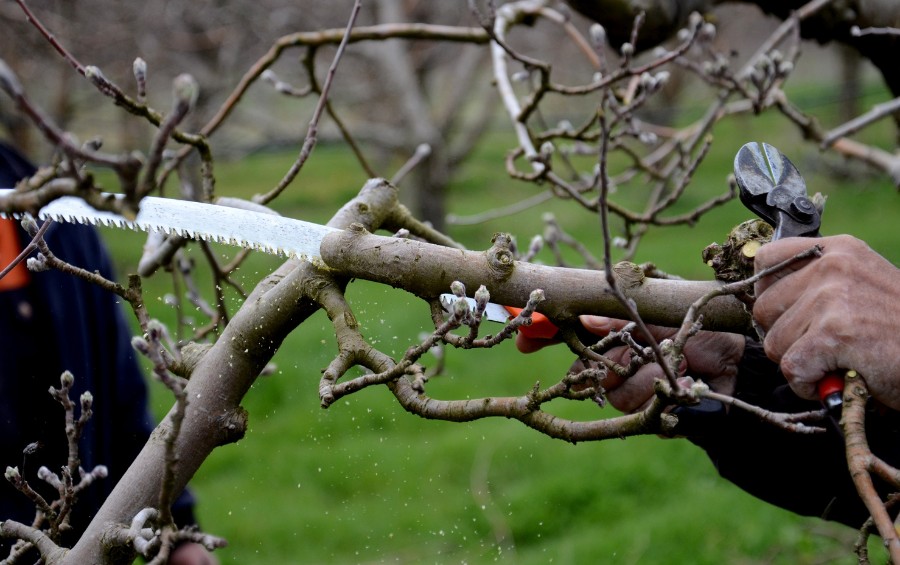
Proper pruning techniques help remove scale-infested branches and improve air circulation, making trees less susceptible to future scale insect problems.
When Can You Treat Trees for Scale Insects?
Scale insect control in Oklahoma isn’t tied to a specific date on the calendar. The effective treatment window opens briefly each spring, when scale insects enter their crawler stage – the only point in their life cycle when they’re reliably vulnerable to control.
Because crawler emergence depends on accumulated heat rather than the month or week, that window can shift significantly from year to year. A long winter, an early warm-up, or extended spring rain can all move treatment timing earlier or later than expected.
Why Professional Timing Matters
Professional arborists don’t guess at treatment timing. Instead, they monitor environmental conditions that influence insect development, including temperature trends and degree-day accumulation, to determine when scale insects are actively emerging.
Relying on calendar-based treatment often leads to applications that are mistimed – either too early, before crawlers are present, or too late, after insects have developed protective coverings that treatments can’t penetrate. In both cases, effectiveness drops and repeat treatments are often needed.
What Scale Insect Treatment Options Work Best in Tulsa’s Climate?
Effective scale control requires matching treatment methods to Oklahoma’s climate conditions while protecting the beneficial insects that provide natural pest management in your landscape. Oklahoma State University extension research emphasizes environmentally conscious treatment approaches that protect beneficial insects while achieving effective scale control, including:
- Biorational Products: Horticultural oils and insecticidal soaps work best during crawler activity, when young scales are most vulnerable. These approaches minimize harm to natural enemies that provide ongoing biological control. These treatments require precise timing and thorough coverage for success.
- Systemic Insecticides: Imidacloprid and dinotefuran applied during the fall before dormancy provide control in the following year by moving through the tree’s vascular system. This approach works particularly well for San Jose scale and kermes scale on large shade trees where spray coverage becomes challenging.
- Dormant Oil Applications: Winter treatments offer another effective approach, especially for crape myrtle bark scale. These treatments smother overwintering scales before spring emergence, reducing population pressure for the following growing season.
- Monitoring Techniques: Double-sided sticky tape helps time the crawler emergence precisely. This simple technique identifies peak vulnerability periods, when treatments achieve maximum effectiveness with minimum environmental impact.
PRO TIP: Professional arborists will combine multiple different approaches based on species identification, infestation severity, and environmental considerations for your specific property.
How Can I Prevent Future Scale Insect Problems?
The most cost-effective approach to scale management focuses on creating conditions that discourage establishment while supporting the natural enemies that keep populations under control. This includes:
- Schedule Annual Professional Inspections: ISA Certified Arborists detect emerging problems before they require intensive treatment. Professional arborists recognize early warning signs that homeowners often miss, enabling intervention when control requires minimal inputs and achieves maximum effectiveness.
- Apply Fertilizer Only When Needed: Over-fertilization with nitrogen encourages scale buildup by producing succulent growth that attracts female scales seeking egg-laying sites. Balanced fertilization programs support tree vigor without creating conditions that favor pest development.
- Inspect Nursery Stock Carefully: Inspect plants before purchase to prevent introducing scale-infested plants to your landscape. Look for telltale signs, like crusty bark, white scale covers, or sticky honeydew on leaves and twigs. Quarantine new plants for several weeks to identify any problems before permanent installation.
- Maintain Healthy Growing Conditions: Proper irrigation, mulching, and site improvement help trees resist scale establishment and recover more quickly from minor infestations. Stressed trees produce chemical signals that attract scale insects, while vigorous trees support beneficial insect populations that provide natural control.
- Conserve Natural Enemies: Selective pesticide use targets scale insects without eliminating predatory beetles, parasitic wasps, and other beneficial species. Broad-spectrum insecticide applications often create rebound infestations by removing biological control agents.
- Maintain Ongoing Tree Health Programs: Monitor scale activity, track beneficial insect populations, and adjust management strategies based on changing conditions for sustained protection.
Frequently Asked Questions Scale Insects
How quickly can scale insects damage my trees?
Heavy infestations can cause noticeable damage within one growing season, though most species rarely cause tree mortality. Aesthetic damage and reduced vigor typically appear first.
Can I treat scale insects myself?
DIY treatments for scale insects are generally difficult to get right, due to the precise timing requirements, specialized equipment needs, and licensed applicator requirements for the most effective products. Instead, work with a reputable tree service and arborists for an effective assessment and treatment at the appropriate time.
When should I be most concerned about scale insect activity?
We recommend monitoring throughout the spring and summer, as timing varies by species and due to weather factors. For a more accurate diagnosis, professional monitoring helps identify critical intervention times.
Do all tree species get the same scale insects?
No, as kermes scales prefer oaks, crape myrtle bark scale only affects crape myrtles, while San Jose scale attacks over 60 different tree and shrub species. Species identification determines treatment approaches.

Professional arborists use specialized equipment and monitoring techniques to time scale insect treatments precisely, ensuring maximum effectiveness while protecting beneficial insects.
Protect Your Tulsa Trees with Expert Scale Insect Management from Arbor Masters
Oklahoma’s overlapping scale insect generations and extended emergence periods create multiple intervention opportunities, but only when you understand the precise timing each species requires. Professional monitoring and targeted treatment approaches achieve superior results compared to reactive responses.
If you want to ensure your trees remain healthy for years to come, trust the expert arborists at Arbor Masters of Tulsa. We can successfully inspect, diagnose, and treat your trees for whichever species of scale is affecting them. Call us today at 918-258-3444 or request a quote online for help with scale insects.
Learn More With These Related Articles
Want More Like This?
Get the latest local news, tree care tips, special offers, and company updates directly to your inbox! It's easy to subscribe and there's no spam - we promise.
"*" indicates required fields