Arbor Masters’ Tree Insect and Disease Control Services
Insects and diseases are some of the most problematic issues your trees can face in Overland Park, Olathe, Shawnee, Lenexa, Leawood, and Mission Hills. If left untreated for long enough, insects and diseases can quickly kill your trees. The team at Arbor Masters can help protect your trees and treat them for diseases. We offer:
Insect Treatment
Insect Prevention
Disease Treatment
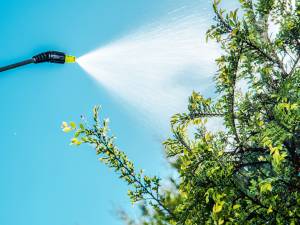
Disease Prevention
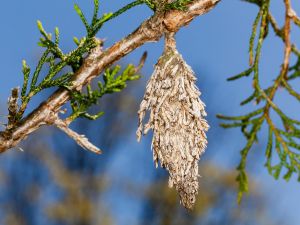
Symptoms of a Tree Dealing with Insects and Diseases
While many diseases will manifest in unique ways, some typical symptoms indicate a problem with your trees. Some of the common symptoms that your tree may be infected by a disease or struggling with an insect infestation include:
Discolored leaves
Early leaf drop
Dead branches or sections of the canopy
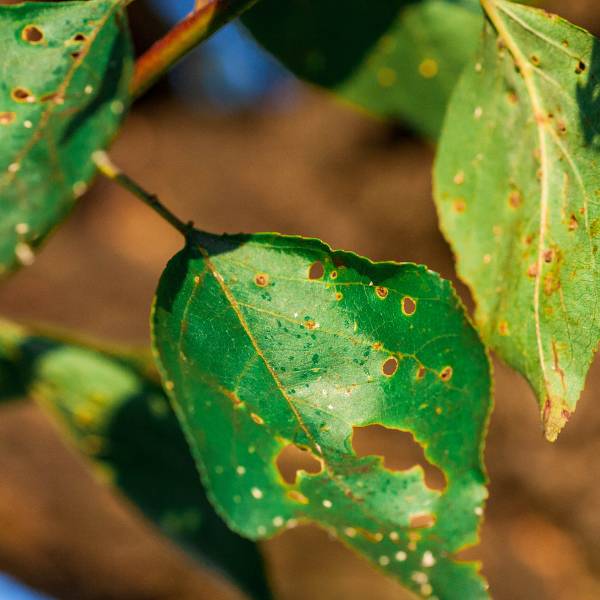
Damage on leaves
Holes or other bark damage
Peeling bark
Spotted leaves
Noticeable insect activity
Stunted or little growth
Why Johnson County Residents Trust Arbor Masters
Diagnosing and treating insects and diseases is tricky, even for experienced tree care professionals. When you hire Arbor Masters, you get a team with the knowledge and experience to handle the job. Some of the factors our customers cite when talking about our treatment include:
ISA Certified Arborist on Staff: Our ISA Certified Arborists are experts in treating trees and know the symptoms of different insects and diseases.
Multiple Treatment Options Available: We will help you determine what treatment option is best for your trees and provide preventive options for future use.
60+ Years of Experience: We’ve been in business since 1960, and in that time, we’ve taken care of everything from emerald ash borer to anthracnose.

Certified and Accredited Tree Care Professionals





Typical Diseases and Insects in the Our Area
The Kansas City metropolitan area has beautiful trees, but several tree diseases and insects unfortunately threaten them. These problems can range from purely aesthetic to life-threatening. Some common tree insects and diseases in our area include:
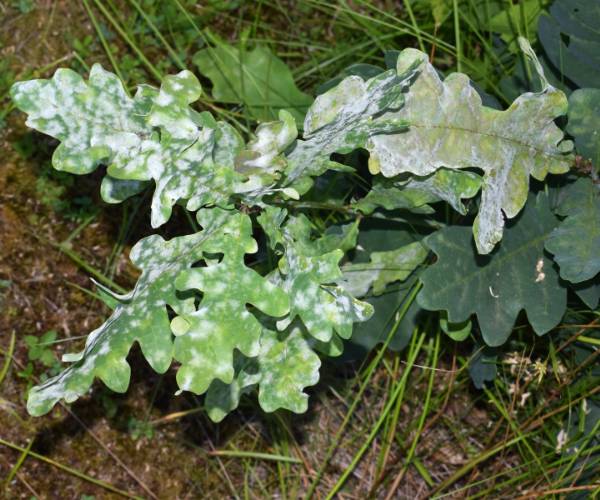
Oak Wilt: Oak wilt is a deadly fungal disease that rapidly kills oak trees and spreads to nearby hosts. Avoid pruning your oak trees during the growing season, and remove any trees that are suffering from oak wilt.
Japanese Beetles: Adult Japanese beetles feed on leaves and can potentially kill young trees. Grubs will feed on your grass and lead to dead patches.
Emerald Ash Borer: Emerald ash borer (EAB) is an invasive species in Kansas that has had devastating consequences for forests. These insects attack and quickly kill ash trees; arborists estimate EAB has killed millions of ash trees throughout the country.
Dutch Elm Disease: Dutch elm disease (DED) has spread throughout Kansas and is responsible for killing many of our native elm trees. Bark beetles spread the disease to trees while feeding.
Pine Wilt: This disease is caused by the pinewood nematode and is transported to trees by the pine sawyer beetle. This is a common disease in the eastern part of our state and continues to spread westward every year.
Our Insect and Disease Control Process
We’ve streamlined our process over the years to make it as simple for our customers as possible and efficient for our team. When you hire us, this is what the basic process will look like:
Initial Consultation
An arborist will examine your trees, look at the symptoms, and attempt to come to a conclusion on what's bothering them.
Problem Identification
Once we have a good idea of your tree’s condition, we’ll identify the problem and provide you with a quote for tackling it.
Plan Development
Once you accept the quote, we’ll schedule you and work to finalize our plan, including what equipment to use and the crew we’ll need.
Treatment
We’ll perform the agreed-upon treatment for your trees, avoiding spraying toxic chemicals indiscriminately that can harm your pets or children.
Schedule Future Care
To keep your trees from having to deal with the problem in the next year, we’ll ask you to schedule future preventive care.
Healthy Trees Start Here – Insect & Disease Control Near You in Johnson County
We are proud to offer our high-quality tree care throughout the Kansas side of Kansas City. For more information about our service area, call us at (913) 441-8888 or see our service area map.
FAQs
Additional Tree Care Advice
We publish monthly articles detailing all aspects of tree care. See our full tree care blog for all the latest information about trees in our area and how best to protect them from insects and diseases.
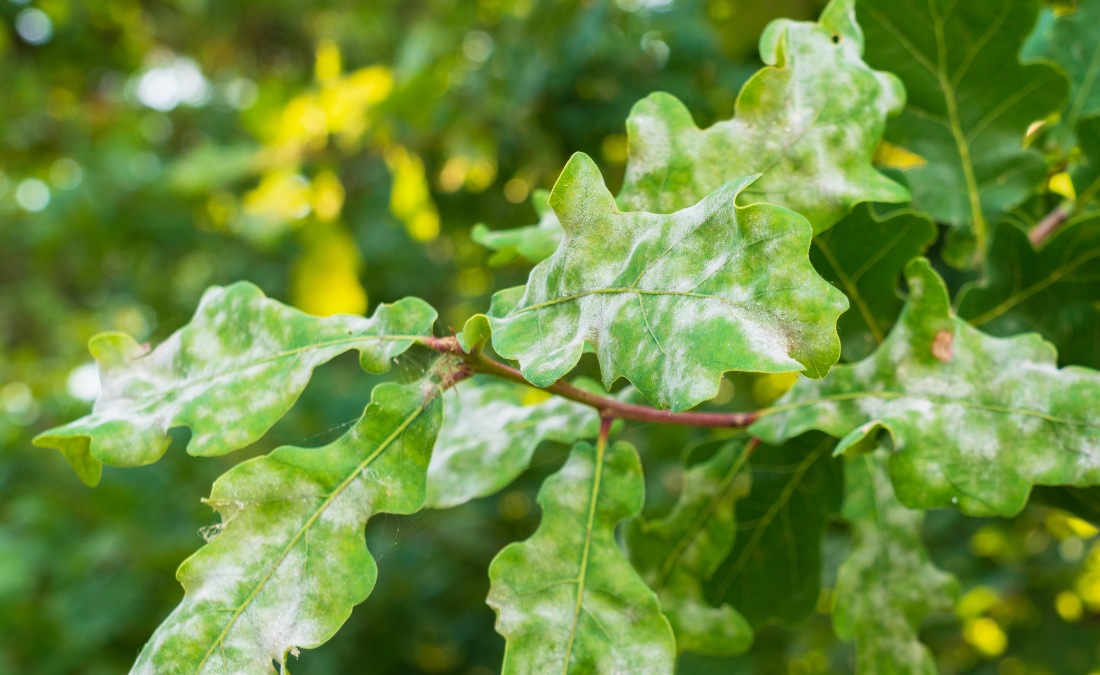
Powdery Mildew Is Common in the Midwest – Here’s What to Do About It
Thinking About a Maple Tree? Care Tips and Common Types to Know

Why High-Value Trees Need Year-Round Plant Health Care in Johnson County
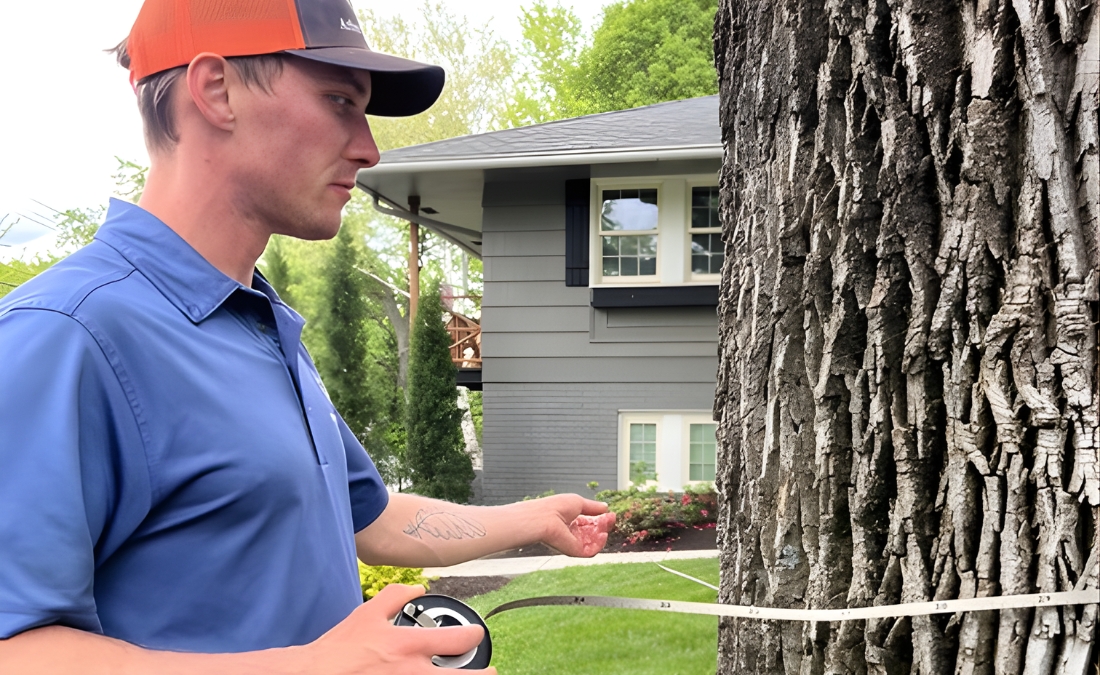
How to Tell If You Have an Ash Tree (and How to Care for It)