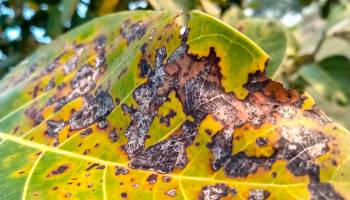
How to Protect Your Des Moines Trees from Salt Damage This Winter
Learn how winter salt affects Des Moines trees and the most effective ways to prevent damage, backed by guidance from ISA Certified Arborists.
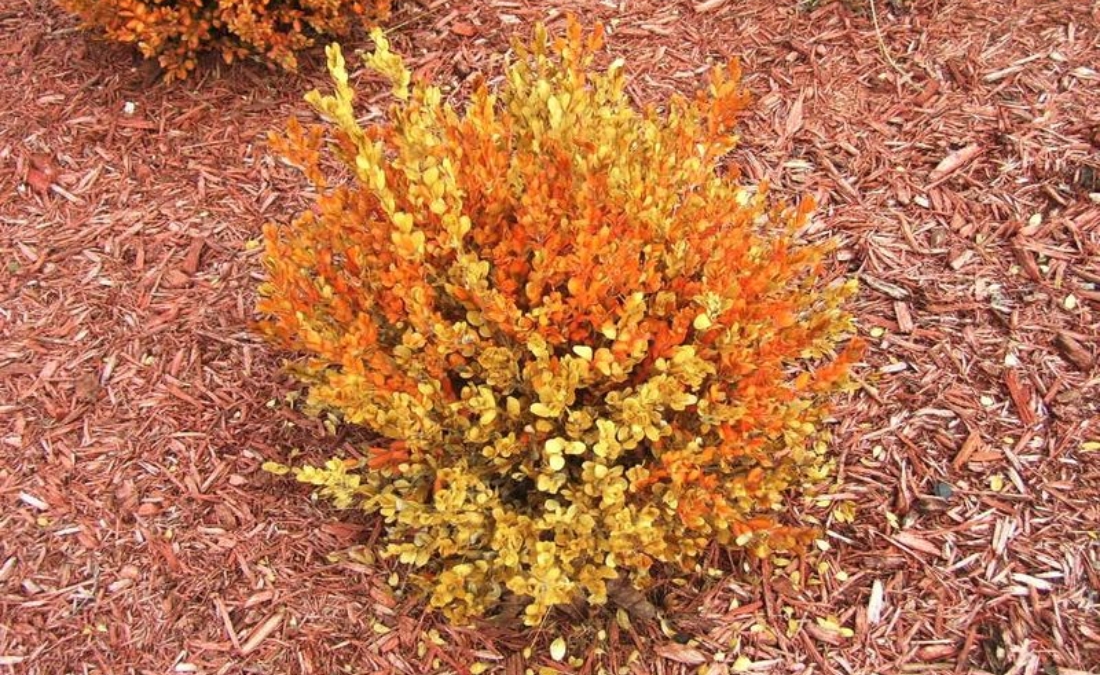
Have you noticed your evergreens looking brown-tipped after last winter, especially those beautiful spruces along Grand Avenue or the mature pines near Jordan Creek Parkway? Those telltale brown needle tips and crispy leaf margins aren’t just winter weather damage. They’re salt damage from Des Moines’ road treatment during icy and snowy conditions. While the city’s snow removal keeps our streets safe, it can have negative repercussions on our local trees.
Salt damage often leaves homeowners dealing with unexpected costs, especially when a damaged tree needs to be removed or replaced. The good news? Most of the damage is preventable with the right protections.
Key Takeaways
- Des Moines uses straight sodium chloride, which becomes toxic to trees when soil concentrations exceed natural tolerance levels.
- Apply anti-desiccant sprays when the temperature is between 40 and 50 degrees, and there is no precipitation in the forecast.
- Gypsum soil treatments should be applied before the ground freezes to displace harmful sodium with calcium, improving soil structure for years.
- Trees along major routes, like Grand Avenue and Jordan Creek Parkway, face the highest salt exposure risk due to traffic volume and wind patterns.
- Professional prevention costs a fraction of replacing the tree with a new sapling.
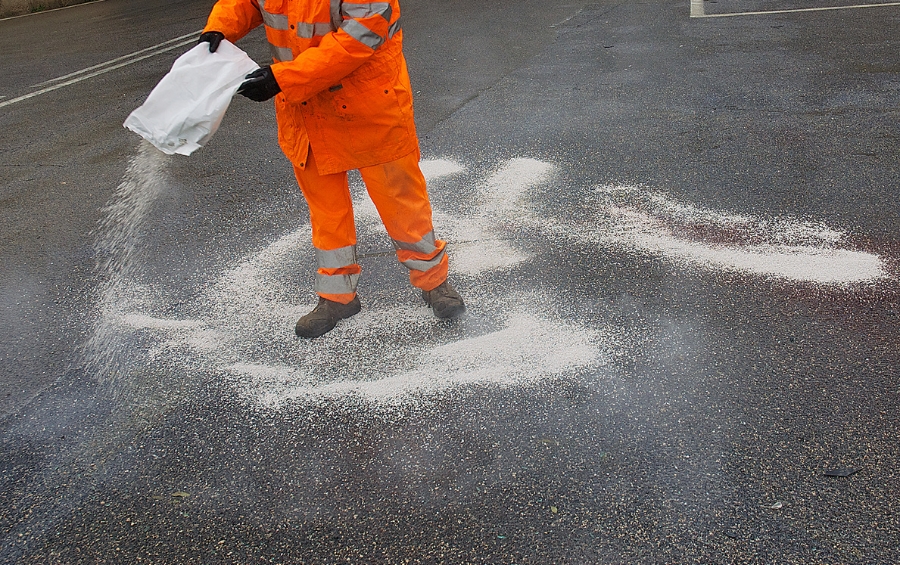
Des Moines Public Works applies sodium chloride road salt throughout winter, creating potential exposure risks for nearby trees.
How Does Road Salt Damage Trees in Des Moines?
Understanding how salt harms your trees starts with knowing what is actually used on Des Moines’ roadways. According to Des Moines Public Works, the city applies rock salt (sodium chloride) from a Kansas mine. Thirteen trucks spray salt brine before storms, and more than 100 pieces of equipment handle full snow-removal operations.
While these treatments keep the roads safe, they also create conditions that can damage nearby trees. Salt affects trees in two main ways:
- Through the Root Zone: Salt-laden runoff saturates soil around your trees, fundamentally changing soil chemistry and making it harder for roots to absorb water and nutrients.
- Through Above-Ground Exposure: Salt spray from passing traffic coats bark, buds, and foliage, with evergreens particularly vulnerable as their needles remain exposed throughout winter.
Salt damage is particularly problematic because it interferes with a tree’s ability to move water upward – almost like trying to drink through a straw full of holes. The water exists, but it never reaches the parts of the tree that need it.
This is why applying winter protection measures before salt exposure is far more effective than attempting to reverse the damage later.
What Are the Signs Your Trees Need Salt Protection?
Recognizing which trees need protection requires looking at both visible symptoms from previous winters and identifying high-risk locations on your property. Trees that have already experienced salt damage show distinctive signs that are easy to spot once you know what to look for. Some symptoms to watch for include:
- Brown or yellowing needle tips on evergreens that create a “burned” appearance along branch edges
- Brown or blackened leaf margins on deciduous trees that remain visible even after leaves drop
- Stunted growth on trees closer to streets compared to similar trees planted deeper in your yard
- Overall reduced vigor in roadside trees despite being the same age and species as healthier yard trees
Trees in high-risk areas are more likely to deal with salt damage. Areas to pay special attention to include:
- Trees within 50 feet of major Des Moines thoroughfares, such as Grand Avenue, Jordan Creek Parkway, and University Avenue
- Evergreens planted along street-facing property edges, especially on corners where extra salt is applied
- Trees in downslope areas where salt-laden runoff naturally collects and concentrates
- Any trees planted near walkways or driveways where you notice salt accumulation after winter storms
Pay special attention to evergreens in these vulnerable spots, as they often serve as natural windbreaks and privacy screens, making their protection especially valuable for both aesthetic and functional reasons. The prevailing wind patterns in Des Moines can carry salt spray well beyond the immediate roadway, affecting trees hundreds of feet from the actual road surface.
What Professional Salt Protection Services Are Available?
Professional salt protection involves a combination of treatments designed to create physical barriers, improve soil chemistry, and enhance your trees’ natural defense mechanisms. The most effective protection strategies often combine multiple treatments for comprehensive coverage.
“After seeing plenty of winters in Des Moines, we’ve seen how devastating road salt can be to mature trees. The key is prevention rather than reaction. By the time homeowners see brown needle tips in spring, the damage is already done. That’s why we recommend comprehensive protection strategies applied before the first freeze.” – Chase Andersen, Branch Manager at Arbor Masters of Des Moines
Anti-Desiccant Spray Application
Anti-desiccant sprays create a protective coating on tree surfaces that serves double duty during Des Moines winters. This clear, breathable film reduces moisture loss from needles and bark while providing a barrier against salt spray from passing traffic. The best time to apply the treatment is when the temperature sits between 40 and 50 degrees, and there is no precipitation in the forecast for at least 24 hours.
We recommend applying these sprays earlier in the winter to take advantage of their protection throughout the season.
Professional application requires specialized equipment to achieve thorough coverage on large trees, reaching heights that homeowner sprayers cannot access safely. The coating lasts approximately 3-4 months, providing protection throughout the harshest winter weather when salt applications are most frequent.
PRO TIP: Anti-desiccant sprays are just one part of our tree preservation services. These services focus on keeping trees alive to avoid having to remove them.
Gypsum Soil Treatment
Gypsum application addresses salt damage at the root level by improving soil chemistry and structure. When applied before ground freezes, gypsum’s calcium content displaces harmful sodium in the soil, essentially pushing salt away from tree roots and restoring the soil’s natural ability to drain properly.
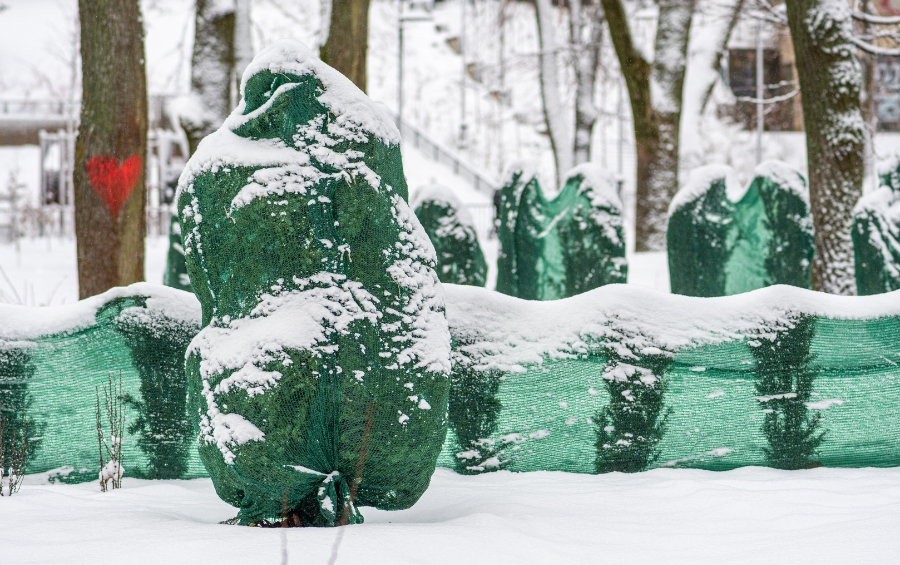
Green net barriers provide effective protection against road salt spray for valuable evergreen and young trees during Des Moines winters.
Burlap Barriers and Physical Protection
Physical barriers offer the most direct protection against salt spray, particularly for evergreens facing busy roadways. Professional installation ensures proper coverage without restricting air circulation or trapping moisture that could encourage disease problems during the winter months.
Burlap barriers work best when installed before snow season begins and positioned to intercept salt spray while allowing normal air movement around the tree. This approach is especially effective for valuable specimen trees planted close to heavily salted roadways. The barriers are removed each spring to allow normal growth and prevent any restriction of the tree’s natural development.
Frequently Asked Questions About Road Salt Damage to Trees
How early should I protect my Des Moines trees from salt damage?
Salt protection works best when applied before the first major salting event, giving treatments time to bond and shield the tree. If winter has already started, applying protections now can still reduce additional damage for the rest of the season.
Can I apply anti-desiccant spray myself?
Professional application ensures complete coverage and proper timing, while DIY treatments often miss critical areas and may be applied incorrectly. Large trees require specialized equipment for safe, thorough application.
Which Des Moines trees are most vulnerable to salt damage?
Evergreens near Grand Avenue, Jordan Creek Parkway, University Avenue, and any trees within 50 feet of major roadways face the highest risk. Downslope locations where runoff concentrates also increase exposure.
When should I call a professional arborist for salt protection?
Contact an ISA Certified Arborist if your trees show stress symptoms, are valuable specimens, or you need comprehensive protection planning for your entire property. Early consultation provides the most options.
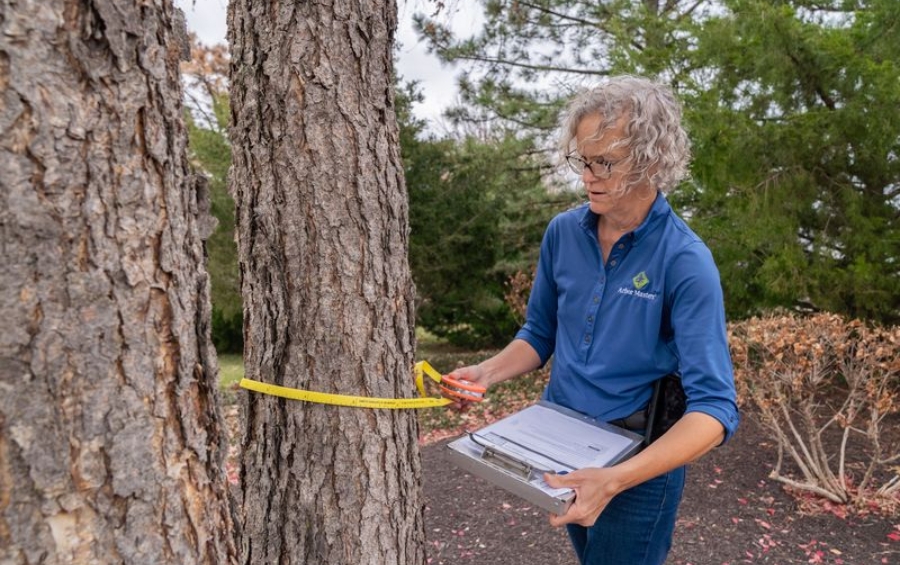
Arbor Masters ISA Certified Arborists conduct comprehensive tree assessments to identify salt damage risk factors and develop protection strategies.
Keep Your Des Moines Trees Safe from Winter Salt Exposure
With Des Moines’ road salt applications beginning soon, now is the time to invest in prevention rather than hoping your trees survive another harsh winter. Professional salt protection treatments cost a fraction of tree replacement expenses while preserving the beauty, shade, and property value your mature trees provide.
If you want to ensure adequate protection and keep your trees near roads healthy for years to come, the experts at Arbor Masters can help. Our arborists can evaluate your trees and come up with a comprehensive treatment program. Call us at 515-218-2025 or request a quote online today.


Want More Like This?
Get the latest local news, tree care tips, special offers, and company updates directly to your inbox! It's easy to subscribe and there's no spam - we promise.
"*" indicates required fields