
How to Identify and Treat Soft Scale Insects on Oklahoma City Trees
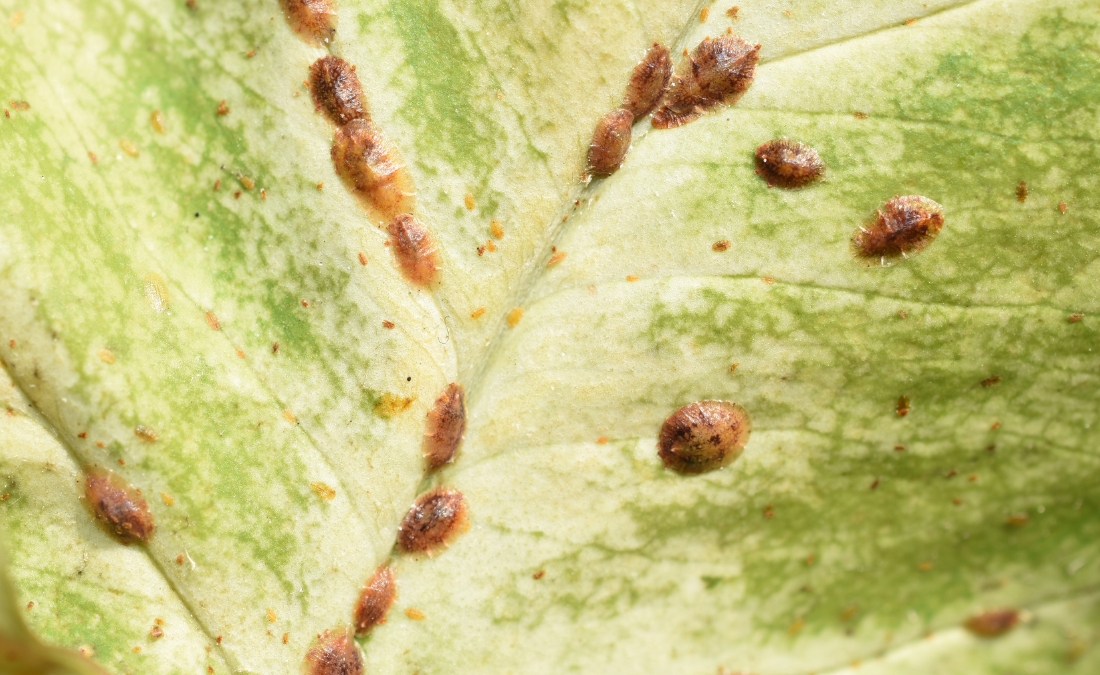
Sticky residue on your tree or surfaces below? It could be soft scale insects. Learn how to spot the signs and when to treat in Oklahoma City.
Every spring in Oklahoma City, the same mystery shows up on driveways across Edmond and Nichols Hills: a sticky film coating your car, your patio furniture, and everything else parked under a big oak or maple. It’s often mistaken for sap — but it’s actually honeydew, a residue produced by tiny scale insects.
Scale insects are easy to overlook but difficult to control once they take hold. Understanding what to look for and when to act makes a big difference in protecting your trees from damage.
Key Takeaways
- Soft scale insects are sap-feeding pests that produce sticky honeydew on cars, patios, and sidewalks.
- Oklahoma City’s hot summers, heavy clay soils, and mature tree canopies create ideal conditions for scale infestations.
- The treatment window is narrow, as crawlers are only vulnerable for a brief window in the spring before they develop a protective shell that makes contact treatments ineffective.
- Effective long-term control combines professionally timed spring crawler treatments with fall and winter dormant oil applications rather than one-off store-bought sprays.
- Signs like honeydew, black sooty mold on leaves, small bumps on branches, and organized ant trails on the trunk all point to a soft scale infestation that warrants professional inspection.
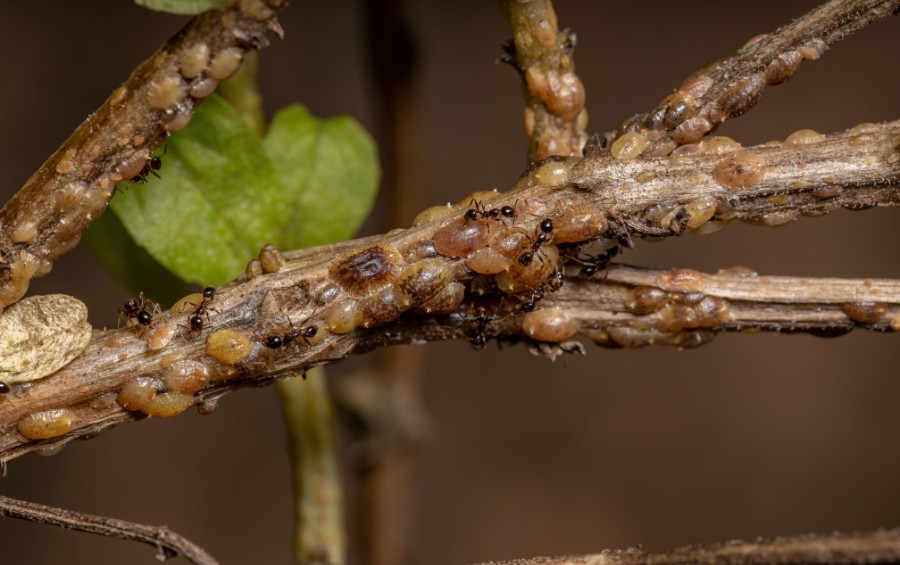
Ants marching in organized trails up a tree trunk are often following honeydew produced by soft scale insects feeding above.
What Are Soft Scale Insects?
Soft scale insects are tiny sap-feeding pests that attach themselves to tree branches and feed undetected for weeks. They are among the most common pests on shade trees in the United States, and they’re a growing problem on oaks, maples, and hollies throughout the Oklahoma City metro.
They latch onto twigs and branches and quietly drain nutrients from the inside. The biggest soft scale insect problem in Oklahoma City is lecanium scale. As they feed, soft scale insects excrete a sugary waste called honeydew.
Control is difficult because a single female lecanium scale can produce 1,000 to 5,000 eggs, causing populations to explode fast once established. While these insects rarely kill trees, they do cause excessive stress to the tree and are a nuisance for homeowners.
Why Oklahoma City Trees Are Especially Vulnerable
Oklahoma City’s growing conditions create the perfect environment for scale insects to thrive. Hot summers put trees under stress, weakening their natural defenses, while heavy clay soils limit drainage and root function, making it harder for trees to take up water and nutrients.
In neighborhoods like Edmond and Nichols Hills, the urban heat island effect adds another layer of stress. These areas also tend to have larger, more mature tree canopies, which means infestations (and the sticky honeydew they produce) are more noticeable on driveways, patios, and anything below.
It becomes a cycle: stressed trees are more susceptible to scale, scale insects drain energy from the tree, and that added stress makes future infestations more likely.
How Do You Know Your Trees Have Soft Scale Insects?
Most homeowners don’t notice soft scale insects themselves — they notice what’s left behind. Here are the most common signs of an infestation:
- Sticky Residue: A shiny, sticky film on leaves, branches, and anything beneath the tree. This sugary waste is often the first and most obvious sign.
- Black Sooty Mold: A dark, powdery coating that forms on surfaces covered in honeydew. It doesn’t infect the tree directly, but heavy buildup can block sunlight and reduce photosynthesis. It can be washed off but will return as long as scale insects are active.
- Small Bumps on Branches: Scale insects appear as small, raised bumps on twigs and the undersides of branches, often brown, tan, or waxy. They’re easy to mistake for part of the bark and often go unnoticed.
- Ant Activity: A steady line of ants moving up and down the trunk is usually a sign something above is producing honeydew.
- Yellowing or Thinning Leaves: Leaves may lose color, thin out, or drop early as scale insects drain nutrients from the tree.
- Increased Insect Activity: Honeydew attracts wasps, flies, and bees. A noticeable uptick around one tree is another clue worth paying attention to.
When Should You Treat for Soft Scale Insects in Oklahoma City?
Soft scale insects are most vulnerable during the “crawler” stage, the brief period after eggs hatch when tiny, mobile nymphs move along branches to find their own feeding sites. In Oklahoma City, crawler emergence typically happens from late April through May, earlier than in northern states, thanks to our warmer springs.
Once crawlers settle and develop their protective waxy shell, contact treatments become far less effective, as you’re essentially trying to treat through armor. Soft scale insects mature roughly two weeks after hatching, meaning the window to treat for scale is very small.
If you noticed honeydew in your yard last year, it could be a sign that you had scale insects, and you can be sure they’ll be back next summer. Have an arborist inspect your trees in the spring and schedule insect treatment before the window closes.
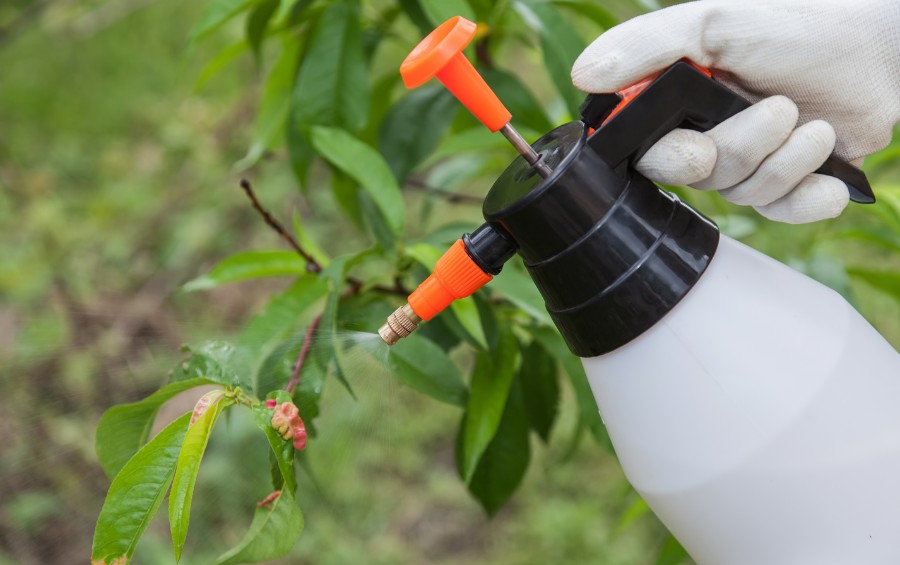
Homeowner-grade sprayers can reach small shrubs and low branches, but they rarely deliver enough coverage to treat scale in the canopy of a mature shade tree.
How Do Professionals Treat Soft Scale Insects?
Effective scale control comes down to timing and coverage — both of which are difficult to get right without the right tools and monitoring.
Spring Treatments Target the Vulnerable “Crawler” Stage
Professional arborists time contact treatments (horticultural oils, insecticidal soaps, and targeted sprays) to the crawler emergence window when soft scale insects are exposed and vulnerable. For large or mature trees, systemic treatments applied to the soil or on leaves ensure the product reaches the canopy where scale insects feed. These canopies are simply too large for homeowner-grade equipment to cover effectively.
Attempting to perform spring treatments yourself is often impossible. Professionals monitor growing degree days and local conditions to pinpoint treatment timing, something that is often difficult for homeowners. Additionally, the sprays available to consumers are often broad-spectrum and can kill the natural predators of scale that exist.
Fall and Winter Treatments Reduce Next Year’s Infestation
Dormant oil sprays applied in late fall or winter, when temperatures stay above 40°F, smother overwintering nymphs on twigs before they can resume feeding in spring. Fall systemic treatments serve a similar purpose, getting the product into the tree’s system so it’s already in place when crawlers emerge the following spring.
Treating before symptoms show up is always more effective and less costly than reacting after the damage is visible. The most reliable long-term control combines spring crawler intervention with fall and winter dormant application. That’s why a professional treatment program outperforms one-off store-bought sprays. And keeping your trees healthy with proper nutrition makes them more resistant to scale infestations.
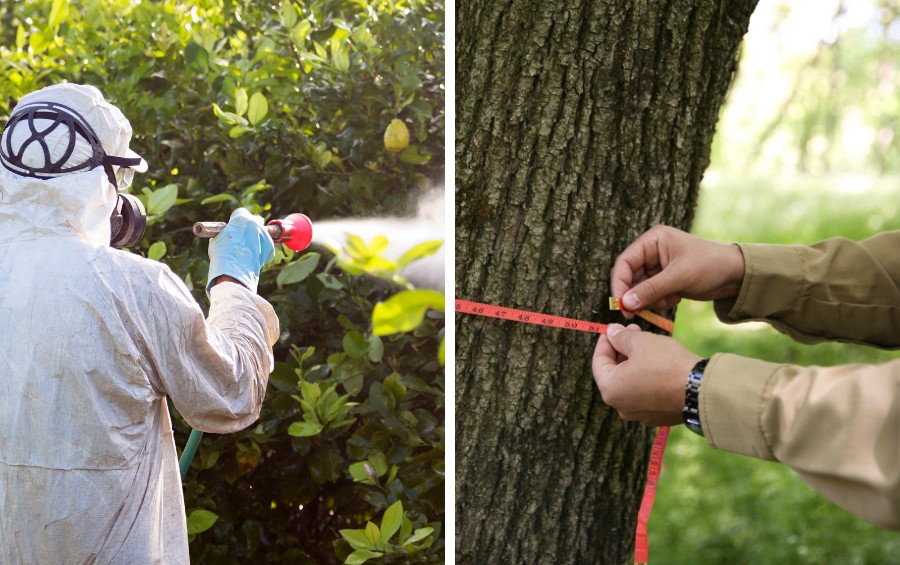
Professional scale treatment starts with a proper tree assessment, including trunk measurements that determine the correct dosage for systemic applications.
Frequently Asked Questions About Soft Scale Insects
Are soft scale insects harmful to trees?
Soft scale insects feed on a tree’s nutrients, which weakens it over time. Heavy infestations can cause leaf yellowing, branch dieback, and increased vulnerability to other pests and diseases — especially during Oklahoma’s hot, dry summers. While they won’t kill your tree in most cases, the stress they cause can open it up to a cascade of other problems.
What is the black stuff growing on my tree’s leaves?
The black stuff growing on leaves is likely sooty mold, a fungus that grows on honeydew. It doesn’t directly infect the tree, but it blocks sunlight and reduces photosynthesis, which compounds the stress caused by the scale insects themselves.
When should you treat for scale insects?
The most effective treatment window is during crawler emergence, typically late April through May in the Oklahoma City area. Fall and winter dormant oil applications also help by targeting overwintering nymphs before they resume feeding in spring. The timing window is narrow in Oklahoma City and shifts every year, making professional help vital.
Can I treat scale insects myself?
Over-the-counter sprays can kill beneficial insects that naturally control scale populations, potentially making infestations worse. Professional arborists use targeted treatments timed to the crawler stage for the most effective results with minimal environmental impact.
Will sooty mold go away on its own?
Sooty mold can be washed off with mild soap and water, but it will return as long as scale insects are producing honeydew. Treating the insect infestation is the only way to stop sooty mold from recurring.
Get Ahead of Scale Insects with Professional Treatment from Arbor Masters
Scale insects are behind the sticky mess on your driveway and the black mold on your leaves. The worst part is that treating them is difficult and requires spraying during a precise timing window. If you noticed honeydew or sooty mold last year, early spring is the time to act before crawlers emerge and harden off.
The team at Arbor Masters of Oklahoma City is ready to help treat your trees for scale before it’s too late. Call us today at 405-495-8746 or request a quote online.
Learn More With These Related Articles
Want More Like This?
Get the latest local news, tree care tips, special offers, and company updates directly to your inbox! It's easy to subscribe and there's no spam - we promise.
"*" indicates required fields
