
Can a Drought-Stressed Tree Recover in the Quad Cities?
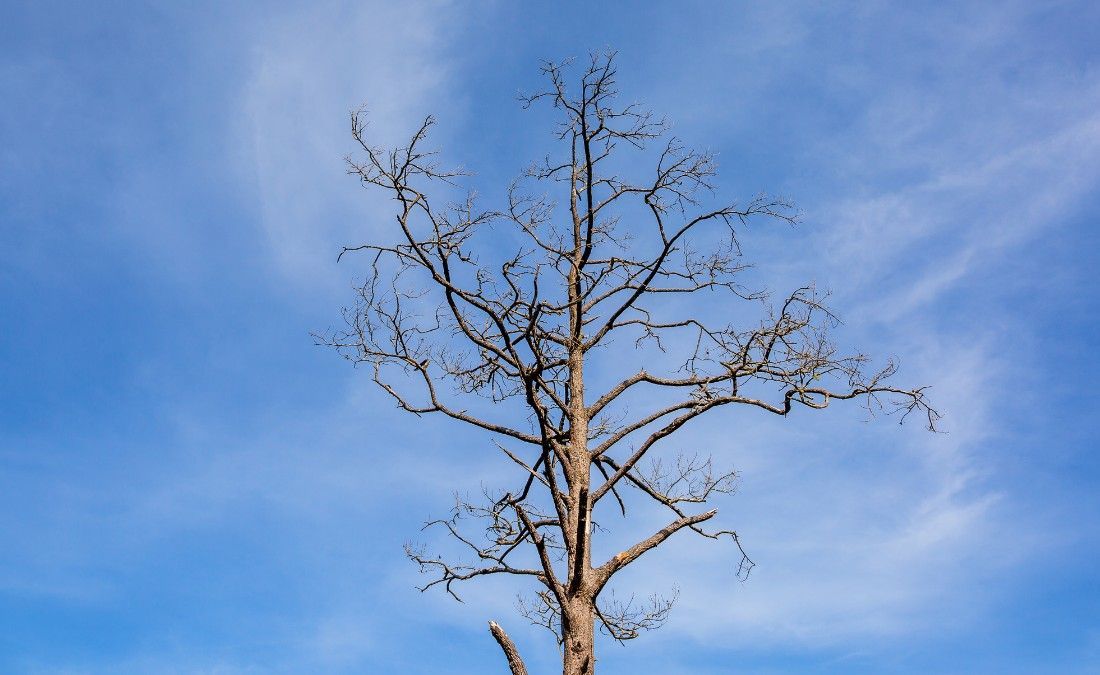
Drought symptoms can linger even after rain returns. Learn how to tell if your Quad Cities tree is recovering, still declining, or needs to be removed.
Earlier dry conditions in the Quad Cities gave way to wetter weather by early summer, but that doesn’t mean every tree bounced back just as quickly. By late summer, homeowners in Davenport, Silvis, and East Moline may still be seeing thin crowns, scorched leaf margins, or early leaf drop on trees stressed earlier in the season.
The question now is whether those trees are recovering or continuing to decline. Drought stress can affect roots and canopy growth beyond the dry spell itself, and factors like compacted soil, limited rooting space, and previous root damage can make recovery harder. Here’s how to tell which signs suggest your tree needs more time and which may point to a more serious problem.
Key Takeaways
- Many established trees can recover from drought stress when their roots and major structure remain healthy, but recovery depends on species, severity, duration, and prior condition.
- A scratch test can help confirm whether a particular section of living tissue remains, but it can’t determine the overall health or recovery prospects of the tree.
- Large wounds, extensive bark loss, splits, or damage that compromises the main trunk require a structural assessment; there isn’t a single circumference percentage that determines removal for every landscape tree.
- Trunk or root collar damage can be a more serious indicator of a tree’s condition than canopy appearance and should be evaluated by a Certified Arborist.
- Recovery may become clearer over the next one or more growing seasons, and severely stressed trees may take several years to regain normal growth.
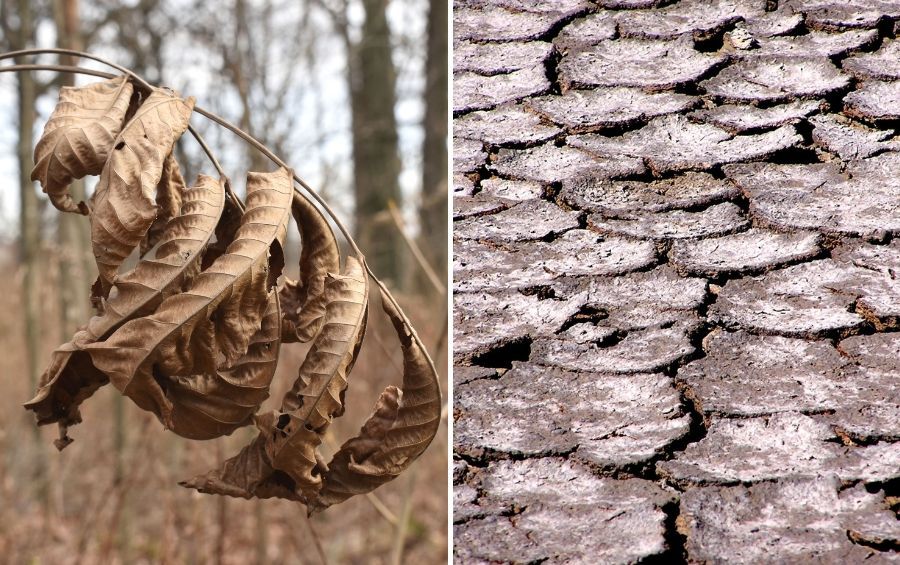
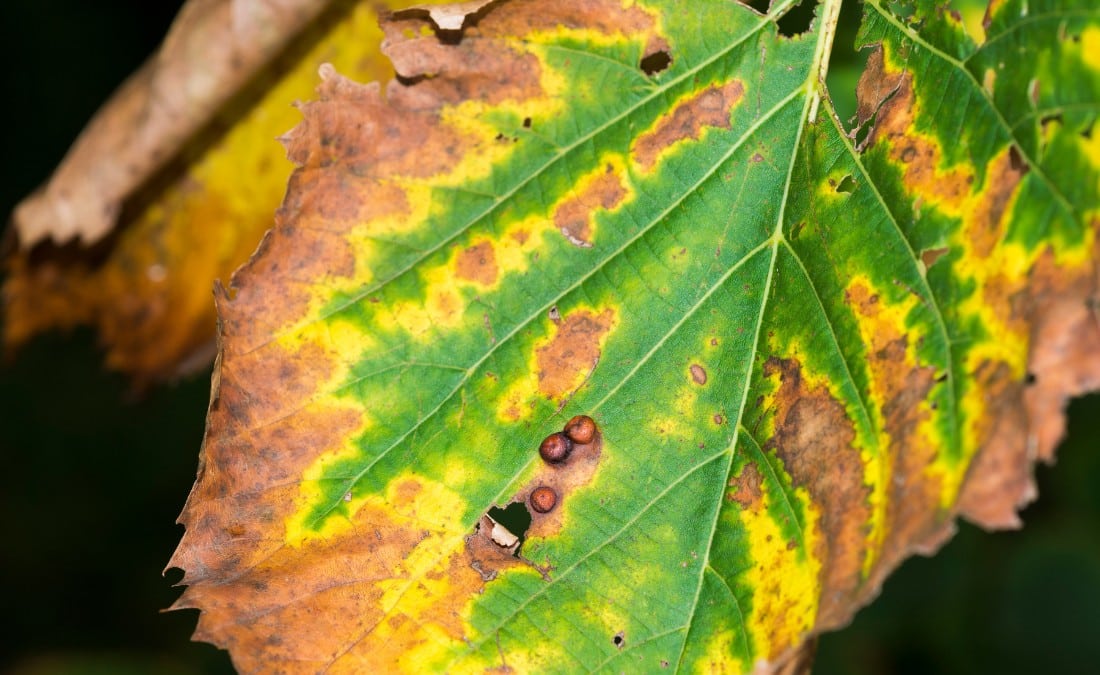
Scorched leaf edges and dry, cracked soil can be visible signs that a tree is struggling with prolonged dry conditions.
Can a Drought-Stressed Tree Recover?
Yes, many drought-stressed trees can recover if the root system remains healthy and no other serious problems are contributing to the decline. Full recovery may take two to three growing seasons, so improvement is often gradual rather than immediate. These checks can help you look for signs of living tissue and ongoing moisture stress, but they can’t determine the underlying cause of decline on their own:
- Species and drought tolerance
- Age and pre-stress condition
- Root loss from construction or restricted rooting space
- Soil texture, compaction, drainage, and available moisture
- Previous decline or pest/disease pressure
Just because a tree survives drought stress doesn’t mean it’s recovering; it may continue to leaf out thinly without regaining a healthy canopy. To tell whether the tree is actually recovering or continuing to decline, look at how much living tissue remains, whether the canopy is improving, and whether new growth is developing.
How Can You Tell If a Tree Is Dead or Just Drought-Stressed?
Start by looking for evidence that the tree still has living tissue and adequate soil moisture. Here are four simple ways to assess its condition:
- Scratch Test : If you use a scratch test, keep it small and limit it to a few representative spots; don’t repeatedly strip bark from the trunk.
- Snap Test : Bend a pencil-thick twig. Live wood flexes; dead wood snaps clean.
- Bud Check : Firm, plump buds mean life. Shriveled buds plus brittle branches do not.
- Soil Probe : Push a long screwdriver into the soil under the canopy. It will effortlessly slide through moist soil and stop at dry soil. Check moisture through the upper root zone, roughly the top 6–18 inches, rather than relying on a single depth.
No single test can tell you whether a drought-stressed tree will recover, so look at the results together. Living tissue, viable buds, and new growth are encouraging signs, while brittle branches and widespread dead tissue point to more significant dieback. If you’re finding little or no living tissue across multiple areas of the tree or aren’t seeing signs of new growth, a Certified Arborist can determine how much of the tree is still viable and whether recovery is realistic.
When Does a Drought-Stressed Tree Become a Safety Concern?
A drought-stressed tree becomes a safety concern when its decline begins to affect its structural stability or increases the risk of branches or the entire tree failing. These are the warning signs that deserve a closer look:
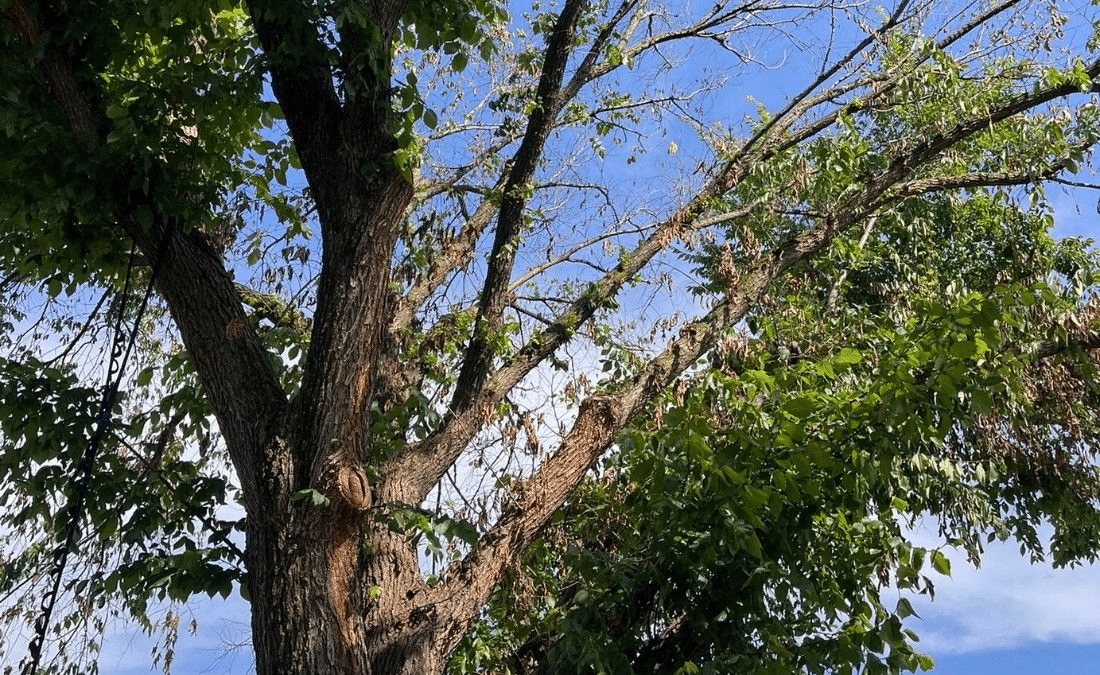
- Extensive Crown Dieback: The more of the canopy that has died, the less healthy foliage the tree has available to support recovery. There is no universal percentage that automatically requires removal, although widespread dieback is an important part of the assessment.
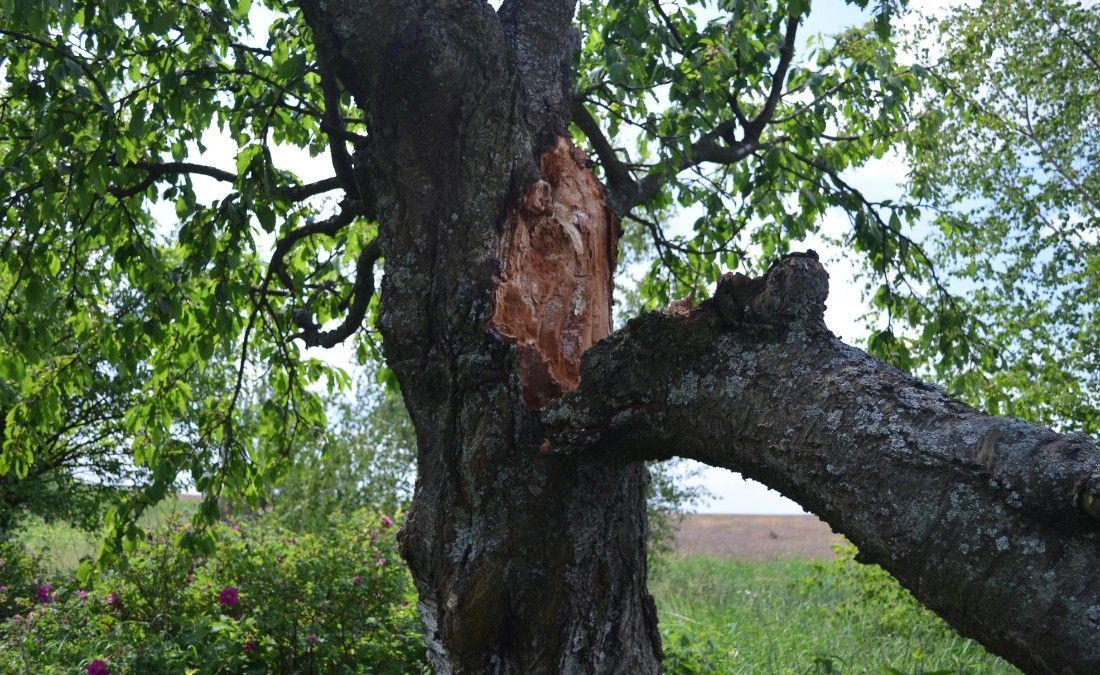
- Significant Trunk or Root Collar Damage: Large wounds, decay, or damage where the trunk meets the roots can affect both the tree’s health and structural stability, even when much of the canopy is still green.
- Conks, Deep Cracks, Cavities, or Peeling Bark: These may indicate decay or structural weakness that drought recovery alone won’t correct.
- A New Lean or Soil Lifting Around the Roots: Sudden changes at the base of the tree can indicate root failure and warrant prompt professional evaluation.
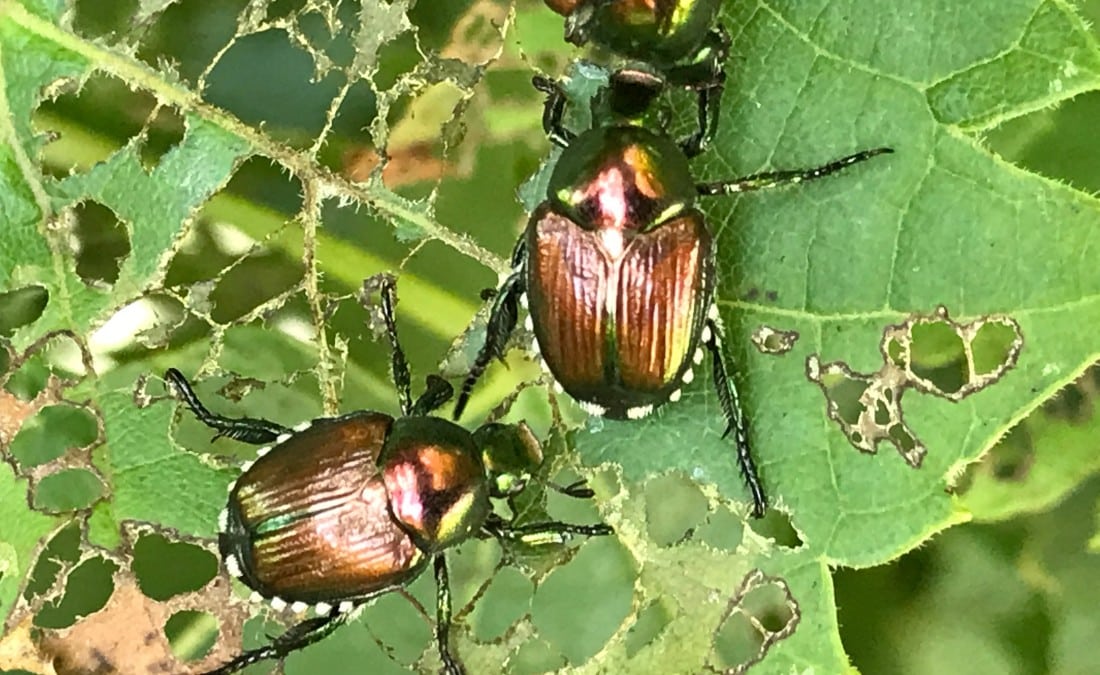
- Secondary Pests or Disease: Drought-weakened trees are more vulnerable to pests such as bronze birch borer and two-lined chestnut borer, as well as cankers and root diseases. Our insect and disease control services can help determine whether a secondary problem is contributing to the decline.
When Should a Certified Arborist Evaluate the Tree
Some of the most important factors can’t be reliably evaluated from the ground, including internal decay and the condition of the root system. If the tree has extensive dieback, structural defects, a new lean, or conflicting signs of life and decline, a Certified Arborist can determine whether continued monitoring, treatment, or tree removal is appropriate.
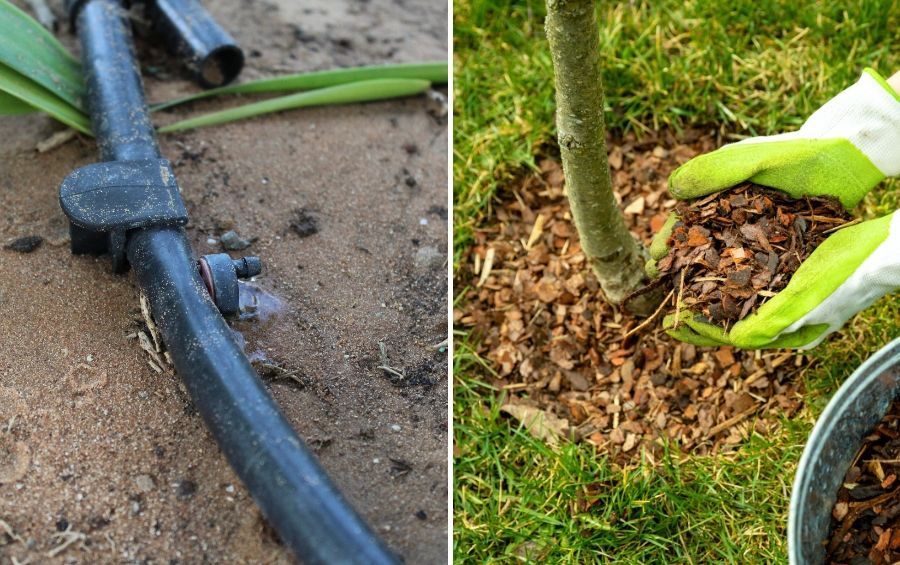
Deep watering and a two-to-three-inch layer of mulch help keep moisture available to drought-stressed roots while the tree recovers.
How Do You Help a Drought-Stressed Tree Recover?
Three things help get a tree headed in the right direction:
- Water Deeply : Water deeply enough to wet the tree’s root zone when soil moisture is low, then check the soil before watering again. Don’t apply a fixed weekly amount without considering rainfall, soil type, tree age, and site conditions.
- Water Slowly on Clay Soil : Compacted clay can shed water faster than it absorbs it. Apply water slowly around the root zone, pausing or moving to another area when water begins to pool or run off, then return once it has had time to soak in.
- Mulch the Root Zone : Spread two to three inches of mulch over the root zone to help retain soil moisture and regulate soil temperature, keeping it several inches away from the trunk.
What Can Make Drought Stress Worse for a Tree?
Some common attempts to help a drought-stressed tree can actually make recovery more difficult. Avoid these mistakes while the tree is under stress:
- Fertilizing Without a Confirmed Need : Fertilizer won’t correct drought stress and may be unnecessary if the tree isn’t nutrient deficient. Focus on restoring adequate soil moisture first, and consider a soil or tissue test if a nutrient deficiency is suspected.
- Pruning More Than Necessary : Avoid removing healthy branches from a drought-stressed tree simply because the canopy looks thin or damaged. Limit pruning to dead, broken, or hazardous branches; oaks also require additional caution during Iowa’s oak wilt transmission season.
- Watering Lightly Every Day : Frequent, shallow watering may wet only the soil surface without reaching enough of the root zone. Water slowly and deeply when the soil is dry, then allow time for the water to soak in before watering again.
IMPORTANT: Watch how the tree changes over time. If it fails to leaf out normally, the canopy becomes increasingly sparse, or dieback continues into the next growing season, have the tree reassessed. New structural warning signs, such as conks, cracks, or a developing lean, warrant a Certified Arborist evaluation sooner rather than waiting to see if drought symptoms improve.
Frequently Asked Questions About Drought-Stressed Trees
Should I keep watering a drought-stressed tree in the fall?
Yes. Continue checking soil moisture throughout the fall and water deeply whenever the root zone is dry, until the ground freezes. Trees can continue taking up water after their leaves drop, and going into winter with adequate soil moisture can help reduce additional stress. Don’t assume fall rainfall or one final deep watering will provide enough moisture for every tree.
Which Quad Cities trees are most vulnerable to drought?
Species differ substantially in drought tolerance. River birch and other birches can be particularly sensitive to hot, dry conditions, while bur oak is among Iowa’s more drought-tolerant oaks.
Can a tree come back after dropping all its leaves in late summer?
It can. Early leaf drop can be a drought response that reduces water loss, but it can also result from disease, insects, root problems, or other stress. Whether it recovers depends on what caused the leaf drop and the overall health of the tree, so leaf loss alone isn’t enough to predict what will happen next.
Should I replant in the same spot after removing a drought-stressed tree?
You can often replant in the same general area, but don’t put a new tree in the exact spot without first figuring out why the previous tree died. If drought was compounded by compacted soil, poor drainage, limited root space, or a tree that wasn’t suited to the site, those conditions can cause the replacement tree to struggle, too. Correct what you can first, then choose a species that matches the soil, sunlight, moisture, and available growing space.
Does a drought-stressed tree need a soil test before treatment?
Not always. A soil test can help identify nutrient deficiencies or pH problems when those are suspected, but it won’t diagnose drought stress itself. If the problem is inadequate moisture, compacted soil, poor drainage, or root damage, addressing those conditions is more important than applying fertilizer.
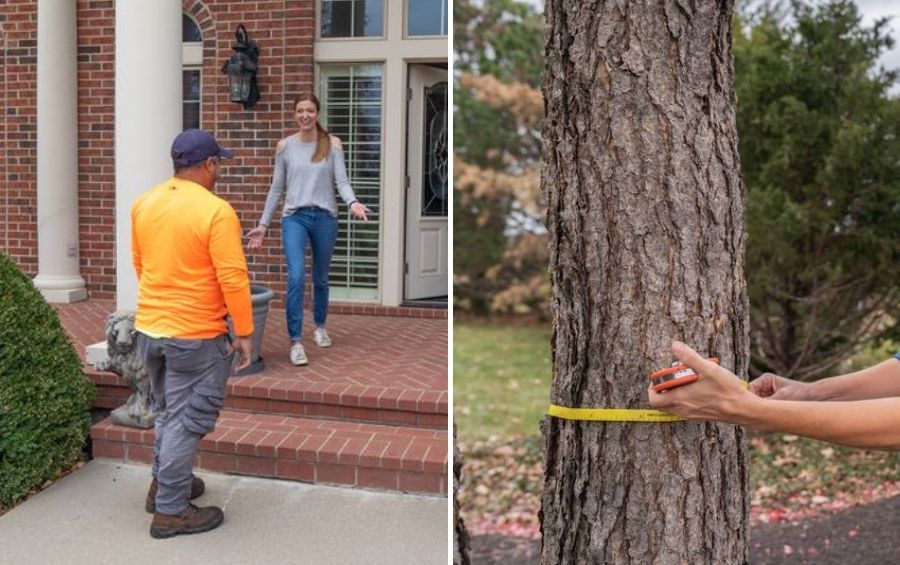
An on-site assessment thoroughly evaluates the trunk, canopy, roots, and surrounding site conditions to determine whether a drought-stressed tree can recover.
Call Arbor Masters to Find Out If Your Tree Can Recover
Drought symptoms can linger long after dry conditions improve, and a tree that still looks stressed at the end of summer isn’t necessarily needing to be removed. What matters is whether the tree is showing signs of recovery, continuing to decline, or developing structural problems that could make it unsafe.
If you’re not sure about a tree, Arbor Masters of Davenport will get a Certified Arborist out to your property to tell you what you’re dealing with. Call 563-219-7186 today or request a quote online.

Want More Like This?
Get the latest local news, tree care tips, special offers, and company updates directly to your inbox! It's easy to subscribe and there's no spam - we promise.
"*" indicates required fields
