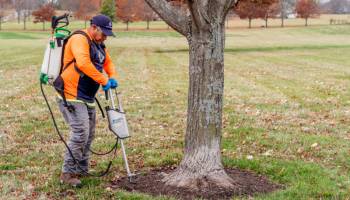
Is It Safe to Prune Oak Trees After June in Dallas?
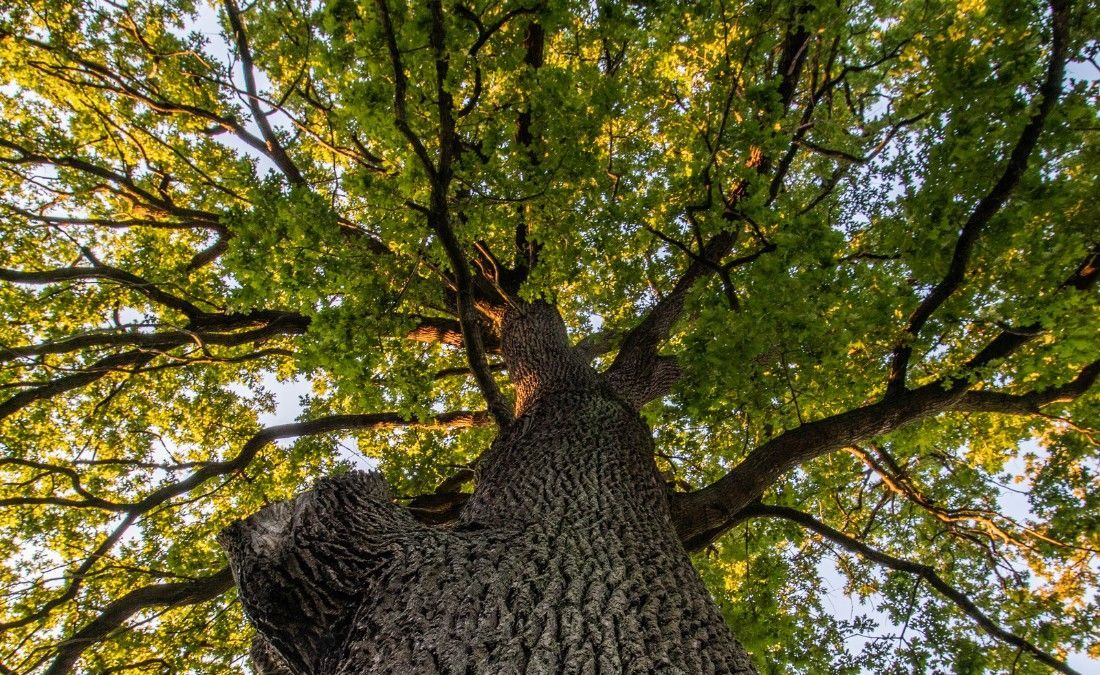
The pruning restriction window has lifted, but is your tree actually ready? A Certified Arborist explains what to look for before scheduling work in Dallas.
The recommended February-through-June oak-wilt avoidance period has ended, but if you’re wondering, “Is it safe to prune oak trees now?”, the answer depends on more than the calendar. August brings a lower risk of oak-wilt transmission, but recent heat, drought, or storm stress may make waiting until late fall or winter the better choice.
Key Takeaways
- Texas A&M Forest Service recommends avoiding oak pruning from February through June, when oak-wilt transmission risk is highest.
- Summer brings lower oak-wilt transmission risk, but late fall and winter are generally preferred for routine pruning.
- Safe timing depends on your tree’s specific stress history, structural condition, and current environmental signals, not the calendar alone.
- An ISA Certified Arborist evaluates canopy health, branch structure, root zone condition, and recent stress history before clearing any oak for pruning.
- Wound paint is recommended on all oak cuts year-round, regardless of season.
Is It Safe to Prune Your Oak Tree Right Now?
For many healthy oaks in Dallas and the surrounding North Texas area, pruning after June 30 may be appropriate. However, being outside the peak oak wilt risk period doesn’t automatically mean your tree should be pruned. An ISA Certified Arborist will also consider its health, recent stress, structural condition, and current environmental conditions before recommending elective pruning.
Why Should You Avoid Pruning Oaks from February through June?
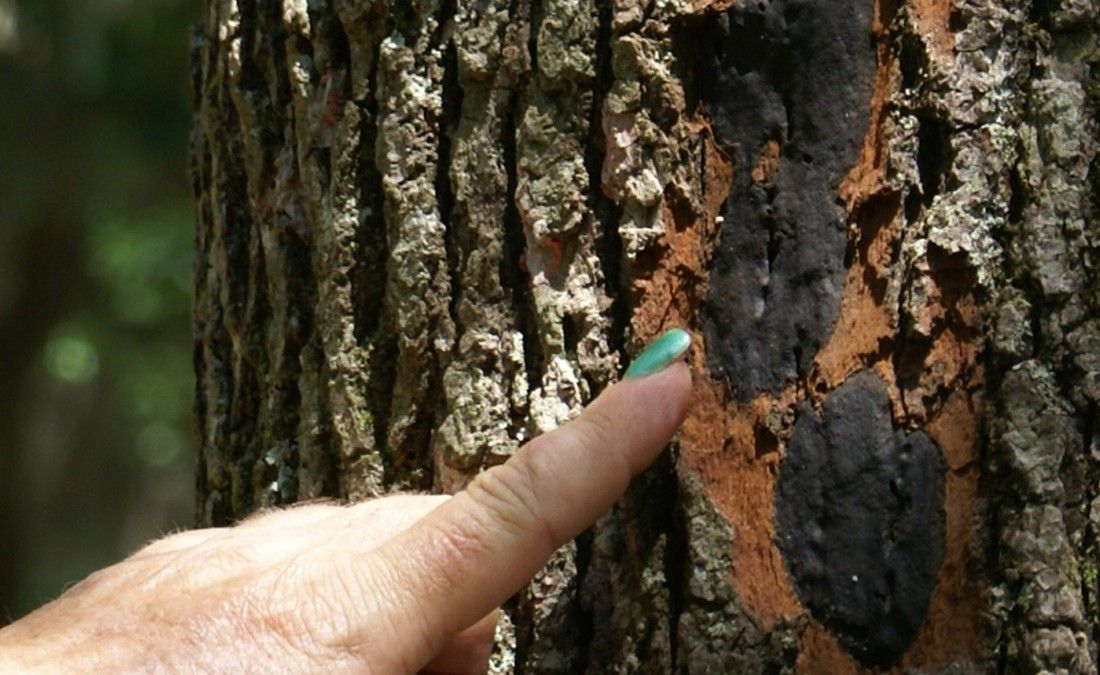
The Texas A&M Forest Service recommends avoiding oak pruning from February 1 through June 30 because this is when the risk of oak wilt transmission is highest. During this period, sap-feeding beetles are more active and may carry oak wilt spores from infected trees to fresh pruning wounds on healthy oaks.
This February-through-June window isn’t a pruning ban but a preventive guideline based on how oak wilt spreads. Waiting until the highest-risk period has passed reduces the chance that a fresh pruning wound will provide an entry point for the disease.
Why Summer Has a Lower Risk of Oak Wilt
Hot summer conditions are less favorable for nitidulid beetle activity than the cooler temperatures of late winter and spring. That makes summer a lower-risk period for oak-wilt transmission, but not necessarily the best time for routine pruning. Late fall and winter are generally preferred because dormant trees experience less physiological stress.
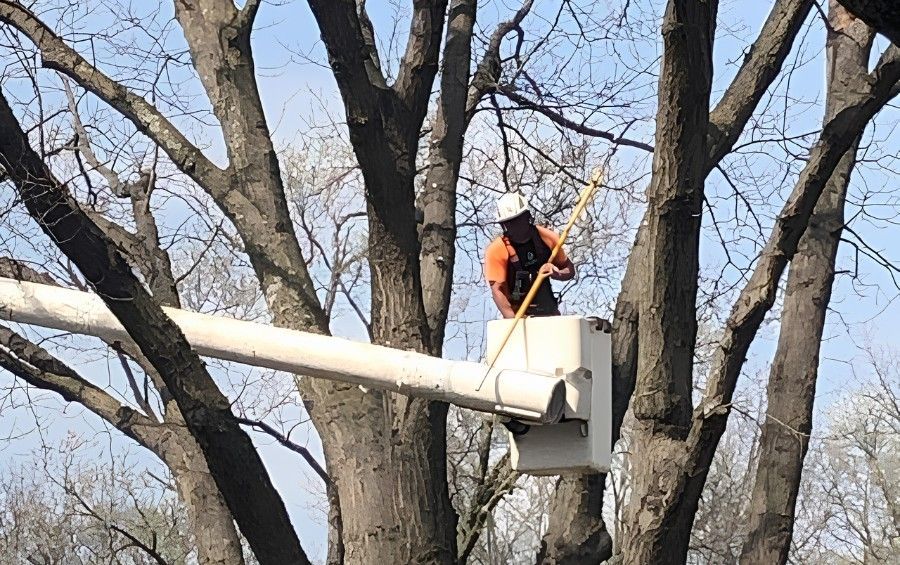
Professional oak pruning begins with proper timing. Certified Arborists use industry-approved techniques to make clean cuts that support long-term tree health.
Should Your Oak Be Pruned This Summer or Wait Until Winter?
Once the February-through-June oak wilt avoidance period has passed, the next question is whether your oak actually needs to be pruned now. In many cases, the reason for pruning can help you decide whether to move forward this summer or wait for the dormant season.
Prune this summer when:
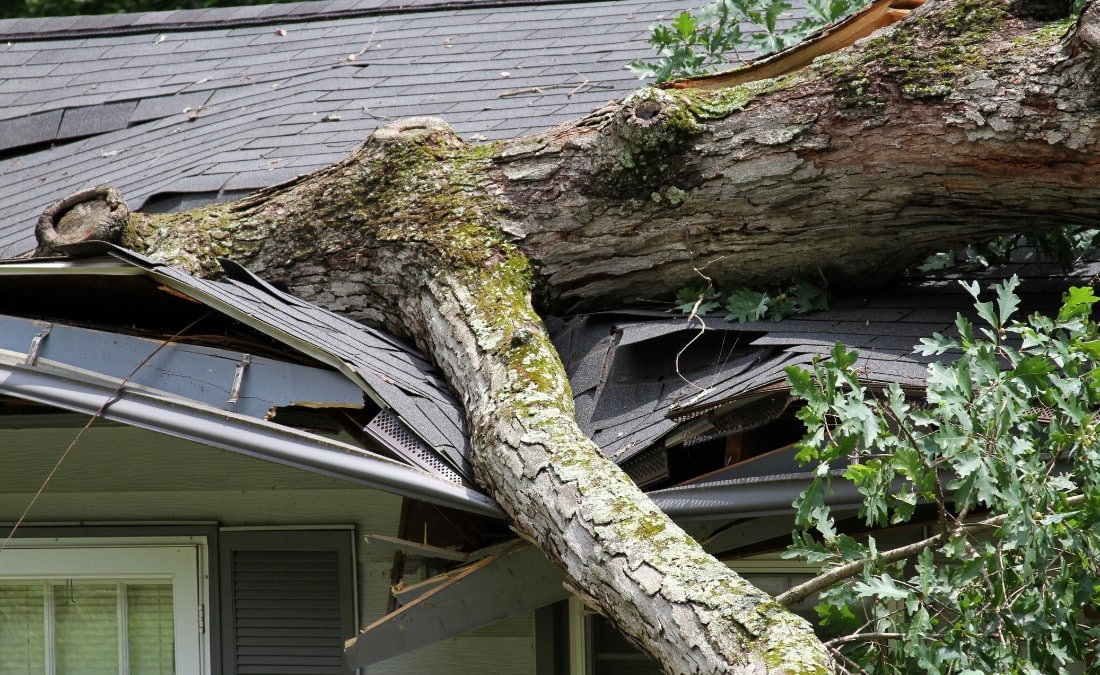
- Dead or broken branches could fall and damage your home, vehicles, or other areas of your property.
- A damaged or poorly attached branch poses a safety concern.
- Branches are rubbing against your roof, blocking necessary clearance, or creating another problem that shouldn’t wait several months.
- An arborist identifies a structural concern that needs to be addressed sooner rather than later.
Consider waiting until winter when:
- You’re planning routine maintenance or general crown cleaning.
- The goal is primarily to improve the tree’s shape or appearance.
- Significant live branches need to be removed, but there’s no immediate reason to do the work during summer.
- The pruning can safely be postponed without creating a risk to the tree or your property.
Late fall and winter are generally better suited for routine oak pruning because the tree is dormant and under less physiological stress. If there’s no pressing reason to prune during summer, waiting until the dormant season may be the better choice.
Should You Prune a Stressed Oak Tree?
Pruning isn’t beneficial for an oak that’s already under stress. Removing dead, broken, or hazardous branches may still be necessary, but removing healthy foliage reduces the tree’s ability to produce energy at a time when it may already be struggling with summer heat, drought, pests, or disease.
If your oak has thinning foliage, premature leaf drop, scorched leaves, or other signs of tree stress in Dallas, determine what’s causing the decline before scheduling routine pruning. In some cases, addressing water, soil, pest, or disease problems and postponing elective pruning may be better for the tree.
How Much Can You Safely Prune from an Oak Tree?
For a healthy mature tree, the Texas A&M Forest Service recommends removing no more than 25% of the live canopy at one time. That’s an upper limit, not a target, and stressed or mature oaks may need considerably less removed.
The goal is to preserve as much healthy foliage as possible while removing branches that are dead, damaged, hazardous, or creating a structural problem. If substantial live growth needs to be removed, the work may need to be limited or spread across multiple pruning cycles.
Frequently Asked Questions About Pruning Oak Trees
Can oak wilt spread through a pruning cut?
Yes. Nitidulid beetles are attracted to sap from fresh wounds. If those beetles are carrying Ceratocystis fagacearum, the pathogen that causes oak wilt, they can introduce the fungus directly into the cut. Applying wound paint immediately after every oak cut is the standard practice for reducing that risk, even during the safer summer window.
Do I need to paint oak tree cuts if I’m pruning during the safe window?
Yes. Fresh wounds on oaks should be painted year-round. While summer heat reduces biological pressure from beetle activity, it doesn’t eliminate risk. Apply paint immediately after every cut, before moving to the next branch.
When does the safe pruning window close again in North Texas?
The oak-wilt avoidance period begins again February 1. If the work isn’t urgent, late fall and winter are generally preferable for routine pruning because cooler conditions reduce heat stress. Summer pruning is possible, but it isn’t necessarily the best choice for tree health.
Do oak trees need to be pruned every year?
Healthy mature oaks don’t necessarily need annual structural pruning. The appropriate inspection and pruning interval depends on growth, structure, site conditions, and previous pruning. Light maintenance, such as deadwood removal, clearance cuts, and addressing crossing branches may be appropriate more frequently, and a site assessment will give you a clearer picture of what your specific tree needs.
Can I prune an oak tree after a storm if it’s still in the restriction window?
Hazardous or storm-damaged branches should be addressed promptly, even during the February-through-June avoidance period. For mature oaks, especially when limbs are large, elevated, under tension, or near structures or utilities, have a professional tree service handle the work. Fresh cuts made during cleanup should be painted immediately. If a storm wound is already several days old when discovered, painting it later does not provide the same protection.
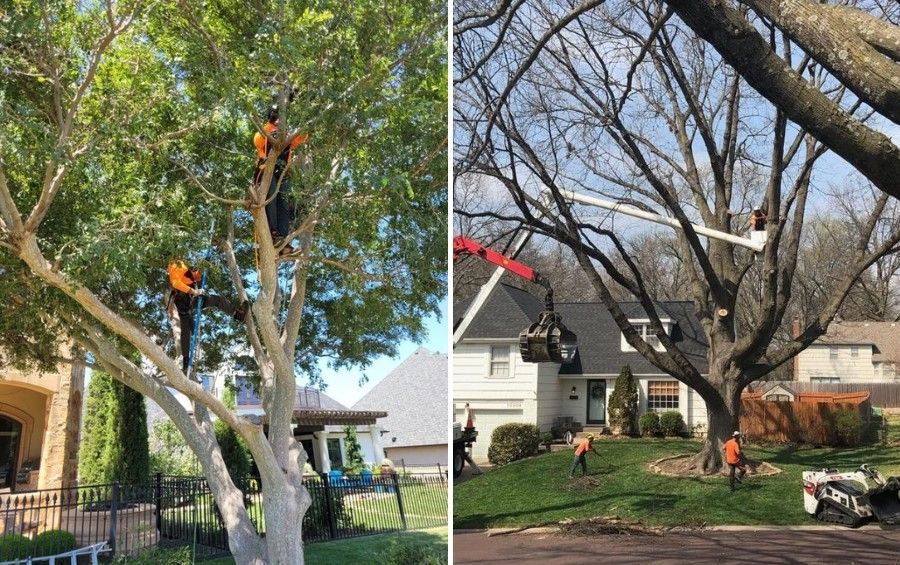
Professional tree pruning methods vary by tree size, structure, and site conditions. Certified Arborists choose the safest approach while preserving long-term tree health.
Find Out if Your Oak Tree Is Ready to Prune
August can be an appropriate time for some oak pruning because oak wilt transmission risk is lower, but tree health and pruning scope still determine whether the work should move forward now or wait until late fall or winter. A professional assessment gives you a pruning plan based on your tree’s current condition.
Arbor Masters Dallas serves homeowners in Highland Park, University Park, and surrounding communities. Call us at 214-851-1090 or schedule a pruning consultation online with our Dallas team.

Want More Like This?
Get the latest local news, tree care tips, special offers, and company updates directly to your inbox! It's easy to subscribe and there's no spam - we promise.
"*" indicates required fields