
What Should You Do if a Tree Falls on Your Property?
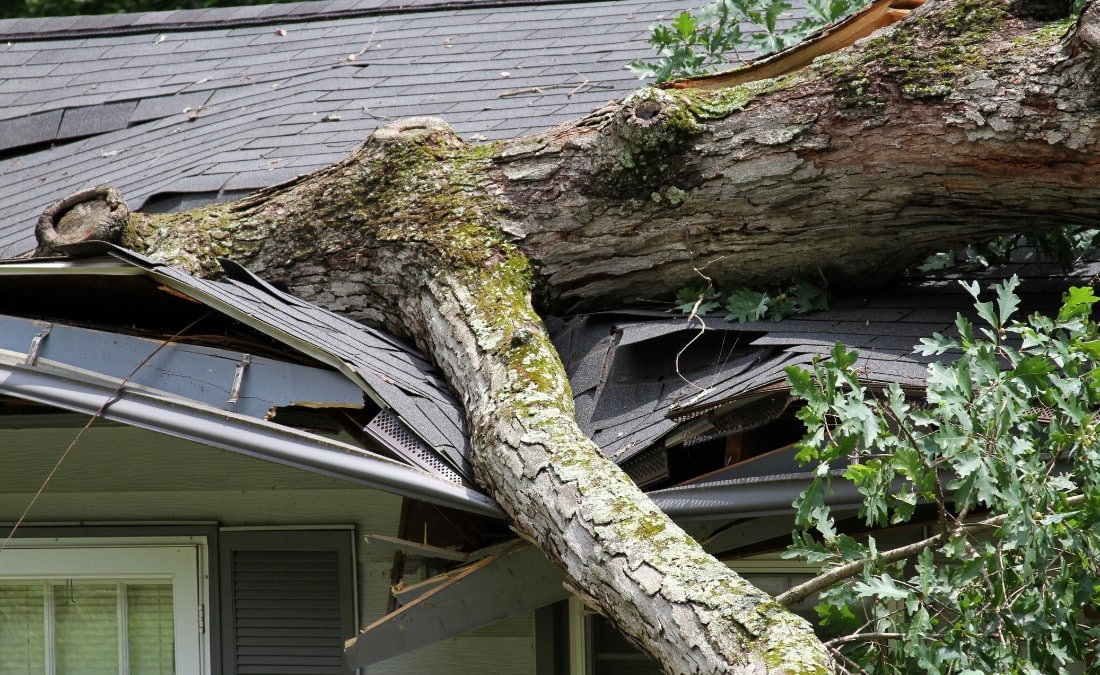
A fallen tree can create safety hazards and costly damage. Learn the steps to protect your home, navigate insurance, document the damage, and begin recovery.
If a severe thunderstorm just swept through your neighborhood and left a tree or large branch on your home or property in Carrollton, Plano, or a surrounding Dallas-area neighborhood, you’re likely in crisis mode right now. After the flash flooding, damaging winds, and repeated severe weather events North Texas has experienced this year, many homeowners find themselves asking what they should do first after the storm.
The first 24 hours after a tree falls can have a major impact on your safety, your insurance claim, and the cost of repairs. Knowing what to do—and what not to do—can make the recovery process much smoother.
Key Takeaways
- Call 911 if anyone is in immediate danger or power lines are involved; otherwise, call a tree service for urgent but non-emergency damage.
- Stay away from downed power lines, unstable trees, and hanging limbs until a professional assesses the scene.
- Document everything with photos before removal begins, except in emergency safety situations where removal must happen immediately.
- A professional arborist assessment identifies hidden damage in remaining trees that affects whether they can recover.
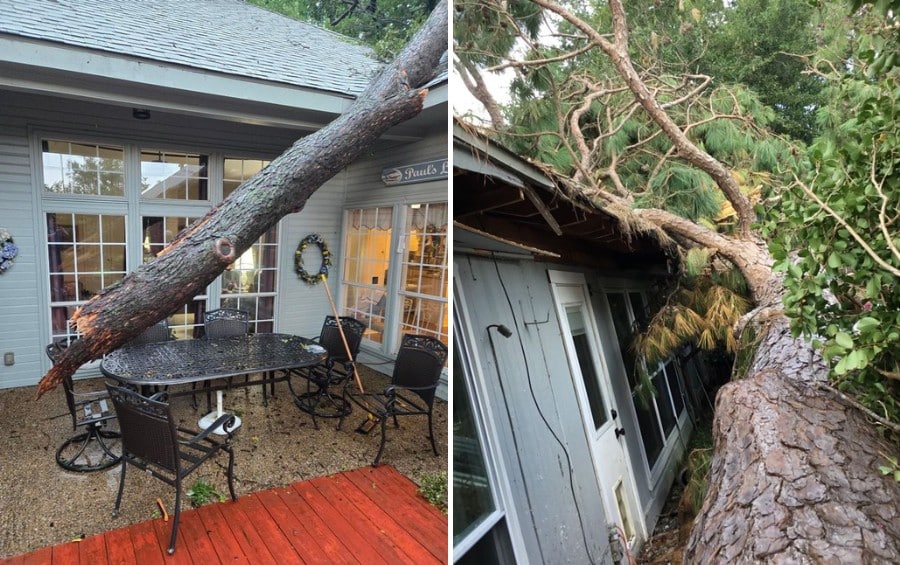
Trees that fall onto homes can create immediate safety hazards and significant structural damage, requiring prompt assessment, documentation, and professional removal.
What Should You Do First After Storm Damage?
Before you call anyone or begin cleanup, make sure the area is safe to approach. Storm-damaged trees can create hidden hazards that aren’t immediately obvious from the ground.
Stay Away from Power Lines
Assume any line on the ground is energized, including utility, phone, cable, and fence lines, as well as anything touching them. Electrical hazards are silent and invisible until contact occurs. Never assume a line is “safe” because it’s not sparking or making noise.
Stay at least 100 feet away from downed lines and keep children and pets clear of the area until utility crews confirm the lines have been de-energized.
Avoid Leaning Trees and Hanging Limbs
Storm-damaged trees can fail without warning, even hours or days after the storm passes. Stay clear of leaning trees, hanging branches, and broken limbs suspended in the canopy.
Do not:
- Stand or work beneath damaged trees
- Attempt to push a leaning tree upright
- Pull on broken branches
- Assume partially broken limbs are stable
Once you’ve identified any immediate hazards and established a safe distance, the next step is determining whether the situation requires emergency services or a tree service.
When Should You Call 911 vs. a Tree Service?
The key question is whether this situation creates immediate danger to life or property right now. Not all tree damage requires 911. Understanding the difference between true emergencies and urgent-but-manageable damage helps you respond appropriately and avoid unnecessary emergency calls.
Call 911 Immediately
Call emergency services if any of these apply:
- A tree or branch is on power lines (any size, any voltage)
- A fallen tree blocks emergency vehicle access (fire truck or ambulance routes)
- A leaning tree is about to collapse onto your home or other occupied structure
- Downed lines create electrical hazards to neighbors or the street
Let 911 coordinate with utility companies and emergency responders. Don’t wait.
Call A Tree Service Company Today
Call for urgent but non-emergency response if any of these apply:
- A tree fell on your driveway, fence, or deck with no immediate danger
- Multiple branches are down but the tree is stable and not leaning
- Your roof has partial damage needing assessment or temporary tarping to prevent water intrusion
- Debris blocks your property access (but not emergency vehicle routes)
Most emergency-response companies prioritize same-day or next-day service for these scenarios. Provide photos and your address so they can estimate how long the job will take.
Schedule Within 24–48 Hours
These jobs are important but can wait if more urgent damage exists:
- Yard debris cleanup (no structures damaged)
- Health assessment of remaining trees
- Debris removal and hauling

Documenting storm damage and filing an insurance claim promptly can help streamline the recovery process after a tree-related property loss.
What Documentation Do You Need for Your Insurance Claim?
Don’t rush to remove the tree. The photos you take in the next hour directly impact your insurance claim outcome.
Photograph the Damage Before Removal
Take these photos immediately to document the damage:
- Wide-angle shots showing the overall damage scope
- Close-ups of the impact point where the tree struck your roof, structure, or vehicle
- Root system (if exposed) from multiple angles—indicates pre-damage health issues
- Pre-existing property damage (photographed separately so insurance distinguishes storm-related from baseline)
- Timestamps on photos when possible
What Happens When an Emergency Tree Service Crew Arrives?
Understanding the professional process reduces anxiety and helps you prepare for the work ahead.
Initial Assessment
When the crew arrives, they will complete the following steps:
- Conduct a full safety assessment of the scene
- Identify additional hazards (unstable branches, nearby power lines, debris threatening other structures)
- Discuss the game plan with you—what they’ll remove first, timeline, equipment positioning, and whether additional equipment (like a crane) is needed
- Set up equipment staging areas away from foot traffic
- Establish clear drop zones to protect occupied areas
- Position crew members safely before work begins
This assessment phase is essential — it prevents injuries and property damage.
Safe Tree Removal
During removal, the crew will perform these tasks:
- Stabilize any dangerous hanging branches or limbs first
- Remove large pieces using appropriate techniques (hand-felling, bucket truck, or crane for complex removals)
- Feed smaller branches through a wood chipper on-site if available
- Clean up debris as they go, keeping your property clear
- Maintain a safe drop zone throughout
After Removal
Before they depart, ask about these optional services:
- Follow-up inspection of remaining trees (identifies damage, assesses recovery potential)
- Hazard pruning or cabling estimates
- Documentation photos for your insurance file
- Debris removal and hauling costs (if not included)
Do You Need a Post-Storm Arborist Inspection?
Yes, once the fallen tree is removed and your property is cleared, schedule a post-storm inspection. A Certified Arborist can identify damage that isn’t always visible right away, including:
- Cracks in the trunk
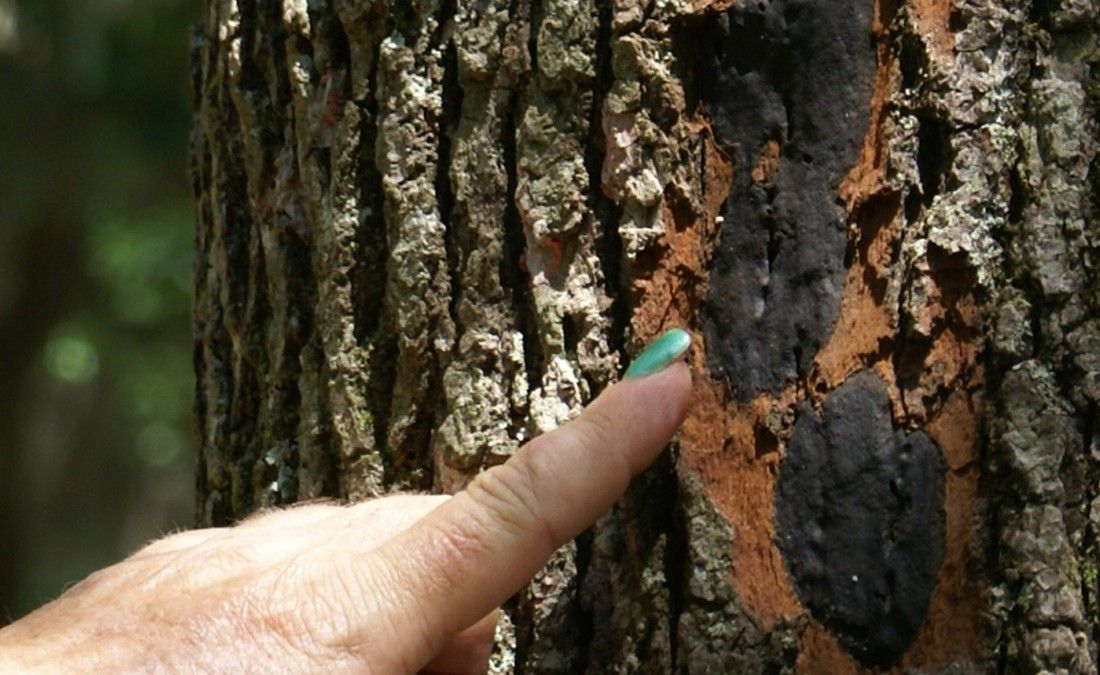
- Torn or stripped bark
- Loose branches that may fail later
- Root injury from uprooting or soil disturbance
- Whether remaining trees can recover or should be removed
What an Arborist Might Recommend
Depending on the extent of the damage, treatment recommendations may include:
- Structural pruning to remove damaged branches
- Cabling or bracing for trees with weak structure
- Removal of declining trees to prevent future damage
- Monitoring recommendations and follow-up inspections
Ask your tree service crew about scheduling a post-storm arborist inspection before they leave your property.
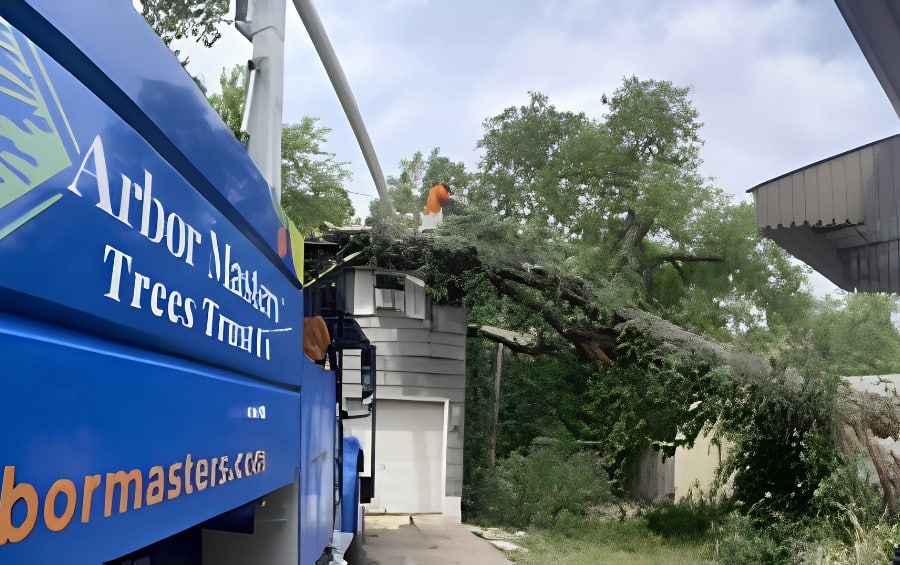
Arbor Masters crews respond quickly when storms bring trees down on homes and businesses.
Frequently Asked Questions About Storm Damage
What should I do if a tree is leaning but hasn’t fallen yet?
A leaning tree is an imminent hazard and should be assessed by a Certified Arborist immediately—don’t wait for the next storm. If the tree is actively shifting (sinking deeper into the ground, bark cracking), consider it a safety emergency. Never attempt to straighten or stabilize it yourself; call a professional for immediate evaluation and removal estimates.
Should I attempt to move or cut a fallen limb myself?
No. Never cut branches larger than arm-thickness. Branches may be cracked internally or under tension and snap without warning. Cutting fallen limbs yourself damages the remaining tree and prevents proper wound healing. Move only small ground debris to clear walkways if the area is safe from power lines.
Should I get my roof tarped immediately?
Yes, if damaged and rain is expected. Tarping prevents water intrusion, mold, and structural damage. However, the tarp should only be applied if the roof can be accessed safely by a qualified professional. Never climb onto a storm-damaged roof yourself. Many emergency tree services apply tarps during removal. Document roof damage with photos before tarping. Keep photos of the tarp for your insurance file.
Do I need a permit to remove a fallen tree in Dallas?
In most of Dallas, homeowners can remove fallen trees without a permit. However, some neighborhoods in or near protected zones (Turtle Creek, White Rock) may require notification. Check with your city’s arborist office or ask your tree service—they’ll know local requirements. If the tree was removed due to disease or hazard, keep documentation for insurance purposes.
Can a tree be saved after major storm damage?
Sometimes, if the trunk is intact. Recovery takes years and requires professional assessment. Trees with significant trunk cracks or multiple major branch failures rarely recover and are often better removed.
How do I prevent this from happening again?
Schedule a pre-storm inspection with a Certified Arborist to identify hazard trees and weak branch structure before the next severe weather. Structural pruning, cabling, and crown reduction reduce failure risk. Removal of declining trees eliminates future damage.
Need Emergency Tree Service in Dallas?
Storm damage is not a DIY situation. The risks of injury, property damage, and electrocution are too high to manage alone. Start with safety, determine urgency, document with photos, and get a professional assessment.
Arbor Masters provides 24/7 emergency response in Carrollton, Plano, and surrounding Dallas neighborhoods. Schedule an emergency assessment, or a pre-storm inspection before the next severe weather hits your property. Call us today at 214-620-0475.

Want More Like This?
Get the latest local news, tree care tips, special offers, and company updates directly to your inbox! It's easy to subscribe and there's no spam - we promise.
"*" indicates required fields
