Black Bark on Your Dallas Tree? It Could Be Hypoxylon Canker
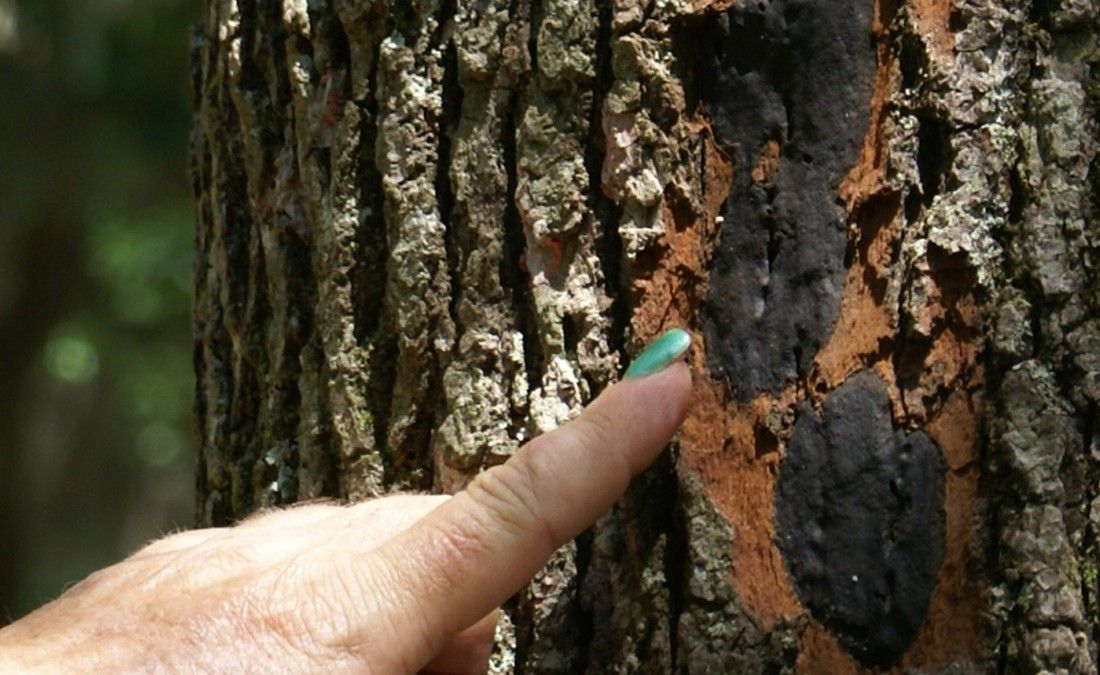
Black, crusty bark can signal serious tree decline. Learn the signs of Hypoxylon canker in Dallas trees and when an arborist should take a look.
Black, crusty bark on a tree is hard to ignore, especially when it seems to appear out of nowhere. In East Dallas and around White Rock Lake, oaks and other hardwoods can face plenty of stress from summer heat, drought, compacted soil, and construction or root disturbance.
One possible cause of those bark changes is hypoxylon canker, a disease that takes advantage of already-stressed trees. But black bark alone isn’t enough to confirm it. Here’s what hypoxylon canker looks like as it progresses, why trees in this part of Dallas can be vulnerable, and when it’s time to have an arborist take a closer look.
Key Takeaways
- Black, crusty bark on a stressed cedar elm or red oak can be a sign of hypoxylon canker, a fungus that mainly damages trees already weakened by drought, heat, or root disturbance.
- Dallas’s compacted clay soil, summer heat, and drought are common local stressors that set the stage for the disease.
- Once characteristic fungal material is visible beneath sloughed bark, the affected wood is already dead, and established hypoxylon canker cannot be cured.
- Hypoxylon canker is often mistaken for oak wilt, but the two diseases look and spread differently.
- A Certified Arborist assessment is the most reliable way to find out which stage your tree is in and what can still be done to save it.
What Is the Black, Crusty Material on Your Tree?
If bark is peeling away and exposing black, hardened material underneath, you may not actually be looking at black bark. Hypoxylon canker produces fungal material beneath the bark that can become dark brown to black and crusty as the disease develops.
That appearance can point to hypoxylon canker, but it doesn’t tell the whole story. The disease can affect a tree before the familiar black material appears, and its appearance changes over time.
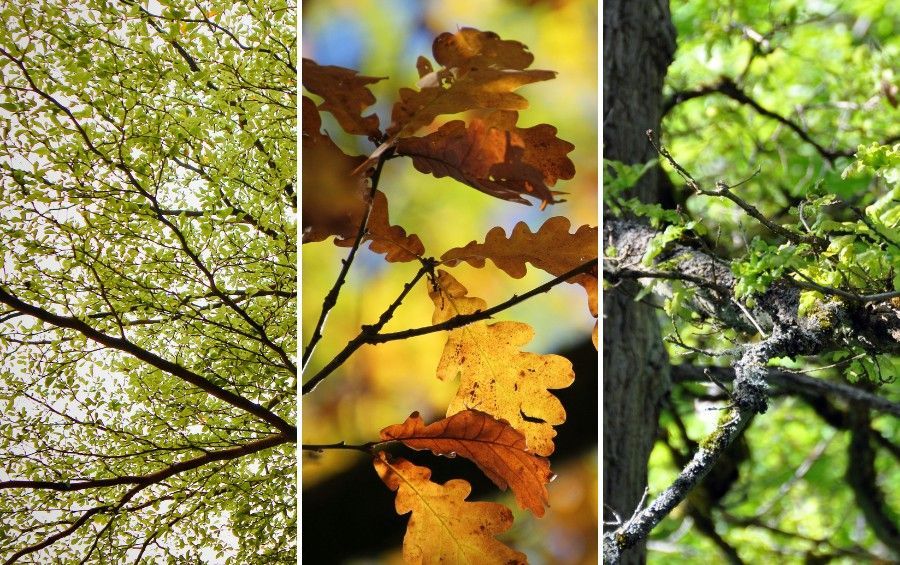
Canopy thinning, branch dieback, early leaf discoloration, and reduced twig growth can all signal tree stress before more obvious bark symptoms appear.
What Are the Early Signs of Hypoxylon Canker?
Before black, crusty material appears, you may notice more general signs that the tree is under stress, including:
- The canopy thins out.
- Dieback appears in the outer branches.
- Leaves yellow or brown earlier than expected.
- New twig growth slows down.
These symptoms don’t confirm hypoxylon canker. Heat, drought, compacted soil, root damage, and other tree health problems can cause similar decline. Changes beneath the bark provide a more specific reason to suspect the disease.
How Does the Bark Change as Hypoxylon Canker Progresses?
Once fungal material becomes visible beneath sloughing bark, its appearance can change considerably over the following weeks and months.
- Bark sloughs off in patches, exposing tan, olive-green, or reddish-brown powdery fungal material.
- Within about four to eight weeks, those areas typically turn dark brown to black and hard, often resembling hardened tar.
- After several months, affected areas may become silver-gray.
By the time characteristic fungal material is visible beneath the sloughing bark, the affected wood is already dead.
For a broader look at symptoms that can indicate a struggling tree, see our guide to identifying tree stress in Dallas.
Why Do Dallas Trees Get Hypoxylon Canker?
Hypoxylon canker doesn’t typically attack a healthy tree out of nowhere. The fungus can live in the inner bark of healthy trees for long periods without causing active disease. Trouble begins when drought, root damage, or another stress weakens the tree enough for the fungus to invade the sapwood and cause decay.
That makes prevention less about controlling the fungus and more about protecting the tree from the conditions that leave it vulnerable in the first place.
What Stresses Trees in East Dallas and White Rock Lake?
Trees in East Dallas and around White Rock Lake contend with several stresses that can weaken their ability to recover from heat and drought:
- Compacted Clay Soil: Dallas’s alkaline clay can restrict root growth and reduce how effectively roots take up water and nutrients.
- Extended Heat and Drought: Long stretches of hot, dry weather increase water stress, particularly when soil is already compacted.
- Construction and Root Disturbance: Grading, trenching, excavation, and other work around established trees can damage or remove roots the tree relies on for water and stability.
- Repeated Environmental Stress: Texas A&M Forest Service has linked consecutive years of drought and hard freezes with increased hypoxylon canker activity in weakened Texas trees.
These stresses can also compound one another. A mature tree with roots damaged during construction, for example, may have a much harder time getting enough water through a hot, dry summer than an undisturbed tree nearby.
If compacted soil or root damage may be contributing to decline on your property, our soil compaction and root health services in Dallas can help identify what’s happening below ground.
Which Trees Are Most Susceptible to Hypoxylon Canker?
Oaks are among the trees commonly affected by hypoxylon canker, but they aren’t the only ones at risk. All oak species are considered susceptible, along with elm, pecan, hickory, sycamore, maple, and beech, according to Texas A&M Forest Service. Texas A&M AgriLife Extension specifically identifies water oak, post oak, hickory, and pecan among commonly affected trees in Texas.
For homeowners in Lakewood and around White Rock Lake, that means several familiar trees in the local canopy – including red oaks and cedar elms – can develop the disease when drought, root damage, or other stresses weaken them.
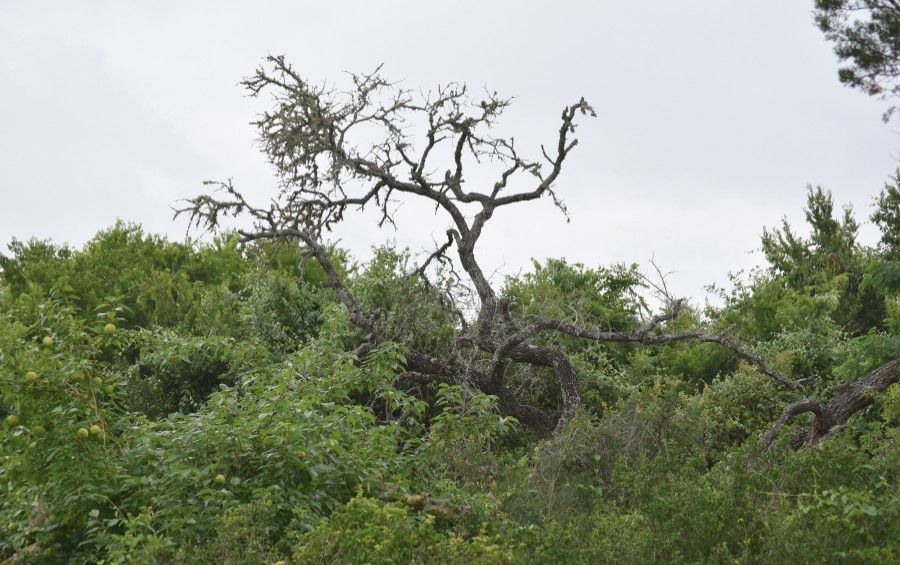
Oak wilt can cause rapid canopy decline and branch dieback, making it important to distinguish leaf symptoms from bark changes associated with hypoxylon canker.
Is It Hypoxylon Canker or Oak Wilt?
Hypoxylon canker and oak wilt can look similar to homeowners, but these common tree diseases show up very differently on the tree. Dallas arborists field this mix-up often, since concerning changes in the bark or leaves can make homeowners suspect oak wilt. The biggest clues are where the symptoms appear and what those changes look like:
- Oak wilt on live oaks causes veinal necrosis, yellowing along the veins with green tissue in between.
- Oak wilt on red oaks causes rapid bronzing that starts at the leaf tips and margins, sometimes along with fungal spore mats that smell sweet or fermented.
- Hypoxylon canker can expose tan, olive-green, or reddish-brown fungal material beneath sloughing bark that progresses to dark brown or black before eventually becoming silver-gray.
- Normal bark shedding, which many mature trees do naturally, doesn’t expose fungal material underneath the way hypoxylon canker does.
Because oak wilt is a primary pathogen that can spread among susceptible oaks, suspected cases warrant prompt professional diagnosis. An arborist can evaluate the tree in person, and laboratory testing may be recommended when symptoms aren’t conclusive. Our disease identification and treatment services in Dallas start with that kind of evaluation.
Can a Tree with Hypoxylon Canker Be Saved?
Once characteristic fungal material is visible beneath sloughed bark, the affected wood is already dead, and there is no treatment that cures established hypoxylon canker. At that point, the focus shifts to assessing structural risk and determining whether removal is necessary.
Managing Stress Before Cankers Appear
If a tree is stressed but does not have confirmed hypoxylon canker, reducing avoidable stress is the best preventive approach.
- Improve soil health and reduce compaction.
- Protect the root zone from further disturbance.
- Provide adequate water during dry stretches.
These measures support tree vigor and can help reduce susceptibility to hypoxylon canker, but they do not cure an established infection.
Does a Tree with Hypoxylon Canker Need to Be Removed?
Once hypoxylon canker is confirmed, the next step is determining how much structural risk the tree poses. An arborist will consider:
- How Much of the Tree Is Affected: Cankers involving the trunk or major limbs can be more concerning than a limited area.
- What Could Be Damaged If the Tree Fails: Homes, driveways, sidewalks, vehicles, and areas where people regularly spend time all affect the level of risk.
- How Much Sound Wood Remains: The arborist evaluates whether enough structurally sound wood remains in the trunk and major limbs to safely support the tree.
This is a judgment call that depends on the specific tree and site, which is why it calls for an in-person evaluation rather than a guess from photos.
What You Should Do If You Suspect Hypoxylon Canker
If you’ve spotted black, crusty bark on a tree, a few steps can help protect it and give an arborist useful information to work with:
- Photograph the affected area and note the date, so any changes can be tracked over time.
- Avoid pruning the area yourself. Arborists generally recommend waiting until the tree has been assessed.
- Don’t apply wound dressing to the exposed area, since it isn’t part of standard professional guidance for this condition.
Contact a Certified Arborist for an on-site tree health assessment rather than relying on photos alone. If oak wilt is suspected, prompt professional diagnosis is especially important, and laboratory testing may be recommended to confirm the diagnosis.
Frequently Asked Questions About Hypoxylon Canker
Is hypoxylon canker contagious?
Not in the way many diseases spread directly between trees. It’s already common in the environment and mainly takes hold once a tree is stressed, so several trees under the same drought or soil conditions can develop it independently rather than catching it from each other.
Is there a treatment or spray that cures hypoxylon canker?
No. There’s no known control for hypoxylon canker other than maintaining a tree’s overall vigor, and chemical treatments aren’t effective once the disease is established, since the fungus is inside the tree rather than on its surface.
Can wood from an infected tree still be used as firewood?
Yes. Texas A&M Forest Service notes that infected firewood isn’t considered a source of inoculation for hypoxylon canker. As with any firewood, it’s still best to buy and burn it locally, since other pests and diseases can travel in firewood even when this one isn’t a risk.
Does a tree with visible cankers need to be removed right away?
Not necessarily right away, but visible cankers do generally point to advanced decline. Whether to remove the tree or continue monitoring it depends on how much is affected and what risk it poses nearby, which is why an on-site assessment matters more than a general rule.
Can hypoxylon canker make a tree structurally dangerous?
Yes. Once the wood beneath the bark is dead, it loses the strength that healthy wood provides, which can make affected limbs or trunk sections prone to breaking or failing without warning. That’s part of why an arborist’s risk assessment looks at how much of the tree is involved and what’s nearby, not just whether the tree is alive.
What does normal bark shedding look like compared to hypoxylon canker?
Natural bark shedding leaves clean wood or another layer of intact bark underneath, not the tan or olive-green fungal tissue that hypoxylon canker exposes. If you can see soft or discolored material where the bark has come off, that’s a sign to have it looked at rather than natural shedding.
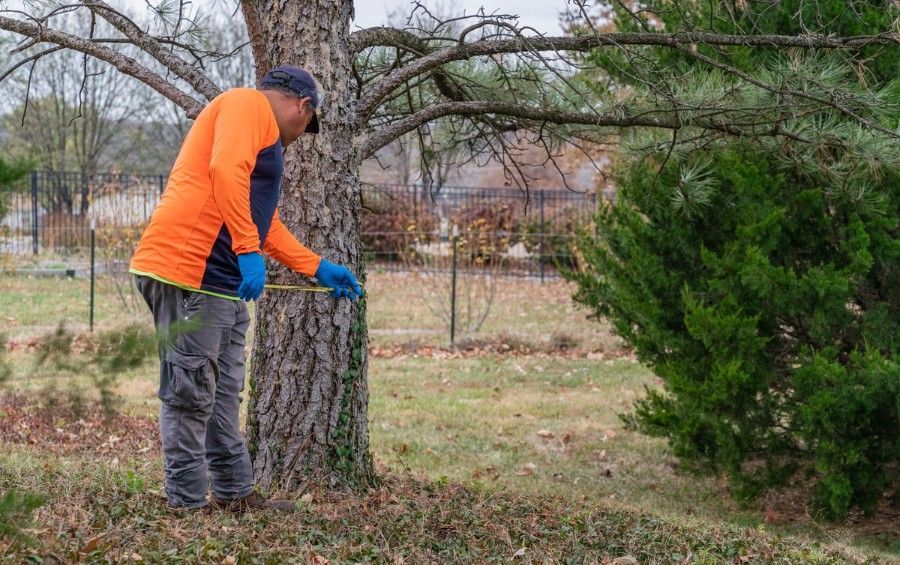
An in-person tree assessment can help determine how much decline or structural damage is present and whether monitoring, treatment, or removal is the appropriate next step.
Don’t Ignore Black, Crusty Bark on Your Dallas Tree
Black, crusty bark can point to hypoxylon canker, but the real concern is how much stress or decline is already affecting the tree. An in-person assessment can help distinguish a manageable stress issue from advanced canker or another tree health problem and determine whether monitoring, soil care, pruning, or removal makes sense.
If you’re seeing unusual bark changes or canopy decline on a cedar elm, red oak, or another tree in the Dallas area, call Arbor Masters Dallas at 214-856-2162 or request a tree health assessment with an ISA Certified Arborist.
Want More Like This?
Get the latest local news, tree care tips, special offers, and company updates directly to your inbox! It's easy to subscribe and there's no spam - we promise.
"*" indicates required fields