What’s on My Tree? How to Identify Tulsa’s Most Common Summer Tree Pests
Webs, sticky leaves, or tiny specks on your Tulsa Metro trees this summer? Identify webworms, spider mites, and scale insects before you spray, prune, or panic.
Noticed something webbed, speckled, or sticky on your tree this July? You’re not alone. Mid-summer is peak pest-spotting season across Tulsa, Owasso, and Sand Springs yards, and most homeowners searching for webworms in my tree are also seeing one of two other common culprits without realizing it.
This guide walks through the three most common mid-summer tree pests in the Tulsa area, what each one actually means for your tree, and when it’s worth calling in a certified arborist.
Key Takeaways
- Webworms create loose webs at branch tips and are usually cosmetic on healthy, established trees.
- Spider mites thrive in Tulsa’s hot, dry summer stretches and can be confirmed with a simple white-paper tap test.
- Sticky residue and sooty mold can come from several sap-feeding insects, not scale alone, so correct identification matters before treating.
- A certified arborist assessment is free and prevents both unnecessary spraying and missed early damage.
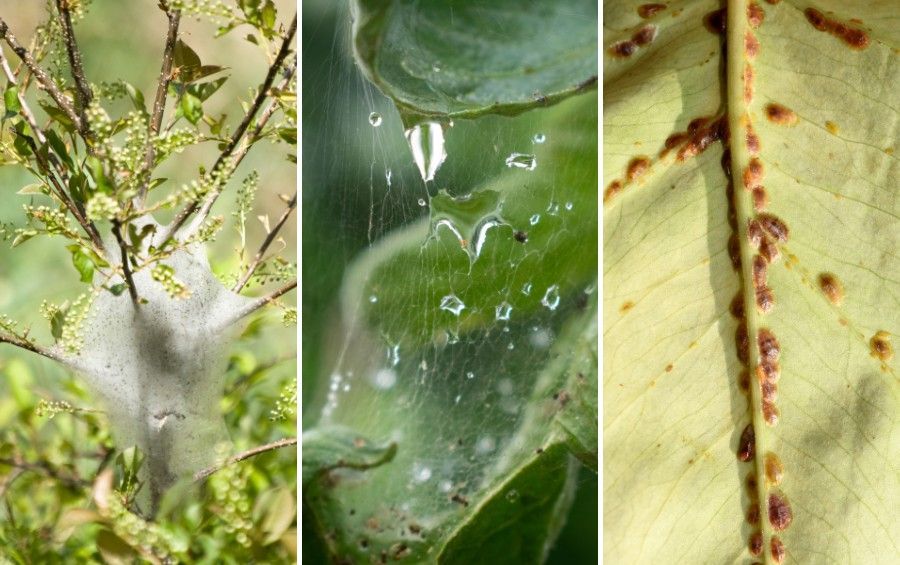
Compare the signs of three common Tulsa summer tree pests. Webworms build loose branch-tip webs, spider mites leave fine webbing and leaf stippling, and scale insects cluster as waxy bumps on stems and leaves.
What’s Making Those Webs and Sticky Spots on My Tulsa Trees?
Three pests are responsible for nearly everything Tulsa homeowners spot on their trees in mid-summer. Webworms, spider mites, and sap-feeding insects like scale, aphids, or whiteflies each cause different types of damage. Homeowners often lump them together as “something’s wrong with my tree,” but the right response depends entirely on which pest you’re actually dealing with.
Here’s a quick comparison to help narrow it down.
| Pest | Where You’ll See It | Cosmetic or Real Concern |
| Webworms | Loose webs enclosing branch tips | Usually cosmetic |
| Spider Mites | Fine stippling on leaf surfaces | Can become a real concern in heat |
| Scale/Sap-Feeders | Sticky residue, sooty mold on twigs and leaves | Depends on severity |
The rest of this guide walks through each one so you can figure out exactly what’s happening on your tree.
How Do You Identify Webworms on a Tulsa Tree?
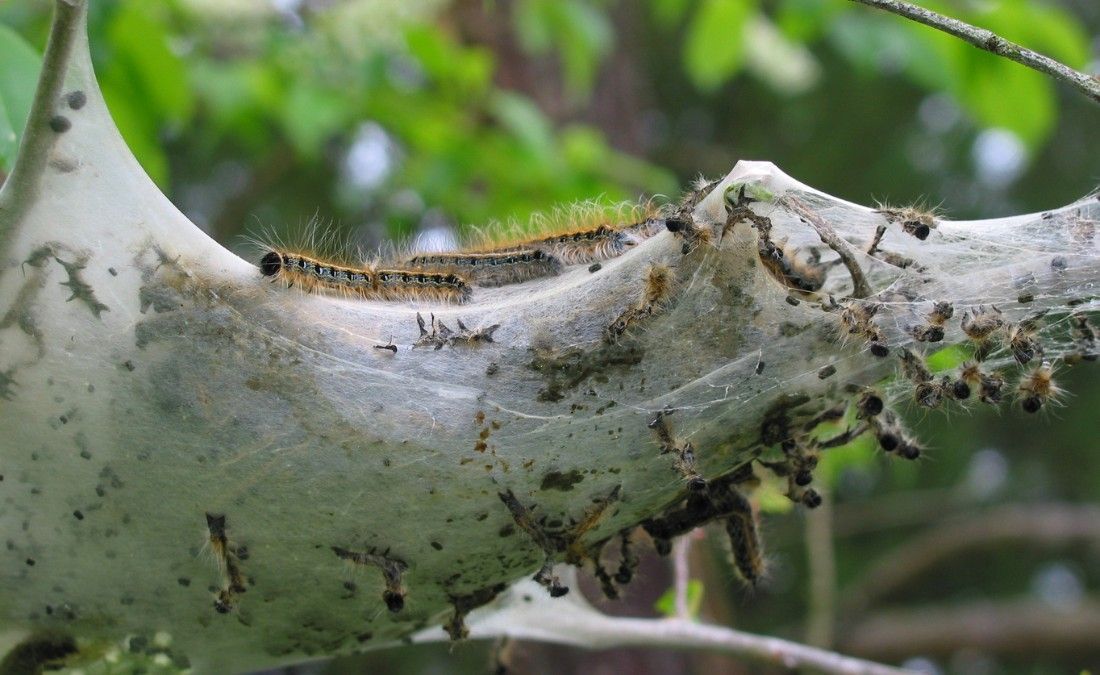
Fall webworms show up as loose, dirty-looking webs that enclose the ends of branches. They’re active roughly July through September in this region, and Tulsa homeowners typically see the first webs of the season appear in mid-to-late July, right as the caterpillars hatch and begin feeding inside the protection of their web.
What Webworm Webbing Looks Like
Webworm webbing looks loose and messy, enclosing the tips of branches rather than tight webs tucked into a branch fork. A few details help confirm what you’re looking at:
- Expanding Web: The web expands outward over several weeks as the caterpillars inside grow and need more foliage to feed on.
- Skeletonized Leaves: Leaves inside the web often look skeletonized or tattered, since that’s where the caterpillars are actively feeding.
- Branch Fork vs. Branch Tip: A tight web in a branch fork, rather than at the tip, usually points to Eastern tent caterpillar instead. That pest shows up earlier in spring and has a different treatment window entirely.
Common host trees in Tulsa-area yards include pecan, persimmon, sweet gum, elm and bradford pear trees. Webworms will feed on nearly any of these host trees throughout the summer, and it’s common to see multiple webs on the same tree by late August as new generations hatch.
Cosmetic Damage vs. Real Concern
On a healthy, established tree, light-to-moderate webworm activity is cosmetic. Spraying or aggressively pruning out the webs usually isn’t recommended. It can strip leaves the tree was already about to shed for the season and can harm the natural predators keeping other pests in check.
A “wait and see” approach is often the better choice because:
- End-of-Season Timing: Trees are already nearing the end of the growing season, so some leaf loss has little long-term impact.
- Pruning Trade-Off: Aggressive pruning often removes more healthy foliage than the webworms would consume.
- Limited Spray Reach: Webworms feed inside the protection of their web, so contact sprays often can’t reach them effectively anyway.
Real concern comes in less often, but it’s worth watching for on trees that are already stressed from drought, storm damage, or age. On those trees, heavy or repeated webworm activity across multiple branches in the same season can add stress the tree can’t easily recover from, which is when a professional opinion is worth getting.
If you’ve walked through one of Owasso’s older, mature-canopy neighborhoods in late summer, you’ve probably seen webbed branch tips on otherwise healthy trees that recover without lasting damage.
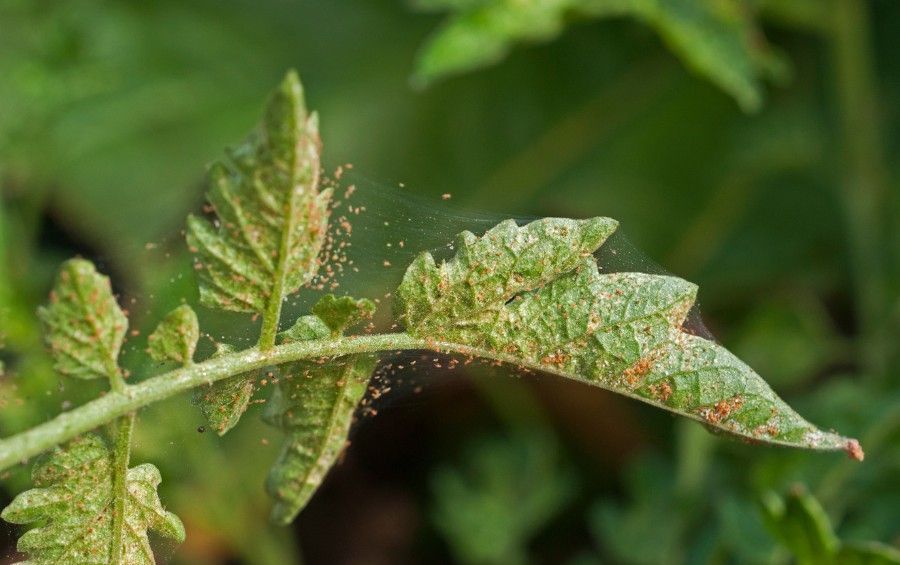
Spider mites leave fine webbing and pale, stippled leaves as they feed. During Tulsa’s hot, dry summers, populations can grow rapidly and stress already weakened trees.
Why Do Spider Mites Thrive in Tulsa’s Summer Heat?
Spider mites thrive in Tulsa’s summer heat because hot, dry conditions dramatically speed up their reproduction. Two-spotted spider mites are actually arachnids rather than insects, and in hot weather they can complete an entire generation in just 7 to 14 days. That’s fast enough for a small population to become a real problem within a couple of weeks.
Spotting Spider Mite Damage Early
Mite damage shows up as fine stippling or pale spotting on leaf surfaces, often before any webbing appears at all. Other signs to watch for:
- Gradual Spread: Damage that appears gradually across a section of the canopy.
- Moving Specks: Tiny specks that move when disturbed.
The white-paper tap test is the easiest way to confirm mites. Hold a plain white sheet of paper under a branch, tap it firmly, and look for tiny specks that start crawling around on the page. If they’re moving, they’re mites, not just dust or debris.
Why Tulsa’s Heat Makes Mites Worse
Late July and August are peak windows for mite activity in this region, since that’s when Tulsa’s heat and dry stretches line up most consistently. Trees already under drought stress are especially vulnerable, which is part of why Sand Springs’ mature elm canopy tends to show mite buildup earlier than younger, well-irrigated trees nearby.
What’s Causing Sticky Residue and Sooty Mold on My Tree?
Sticky residue on leaves, branches, or anything beneath the canopy is almost always a sign that sap-feeding insects are active in the tree. The black coating that often follows is sooty mold growing on honeydew, a sugary substance produced by several common tree pests.
Honeydew Comes From More Than One Pest
Several sap-feeding insects, not just scale, produce the honeydew behind sticky leaves and branches, including:
- Scale insects
- Aphids
- Whiteflies
Sooty mold itself is a surface fungus, not a direct tree infection, but heavy buildup can block enough light to add stress to an already struggling tree.
While all three leave behind sticky residue, scale insects deserve a closer look because they’re easy to overlook and much more difficult to treat once they’ve matured. Correct identification is important because treatment is most effective during a brief early life stage.
How to Spot Scale Insects Specifically
Scale insects show up as small, waxy bumps along twigs and branches, not on the leaves themselves. A couple of things to check:
- Young Growth First: Look at young growth first, since scale often clusters there before spreading.
- Spread Severity: Note how widespread the bumps are, since severity affects the treatment approach.
Timing matters if treatment is needed. Scale insects develop a waxy protective coating as they mature, which makes them harder to treat effectively. Professional treatments generally target the young “crawler” stage instead of spraying indiscriminately once the coating has developed.
When Should You Call a Certified Arborist vs. Wait and See?
The right move depends on which pest you’re seeing and how severe the activity has become:
- Webworms: Usually fine to monitor on healthy, established trees. Call if webbing is extensive or the tree already looks stressed for other reasons.
- Spider Mites: Call if the tap test confirms a heavy population or leaves are already yellowing, since mite damage compounds quickly in Tulsa’s summer heat.
- Scale and Honeydew: Correct identification matters before treating. Broad-spectrum spraying can kill the beneficial insects that naturally keep aphid and mite populations in check.
CAUTION: Broad-spectrum insecticides don’t just kill the pest you’re targeting. They also eliminate beneficial insects like ladybugs and lacewings that naturally keep aphids and mites under control. Without those predators, future pest problems can become even worse. Identifying the pest first helps ensure the right treatment is used at the right time.
A certified arborist assessment prevents two costly mistakes. It ensures you don’t treat a tree that didn’t need treatment or overlook damage that did.
Frequently Asked Questions About Summer Tree Pests
What’s the difference between webworms and bagworms?
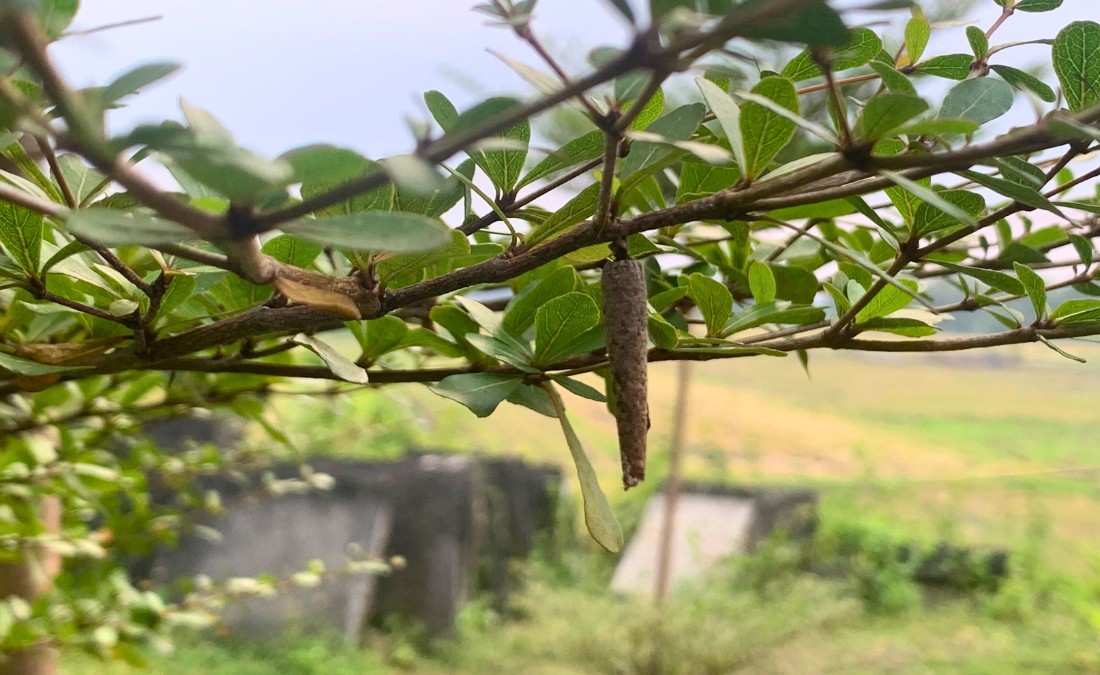
Webworms create loose webs enclosing branch tips and are active July–September on deciduous trees like pecan and elm. Bagworms create small spindle-shaped bags, are active earlier (peaking in June), attack a wider range of trees including evergreens, and overwinter in their bags to repeat the cycle yearly — making them a recurring problem if not addressed.
If I treat spider mites this summer, will they come back next year?
Mite populations naturally crash once their predators return, but they’ll spike again if the same stress conditions, heat, drought, weakened tree, happen next year. Prevention means addressing the underlying tree stress, not just treating the pest itself.
What’s the single biggest thing I can do to keep my trees healthy and pest-resistant year-round?
Consistent plant health care — proper seasonal watering, soil health management through fertilization, and structural pruning — keeps trees resilient so they fend off pests and handle stress. A certified arborist can build a seasonal PHC plan tailored to your specific trees and soil conditions.
How do I know if my tree’s problem is really a pest issue or a sign it’s struggling from something else?
Pest damage is usually localized to certain branches, while decline from deeper problems typically shows across the whole tree or along a specific pattern. A certified arborist can spot the difference quickly and tell you whether you’re dealing with a pest, environmental issue, disease, or a combination.
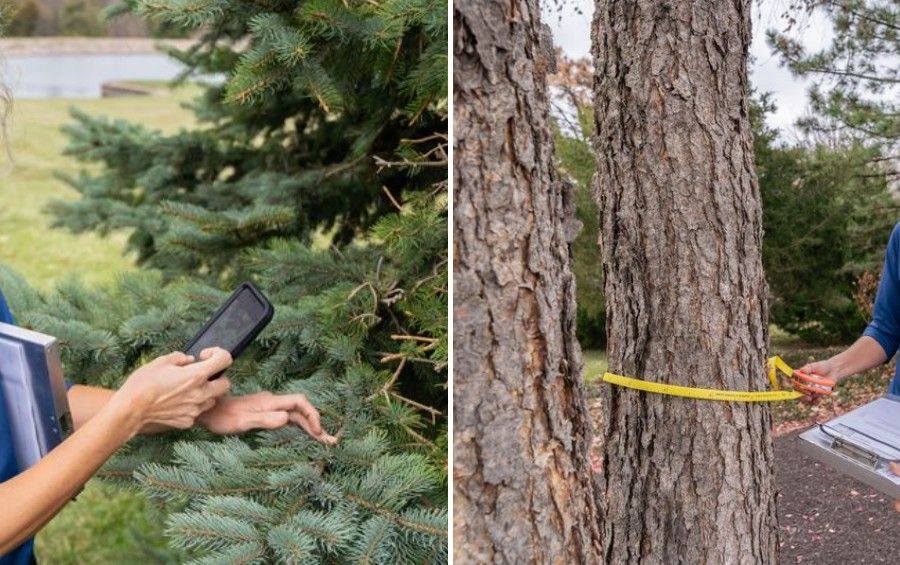
Professional tree assessments evaluate canopy health, trunk condition, and overall tree vigor to identify pest, disease, and stress issues before recommending treatment.
Not Sure Which Pest Is on Your Tree?
Webs, stippling, and sticky residue each point to a different pest, and treating the wrong one can do more harm than good. Correct identification is always the first step. For more information on identifying tree pests and treatment options, the Oklahoma State University Extension office offers homeowner resources on webworms, spider mites, scale insects, and integrated pest management.
If you’re not sure what’s happening on your tree, call us at 913-308-3791 or schedule a free assessment with one of our certified arborists. We help homeowners throughout Tulsa, Owasso, and Sand Springs identify the pest, assess your tree’s health, and recommend the most effective next step.
Learn More With These Related Articles
Want More Like This?
Get the latest local news, tree care tips, special offers, and company updates directly to your inbox! It's easy to subscribe and there's no spam - we promise.
"*" indicates required fields