
Why Do Some Fort Worth Pecan Trees Handle Webworms Better Than Others?
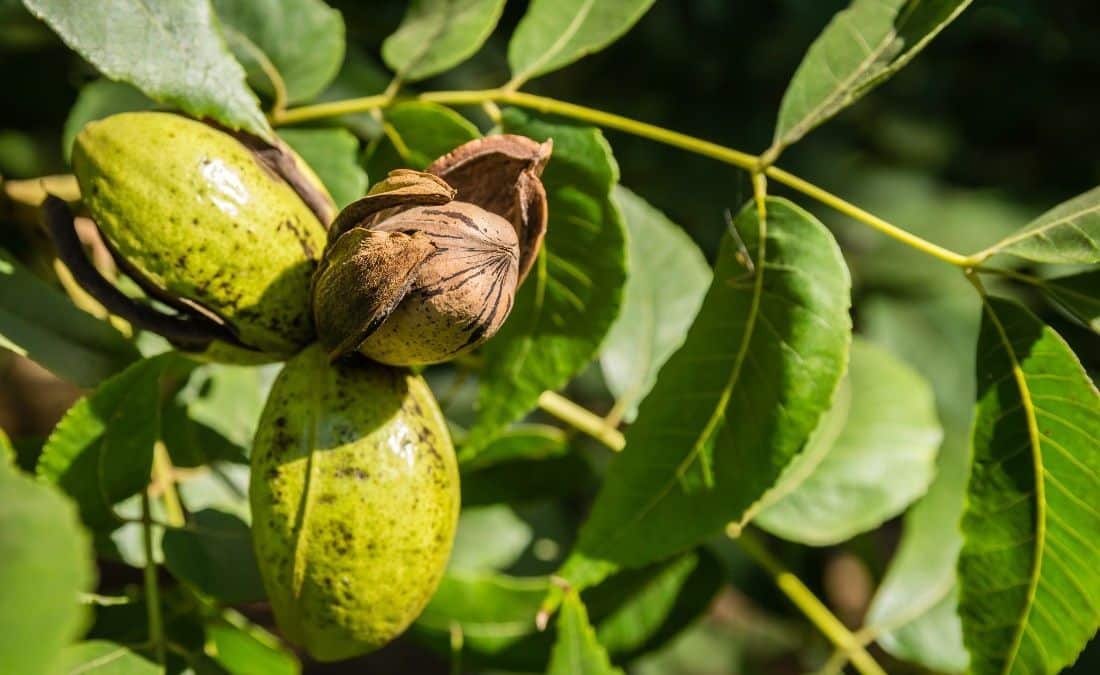
Healthy pecan trees often recover from webworm feeding, but water, soil conditions, and overall tree health all influence how quickly they bounce back.
It’s summer in Grapevine, Euless, and the surrounding Fort Worth area, and you’re seeing webworms on your pecan tree. A few houses down, another pecan shows only a small amount of webbing while yours looks much worse. Why the difference?
Understanding why some trees handle webworms better than others starts with looking beyond the insects themselves. The webworms aren’t different. The trees are. Age, root development, water availability, growing conditions, and other factors all influence how well a tree tolerates webworm feeding and recovers afterward.
Key Takeaways
- Healthy trees usually recover well from seasonal webworm feeding, though recovery varies from tree to tree.
- Webworms prefer pecan and mulberry trees, which is why these species often show more visible damage than other species even under identical pest pressure.
- Water availability in August and September directly impacts how quickly trees produce new leaves after webworms finish feeding.
- Fort Worth’s alkaline soils influence how easily trees absorb zinc and other nutrients, affecting their overall vigor and recovery speed.
- If you see webworms, plus additional signs like smaller leaves or branch dieback, a professional evaluation reveals whether something beyond normal pest pressure is at play.
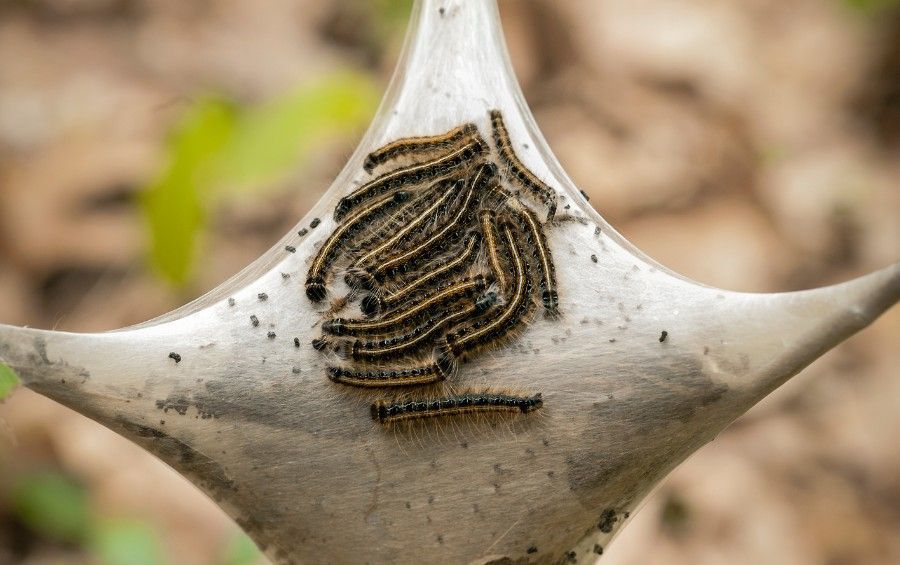
Fall webworm caterpillars create distinctive silken nests on branch tips, making them easy to identify during late summer.
How Do I Know If My Tree Has Webworms?
Fall webworms (Hyphantria cunea) are native caterpillars that create distinctive silken tents on tree branches. If you’re seeing webbing on your tree’s branch tips, this is almost certainly what you’re dealing with.
The webbing is unmistakable. Look for these characteristics:
- Flimsier, more delicate webs compared to other pests
- Located on branch tips rather than tucked into the canopy
- Small hairy caterpillars roughly ½ to 1 inch long inside the webs
- Leaves enclosed within the web structure being fed upon
When Are Webworms Most Active in Fort Worth?
Fall webworms are most active in Fort Worth from July through August, with the August generation producing the large, white webs homeowners notice most often. In North Texas, they typically produce two to three generations each year, making late summer the peak time for visible activity.
Fall webworms are native to North America, so seeing them during this time of year is a normal part of their life cycle rather than an unusual outbreak. On healthy pecan trees, feeding is usually limited to a small portion of the canopy, and most trees recover without lasting damage.
Why Do Some Trees Handle Webworms Better Than Others?
Webworms affect many trees in Fort Worth, but recovery varies based on the tree. Differences in species, age, root development, water availability, and growing conditions all play a role in how well a tree tolerates webworm feeding and recovers afterward.
Some Tree Species Attract More Webworms Than Others
Fall webworms feed on more than 100 species of deciduous trees, but in North Texas they commonly build webs on pecan, mulberry, and persimmon. Oaks and many other landscape trees are less-preferred hosts, so they often show less visible webbing. Because pecans and mulberries are favored food sources, they frequently experience more feeding than neighboring trees.
This reflects the caterpillars’ food preference, not the tree’s health. A pecan showing visible webworm damage is not necessarily stressed or unhealthy. How well it recovers depends on factors such as age, root development, water availability, and growing conditions, not simply how attractive it is to webworms.
Mature Trees Recover Better Than Young Trees
Tree age influences how well a tree tolerates webworm feeding and recovers afterward. Mature trees have greater stored energy reserves, allowing them to replace lost foliage more efficiently than young trees.
Mature Trees
- Decades of stored energy in roots and trunk
- More established canopy
- Better able to support recovery after defoliation
Young Trees
- Shallow roots still developing
- Smaller energy reserves
- More dependent on current-season growth
A mature pecan and a newly planted pecan can experience the same webworm feeding but recover differently. That doesn’t mean the younger tree is unhealthy. It simply hasn’t developed the root system and stored resources that help older trees recover more efficiently.
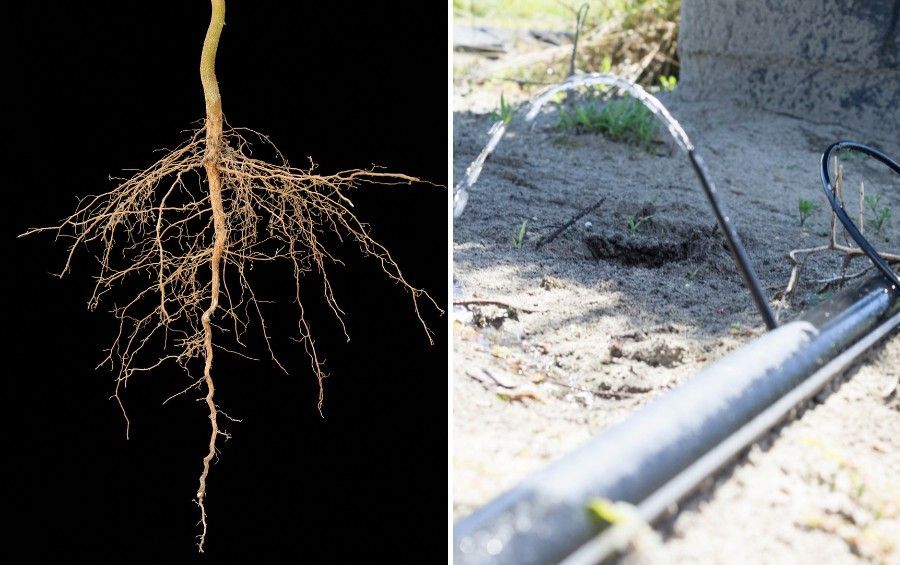
Healthy root systems and consistent watering help trees recover more effectively from seasonal stresses like webworm feeding.
Healthy Roots and Consistent Water Improve Recovery
A tree’s root system supplies the water and nutrients needed to maintain healthy foliage and recover from seasonal stresses like webworm feeding. Trees with extensive, well-established roots generally tolerate defoliation better than trees with restricted or damaged root systems.
Growing Conditions That Support Healthy Roots
- Deep, loose soil supports deeper root systems.
- Nutrient rich soil that contains beneficial fungi and proper pH.
- Adequate growing space relative to the size of the tree at maturity.
- Well-drained soil supports faster water uptake.
Water Availability Matters
- Consistent moisture supports canopy recovery after webworm feeding.
- Drought during late summer can slow recovery and place additional stress on the tree.
- Deep, infrequent watering is generally more beneficial than frequent shallow watering.
Two similar trees can respond differently simply because one has a larger root system or receives supplemental watering during August through September, when water is most needed for leaf recovery. Those differences influence how well the tree tolerates webworm feeding and recovery afterward.
Fort Worth’s Soil Conditions Can Slow Recovery
Fort Worth’s Blackland Prairie clay is naturally alkaline, with a soil pH that often ranges from 7.5 to 8.3. In these conditions, important micronutrients, such as zinc, become less available to tree roots, even when they’re present in the soil. Pecan and mulberry trees are especially sensitive to zinc deficiency.
Over time, reduced nutrient availability can limit overall tree vigor by slowing growth and reducing the tree’s ability to produce and store energy. While alkaline soil doesn’t attract webworms or increase infestations, it can influence how well susceptible trees tolerate seasonal defoliation and recover afterward. Our Fort Worth pecan tree guide explains this nutrient challenge in more detail and how it affects long-term tree health.
How Can You Tell If Something Else Is Affecting Your Tree?
Most healthy trees recover well from normal webworm feeding. If you notice other changes in addition to the webbing, your tree may benefit from a closer evaluation.
Watch for these additional signs:
- Leaves noticeably smaller than previous years
- Widespread yellowing or browning before fall
- Visible branch dieback in the upper canopy
- Crown appearing thinner or less full than previous years
- Slow or no growth even when watered adequately
- Exposed root flare or visible root damage at the soil line
- Symptoms that persist after webworm season ends (usually September)
If you see webworms plus several of these additional signs, an ISA Certified Arborist can determine whether your tree is recovering normally or whether another issue, such as drought stress, root damage, nutrient limitations, or disease, may also be affecting its overall health.
Frequently Asked Questions About Webworms in Fort Worth
Do webworms kill healthy trees?
No. Webworms rarely kill healthy, mature trees. Typical defoliation is less than 5%, which doesn’t threaten tree survival. Young trees or trees already declining from other issues are at higher risk of cumulative stress, but webworms alone don’t kill trees.
If my tree has webworms, should I spray or treat them?
Most healthy trees don’t need treatment. The webbing looks dramatic, but trees recover once webworms complete their feeding cycle by September. Treatment is rarely necessary unless the tree is young, already struggling, or you have a personal preference for appearance.
Can I help my tree recover better from webworms?
Yes. Water adequately during dry periods, avoid soil compaction, provide enough growing space, and maintain proper care. Trees with good growing conditions recover faster from webworm feeding than trees struggling with poor conditions.
What’s the difference between webworms and bagworms?
Webworms create loose, flimsier webs on branch tips in summer and fall, with caterpillars feeding inside. Bagworms make small, spindle-shaped cocoons that often match tree bark. They’re different pests requiring different identification and timing awareness.
Will webworms come back next year?
Yes, webworms return every year in Fort Worth. They’re a seasonal insect, and webworm presence doesn’t mean something is wrong with your tree or that you failed to manage them. It’s just part of summer in North Texas.
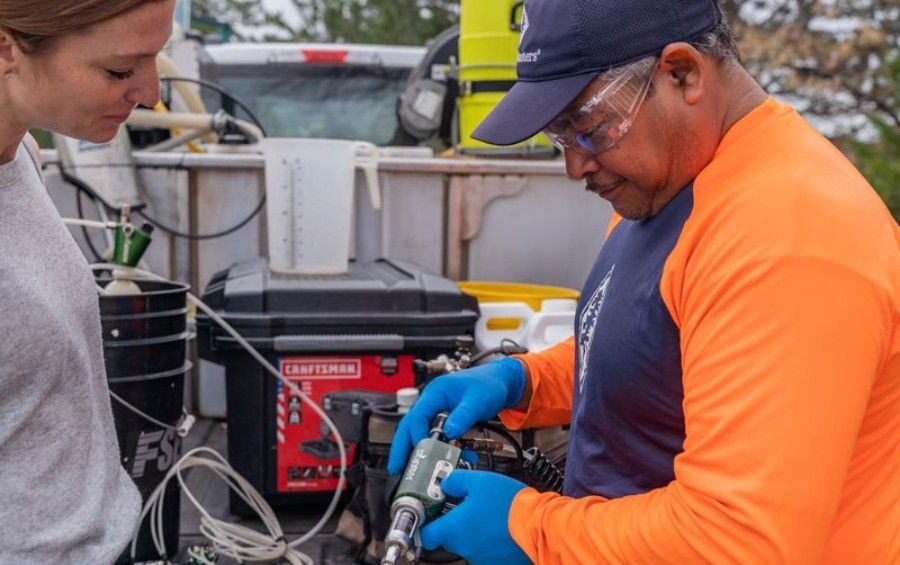
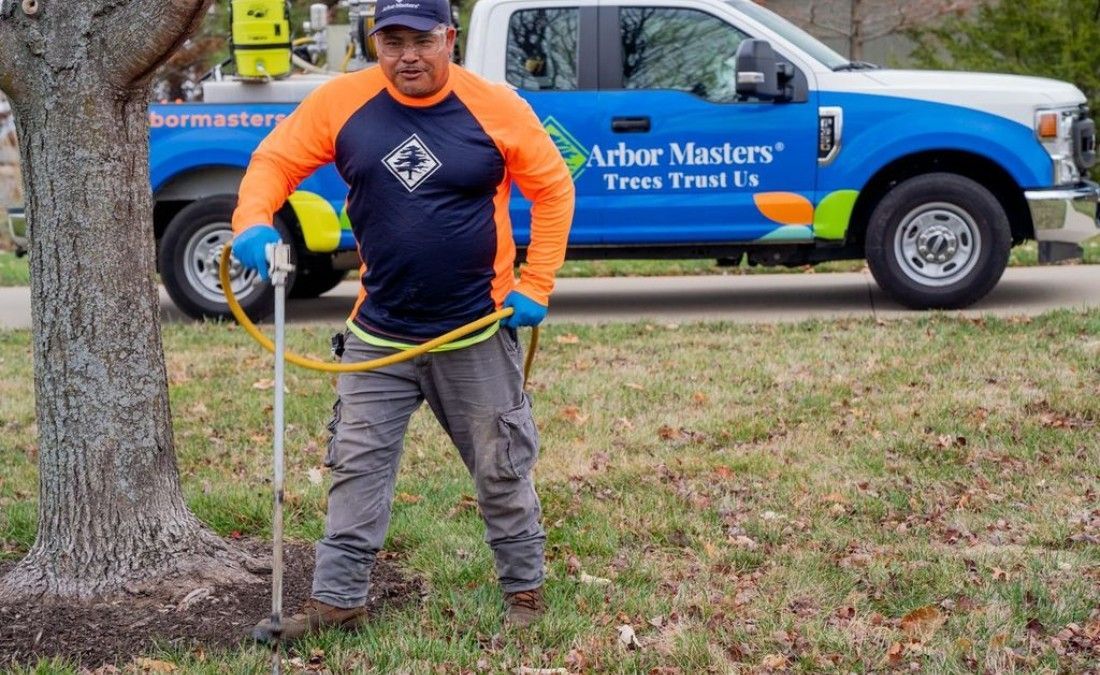
Plant health care treatments help keep pecan trees healthy and resilient before seasonal pests like webworms become a bigger problem.
Get Expert Help from Arbor Masters
In Grapevine, Euless, and the surrounding Fort Worth area, most healthy, established trees recover well from normal webworm feeding without lasting damage. While some trees show more webbing or recover more quickly than others, those differences are usually explained by factors such as species, age, root development, growing conditions, and water availability, not simply by whether a tree is healthy or unhealthy.
If your tree isn’t recovering the way you’d expect, or you’d like to better understand what factors are influencing its response, schedule a consultation with one of our ISA Certified Arborists or call us at 319-209-6558. We’ll evaluate your tree’s overall condition and recommend the best course of action, whether that’s continued monitoring, improved care practices, or treatment for an underlying issue.
Learn More With These Related Articles

Want More Like This?
Get the latest local news, tree care tips, special offers, and company updates directly to your inbox! It's easy to subscribe and there's no spam - we promise.
"*" indicates required fields
