
How Proactive Tree Care Helps Protect Your Property Value in Southlake and Colleyville
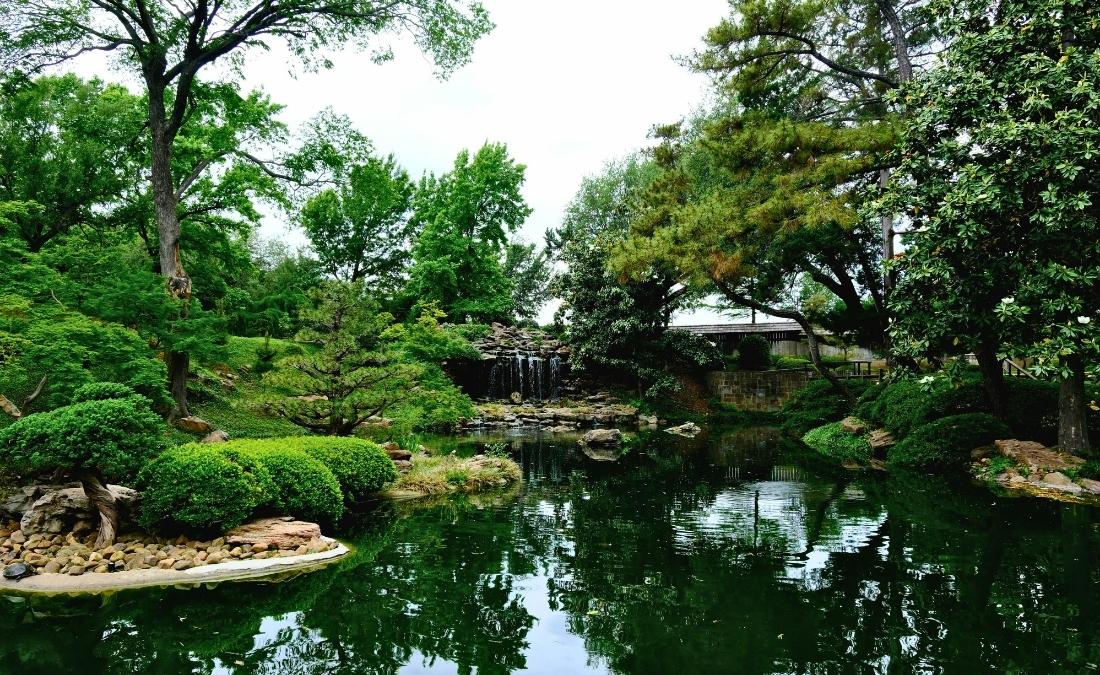
A neglected tree can turn from an asset into a liability quickly. Learn how proactive tree care helps preserve mature landscapes in Southlake and Colleyville.
Southlake is one of the wealthiest suburbs in the country, with a typical home valued around $1.3 million. With an average home value of $923,000, Colleyville isn’t far behind. Forest Service research found that street trees added an average of $7,020 to a home’s sale price, and a single mature shade tree on a high-value property in markets like these can add a substantial amount of money.
That’s why more North Texas homeowners are starting to view proactive tree care as part of protecting the overall value of their property, not just maintaining the landscape.
Key Takeaways
- Proactive tree care—health assessments, pruning, and plant health care programs—cost a lot less than emergency removal or structural failure remediation on the same tree.
- Both Southlake and Colleyville protect trees at six-inch DBH or larger under city ordinance; allowing protected trees to decline can trigger replacement and mitigation obligations.
- An ISA Certified Arborist assessment is the right starting point for any proactive care plan, establishing a baseline for what’s healthy, what needs attention, and what can wait.
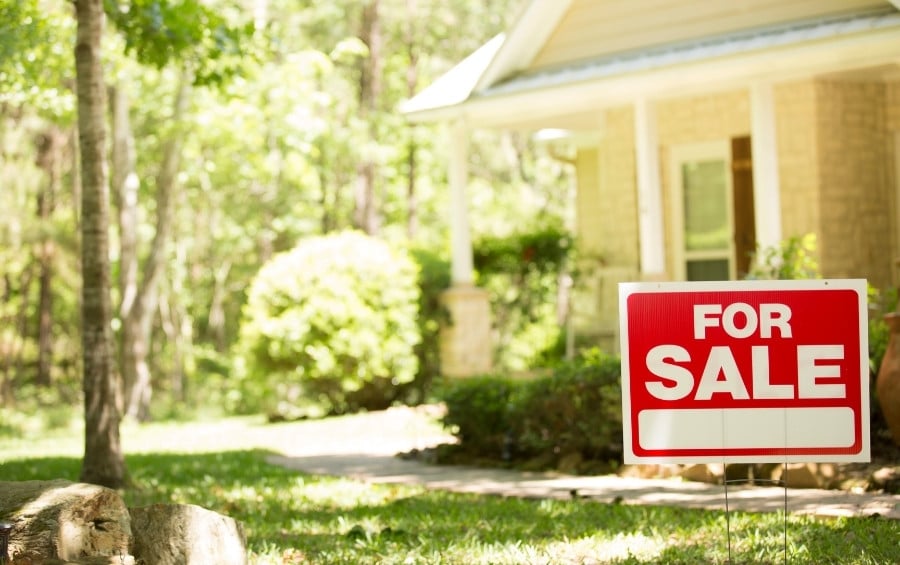
Buyers and appraisers notice mature canopy long before they reach the front door—it’s a measurable component of curb appeal and resale value.
What Mature Trees Signal to Home Buyers in Southlake and Colleyville
In neighborhoods where curb appeal carries real financial weight, mature trees influence more than shade and aesthetics; they shape how buyers perceive the entire property.
Healthy canopy trees create the privacy, character, and landscape maturity buyers expect in Southlake and Colleyville. Realtors regularly highlight “mature oaks,” “tree-lined lots,” and shaded outdoor spaces in listings because those features help a property feel more valuable from the moment buyers arrive.
The opposite is also true. Dead limbs, thinning canopies, visible decline, or neglected pruning can subtly signal deferred maintenance, even on otherwise well-kept homes.
According to a 2023 report, it was found that tree care recovers around 87% of its cost at sale, and over 90% of realtors recommend homeowners improve their curb appeal before listing their house for sale. For homeowners in Southlake and Colleyville with high stakes, that return profile makes proactive investment justifiable.
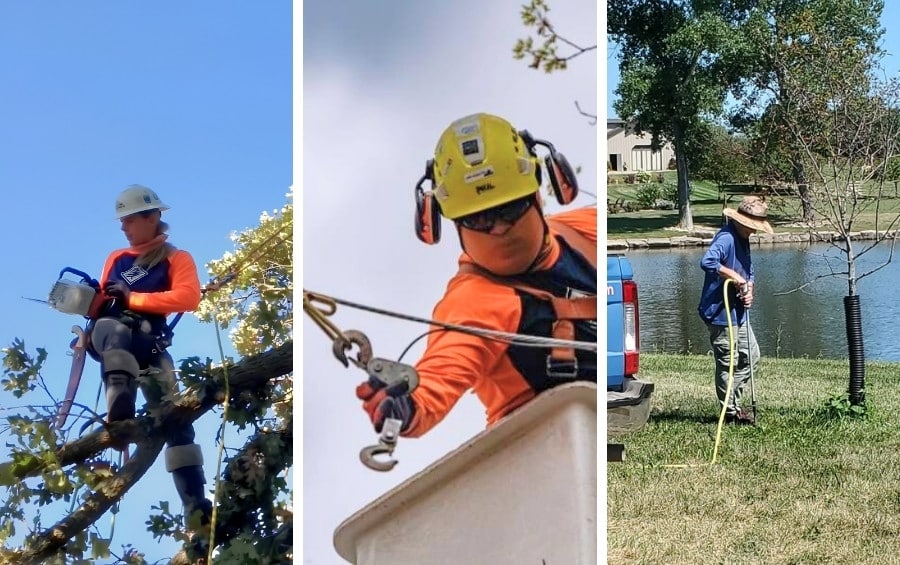
Preservation pruning, cabling and bracing, and plant health care are the three services that consistently extend the productive life of mature trees.
What Is Proactive Tree Care?
Proactive tree care focuses on identifying structural risk, stress, and decline before they turn into major failures or expensive removals. Instead of reacting after storm damage, advanced disease, or visible decline, homeowners invest in routine arborist care that helps preserve mature trees long-term.
For high-value properties in Southlake and Colleyville, that often includes a combination of services.
Tree Health Assessments
A tree health assessment by an ISA Certified Arborist covers the complete picture, including:
- Structure
- Canopy condition
- Disease and pest presence
- Soil health
The result is a documented baseline for the tree’s condition and risk level, the kind of record that’s useful for insurance purposes, municipal permit applications, and pre-sale disclosure. Annual or biannual assessments are valuable because they catch changes early, before visible symptoms appear or structural risk escalates.
Pruning
Pruning is structural work, as it:
- Guides growth
- Reduces load on weak branch unions
- Improves canopy architecture over time
This varies from cosmetic trimming or heavy topping, which can cause long-term damage. We prune according to ANSI A300 standards to directly improve curb appeal while reducing storm damage risk. For mature trees in high-value markets, it’s one of the highest-return maintenance investments available.
Cabling, Bracing, and Plant Health Care
Cabling and bracing address co-dominant stems and V-crotch unions, which are the structural configurations most likely to fail under load. For a mature tree that would otherwise need to be removed, cabling can preserve an asset that took decades to grow and adds a lot to the property’s value and character.
Plant health care (PHC) programs cover fertilization, pest and disease monitoring, and soil management on an ongoing basis. In North Texas, where clay soils and alkaline pH create chronic nutrient challenges, PHC programs are particularly relevant for maintaining the long-term vigor of mature trees. These services can extend the productive life of the highest-value trees on a property.
Why Tree Preservation Matters on High-Value North Texas Properties
In communities like Southlake and Colleyville, mature trees are treated as long-term community assets, not just landscape features. Large canopy trees provide shade, reduce heat, soften the appearance of development, and help create the established character these neighborhoods are known for.
That’s part of why both cities have invested heavily in urban canopy preservation efforts over the years. Southlake has maintained Tree City USA status for 28 consecutive years, while Colleyville has held the designation for 26. Both cities also maintain tree preservation ordinances that protect many mature trees during development and major property changes.
Those ordinances exist because mature canopy takes decades to replace once it’s lost. A large oak removed today may take an entire generation to recreate the same shade, scale, and visual impact on a property.
In high-value North Texas neighborhoods, healthy mature trees aren’t just part of the landscaping; they’re part of what gives the property and the community its identity.
How Early Should You Start Tree Care Before Listing Your Home?
The best time to start proactive tree care is before you think you need it.
If you plan to sell within the next few years, starting now gives pruning, canopy recovery, and plant health care time to produce visible results. Mature trees rarely rebound quickly after years of deferred maintenance.
Even homeowners with no plans to move benefit from the same approach. Mature trees take decades to establish, but structural problems, soil stress, and disease can shorten that timeline quickly when left unaddressed. Early intervention is almost always less expensive and more effective than waiting for major decline or storm damage.
In North Texas, spring and fall are typically the best times for assessments and preservation work. An ISA Certified Arborist can establish a baseline for:
- Overall tree health
- Structural concerns
- Immediate maintenance needs
- Long-term monitoring priorities
Frequently Asked Questions About Proactive Tree Care
How much can trees increase property value in Southlake or Colleyville?
Research has found that street trees can add an average of $7,020 to a home’s sale price, with additional spillover effects on neighboring properties. While Southlake and Colleyville home values and tree characteristics differ, the underlying finding is consistent: mature, well-maintained trees measurably contribute to residential property value, especially in markets where canopy and curb appeal influence buyer behavior.
Are my trees protected under Southlake or Colleyville Ordinance?
In Southlake, Ordinance 585-E protects trees with a DBH of six inches or greater and requires permits for altering or removing them. In Colleyville, the Land Development Code, Chapter 5 (Urban Forestry) protects trees of the same size on non-homestead property, with further protection for heritage trees regardless of location. An ISA Certified Arborist can evaluate what’s protected on your property before starting any work.
Is preventive tree care worth the cost?
Studies have shown that tree care recovers around 87% of its cost at sale, with many realtors recommending it prior to listing. This makes it one of the top landscaping investments recommended to sellers. Beyond sale value, proactive care consistently costs less than emergency removal or structural failure remediation on the same tree, making the financial case straightforward for homeowners managing high-value properties.
How often should my trees be professionally inspected?
Annual or biannual assessments are standard for most residential properties. Those with mature trees, previous storm damage, or known soil challenges all benefit from annual evaluations, which catch structural or health changes before they become costly problems that require emergency intervention.
What tree problems hurt curb appeal the most?
Dead limbs, thinning canopies, visible decline, poor pruning cuts, storm damage, and overgrown trees close to the home are some of the most noticeable issues to buyers. On high-value properties, neglected trees can make an otherwise well-maintained landscape feel poorly managed from the street.
Does tree care matter even if I’m not planning to sell soon?
Yes. Proactive tree care is most effective when problems are identified early, long before visible decline or structural failure occurs. Homeowners who wait until a tree becomes an immediate concern often have fewer preservation options and face significantly higher costs.
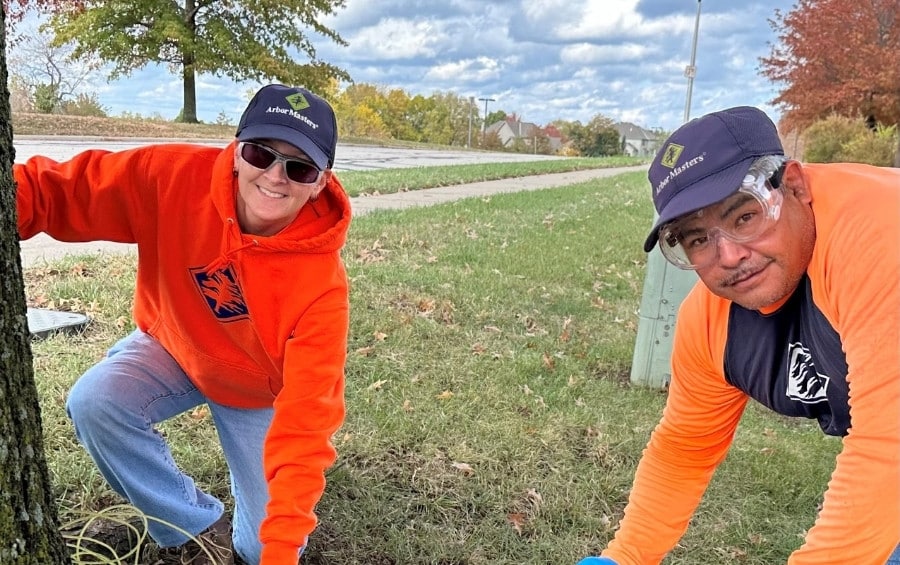
An ISA Certified Arborist assessment is the starting point for any proactive care plan—it documents what’s healthy, what needs attention, and what can wait.
Take the Proactive Approach and Contact Arbor Masters Fort Worth
In Southlake and Colleyville, tree condition is more than a simple landscaping detail; it’s a measurable part of property value. The gap between proactive care and a declining canopy can represent a lot of money per tree on the highest-value properties. The homeowners who protect that value are the ones who work ahead of problems, instead of reacting to them.
Arbor Masters Fort Worth serves Southlake, Colleyville, Keller, and the surrounding areas with ISA Certified Arborists who know North Texas soils, local ordinance requirements, and the specific challenges on these properties. To schedule a tree health assessment, contact us at 469-586-5829 or request a free quote online.
Learn More With These Related Articles
Want More Like This?
Get the latest local news, tree care tips, special offers, and company updates directly to your inbox! It's easy to subscribe and there's no spam - we promise.
"*" indicates required fields
