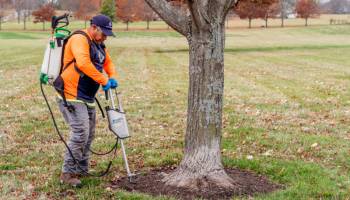
Is a Plant Health Care Program Worth It for Your Fort Worth Trees?
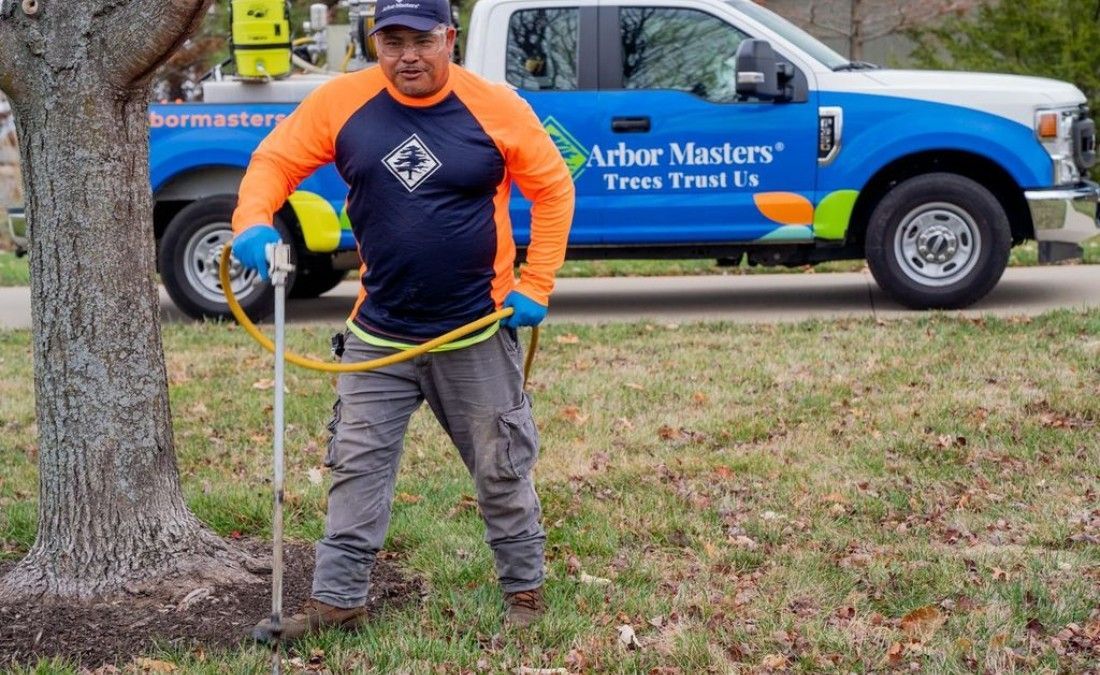
Some trees need more than an occasional checkup. Learn what ongoing plant health care provides and which Fort Worth properties may benefit most.
A one-time treatment addresses a specific problem. A Fort Worth plant health care (PHC) program takes a broader approach, tracking tree health over time so changes in nutrients, pests, disease, soil, or environmental stress can be identified and managed as they develop. The question is whether your trees need one targeted treatment or ongoing professional oversight.
Not every tree needs ongoing care. But if the same problems keep coming back, your trees have multiple concerns, or you’re tired of only calling an arborist after something goes wrong, a PHC program may make more sense than treating each issue separately.
Key Takeaways
- A one-time treatment addresses a single diagnosed problem, such as iron chlorosis on a red oak, while a plant health care program keeps an arborist evaluating your trees as conditions change throughout the year.
- Tree health in Fort Worth can shift for several reasons, including soil conditions, pests, disease, and weather stress, so some properties benefit from an ongoing evaluation rather than care focused on a single issue.
- Plant health care program cost depends on property size, tree count, and scope of care.
- Arbor Masters typically structures its Fort Worth plant health care program around three to five treatment rounds over twelve months, adjusted to what each property needs.
- An arborist assessment, not automatic enrollment, determines whether a one-time treatment or ongoing plant health care program fits your property.
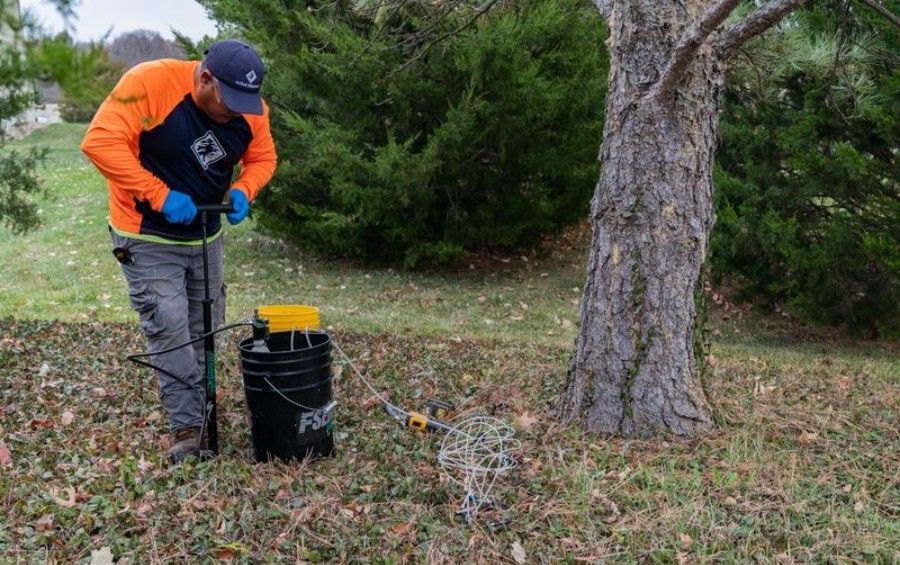
Plant health care may include targeted root-zone treatments based on the tree’s condition, soil needs, and other factors identified during an assessment.
What Is a Plant Health Care Program?
A plant health care program is a scheduled, ongoing relationship with an arborist who evaluates your trees over time, rather than treating one problem and moving on. Instead of a single visit tied to a specific symptom, your property gets regular monitoring for pests, disease, and soil or nutrient issues, with treatment adjusted as those conditions change throughout the year.
Why Tree Health Changes Over Time
Fort Worth’s soil conditions can contribute to nutrient availability problems in susceptible trees, but soil is only one piece of a larger picture. Ongoing plant health care is valuable because tree health can change for several reasons, including:
- Soil conditions can limit how well certain species take up nutrients like iron.
- Pest pressure can build or ease as the seasons change.
- Disease activity can develop gradually and go unnoticed at first.
- Weather stress from heat, drought, or heavy rain can weaken a tree over time.
- Changes around the root zone, such as construction, compaction, or grading, can affect a tree years after the work is done.
Not Every Property Needs to Enroll
Some yards are well served by a single, diagnosed treatment, which is why Arbor Masters starts with an assessment instead of assuming ongoing enrollment is the right call. That assessment determines whether your trees need a one-time fix or the kind of continued oversight a plant health care program provides.
How Is a Plant Health Care Program Different from a One-Time Treatment?
A one-time treatment makes sense when there’s one identified problem with a specific treatment, and there isn’t a reason to keep checking the tree throughout the year. For example, an arborist may diagnose a nutrient deficiency, recommend the appropriate treatment, and determine that routine follow-up isn’t necessary.
A plant health care program is built around what can change after that visit. An arborist checks your trees throughout the year for new or recurring pest activity, disease symptoms, nutrient issues, and signs of environmental stress, then adjusts care based on what they find. Instead of scheduling a new appointment every time you notice something wrong, your trees are already being monitored as conditions change.
What Does a Plant Health Care Program Include?
A plant health care program typically includes several elements, adjusted to what your property actually needs.
- Scheduled monitoring visits throughout the year, not just a single stop after a problem becomes visible.
- Pest and disease monitoring that’s checked and adjusted at every visit.
- Soil-specific fertilization and treatment for micronutrient deficiencies when they’re present.
- A written plan that evolves as your trees do, rather than a single invoice for one service.
During follow-up visits, the arborist can look for changes in foliage, new pest or disease activity, signs of stress, and how the trees are responding to previous treatments, then determine whether the care plan needs to change.
Your PHC plan is built around what your trees actually need. Tree species, current health, soil conditions, and local pest or disease pressures all help determine which services are included. For a closer look at the treatments Arbor Masters offers locally, see our Fort Worth plant health care and fertilization services.
When Does Ongoing Care Make More Sense Than Separate Treatments?
One treatment may solve the problem in front of you, but it doesn’t always address what could be contributing to it. If a tree has several health concerns at once, the same issue keeps returning, or treatment needs to change based on how the tree responds, managing each problem as a separate service can become less practical.
Ongoing care also gives the arborist a history to work from. Instead of evaluating the tree with no previous context each time something changes, they can compare its condition from one visit to the next, see how it responded to treatment, and use that information to guide what happens next.
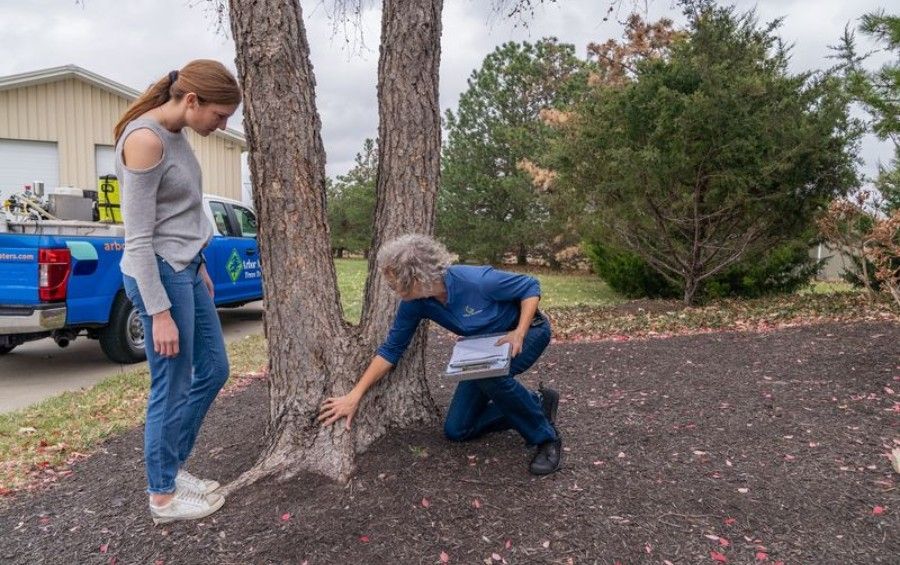
Regular evaluations give an arborist a chance to track changes in a tree’s condition and adjust its care over time.
Is a Plant Health Care Program Worth the Investment?
A PHC program is an ongoing expense, so it should provide more than a few extra visits from an arborist. Its value depends on what those visits allow you to manage throughout the year, the number and condition of your trees, and the level of care your property actually requires.
What Affects the Cost
What a plant health care program costs depends on a few factors, not a flat rate that applies to every yard.
- The size of your property.
- The number of trees included in the program.
- The scope of care your trees need, based on the initial assessment.
Why Ongoing Evaluation Adds Value
The advantage of PHC isn’t just having an arborist visit more often. It’s having a baseline for your trees and someone who can recognize when something has changed. New discoloration, declining growth, pest activity, or a tree that’s responding poorly to treatment can be evaluated in context instead of starting from scratch at each visit.
For homeowners with mature or high-value trees, that history can also help guide longer-term decisions about treatment, monitoring, and when continued intervention no longer makes sense.
An arborist assessment is the best way to determine what that level of care would look like (and what it would cost) for your property.
Frequently Asked Questions About Plant Health Care Programs
How often is service scheduled as part of a plant health care program?
Visit frequency depends on what your property needs, but Arbor Masters typically structures a plant health care program around three to five treatment rounds over 12 months, based on internal program guidelines. Your arborist sets the exact schedule after the initial assessment, since a property with more pest pressure or soil deficiency may need more frequent check-ins than one with fewer issues.
Is a plant health care program worth it for a smaller residential property, or mainly for larger estates?
Plant health care programs aren’t limited to large estates. A smaller residential lot with a few mature or high-value trees can also be a good fit, especially if those trees show signs of stress or have a history of recurring health issues. Property size affects the scope of the program and how many trees it covers, not whether a program is a fit in the first place.
Do I still need a plant health care program if my trees currently look healthy?
Not necessarily. Healthy-looking trees don’t automatically need ongoing professional care, but appearance alone isn’t the only factor to consider. A PHC program may be worthwhile if you have mature or high-value trees, a history of recurring pest or disease problems, species that face known local pressures, or site conditions that can affect tree health over time.
For a property without those concerns, periodic assessments or targeted care when a specific need arises may be enough. The goal isn’t to enroll every healthy tree in a program; it’s to determine whether regular monitoring and preventive care provide a meaningful benefit for the trees on your property.
Does a plant health care program include tree removal or pruning if a problem is found?
No. A plant health care program covers soil, nutrient, and pest or disease monitoring and treatment. If an assessment turns up a structural issue, storm damage, or a tree that needs removal, that work is handled as a separate pruning or removal service rather than folded into the program.
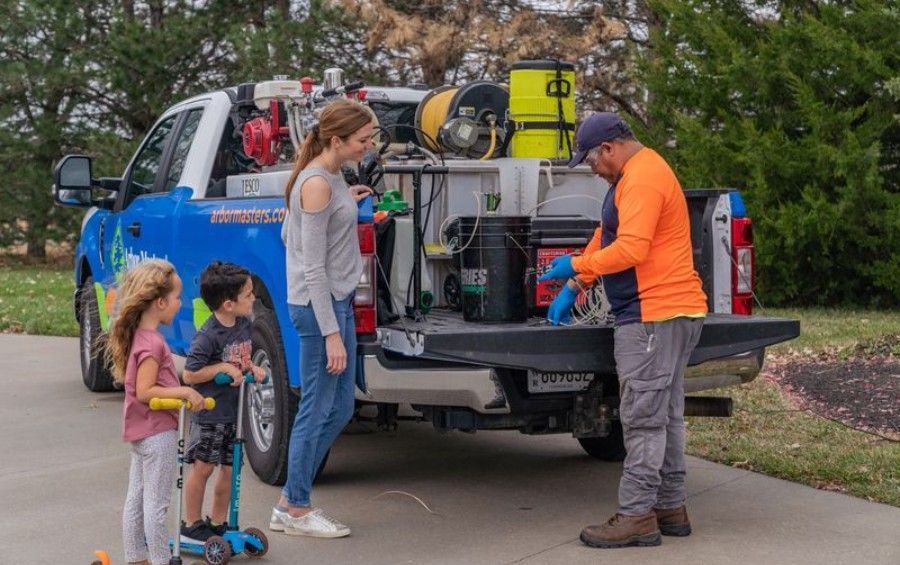
A PHC plan gives homeowners a clearer picture of what their trees need now and what may need continued monitoring or treatment.
Find the Right Level of Care for Your Fort Worth Trees
You don’t have to decide between a one-time treatment and a PHC program before you know what’s going on with your trees. Start by finding out what they need now and whether any of those concerns warrant continued monitoring or care.
Schedule an assessment with Arbor Masters Fort Worth to have an ISA Certified Arborist evaluate your trees and recommend the level of care that makes sense for your property. Call 469-373-4850 or request an assessment online.
Learn More With These Related Articles

Want More Like This?
Get the latest local news, tree care tips, special offers, and company updates directly to your inbox! It's easy to subscribe and there's no spam - we promise.
"*" indicates required fields