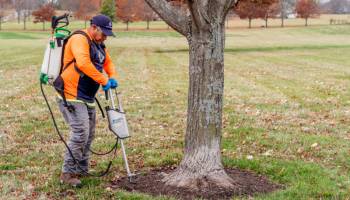
Why Is My Evergreen Losing Needles in Fall?
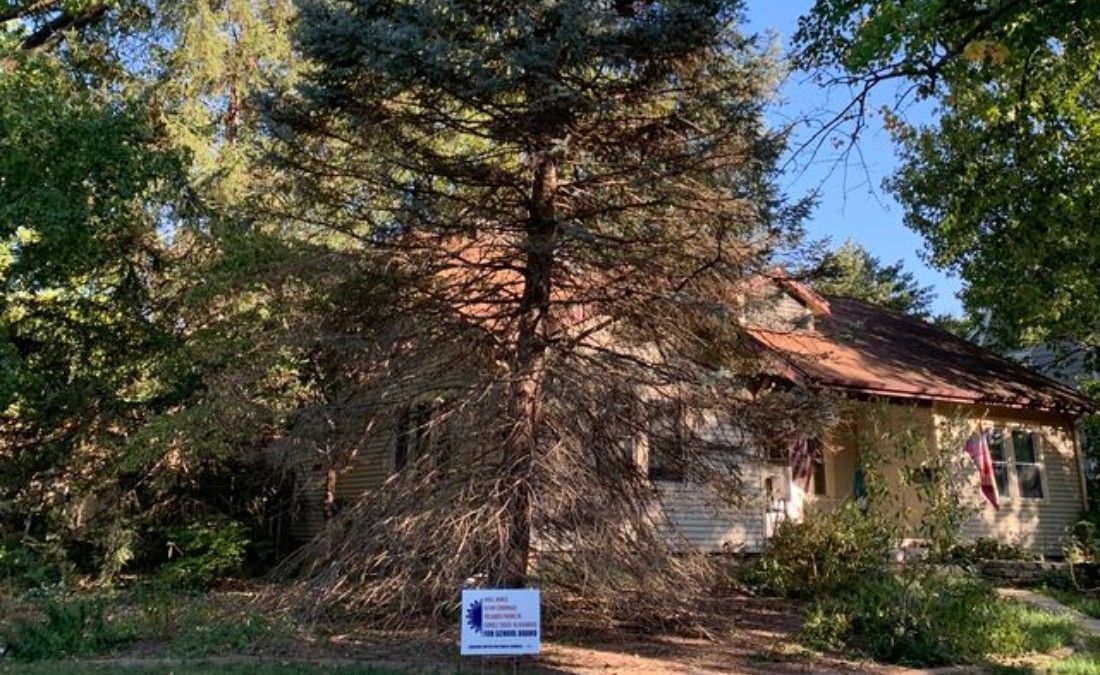
Seeing brown or falling needles on a pine, spruce, or arborvitae? Learn what normal fall shedding looks like & which changes may signal a tree health problem.
From Prairie Village to Lenexa, browning needles are showing up on pines, spruce, and arborvitae across Johnson County. Some of that is expected in fall, when evergreens naturally shed older needles. But browning or needle loss caused by drought stress can show up alongside that normal seasonal change, and the two don’t always look the same.
The key is where the browning appears and how much of the tree is affected. Normal needle drop tends to follow a predictable pattern, while drought stress and other tree health problems can affect different parts of the canopy. Pines, spruce, and arborvitae also respond differently, so knowing what’s normal for the type of evergreen you have can help you decide whether the tree needs attention.
Key Takeaways
- Normal fall needle drop only affects the oldest, innermost needles, while the newest growth at the branch tips stays green.
- Needle retention varies by species: white pines can lose most of their older needles in fall, while other pines and spruces retain older needles for several years.
- Patchy or one-sided browning, needle loss at the branch tips, or bags on the branches point to disease, pests, or stress rather than normal shedding.
- Last year’s drought stress raises the risk of Rhizosphaera needle cast on spruce and bagworm damage on arborvitae this fall.
- When the pattern points to a real problem, it’s ongoing plant health care, not a one-time treatment, that protects the tree going forward.
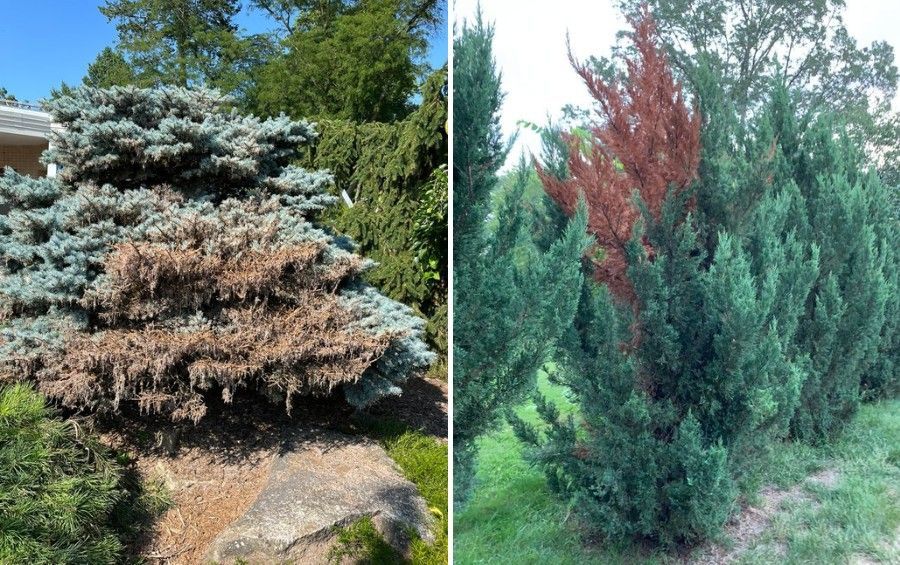
Browning like this in spruce and arborvitae usually points to a specific cause rather than normal fall needle drop.
Is It Normal for Evergreens to Lose Needles in Fall?
Yes. Evergreens keep their foliage year-round, but they don’t keep the same needles forever. Each year, older foliage is eventually shed and replaced by newer growth. This natural process is called seasonal needle drop, or needle senescence.
The important clue is which needles are changing color. Normal fall shedding typically affects older foliage toward the interior of the branch, closer to the trunk. The newer growth at the ends of the branches should remain green and healthy. Depending on the species, the older needles may turn yellow, gold, or brown before dropping.
That pattern is different from browning that starts at the branch tips, affects new growth, appears in isolated sections of the canopy, or leaves entire branches declining. Those symptoms can point to drought stress, disease, root problems, or another issue rather than normal seasonal shedding.
How Long Do Evergreen Trees Keep Their Needles?
Normal needle drop looks a little different depending on the evergreen:
- White Pine: Older needles closer to the trunk can turn yellow or brown all at once in fall, making the change look dramatic even though the newer outer growth remains green.
- Red Pine: Older interior needles also shed, but red pines typically hold their needles longer than white pines.
- Spruce and Fir: Older needles tend to drop more gradually, so you may notice some thinning or browning inside the canopy rather than a large flush of yellow needles.
- Arborvitae: Older, scale-like foliage on the inside of the plant can turn yellow or brown while the outer foliage stays green.
Look at the location of the browning more than the amount. If older foliage near the trunk is changing color while newer growth at the tips stays green, seasonal shedding is more likely. Browning at the tips, on new growth, or across entire branches may indicate something else.
Where Is Your Evergreen Losing Needles?
Where the browning starts can tell you a lot about whether you’re seeing normal fall shedding or something that deserves a closer look. Seasonal needle drop affects the oldest foliage toward the inside of the tree, while the newer growth at the ends of the branches stays green.
The pattern matters too:
- Even browning through the inner canopy is more consistent with normal seasonal shedding, especially when the branch tips remain healthy and green.
- Browning at the branch tips or on new growth isn’t typical seasonal needle drop and can indicate drought stress, disease, insects, or another health problem.
- One-sided or patchy browning suggests something is affecting a particular part of the tree rather than the normal aging of older foliage.
- Entire branches turning brown deserves a closer look, particularly if the browning continues to spread or the affected branches begin to die back.
The simplest comparison is old interior foliage versus new outer growth. If the inside is browning while the tips remain green, the tree is more likely following its normal fall cycle. If the newest growth or entire sections of the tree are affected, it’s worth looking beyond seasonal needle drop.
What Can Cause Spruce and Arborvitae to Turn Brown?
When browning affects newer foliage, individual branches, or larger sections of a spruce or arborvitae, normal fall needle drop becomes less likely. The pattern, timing, and type of evergreen can help narrow down the cause. In Johnson County, several problems are worth knowing how to recognize.
Rhizosphaera Needle Cast on Spruce
Rhizosphaera needle cast is a fungal disease that can cause spruce trees to lose older needles prematurely and gradually thin out. The symptoms can take time to develop, so the damage you see now may be the result of an infection that occurred much earlier.
Watch for:
- Infected needles that turn yellow before becoming purple or brown.
- Needle loss that begins on older growth and can progress upward through the tree.
- Thinning that becomes more noticeable as infected needles eventually drop.
Colorado blue spruce is particularly susceptible, while white and Norway spruce can also become infected.
Bagworm Damage on Arborvitae
Bagworms feed on arborvitae foliage and can leave individual branches or larger sections of the plant brown and bare. Unlike normal seasonal shedding, the damage isn’t limited to older interior foliage.
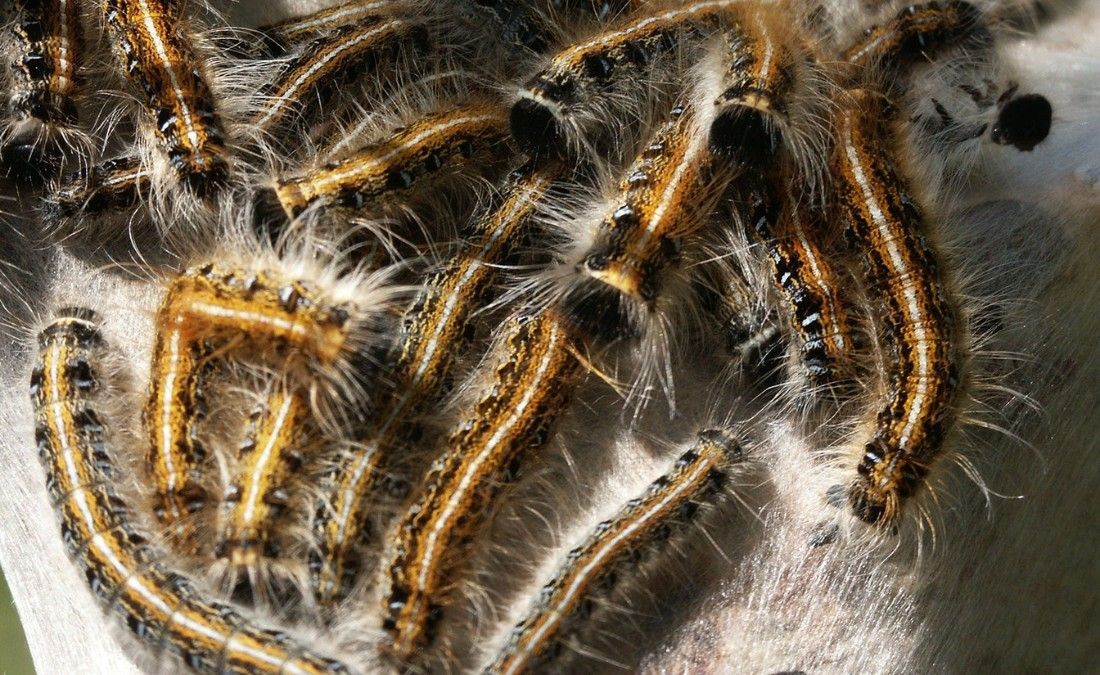
The easiest clue is often the pest itself. Look for spindle-shaped bags hanging from the branches, made from silk and pieces of the arborvitae’s foliage. By late summer and fall, the bags can be easier to spot after a season of feeding has already left visible damage.
Dothistroma Needle Blight on Pine
Dothistroma needle blight is a fungal disease that can cause pine needles to develop spots or bands before portions of the needle turn brown. One of the more distinctive signs is a reddish-brown band around the needle, sometimes with the needle tip turning brown while the base remains green.
Symptoms can become noticeable in late summer and fall, making Dothistroma easy to confuse with seasonal needle drop at first glance. The difference is in the pattern: normal shedding affects older interior needles fairly evenly, while Dothistroma causes distinct discoloration and browning on infected needles and can lead to progressive thinning when infections occur year after year.
Drought Stress
Drought stress can cause evergreens to brown or lose needles prematurely, and the symptoms may become more noticeable after the hottest, driest part of the growing season has passed. Unlike normal fall needle drop, drought-related browning isn’t necessarily limited to the oldest interior foliage. You may see browning at branch tips, scattered through the canopy, or affecting larger sections of the tree.
The effects can also outlast the drought itself. A tree that struggled to take up enough water during a dry summer may enter fall with damaged foliage, reduced root function, or less ability to handle additional stress. Compacted soil, root disturbance, and limited rooting space near pavement can make those effects worse. Drought-stressed evergreens may also be more vulnerable to certain insects and diseases, so browning that continues to spread or doesn’t follow the normal interior-shedding pattern is worth a closer look.
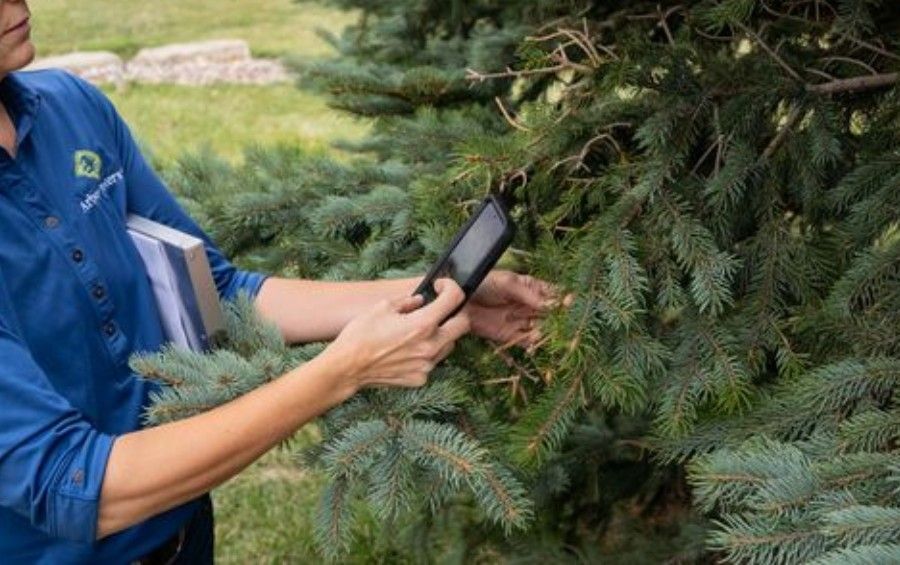
An ISA Certified Arborist checks branch by branch to determine whether needle loss is normal or a sign of disease.
What Should You Do About Normal Fall Needle Drop?
If the browning is limited to older interior foliage and the newer growth remains healthy and green, the tree usually doesn’t need treatment. Seasonal needle drop is part of the evergreen’s normal growth cycle.
Instead, focus on basic fall care that helps the tree head into winter in good condition:
- Keep the tree watered if fall is dry, especially if it was recently planted or experienced drought stress over the summer.
- Maintain a layer of mulch over the root zone to help conserve soil moisture, keeping it pulled back from the trunk.
- Leave healthy branches alone. There’s no need to prune a branch just because its older interior needles are turning brown and dropping.
- Skip unnecessary treatments. Normal seasonal needle drop doesn’t require fertilizer, fungicides, or insecticides.
For more ways to prepare your trees for the colder months ahead, use our fall tree care checklist for Johnson County homeowners.
Frequently Asked Questions About Evergreens Losing Needles
How long does it take for a spruce to recover from Rhizosphaera treatment?
Recovery isn’t immediate. Treated spruce typically need more than one growing season to fill back in, since needles already infected will still drop on their own delayed timeline, sometimes not until the following year.
Can an arborvitae grow back after a bad bagworm infestation?
It depends on how much of the plant was defoliated. Arborvitae can’t regrow foliage on bare, brown branches the way deciduous trees can, but branches that still have some green foliage can often push new growth. Branches stripped completely bare usually need to be pruned out or the plant replaced.
Can I just pick off the bagworm bags by hand instead of having the tree treated?
Hand-picking helps if you catch bags before they hatch in late spring, but there’s also value in fall hand-picking because it removes overwintering eggs and reduces next year’s population. If you’re noticing brown, defoliated patches in fall, the damage is done. However, removing bags can reduce next year’s infestation.
Should I prune away brown, dead-looking branches on my evergreen right now?
Don’t prune a brown-looking branch solely because the foliage has browned. First confirm whether the tissue is alive and determine what’s causing the browning. If the branch is dead, the appropriate pruning timing depends on the species, branch size, and cause of dieback; an arborist can recommend whether it should be removed now or during a better seasonal window.
Is winter burn the same thing as fall needle drop?
No. The two are separated mainly by timing and location: fall needle drop happens through autumn and only affects a tree’s oldest interior needles, while winter burn shows up later, over winter into spring, and affects the newer foliage most exposed to wind and sun.
Will fertilizing my evergreen now help stop the needle drop I’m seeing?
No. If the needle loss is normal seasonal shedding, fertilizer won’t stop it—and the tree doesn’t need treatment. If the browning is caused by drought, disease, or another problem, fertilizer still isn’t automatically the answer.
Fertilization is most useful when the tree actually has a nutrient need. An arborist can evaluate the tree and, when appropriate, use soil testing to determine whether a fertilization plan would benefit it. Applying fertilizer without knowing what’s causing the browning won’t correct the underlying problem.
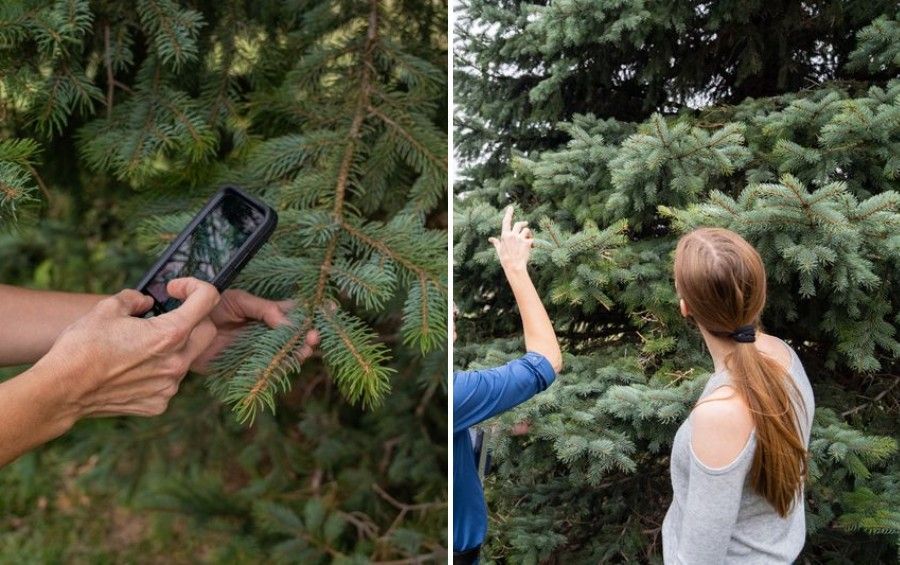
Where needles are browning on the branch can help distinguish normal seasonal shedding from a tree health problem.
Schedule an Evergreen Health Check with Arbor Masters
If the browning doesn’t match normal seasonal shedding, Arbor Masters’ ISA Certified Arborists can determine what’s causing it and recommend the right next step for your tree. That may include treatment for an active pest or disease, correcting a soil or moisture issue, or continued monitoring and plant health care based on the tree’s condition.
Reach out to schedule insect and disease control before the season’s damage really takes a toll. You can also call us at 913-308-3791 or request a quote online.
Want More Like This?
Get the latest local news, tree care tips, special offers, and company updates directly to your inbox! It's easy to subscribe and there's no spam - we promise.
"*" indicates required fields