
Why Is My Cedar Rapids Tree Wilting and Turning Brown This Summer?
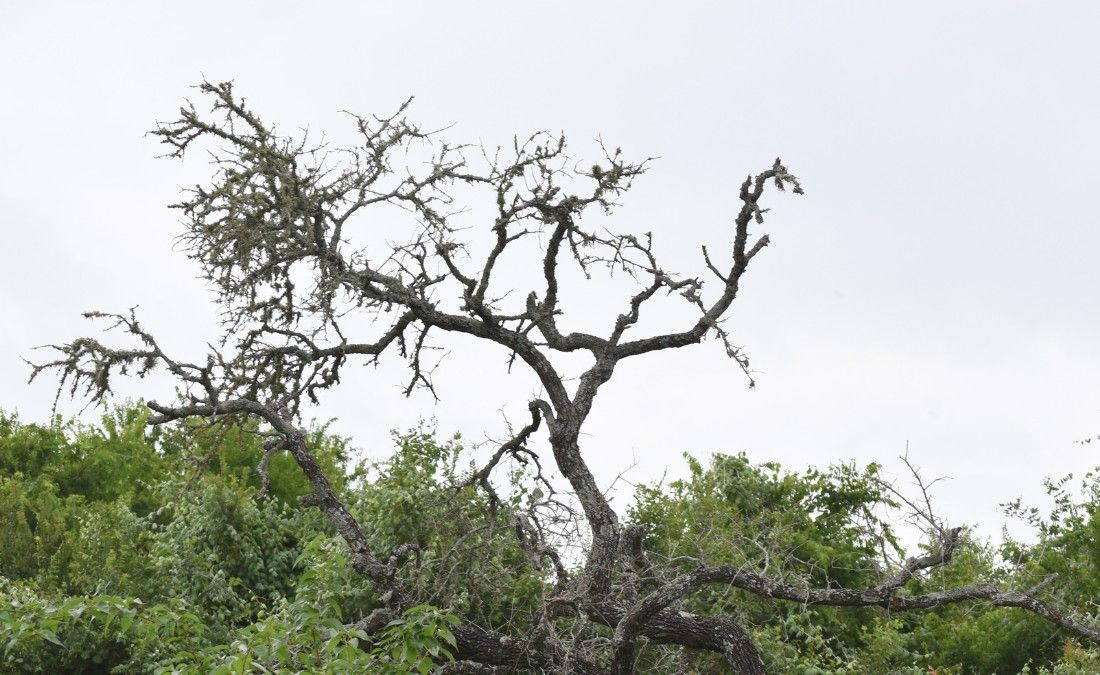
Wilting leaves or a browning canopy in Cedar Rapids? Learn the signs of emerald ash borer, oak wilt, and Dutch elm disease and what to do next.
A tree that looked healthy at the beginning of summer can look very different by the end of it. Leaves may suddenly wilt or turn brown, branches can begin dying back, or the canopy may start thinning, and it’s not always easy to tell whether you’re seeing seasonal stress or something more serious.
For Cedar Rapids homeowners with ash, oak, or elm trees, some of the biggest concerns are emerald ash borer, oak wilt, and Dutch elm disease. Each leaves different clues, and recognizing those signs early can help you figure out what’s happening and whether there’s still time to protect the tree.
Key Takeaways
- Oak wilt, Dutch elm disease, and emerald ash borer cause different patterns of decline depending on the tree species and where symptoms begin.
- Oak wilt and Dutch elm disease can spread to nearby susceptible trees through connected roots or insect vectors.
- Identifying the cause and extent of decline helps determine whether a tree can be treated or should be removed.
- Laboratory testing can confirm suspected oak wilt when symptoms alone aren’t enough for a reliable diagnosis.
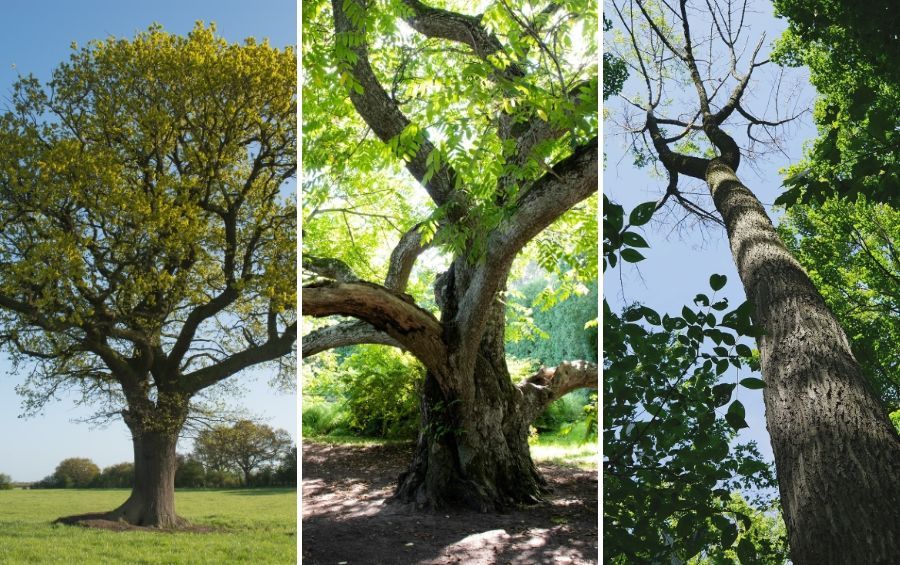
Similar browning and canopy decline can have very different causes depending on whether the affected tree is an oak, elm, or ash.
Why Do Oak, Elm, and Ash Trees Decline in Late Summer?
By late summer, months of heat, water stress, pest activity, and disease progression can make tree decline much easier to see. For Cedar Rapids homeowners, some of the most important causes to consider include:
- Oak Wilt: This serious disease is established in Iowa and can cause wilting, browning leaves, and rapid canopy decline in infected oaks.
- Dutch Elm Disease: Infected elms may develop yellowing, wilting, or browning foliage as the disease interferes with water movement through the tree.
- Emerald Ash Borer: EAB has been confirmed in all 99 Iowa counties, making it an important concern when an ash tree develops canopy thinning or dieback.
- Drought and Heat Stress: Environmental stress can cause leaf scorch, premature leaf drop, and browning, particularly on the hottest and most exposed portions of the canopy.
The challenge is that these problems can look similar from the ground. The tree species, where symptoms begin, how quickly they progress, and other signs on the trunk or branches can help narrow down what’s causing the decline.
How Do You Tell Oak Wilt, Dutch Elm Disease, and Emerald Ash Borer Apart?
Start by identifying the tree species. Oak wilt affects oaks, Dutch elm disease affects elms, and emerald ash borer attacks ash trees, so knowing what kind of tree you have immediately narrows the possibilities.
From there, look at where symptoms appear in the canopy, how quickly the tree is declining, and whether there are other signs that point to a specific pest or disease:
- Oak Wilt : Symptoms surface from spring through summer, with browning that starts in the upper canopy and works from the leaf edge inward. Red oaks can die in four to six weeks; white and bur oaks decline branch by branch over years.In some infected red-oak-group trees, fungal spore mats may develop beneath the bark.
- Dutch Elm Disease : Flagging can begin in early or mid-summer, often with yellowing, curling and drying leaves on one or a few branches. Some elms die within weeks, while others hold on for a year or more. Symptomatic branches streak brown or green in the sapwood.
- Emerald Ash Borer : Without effective treatment, heavily infested ash trees typically decline progressively and eventually die.Look for S-shaped galleries under the bark, small D-shaped exit holes, bark splits, woodpecker damage, and trunk sprouts.
Symptoms can narrow the possibilities, but several environmental stresses and diseases overlap; confirmation often requires examination of symptomatic wood or laboratory testing.
Can These Tree Problems Spread to Other Trees?
Yes. Oak wilt and Dutch elm disease can move underground through root grafts that form between nearby susceptible trees. Both diseases can also spread above ground when insects carry the pathogens from infected trees to healthy ones.
Emerald ash borer spreads differently. Adult beetles can fly to nearby ash trees, while infested firewood and other ash material can carry EAB much farther. An infested ash won’t spread EAB to the oak or elm beside it, but other ash trees nearby are at risk. As an infested ash declines and becomes structurally weaker, delaying tree removal can also make the eventual removal more difficult.
Because oak wilt and Dutch elm disease can spread below ground, dealing with an infected tree may involve more than treating or removing that individual tree. An arborist may need to evaluate neighboring susceptible trees and determine whether additional measures are needed to limit further spread.
Can Your Declining Tree Be Treated?
Whether a declining tree can be treated depends on what’s causing the decline and how much damage has already occurred. The point at which treatment is no longer effective differs for ash, oak, and elm:
- Ash: EAB treatment is most effective while the tree still has most of its canopy. Once canopy thinning reaches about 50%, removal is generally recommended.
- Oak: Treatment options depend on the type of oak and how far oak wilt has progressed. Some white and bur oaks may respond to treatment when caught early, while symptomatic red oaks are much less likely to benefit once the disease is established.
- Elm: Dutch elm disease has the best chance of being treated when symptoms are limited to a small portion of the canopy. Once the disease has spread extensively through the crown, saving the tree becomes much less likely.
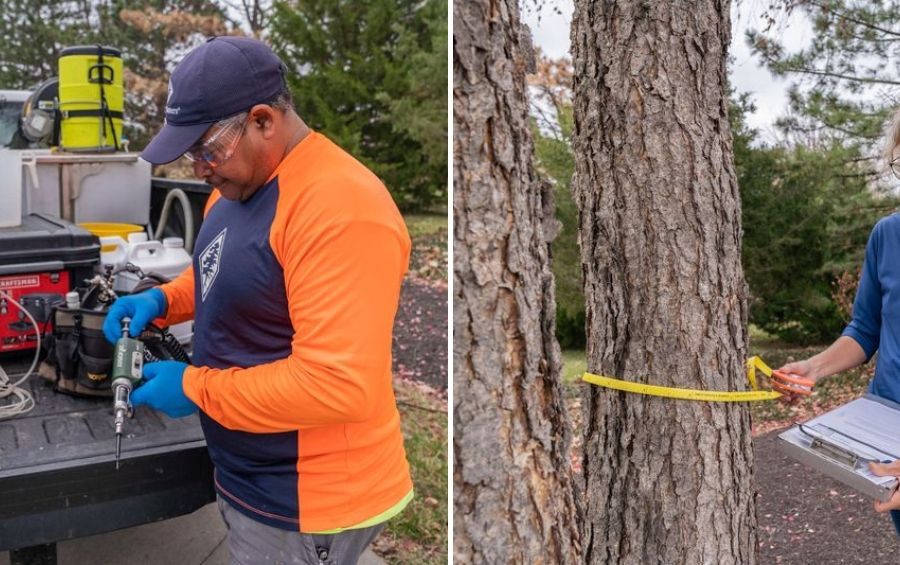
Before treatment, an arborist considers both trunk size and the extent of decline to determine the appropriate dose and whether the tree is a good candidate.
What Does a Certified Arborist Check On Site?
A Certified Arborist works through a few measurable factors:
- Percentage of canopy loss and where in the crown the decline started
- Species and species group, since red oaks and white oaks fail on different timelines
- Deadwood, decay, cavities, and structural defects, including old wounds from the 2020 Cedar Rapids derecho
- Whether nearby same-species trees show early symptoms
- Target risk, meaning what the tree would hit if it or a major limb came down
An arborist uses these findings to determine how far the problem has progressed, whether the tree is structurally safe, and whether treatment is still a reasonable option.
Frequently Asked Questions About Trees Wilting and Turning Brown
Where can I get a lab confirmation for suspected oak wilt?
Iowa State University’s Plant and Insect Diagnostic Clinic tests samples for suspected oak wilt. Proper sample selection, refrigeration, and prompt delivery are important for an accurate diagnosis, so follow the clinic’s oak wilt sampling guidelines or have a Certified Arborist collect hard-to-reach samples.
Is it safe to keep the wood from a removed oak or elm for firewood?
Diseased oak and elm wood can carry the pathogen in the bark, and moving it is a documented spread route. Don’t move potentially infected oak or elm wood without first determining the disease and applicable disposal or movement restrictions. Proper chipping, debarking, burning or other approved handling can reduce disease-spread risk.
Does a browning tree mean it’s dying?
Not necessarily. Drought, heat, root stress, and other environmental problems can cause browning or premature leaf drop without killing the tree. Rapid canopy decline, branch dieback, bark changes, or symptoms that continue to spread are stronger reasons to have the tree evaluated.
Should I remove a tree as soon as I notice wilting or brown leaves?
No. Wilting or brown leaves alone aren’t enough to determine that a tree needs to be removed. Identifying the cause and evaluating how much of the canopy and structure are affected can help determine whether treatment, monitoring, or removal makes the most sense.
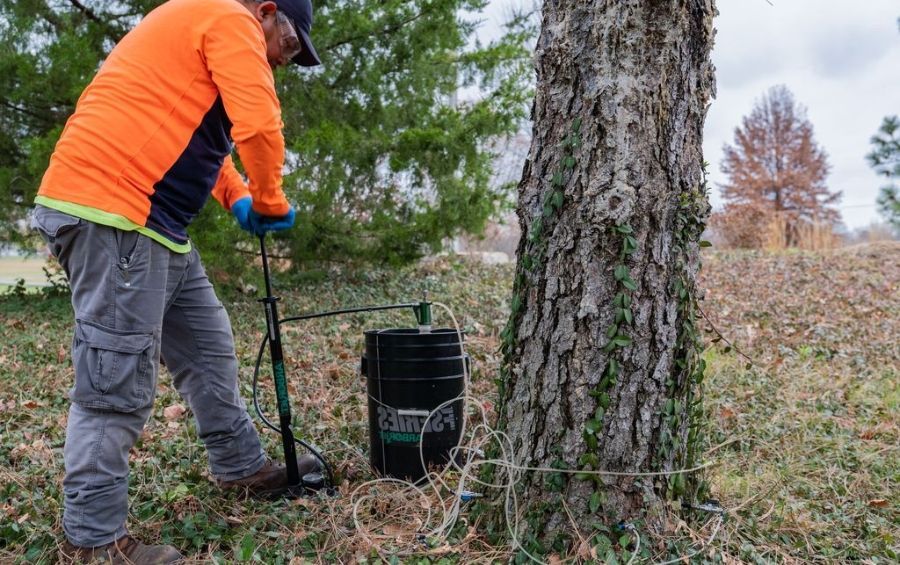
Systemic injections help protect healthy trees from future damage, but they can’t reverse damage that has already occurred and must be repeated on a regular treatment schedule.
Get Expert Answers About Your Declining Tree From Arbor Masters
Brown leaves, a thinning canopy, or dying branches can tell you something is wrong, but they can’t tell you whether you’re dealing with a treatable problem, a tree that needs to be removed, or temporary environmental stress. The sooner you know what’s causing the decline, the more options you may have.
If you’re concerned about an oak, elm, or ash on your Cedar Rapids property, Arbor Masters’ insect and disease control team can evaluate the tree, identify the likely cause, and recommend what to do next. Call 319 209-6558 or get a free quote online.
Want More Like This?
Get the latest local news, tree care tips, special offers, and company updates directly to your inbox! It's easy to subscribe and there's no spam - we promise.
"*" indicates required fields
