
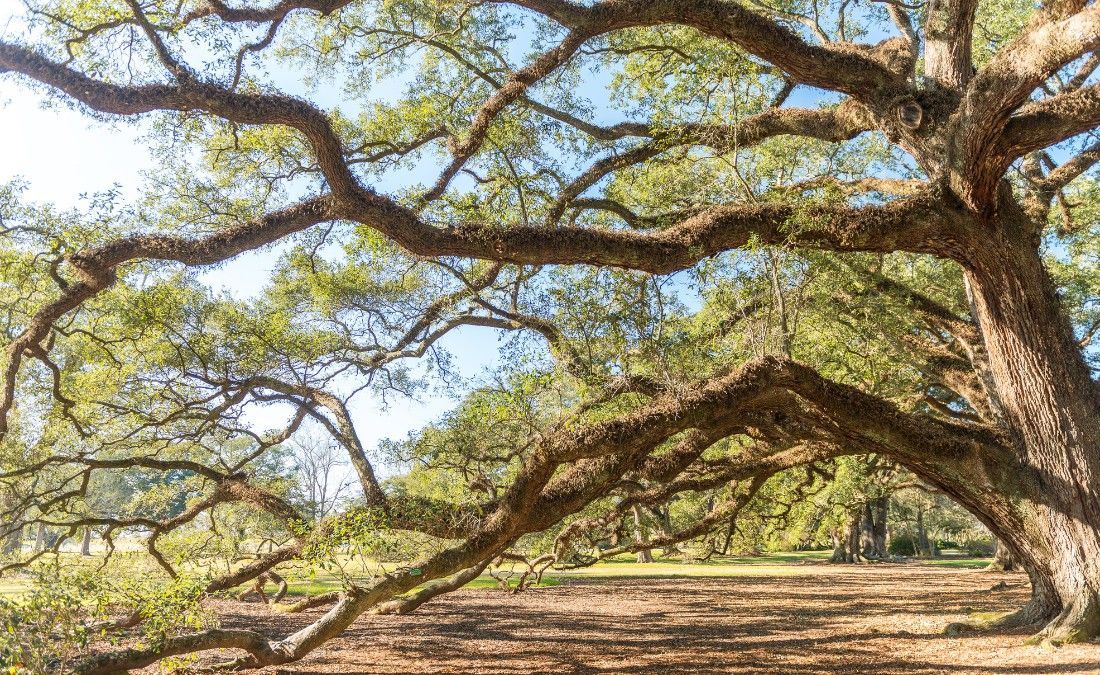
Is My Old Tree Safe Before Winter Storms Hit in Wichita?
Learn which changes in a mature tree may signal structural concerns, what an arborist looks for, and when a professional assessment makes sense.
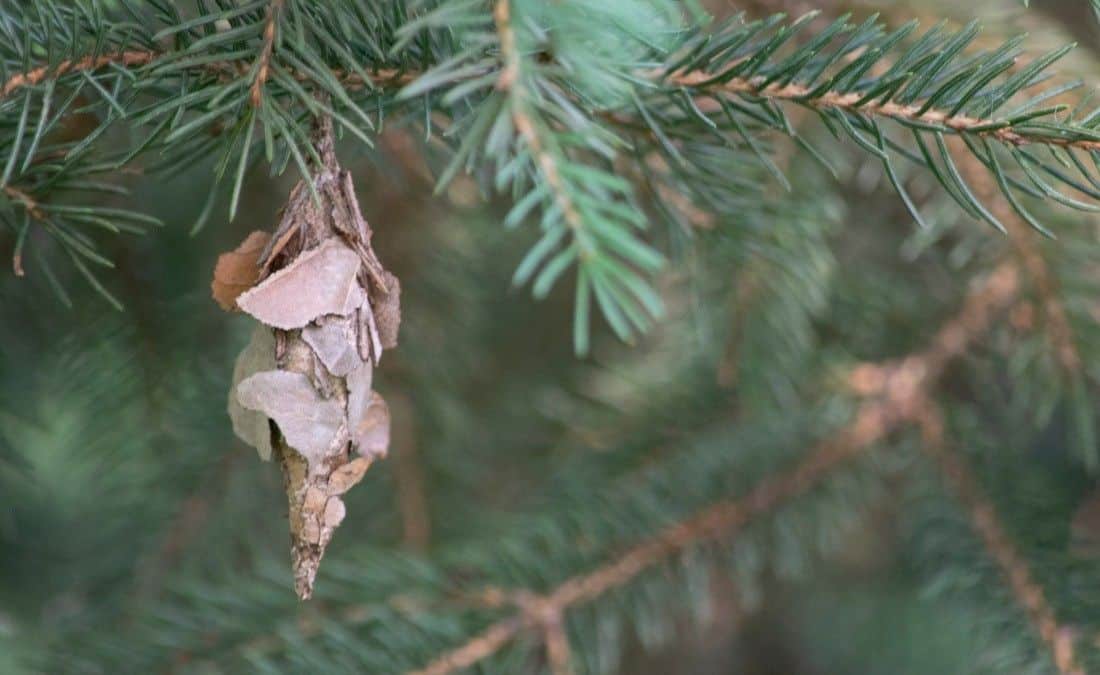
Is It Too Late to Treat Bagworms in Late Summer?
Found bagworms on your Wichita trees? Their size and life stage can determine whether treatment will still work. Learn what to look for and what to do next.
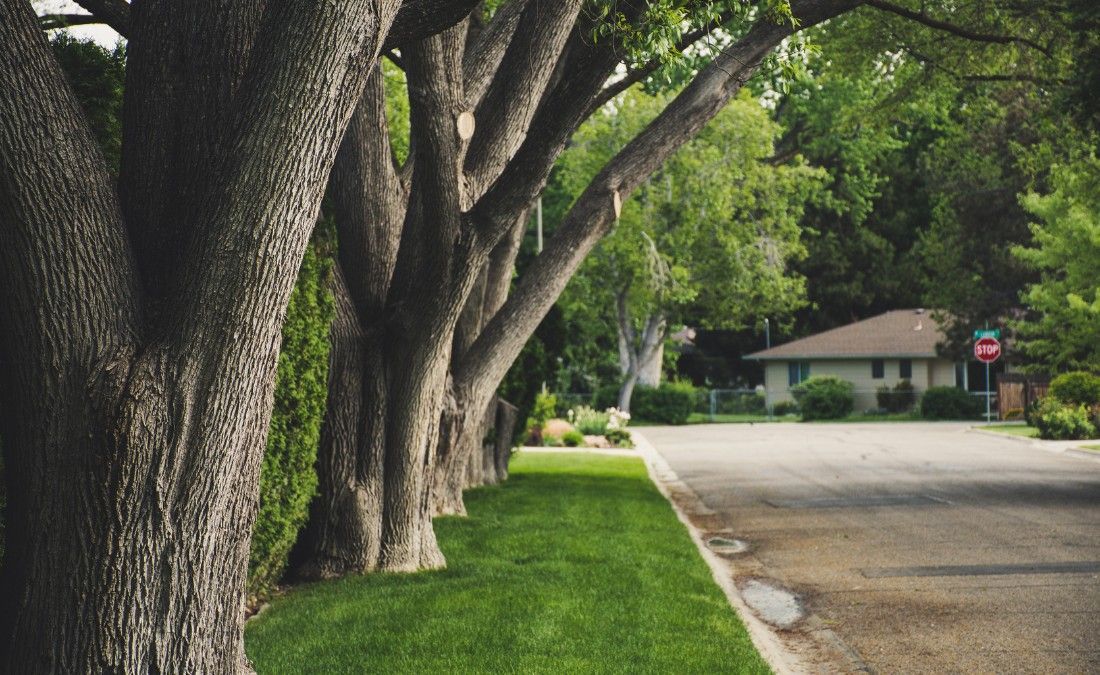
Do I Still Need an Annual Plant Health Care Program If I Don’t See Any Pests?
Wondering if you should renew your annual plant health care program? Learn why the absence of pests is one of the best reasons to continue preventive treatments.
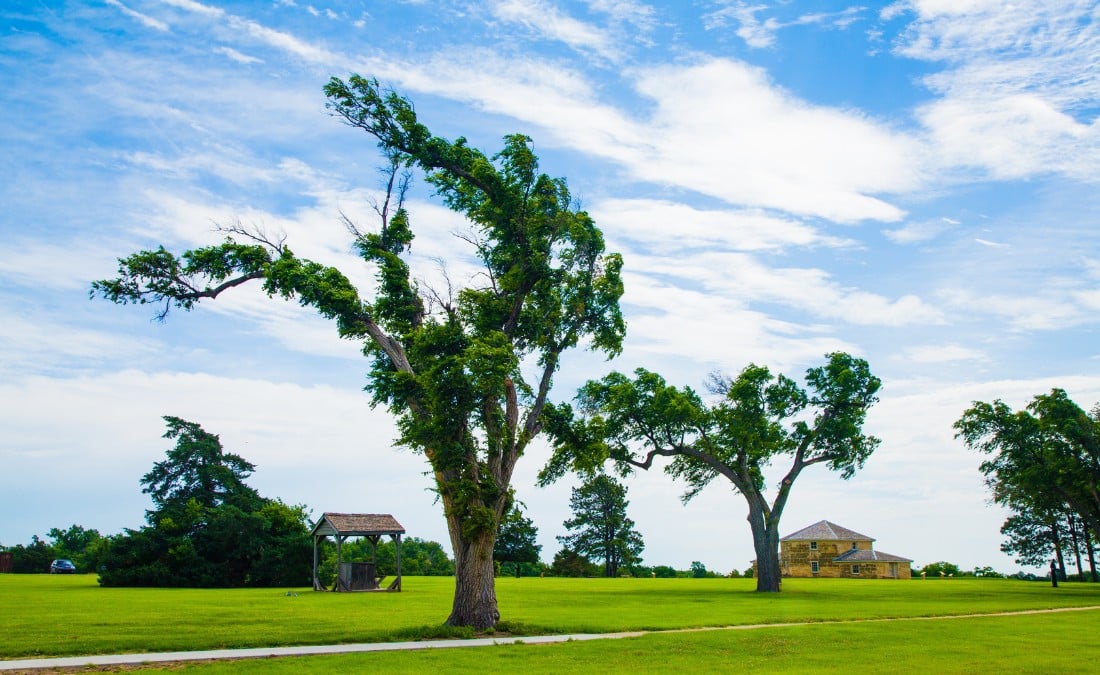
Wichita’s Heat and Wind: How to Protect Your Trees This Summer
Why do Wichita trees struggle with heat and wind stress? Learn which species thrive, how to prevent damage, and what to do if your tree is already stressed.
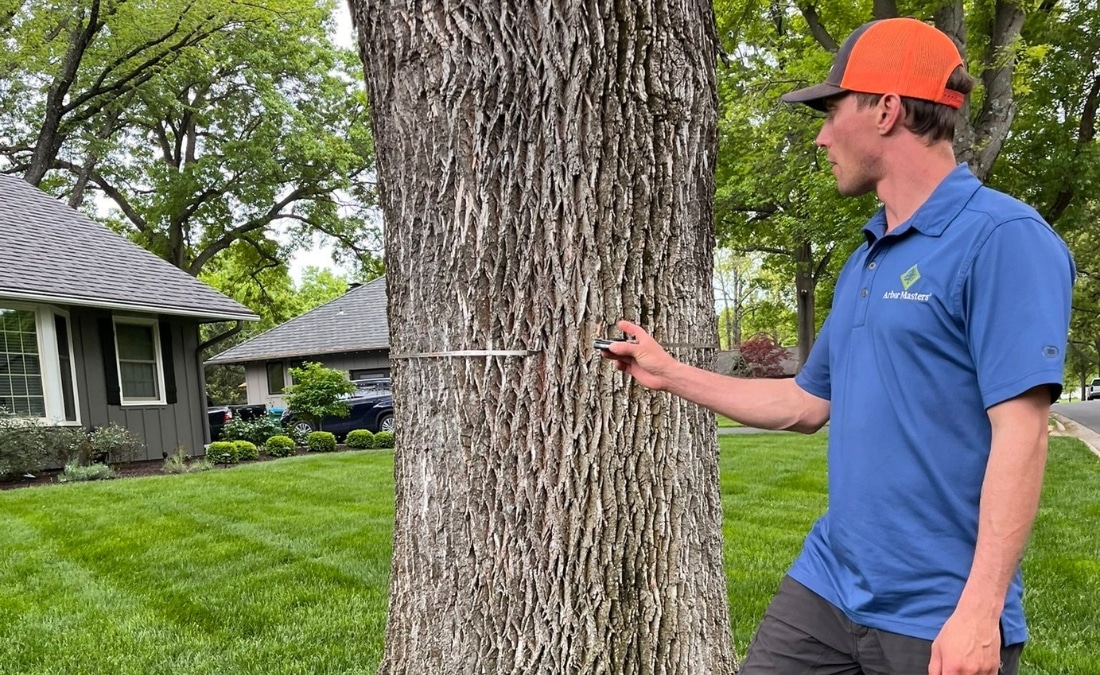
What a Certified Arborist Looks for When Assessing Mature Trees in Butler County
Mature trees in Butler County face unique threats from alkaline soils, wind, and age. See how professional arborist assessments help protect and preserve them.
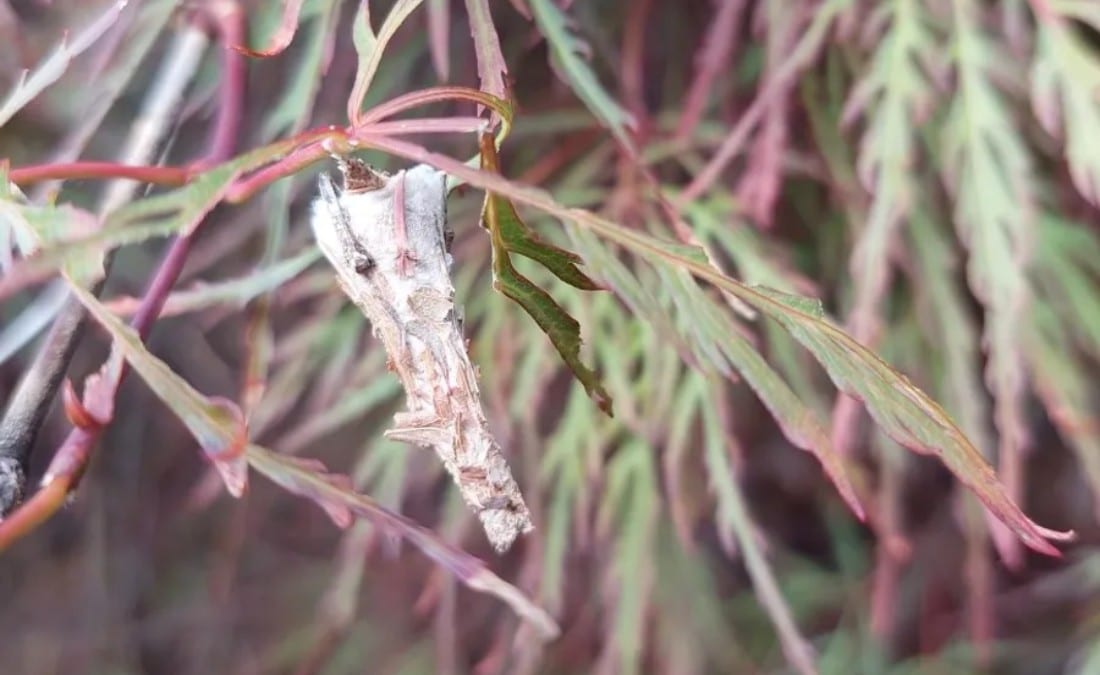
Bagworms in Wichita: How to Protect Your Evergreens
Bagworms in Wichita move fast, and the treatment window is narrow. Here's what the timing looks like in Sedgwick County and why it matters for your evergreens.
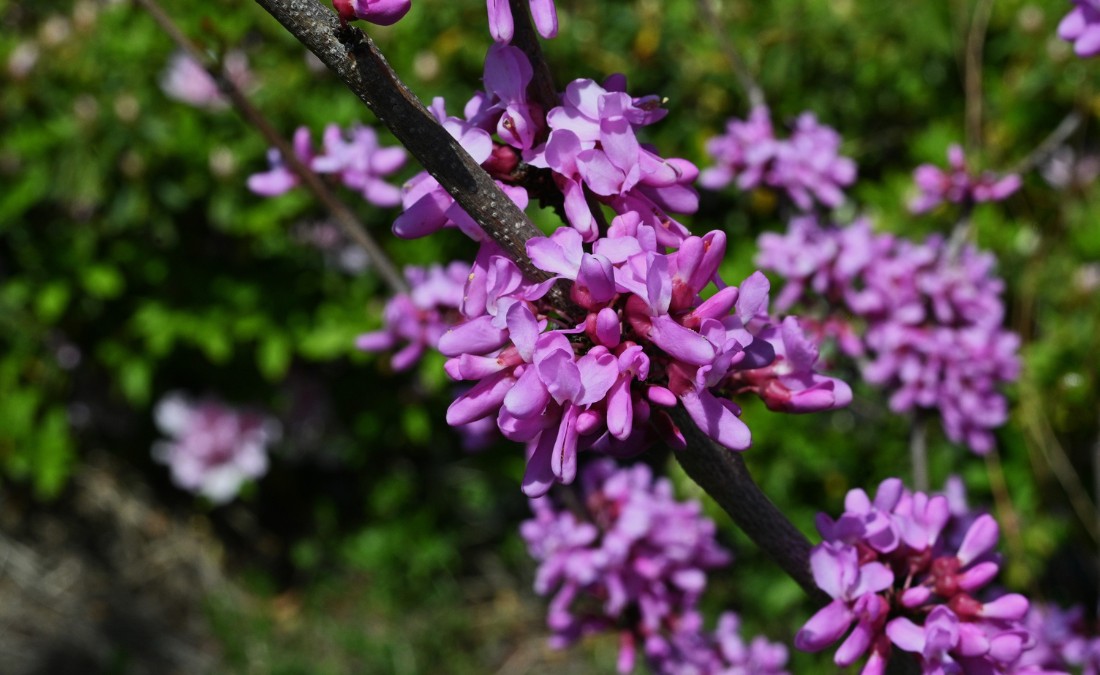
7 Essential Spring Tree Care Tasks for Wichita Homeowners
Spring is the best time to get ahead of tree problems before they start. With the right care now, your trees can stay healthier and easier to manage all year.
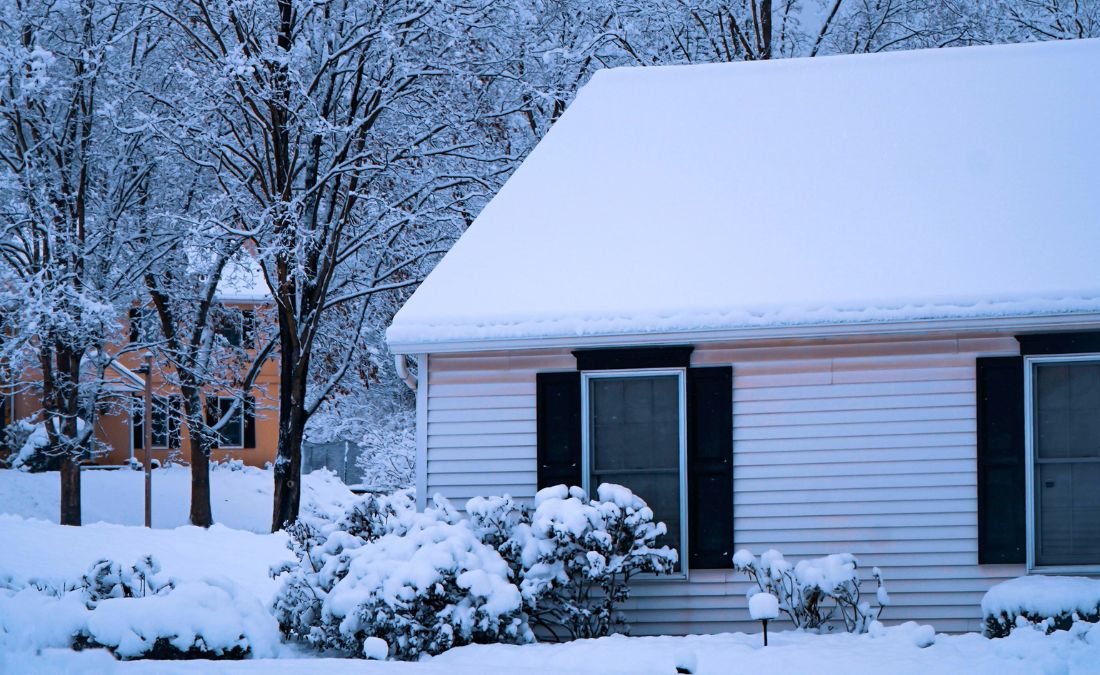
How Professional Late-Winter Tree Care Boosts Your Wichita Home’s Value
Wichita homeowners can significantly boost property values through strategic winter tree care. Late winter offers the ideal window for professional pruning that prevents disease, improves structure, and enhances curb appeal for maximum return on investment.
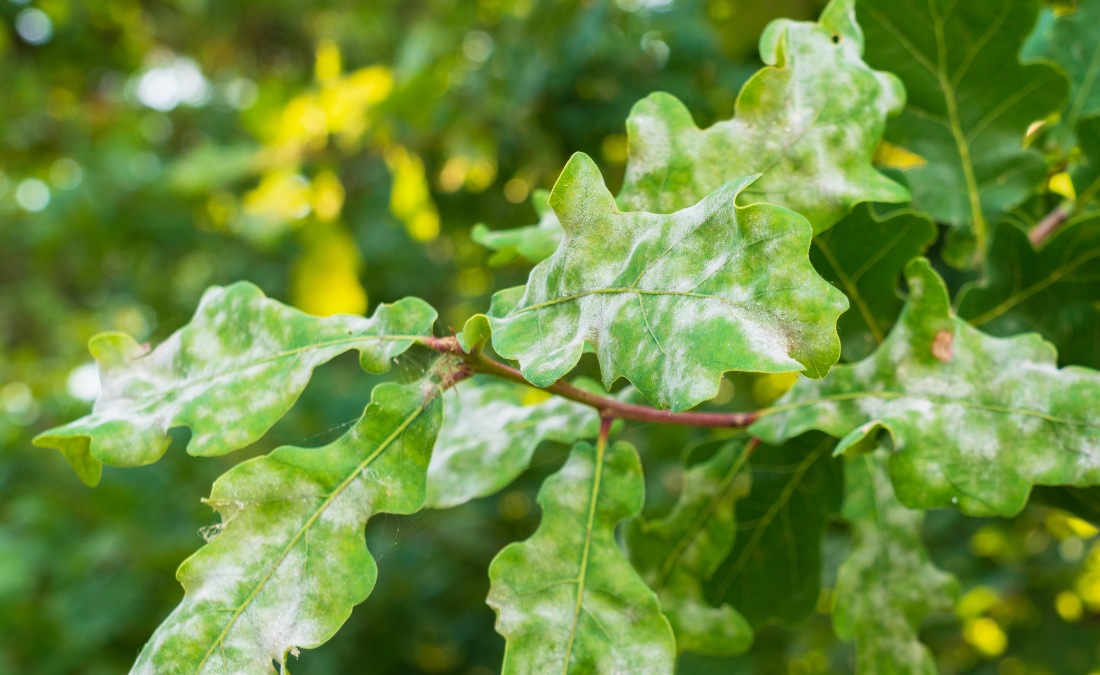
Powdery Mildew Is Common in the Midwest – Here’s What to Do About It
Seeing a white powdery coating on your trees or shrubs? Learn how to identify powdery mildew, stop its spread, and protect plant health before plants weaken.

Thinking About a Maple Tree? Care Tips and Common Types to Know
Some maple trees live 300+ years — if you choose the right one. Compare sugar, red, and silver maples side-by-side, plus get expert planting and care tips.
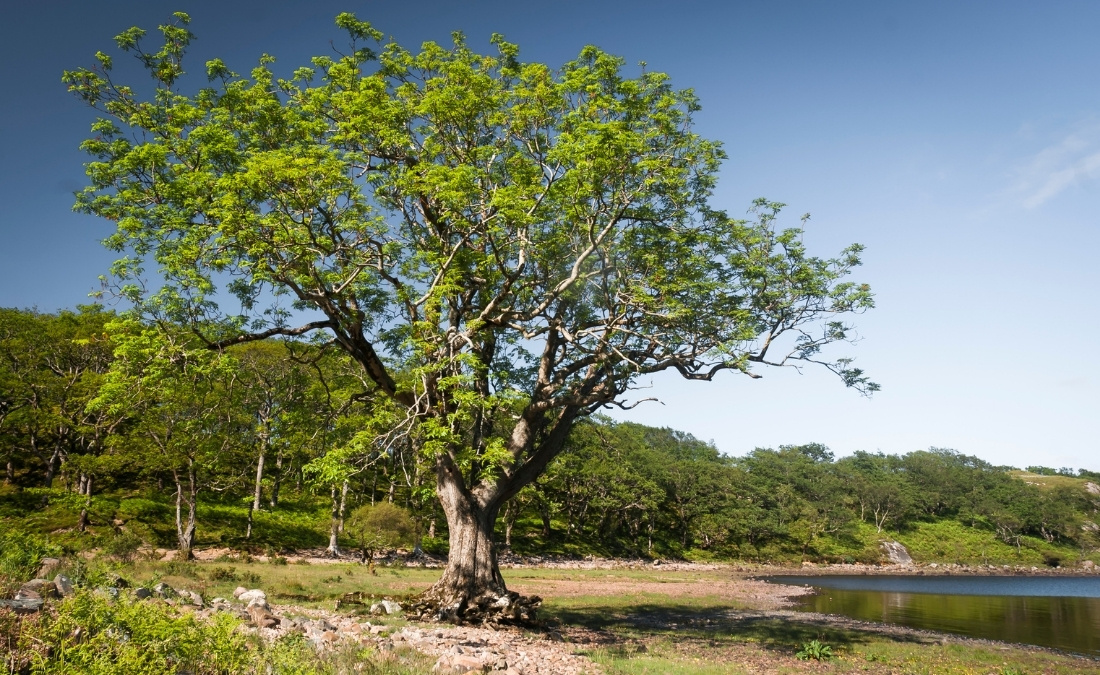
How to Tell If You Have an Ash Tree (and How to Care for It)
Wondering if you have an ash tree? Learn how to identify common ash species, recognize early stress signs, and support tree health in areas affected by EAB.
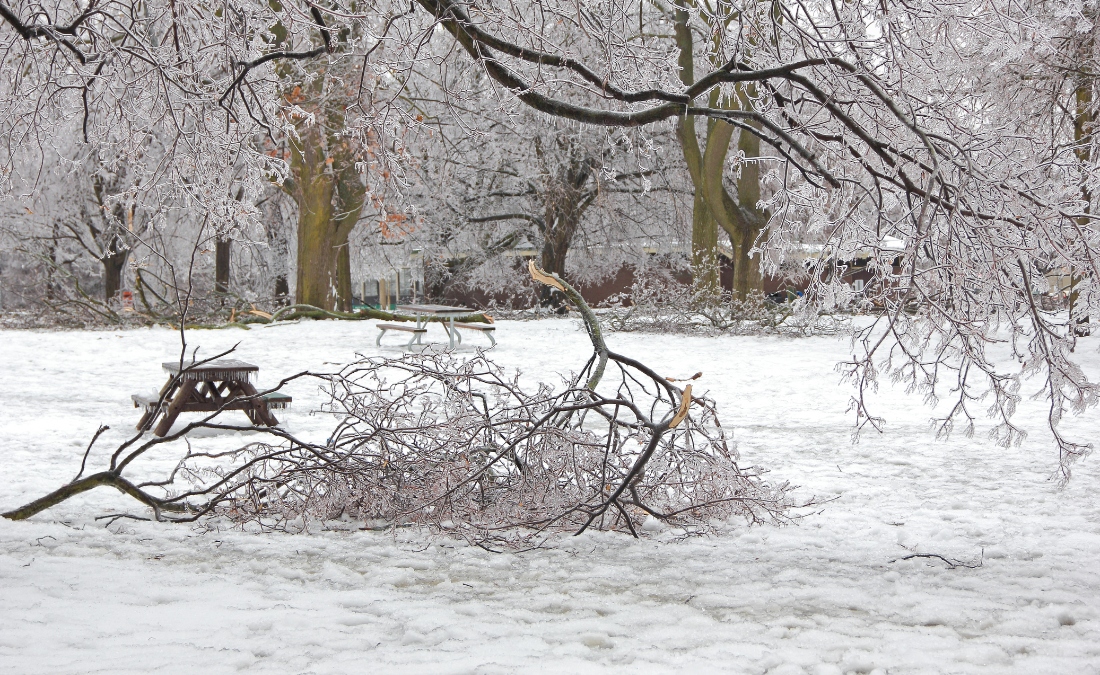
9 Popular Wichita Trees That Are Least Likely to Survive Ice Storms
Not all trees handle ice storms the same. See which species are high-risk in Wichita and what you can do to reduce breakage, failures, and storm cleanup costs.

Want the Latest Info Directly in Your Inbox?
We have a monthly newsletter keeping you up to date on tree care tips, company news, and developing tree care concerns in our area. Fill out the form below to subscribe to our newsletter for the latest info in your inbox every month.
